The Illusion of Being Under the Radar
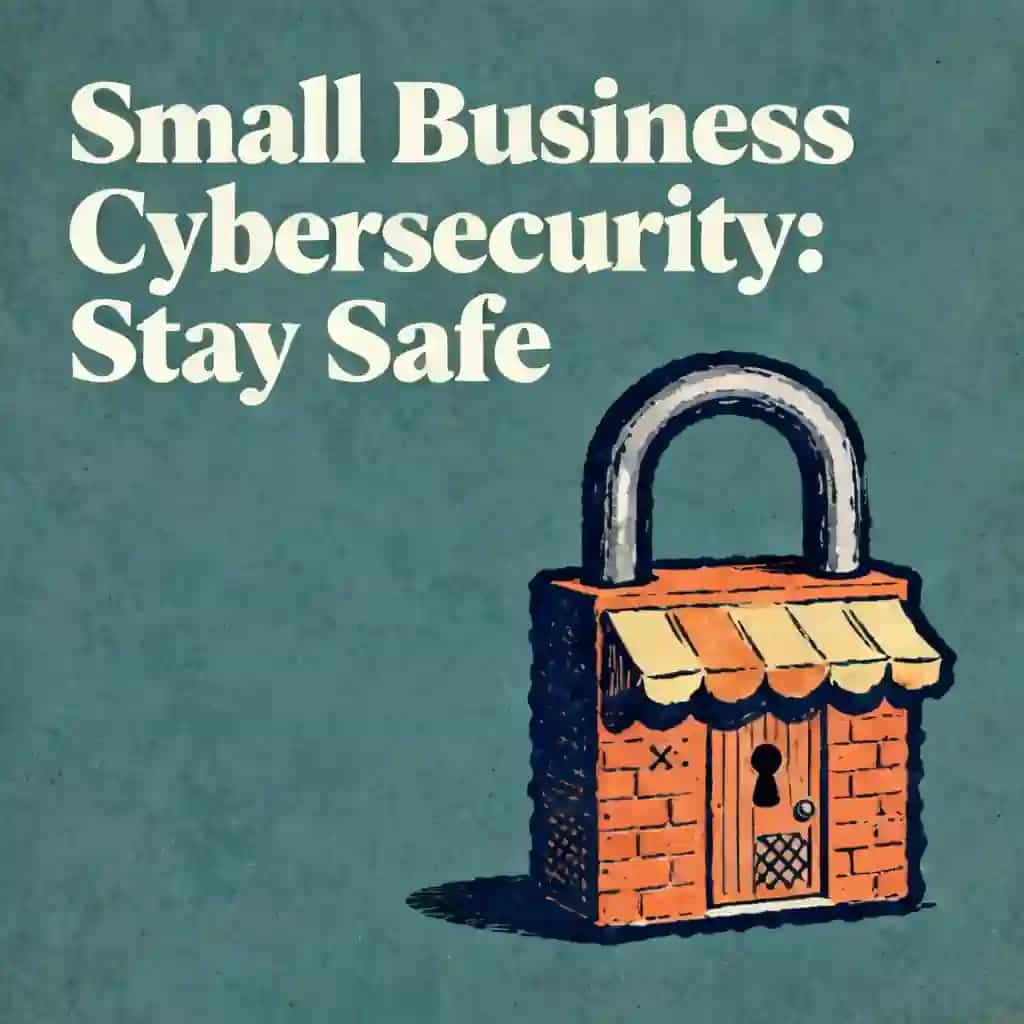
If you own a small business, you probably operate under a comforting, though entirely false, assumption: you think you are too small to be a target. You imagine hackers are spending their nights trying to crack the vault at a Fortune 500 company or a global bank, and that your ten-person office or your fifty-employee manufacturing plant simply isn't worth their time. But the reality is much colder. Statistics show that nearly three out of four small and mid-sized businesses in the U.S. reported a cyberattack in the last year alone . Far from being invisible, you are actually the preferred target. Criminals look at you and see a high-value data set—employee Social Security numbers, payroll records, and tax filings—protected by far fewer locks than a major corporation. The stakes for you are also much higher than for a giant enterprise. While a massive corporation can absorb a multi-million dollar hit, 60% of small businesses actually close their doors within six months of a data breach . It is a existential threat that moves quietly.
This isn't just about someone stealing a credit card number. We are talking about the intersection of business and identity—where a criminal doesn't just rob your bank account, but effectively becomes your business or your employees to facilitate theft. This landscape includes sophisticated maneuvers like Business Email Compromise, where a simple email can trigger a six-figure loss, and synthetic identity fraud, where AI is used to manufacture entirely new people to exploit your credit . As we move through this discussion, you'll see that protecting your business doesn't require a Silicon Valley budget, but it does require you to stop thinking like a victim and start thinking like a defender. A single breach can cost over $500,000 in legal and recovery fees, which is a price tag most small operations cannot survive . So, let's dive into the actual mechanics of these threats, because understanding how the lock is picked is the only way to keep the door shut.