The Science of Church Hospitality: Overcoming Stranger Anxiety
Explore the psychology of church hospitality. Learn how to overcome stranger anxiety and the biological urge to avoid new people to create a welcoming community.

Best quote from The Science of Church Hospitality: Overcoming Stranger Anxiety
Hospitality isn't just a light, fluffy 'nice to have' spiritual extra; it is a direct confrontation with the 'root of human evil'—stranger anxiety. By intentionally choosing to walk past a familiar face to greet a stranger, you are literally overriding your brain’s tribal firmware to transform a potential threat into a member of the family.
Generated by rr narratives
Teach me how to meet new people in church and welcome them without feeling forced or disingenuous. Give me specific approaches backed by psychology






Frequently Asked Questions
The science of church hospitality involves understanding how walking into a new environment triggers primitive survival mechanisms in the brain. While often viewed as a simple spiritual extra, psychologists argue that hospitality is a direct confrontation with stranger anxiety. By recognizing these biological responses, churches can better understand the psychological hurdles visitors face when trying to join a new community or attend a service for the first time.
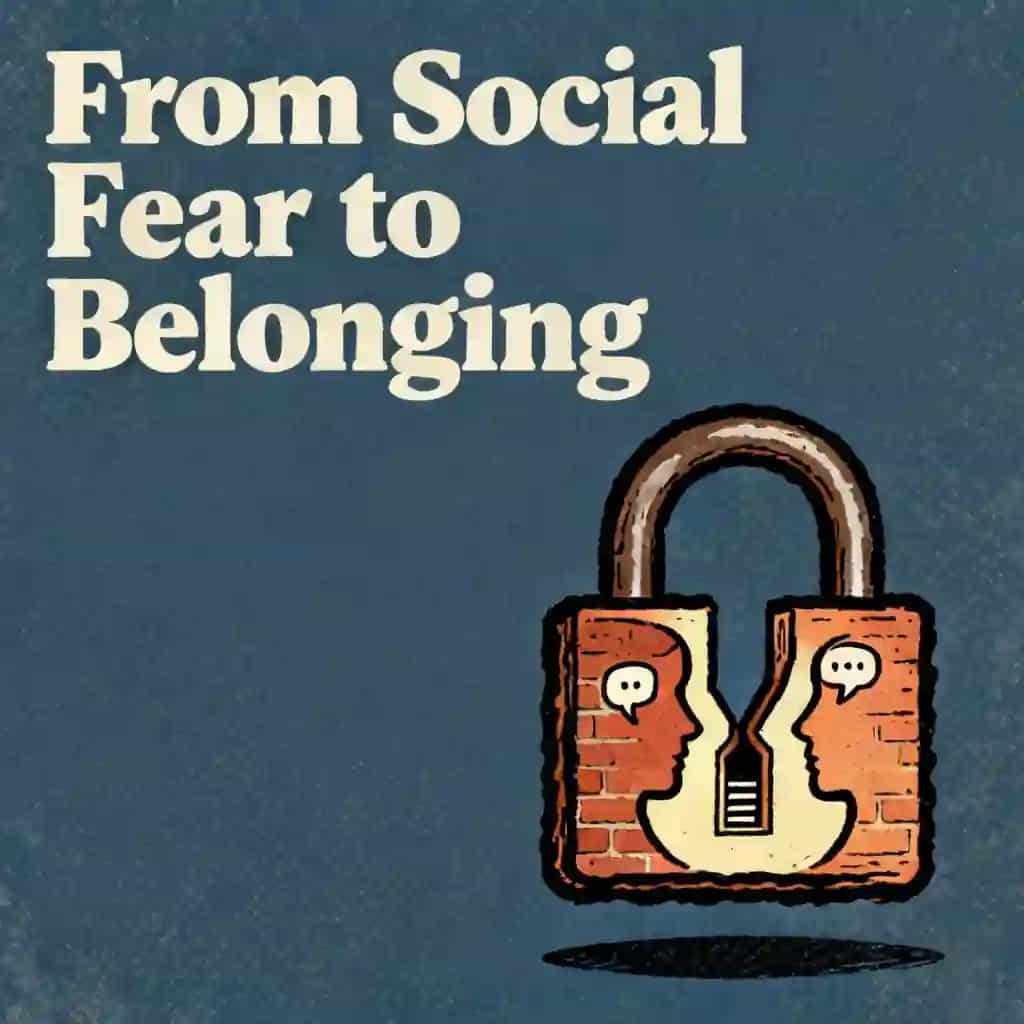
Stranger anxiety, or stranger wariness, is a biological response where the brain identifies unfamiliar people as potential threats. In a church setting, this can cause newcomers to feel a sense of fear or the urge to leave before even entering the building. This 'us versus them' mentality is a natural survival instinct that persists into adulthood, making the act of meeting new people feel like a difficult chore rather than a simple social interaction.
The Mere Exposure Effect is a psychological principle suggesting that individuals naturally prefer things and people that are familiar to them. In the context of church hospitality, this effect explains why people often feel a biological urge to stick with their existing social circles rather than branching out. Overcoming this preference is essential for fostering true hospitality and helping newcomers move past the initial discomfort of being in an unfamiliar 'tribe' or environment.
From Columbia University alumni built in San Francisco
"Instead of endless scrolling, I just hit play on BeFreed. It saves me so much time."


"I never knew where to start with nonfiction—BeFreed’s book lists turned into podcasts gave me a clear path."


"Perfect balance between learning and entertainment. Finished ‘Thinking, Fast and Slow’ on my commute this week."
"Crazy how much I learned while walking the dog. BeFreed = small habits → big gains."
"Reading used to feel like a chore. Now it’s just part of my lifestyle."

"Feels effortless compared to reading. I’ve finished 6 books this month already."
"BeFreed turned my guilty doomscrolling into something that feels productive and inspiring."

"BeFreed turned my commute into learning time. 20-min podcasts are perfect for finishing books I never had time for."
"BeFreed replaced my podcast queue. Imagine Spotify for books — that’s it. 🙌"

"It is great for me to learn something from the book without reading it."
"The themed book list podcasts help me connect ideas across authors—like a guided audio journey."
"Makes me feel smarter every time before going to work"
From Columbia University alumni built in San Francisco
"Instead of endless scrolling, I just hit play on BeFreed. It saves me so much time."
"I never knew where to start with nonfiction—BeFreed’s book lists turned into podcasts gave me a clear path."
"Perfect balance between learning and entertainment. Finished ‘Thinking, Fast and Slow’ on my commute this week."
"Crazy how much I learned while walking the dog. BeFreed = small habits → big gains."
"Reading used to feel like a chore. Now it’s just part of my lifestyle."
"Feels effortless compared to reading. I’ve finished 6 books this month already."
"BeFreed turned my guilty doomscrolling into something that feels productive and inspiring."
"BeFreed turned my commute into learning time. 20-min podcasts are perfect for finishing books I never had time for."
"BeFreed replaced my podcast queue. Imagine Spotify for books — that’s it. 🙌"
"It is great for me to learn something from the book without reading it."
"The themed book list podcasts help me connect ideas across authors—like a guided audio journey."
"Makes me feel smarter every time before going to work"
"Instead of endless scrolling, I just hit play on BeFreed. It saves me so much time."
"I never knew where to start with nonfiction—BeFreed’s book lists turned into podcasts gave me a clear path."
"Perfect balance between learning and entertainment. Finished ‘Thinking, Fast and Slow’ on my commute this week."
"Crazy how much I learned while walking the dog. BeFreed = small habits → big gains."
"Reading used to feel like a chore. Now it’s just part of my lifestyle."
"Feels effortless compared to reading. I’ve finished 6 books this month already."
"BeFreed turned my guilty doomscrolling into something that feels productive and inspiring."
"BeFreed turned my commute into learning time. 20-min podcasts are perfect for finishing books I never had time for."
"BeFreed replaced my podcast queue. Imagine Spotify for books — that’s it. 🙌"
"It is great for me to learn something from the book without reading it."
"The themed book list podcasts help me connect ideas across authors—like a guided audio journey."
"Makes me feel smarter every time before going to work"
"Instead of endless scrolling, I just hit play on BeFreed. It saves me so much time."
"I never knew where to start with nonfiction—BeFreed’s book lists turned into podcasts gave me a clear path."
"Perfect balance between learning and entertainment. Finished ‘Thinking, Fast and Slow’ on my commute this week."
"Crazy how much I learned while walking the dog. BeFreed = small habits → big gains."
"Reading used to feel like a chore. Now it’s just part of my lifestyle."
"Feels effortless compared to reading. I’ve finished 6 books this month already."
"BeFreed turned my guilty doomscrolling into something that feels productive and inspiring."
"BeFreed turned my commute into learning time. 20-min podcasts are perfect for finishing books I never had time for."
"BeFreed replaced my podcast queue. Imagine Spotify for books — that’s it. 🙌"
"It is great for me to learn something from the book without reading it."
"The themed book list podcasts help me connect ideas across authors—like a guided audio journey."
"Makes me feel smarter every time before going to work"