Science-Backed Strategies for Consistent Hard Habits

Science Backed Habit Formation: episode overview
This BeFreed audio episode explores the behavioral psychology behind building and maintaining difficult habits. Instead of relying on hype or motivation, the guide focuses on evidence-based strategies, environmental design, and system creation to help you achieve long-term consistency.
Create Your Podcast in a Click
Generated by Pratham Junius
Input question
how to stay consistent doing hard things which are good for you long term. not self help or motivational tips but researched backed direction.
Host voices

What you will learn about science backed habit formation
- 1
Opening & Welcome
 00:0000:00
Lena: Hey everyone, welcome back to another personalized podcast from BeFreed! I'm Lena, and I'm here with my co-host Eli, and we are absolutely thrilled to dive into today's topic with you. Eli: That's right, Lena! And wow, do we have a fascinating exploration ahead of us today. We're tackling something that I think every single person listening has struggled with at some point-how do you actually stay consistent with doing the hard things that are good for you in the long run? Not the motivational fluff, but the real, research-backed strategies that actually work. Lena: Exactly! And what's so interesting is that most of us approach this completely backwards. We think it's all about willpower and motivation, but the science tells a very different story. Right, Eli? Eli: Absolutely! And that's what makes this conversation so exciting. We're going to explore what the research actually reveals about building lasting consistency, and trust me, some of these insights are going to completely flip how our listeners think about behavior change.
- 2
Topic Introduction & Source Material Setup
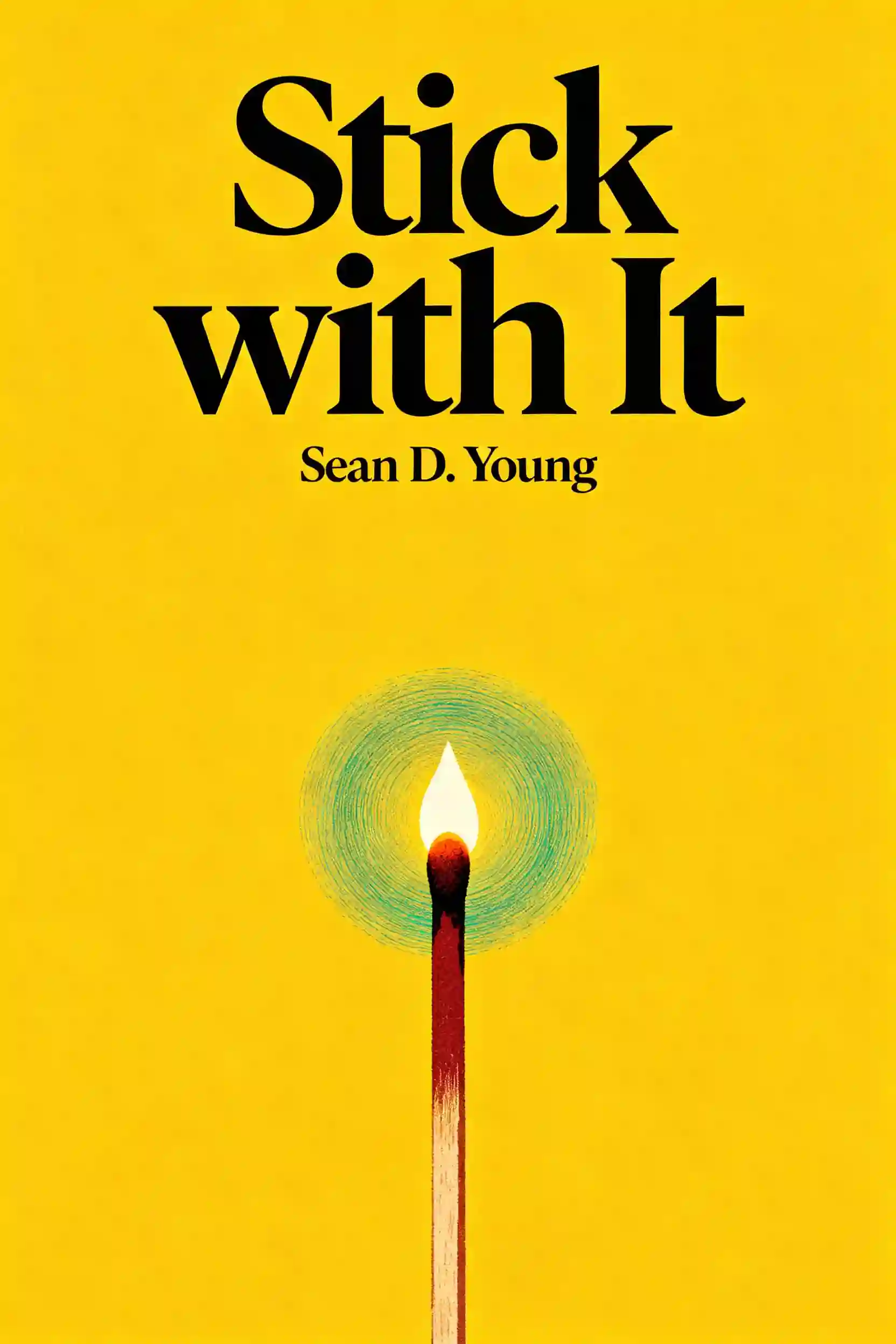
Lena: So before we jump in, let's set the stage here. We've been diving deep into some incredible research on habit formation and behavior change. Eli, can you walk our listeners through what we've been exploring? Eli: Oh, absolutely! We've been immersed in some groundbreaking work. First, there's James Clear's "Atomic Habits," which really revolutionizes how we think about tiny changes and systems versus goals. Then we have Sean Young's "Stick with It," which introduces this fascinating SCIENCE framework-that's Stepladders, Community, Important, Easy, Neurohacks, Captivating, and Engrained. Lena: And that's just the beginning! We've also been looking at some cutting-edge research from Angela Duckworth and her colleagues on strategies that go beyond willpower. Plus there's this incredible work from health psychology researchers about developing habit-based interventions, and some fascinating insights from Wendy Wood about how habits and goals actually work as separate systems. Eli: Right! And what's so compelling about all this research is how it converges on this central insight-that sustainable behavior change isn't about muscling through with willpower. It's about understanding the psychology of how our brains actually work and designing systems that work with our nature, not against it. Lena: That's such a crucial point. I mean, how many times have our listeners probably tried to force themselves to do something consistently through sheer determination, only to burn out after a few weeks? Eli: Exactly! And that's where the research gets really exciting. Because what we're learning is that there are specific, evidence-based strategies that can help people build genuine consistency with difficult behaviors. It's not about becoming a different person-it's about understanding how to work with the way your brain is already wired.
- 3
The Fundamental Shift: From Willpower to Systems
Lena: So let's start with what might be the most important insight from all this research. Eli, what does the science tell us about willpower as a strategy for consistency? Eli: Oh, this is fascinating, Lena! The research is pretty clear that willpower-based approaches-you know, the "just push through it" mentality-are fundamentally flawed for long-term consistency. Duckworth and her colleagues found that strategies relying purely on willpower tend to be unsuccessful. They actually point to the Drug Abuse Resistance Education program as an example-the "Just Say No" approach that was shown to be ineffective. Lena: That's such a perfect example! And it makes sense when you think about it, right? Willpower is like a muscle that gets fatigued. You can't rely on it indefinitely. Eli: Exactly! And this is where James Clear's work becomes so powerful. He makes this distinction between goals and systems that completely reframes how we should think about consistency. He points out that winners and losers often have the same goals-what separates them is their systems. Lena: Can you break that down for our listeners? What's the difference between a goal-focused approach and a systems-focused approach? Eli: Absolutely! So a goal might be "I want to exercise regularly" or "I want to eat healthier." But a system is the process-it's "I'm going to become the type of person who works out" or "I'm going to build habits around nutrition." The goal ends when you achieve it, but the system creates ongoing improvement. Lena: And the research shows that systems are more sustainable because they're not dependent on maintaining constant motivation, right? Eli: That's exactly right! Clear talks about how you don't rise to the level of your goals-you fall to the level of your systems. So if you want consistency with hard things, you need to build systems that make those behaviors more automatic and less dependent on daily decision-making. Lena: This connects beautifully to what we see in the habit formation research. The idea is that once something becomes habitual, it requires much less conscious effort to maintain. Eli: Yes! And what's really interesting is how this plays out neurologically. The research shows that habitual behaviors are triggered by contextual cues and become less cognitively effortful over time. It's like your brain creates these automatic pathways that bypass the need for constant willpower.
- Chapter 4
The Science of Making Hard Things Easier
**Lena:** So if willpower isn't the answer, what does actually work? Let's talk about some of the specific strategies the research identifies. **Eli:** This is where Sean Young's SCIENCE framework becomes incredibly valuable. One of the key principles is making things Easy-and this isn't just common sense, it's backed by solid research on behavior change. **Lena:** Right, and it's counterintuitive because we think hard things should feel hard. But the research suggests the opposite-we need to reduce friction as much as possible. **Eli:** Exactly! Young gives this great example of a woman who wanted to start meditating. She kept forgetting or putting it off until they made it easier by placing her meditation cushion in a prominent spot and setting daily reminders. These simple changes reduced the friction and made it much more likely she'd follow through. **Lena:** And this connects to what Clear calls the "Two-Minute Rule," doesn't it? **Eli:** Yes! The idea is that you start with a version of your habit that takes less than two minutes. So instead of "I'm going to work out for an hour," you start with "I'm going to put on my workout clothes." The research shows that often, once you start, you'll naturally continue beyond those two minutes. **Lena:** That's so smart because it removes the psychological barrier of commitment. You're not committing to this massive undertaking-just to a tiny first step. **Eli:** And there's actually fascinating research behind this. The habit formation studies show that simpler actions become habitual more quickly. So by starting small, you're actually accelerating the process of making the behavior automatic. **Lena:** Now, the research also talks about something called "stepladders." Can you explain how this works for building consistency? **Eli:** Oh, this is one of my favorite concepts! Stepladders are these small, manageable steps that lead toward your larger objective. Instead of trying to make a dramatic change all at once, you break it down into tiny, achievable actions that build momentum. **Lena:** And the key insight is that these small steps compound over time, right? **Eli:** Absolutely! Clear talks about this concept of "aggregation of marginal gains." He uses the example of the British cycling team that improved everything by just 1%-rider nutrition, pillow comfort, everything. Those tiny improvements compounded into Tour de France championships. **Lena:** That's such a powerful example because it shows how consistency with small improvements can lead to dramatic results. It's not about perfection-it's about persistent, incremental progress.
Chapter 5The Psychology of Context and Environment
**Lena:** Now, one thing that really stands out in all this research is the importance of context and environment. Eli, what does the science tell us about how our surroundings affect our ability to stay consistent? **Eli:** This is absolutely crucial, Lena! The research shows that our environment shapes behavior more powerfully than willpower. There's this fascinating study mentioned in the habit formation literature where a hospital simply made water more visible than soda and placed fruit at eye level-and it changed eating habits without any education or motivation. **Lena:** That's incredible! So it's not about trying to resist temptation through willpower-it's about designing your environment so the right choice is the obvious choice. **Eli:** Exactly! And this connects to what the research calls "choice architecture." You want to make good habits obvious and bad habits invisible. So if you want to exercise more consistently, keep your workout clothes visible. If you want to eat healthier, make healthy snacks more accessible than junk food. **Lena:** The research also talks about how context becomes a cue for habits, right? **Eli:** Yes! This is where it gets really interesting. The studies show that habits are essentially context-response associations. When you repeat a behavior in a consistent context, your brain creates these automatic links. So encountering that context triggers the behavior without conscious deliberation. **Lena:** And this is why changing your environment can be so powerful for breaking old patterns and building new ones? **Eli:** Absolutely! There's research showing that people often struggle to maintain new habits during weekends or vacations because their usual context cues are disrupted. But you can flip this-when you're trying to build consistency with something difficult, you can use context changes as opportunities to establish new patterns. **Lena:** This makes me think about the research on "implementation intentions." Can you explain how that works? **Eli:** Oh, this is such a practical tool! Implementation intentions are specific plans that link a situation to a desired action. Instead of saying "I'll exercise more," you say "When I finish my morning coffee, I'll do 10 minutes of yoga." The research shows this creates a mental trigger that makes the behavior more automatic. **Lena:** So you're essentially programming your brain to recognize specific contexts as cues for the behavior you want to maintain. **Eli:** Exactly! And what's fascinating is that this works because it reduces the cognitive load of decision-making. You're not relying on willpower in the moment-you've already decided what you'll do when that context occurs.
Chapter 6The Power of Identity and Social Systems
**Lena:** Now, let's talk about something that I think is often overlooked-the role of identity and community in maintaining consistency. What does the research tell us about this? **Eli:** This is where the science gets really profound, Lena. Clear makes this incredible point that every action you take is essentially a vote for the type of person you believe you are. The research shows that when behavior aligns with identity, change becomes much easier. **Lena:** Can you give our listeners a concrete example of how this works? **Eli:** Sure! Think about someone who identifies as "a healthy person" versus someone who's trying to "get healthy." When offered a cigarette, the first person naturally declines because it conflicts with their identity. The second person has to actively resist temptation. Same behavior, but completely different psychological experience. **Lena:** That's such a powerful distinction! And the research suggests we can actually cultivate this identity through small, consistent actions? **Eli:** Absolutely! The key is to start with small wins that build evidence of your new identity. Want to become a reader? Start with one page per night. Each time you do it, you're reinforcing the identity of "I am someone who reads." These tiny actions accumulate into a genuine shift in self-perception. **Lena:** And this connects to the community aspect that Young emphasizes in his research, right? **Eli:** Yes! The SCIENCE framework identifies Community as one of the key forces for lasting change. The research shows that when we surround ourselves with people who support our goals and model the behaviors we want, we're much more likely to succeed. **Lena:** Young gives that example of the smoking cessation group, doesn't he? **Eli:** Exactly! He worked with smokers trying to quit and created a support group where they could share struggles and celebrate successes. The social support and accountability were often the difference between giving up and pushing through difficult moments. **Lena:** And there's research showing that joining a culture where your desired behavior is normal can be incredibly powerful? **Eli:** That's right! It's like students who study more when they befriend studious peers. The research suggests that surrounding yourself with people who embody your aspirations makes those behaviors feel more natural and sustainable. **Lena:** This makes perfect sense because it addresses both the identity piece and the social reinforcement piece. You're not just trying to change in isolation-you're becoming part of a community that supports and normalizes the behavior you want to maintain.
Chapter 7Rewards, Reinforcement, and Making Hard Things Attractive
**Lena:** Now let's dive into something that's crucial for maintaining consistency with difficult behaviors-how do we make hard things more attractive? What does the research say about rewards and reinforcement? **Eli:** This is where the neuroscience gets really fascinating, Lena! The research shows that dopamine actually spikes in anticipation of rewards, not just when we receive them. This explains why we compulsively check notifications before seeing any content-our brains are wired to seek that anticipatory pleasure. **Lena:** And we can harness this for building consistency with difficult behaviors? **Eli:** Absolutely! Young talks about "temptation bundling"-pairing necessary tasks with enjoyable activities. So you might only watch your favorite show while exercising, or only visit your preferred coffee shop when working on important projects. **Lena:** That's brilliant because you're leveraging the brain's reward system rather than fighting against it. What about immediate versus delayed rewards? **Eli:** The research is clear that our brains favor immediate rewards over delayed gratification. This creates tension because good habits often have delayed benefits while bad habits offer instant pleasure. So the key is adding immediate rewards to good habits. **Lena:** Can you give our listeners some practical examples of how to do this? **Eli:** Sure! You might enjoy a protein smoothie after exercising, or allocate some "fun money" after hitting your savings goal. The habit formation research suggests that habit tracking provides one of the most powerful immediate rewards through visible progress. **Lena:** And this connects to what the research calls making behaviors "Captivating," right? **Eli:** Exactly! Young worked with a group of employees trying to increase their daily step count. They created a company-wide challenge with teams competing against each other, weekly prizes, and leaderboards. The element of competition and social recognition transformed what could have been tedious into something exciting. **Lena:** What's interesting is that the research shows reward immediacy is crucial. Delayed rewards have less reinforcement value? **Eli:** That's right! And reward value is also subjective. The studies suggest that outcomes affirming your preferred identity can be particularly rewarding. So if you see yourself as someone who takes care of their health, the immediate reward of "I'm acting in alignment with my values" can be very powerful. **Lena:** This makes me think about the research on intrinsic versus extrinsic rewards. What does that tell us about maintaining consistency? **Eli:** Great question! The studies show that behaviors yielding intrinsic rewards like pleasure or satisfaction typically require fewer repetitions for habits to form. So finding ways to make difficult behaviors genuinely enjoyable or meaningful increases the likelihood of long-term consistency.
Chapter 8Disrupting Bad Habits and Building New Patterns
**Lena:** Now, let's address something our listeners probably deal with-how do you stay consistent with good behaviors when you're also trying to break bad habits? What does the research tell us about habit disruption? **Eli:** This is such an important area, Lena! The research identifies four different ways to prevent habitual action: inhibition, discontinuation, degradation, and substitution. Each works differently and has different implications for long-term success. **Lena:** Can you break those down for our listeners? **Eli:** Absolutely! Habit inhibition is willfully stopping yourself when you feel the urge-like thinking "don't do it!" when you want to check social media. Discontinuation is avoiding the cues entirely. Degradation is letting the habit associations naturally decay. And substitution is replacing an old response with a new one. **Lena:** And the research suggests that substitution might be the most effective for lasting change? **Eli:** That's right! The theory is that consistently substituting an unwanted behavior with an alternative can develop a new, competing association that dominates over the old one. So instead of just trying to stop checking your phone, you might substitute that urge with doing a quick breathing exercise. **Lena:** This connects to what we discussed earlier about making new behaviors easier, doesn't it? **Eli:** Exactly! The research on "friction" shows that making unwanted behaviors difficult and alternatives easier is incredibly effective. Simple changes like unplugging the TV after each use or logging out of social media accounts create just enough friction to interrupt automatic patterns. **Lena:** And there's fascinating research about how context changes can disrupt old habits and create opportunities for new ones? **Eli:** Yes! Studies show that people often struggle to maintain habits during major life transitions, but you can flip this. Moving to a new place, starting a new job, or even rearranging your living space can create windows of opportunity to establish new patterns because your old context cues are disrupted. **Lena:** What about the timeline for habit change? The research debunks that 21-day myth, right? **Eli:** Absolutely! That myth apparently came from plastic surgery patients adjusting to their new appearance. The actual research on habit formation found that automaticity plateaued on average around 66 days, with considerable variation depending on the person and behavior. **Lena:** So our listeners should expect habit formation to take around 10 weeks of consistent practice? **Eli:** That's a good guideline, though the research shows it can vary widely. Simple behaviors become habitual more quickly than complex ones. But the key insight is that it gets progressively easier-you only need to maintain motivation until the habit forms and becomes more automatic.
Chapter 9Practical Applications & Listener Takeaways
**Lena:** Alright, Eli, let's bring all this research together into some practical guidance for our listeners. If someone is struggling to stay consistent with behaviors that are good for them long-term, where should they start? **Eli:** Great question! Based on everything we've discussed, I'd say start with the environment and systems approach. Don't rely on willpower-design your environment to make the right choice the obvious choice. Make good behaviors visible and easy, bad behaviors invisible and difficult. **Lena:** And start small with those stepladders, right? **Eli:** Absolutely! The research is clear that simple actions become habitual more quickly. So instead of "I'm going to work out for an hour every day," start with "I'm going to put on my workout clothes every morning." Build the identity and the system before worrying about intensity or duration. **Lena:** What about the identity piece? How can our listeners leverage that? **Eli:** Focus on becoming the type of person who does the behavior, rather than just trying to achieve a specific outcome. Each small action is a vote for your new identity. Want to be consistent with healthy eating? Start seeing yourself as "a healthy person" and ask "What would a healthy person do in this situation?" **Lena:** And the research suggests using implementation intentions to reduce decision fatigue? **Eli:** Exactly! Create specific if-then plans: "When I finish my morning coffee, I will meditate for five minutes." This removes the cognitive load of deciding in the moment and creates automatic triggers for your desired behaviors. **Lena:** What about dealing with setbacks? The research shows that missing occasionally doesn't derail the habit formation process? **Eli:** That's such an important point! The studies found that missing the occasional opportunity didn't seriously impair habit formation-automaticity gains resumed after one missed performance. The key is the "never miss twice" rule. One miss is an accident; two becomes a pattern. **Lena:** And for our listeners who are trying to break bad habits while building good ones? **Eli:** Focus on substitution rather than just elimination. Instead of trying to stop a behavior, replace it with something else. The research shows this is more effective for lasting change because you're building a new association rather than just fighting an old one. **Lena:** What about the social and community aspect? **Eli:** Surround yourself with people who embody the behaviors you want to maintain. Join communities where your desired behavior is normal. The research shows this provides both accountability and makes the behavior feel more natural and sustainable. **Lena:** And finally, how can our listeners use rewards effectively? **Eli:** Add immediate rewards to behaviors with delayed benefits. Track your progress for visible feedback. Use temptation bundling to pair necessary tasks with enjoyable activities. The key is working with your brain's reward system, not against it.
Chapter 10Wrap-up & Closing Reflection
**Lena:** So as we wrap things up, Eli, what's the biggest insight you're taking away from all this research on staying consistent with difficult but beneficial behaviors? **Eli:** You know, Lena, I think the most profound insight is that consistency isn't about becoming a different person or developing superhuman willpower. It's about understanding how behavior change actually works and designing systems that align with how our brains are already wired. **Lena:** That's beautifully put. And what I find so hopeful about this research is that it gives our listeners concrete, evidence-based strategies rather than just motivational platitudes. This isn't about "just try harder"-it's about "try smarter." **Eli:** Exactly! And the convergence across all these different research streams is remarkable. Whether we're looking at Clear's work on atomic habits, Young's SCIENCE framework, or the cutting-edge research on habit formation and behavior change, they all point toward the same fundamental principles. **Lena:** Right-start small, design your environment, build identity through action, leverage social support, and create systems rather than relying on goals and willpower. **Eli:** And what's really exciting is that these aren't just theoretical concepts. The research includes real-world interventions and studies showing these principles work in practice. People have used these strategies to lose weight, exercise consistently, build better eating habits, and maintain all sorts of positive behaviors long-term. **Lena:** What I love is that it takes the pressure off our listeners. You don't have to be perfect, you don't have to have incredible discipline, you just need to understand the psychology and work with it rather than against it. **Eli:** And remember, the research shows that habit formation takes time-around 10 weeks on average. So be patient with yourself. Focus on building the system and trust that consistency will become easier as the behaviors become more automatic. **Lena:** For everyone listening, I think the key takeaway is this: sustainable consistency comes from understanding that behavior change is a skill you can learn, not a character trait you either have or don't have. The research gives us the roadmap. **Eli:** Absolutely! And the beautiful thing is that once you build one habit successfully using these principles, it becomes easier to build others. You develop confidence in your ability to change and a better understanding of what works for you personally. **Lena:** So whether you're trying to exercise regularly, eat healthier, build a creative practice, or maintain any other beneficial behavior, remember-it's not about willpower, it's about systems. It's not about perfection, it's about consistency. And it's not about motivation, it's about creating the right conditions for success. **Eli:** And on that note, we want to encourage all our listeners to pick one small behavior they want to build consistency around and apply these research-based principles. Start tiny, design your environment, create implementation intentions, and be patient with the process. **Lena:** Thanks for joining us on this deep dive into the science of behavioral consistency. Keep experimenting, stay curious, and remember that every small action is a vote for the person you're becoming. Until next time, keep those questions coming and keep building those systems that support your best self! **Eli:** Couldn't have said it better myself, Lena. Here's to making the hard things a little bit easier, one small step at a time!
What people search for about science backed habit formation
When exploring the science of habit formation, listeners often want to know how long it actually takes to build consistency, how to design reliable behavioral systems, and what psychology says about maintaining hard habits.
A practical guide to science backed habit formation
Building consistent habits requires more than just motivation; it demands a strategic approach grounded in behavioral science.
Environmental Design
Behavioral psychology emphasizes the importance of your surroundings. By altering your environment to make good habits easier and bad habits harder, you rely less on willpower and more on automatic cues.
The Habit Loop
Habits are generally understood through a neurological loop: a cue, a routine, and a reward. Science-backed strategies focus on clearly identifying your triggers and ensuring that the new behavior is followed by immediate, positive reinforcement.
Consistency Over Intensity
Research indicates that the frequency of a behavior matters more than the intensity. Starting with very small, manageable actions helps establish the neural pathways required for automaticity, avoiding the burnout associated with high-effort starts.
Best quote from Science-Backed Strategies for Consistent Hard Habits
Sustainable behavior change isn't about muscling through with willpower; it's about understanding the psychology of how our brains actually work and designing systems that work with our nature, not against it.
Knowledge sources





FAQ
The science behind habit formation is rooted in behavioral psychology and neuroscience. It involves the process by which a behavior becomes automatic through repeated execution in a consistent context. This is often described as a habit loop consisting of a cue, a behavioral routine, and a reward.
While models vary, behavioral scientists often describe habit formation in four stages: cue, craving, response, and reward. The cue triggers the brain, the craving provides the motivation, the response is the actual habit, and the reward satisfies the craving, reinforcing the loop for the future.
Contrary to the popular myth that it takes 21 days, behavioral research indicates that the time it takes for a new habit to become automatic varies widely depending on the person and the complexity of the behavior. Studies suggest that automaticity plateaus on average around 66 days, but it can take anywhere from 18 to 254 days.
From Columbia University alumni built in San Francisco
"Instead of endless scrolling, I just hit play on BeFreed. It saves me so much time."


"I never knew where to start with nonfiction—BeFreed’s book lists turned into podcasts gave me a clear path."


"Perfect balance between learning and entertainment. Finished ‘Thinking, Fast and Slow’ on my commute this week."
"Crazy how much I learned while walking the dog. BeFreed = small habits → big gains."
"Reading used to feel like a chore. Now it’s just part of my lifestyle."

"Feels effortless compared to reading. I’ve finished 6 books this month already."
"BeFreed turned my guilty doomscrolling into something that feels productive and inspiring."

"BeFreed turned my commute into learning time. 20-min podcasts are perfect for finishing books I never had time for."
"BeFreed replaced my podcast queue. Imagine Spotify for books — that’s it. 🙌"

"It is great for me to learn something from the book without reading it."
"The themed book list podcasts help me connect ideas across authors—like a guided audio journey."
"Makes me feel smarter every time before going to work"
From Columbia University alumni built in San Francisco
"Instead of endless scrolling, I just hit play on BeFreed. It saves me so much time."
"I never knew where to start with nonfiction—BeFreed’s book lists turned into podcasts gave me a clear path."
"Perfect balance between learning and entertainment. Finished ‘Thinking, Fast and Slow’ on my commute this week."
"Crazy how much I learned while walking the dog. BeFreed = small habits → big gains."
"Reading used to feel like a chore. Now it’s just part of my lifestyle."
"Feels effortless compared to reading. I’ve finished 6 books this month already."
"BeFreed turned my guilty doomscrolling into something that feels productive and inspiring."
"BeFreed turned my commute into learning time. 20-min podcasts are perfect for finishing books I never had time for."
"BeFreed replaced my podcast queue. Imagine Spotify for books — that’s it. 🙌"
"It is great for me to learn something from the book without reading it."
"The themed book list podcasts help me connect ideas across authors—like a guided audio journey."
"Makes me feel smarter every time before going to work"
"Instead of endless scrolling, I just hit play on BeFreed. It saves me so much time."
"I never knew where to start with nonfiction—BeFreed’s book lists turned into podcasts gave me a clear path."
"Perfect balance between learning and entertainment. Finished ‘Thinking, Fast and Slow’ on my commute this week."
"Crazy how much I learned while walking the dog. BeFreed = small habits → big gains."
"Reading used to feel like a chore. Now it’s just part of my lifestyle."
"Feels effortless compared to reading. I’ve finished 6 books this month already."
"BeFreed turned my guilty doomscrolling into something that feels productive and inspiring."
"BeFreed turned my commute into learning time. 20-min podcasts are perfect for finishing books I never had time for."
"BeFreed replaced my podcast queue. Imagine Spotify for books — that’s it. 🙌"
"It is great for me to learn something from the book without reading it."
"The themed book list podcasts help me connect ideas across authors—like a guided audio journey."
"Makes me feel smarter every time before going to work"
"Instead of endless scrolling, I just hit play on BeFreed. It saves me so much time."
"I never knew where to start with nonfiction—BeFreed’s book lists turned into podcasts gave me a clear path."
"Perfect balance between learning and entertainment. Finished ‘Thinking, Fast and Slow’ on my commute this week."
"Crazy how much I learned while walking the dog. BeFreed = small habits → big gains."
"Reading used to feel like a chore. Now it’s just part of my lifestyle."
"Feels effortless compared to reading. I’ve finished 6 books this month already."
"BeFreed turned my guilty doomscrolling into something that feels productive and inspiring."
"BeFreed turned my commute into learning time. 20-min podcasts are perfect for finishing books I never had time for."
"BeFreed replaced my podcast queue. Imagine Spotify for books — that’s it. 🙌"
"It is great for me to learn something from the book without reading it."
"The themed book list podcasts help me connect ideas across authors—like a guided audio journey."
"Makes me feel smarter every time before going to work"