BeFreed
    Categories>Entrepreneurship>Running a One-Person Business With an AI Team

    Running a One-Person Business With an AI Team

    30 min
    |
    |
    Apr 4, 2026
    • Entrepreneurship
    • Technology
    • Productivity

    Stop being the bottleneck in your own company. Learn how to build an AI stack that handles content, sales, and operations so you can scale without burnout.

    Running a One-Person Business With an AI Team
    0:00 / 0:00
    Choose how it's told

    One episode. Many ways to hear it.

    Same ideas from Running a One-Person Business With an AI Team. Pick the voice, depth, and pace that fits you. Switch anytime.

    Transcript & chapters

    Chapter 1

    From Solo Hustle to AI CEO

    Lena: You know, Miles, I was talking to a friend who’s a solo founder, and she’s basically living in a sea of forty open browser tabs. She’s the writer, the tech support, and the accountant all at once, and she is completely burnt out.

    Miles: That is the classic "coordination tax" of the old-school solopreneur. But it’s interesting how that’s changing. We’re seeing people like Maor Shlomo build a company alone and sell it for eighty million dollars just six months later.

    Lena: Eighty million? That’s wild. But most of us are just trying to hit that ten to fifty thousand in monthly revenue without losing our minds.

    Miles: Exactly, and the trick isn't just using more tools—it's moving from being the "bottleneck" to being the CEO of an AI team. We’re talking about a shift where your tech stack costs ninety-five percent less than a human hire but does the work of a ten-person department.

    Lena: I love that. So let’s dive into the "Solopreneur AI Stack" framework and see how to actually build this digital team.

    Chapter 2

    The Architecture of Autonomy—Mapping Your Digital Workforce

    Lena: That shift from being the worker to the architect is so important. I think a lot of people hear "AI stack" and they just imagine a folder full of apps on their phone. But you’re talking about something much more structured—like a blueprint for a skyscraper.

    Miles: Exactly. You can’t just throw tools at a problem and hope they stick. If you’re a solopreneur in 2026, you have to think in functional layers. I like to break it down into six core areas: content, marketing, video, design, support, and operations. It’s like hiring six department heads who happen to be algorithms.

    Lena: I was reading some data from a 2026 Zapier survey that really puts this in perspective. Apparently, sixty-three percent of solopreneurs are now using at least three AI tools every single day. And the ones who are really killing it—the high-performers—are seeing two to three times higher productivity.

    Miles: It’s the "AI Solo Stack" framework. The goal is to move data between these layers without you having to touch it. Think of the first layer as your "Senses"—that’s the data collection. Tools like Zapier or Make act as the eyes and ears, grabbing leads from a form or mentions from social media.

    Lena: And then those "Senses" feed into the "Brain," right?

    Miles: Spot on. The Brain is your Large Language Model—your ChatGPT, your Claude, your Gemini. This is where the thinking happens. It’s not just moving a name from a form to a spreadsheet anymore. In 2026, that Brain layer is actually analyzing the lead. It’s scraping their LinkedIn, checking their company website, and deciding if they’re a "Hot Lead" before you even finish your morning coffee.

    Lena: That sounds like the "Chief of Staff" role we were talking about. But I imagine the real magic is in the "Hands"—the Action layer.

    Miles: That’s the third layer. It’s where the work actually gets done—sending the personalized email, generating the invoice in Stripe, or creating the tasks in Notion. If there’s a break between the Brain and the Hands, you’re back to manual labor. You want a seamless flow where the AI makes a strategic decision and then executes it immediately.

    Lena: I love that "Senses, Brain, Hands" analogy. It makes it feel much less like "tech" and much more like "biology." But for someone just starting, it feels like a lot to manage. I mean, how do you decide which department to "hire" first?

    Miles: You look for the bottleneck. Are you spending four hours a day in your inbox? Then start with the Support Rep or the Executive Assistant. Are you struggling to get eyes on your product? Then the Content Engine is your first hire. The beauty of 2026 is that these tools have crossed a threshold—they aren’t just assistants anymore; they’re becoming autonomous.

    Lena: And the economics are just wild. I saw a cost comparison that showed a solopreneur can run a professional-grade stack for about a hundred dollars a month. Compare that to a part-time virtual assistant which could easily be fifteen hundred or more.

    Miles: It’s a twenty-two-times ROI in some cases. But the biggest mistake people make is trying to build the whole skyscraper in a weekend. They subscribe to fifteen tools, get overwhelmed by the dashboards, and end up with "SaaS fatigue."

    Lena: Right, the "tool sprawl" trap. It’s better to have one tool fully configured and working than five tools running at ten percent capacity.

    Miles: Precisely. You want a lean stack. In 2026, the winners aren't the ones with the most subscriptions—they’re the ones with the best-integrated workflows. It’s about building in layers. You master the Content Engine, you live with it for two weeks, then you add the Sales Assistant. You’re building a digital assembly line, one station at a time.

    Keep learning with this episode

    Take the ideas from this episode into a guided learning experience in BeFreed.

    Chapter 3

    The Content Multiplier—Turning One Spark into a Wildfire

    Lena: Let’s talk about that Content Engine, because for so many of us, content is the "beast" that needs constant feeding. It’s the thing that creates the most burnout.

    Miles: Oh, absolutely. Content is usually the first place a solopreneur hits the wall. You want to be a "creator," but you end up being a "formatter" and a "scheduler." But think about this—a blog post used to take four hours of manual labor. Now, with a solid AI workflow, you’re looking at forty-five minutes.

    Lena: I’ve seen people use the "Content Factory" template. You start with one high-quality idea—maybe it’s a transcript from a deep-dive meeting or a long-form article—and then the AI just... explodes it into a week of posts.

    Miles: It’s about strategic repurposing. You feed that one guide into a tool like ChatGPT or Claude, and you tell it: "Give me five LinkedIn posts, three Instagram carousels, a script for a TikTok, and an email newsletter." You’re not starting from scratch; you’re maximizing the "yield" of every single thought you have.

    Lena: And it’s not just text anymore. I was looking at Soloa AI, and it’s a great example of this "consolidation" trend we’re seeing in 2026. Instead of paying for a separate image generator, a voice-over tool, and a video editor, you have one platform that does all of it.

    Miles: That’s a huge shift. If you’re a course creator or a YouTuber, you can generate your B-roll from text, add a natural-sounding AI voice-over, and create the background music—all in one place. It eliminates that "context switching" where you’re jumping between eight different tabs and losing your creative flow.

    Lena: But does it actually look... you know... good? People are getting pretty sensitive to that "generic AI" feel.

    Miles: You’ve hit the nail on the head. That’s the "hallucination tax" or the "authenticity gap." The secret is the "Human-in-the-Loop" principle. The AI handles the eighty percent that’s routine—the drafting, the formatting, the initial research—but you have to provide the twenty percent that’s judgment.

    Lena: Right. You’re the editor-in-chief, not just the guy hitting "publish."

    Miles: Exactly. One study from the Content Marketing Institute found that AI-assisted creators saw a fifty-eight percent increase in engagement. But that’s only when they layered their unique perspective on top of the AI drafts. If you just copy-paste, people can tell. But if you use the AI to get to a "Version 1.0" in ten minutes, you spend the next thirty minutes making it brilliant instead of just making it exist.

    Lena: It reminds me of that "Creative Co-Pilot" concept. It’s like having a supercharged assistant who gets you a rough prototype of a logo or a video scene in seconds, so you can focus on the big-picture vision.

    Miles: And the time savings are measurable. We’re talking about saving fifteen to twenty hours a week just on content. For a solopreneur, that is a massive amount of "found time." You can use those hours to actually talk to customers or, you know, have a life.

    Lena: I love the idea of "increased output" leading to more family dinners. I think it was Georgia Fort who said that. She’s an independent journalist who used AI to reclaim five to ten hours a week. She went from struggling to post regularly to being a content powerhouse.

    Miles: It’s the difference between a "solo hustle" and a "scalable operation." When you have an AI Content Engine, you aren't limited by how many hours you can type. You’re limited by how many great ideas you can have. And in 2026, that is a much better place to be.

    Chapter 4

    The Automated Inbox—Winning the War on Administrative Friction

    Lena: Okay, so content is handled, but then there’s the "inbox ghost." You know, that feeling where every time you clear your email, three more pop up? For a solopreneur, the inbox is where dreams go to die.

    Miles: It’s the ultimate time-sink. I mean, think about the "negotiation tax"—just the back-and-forth of "Does Tuesday at two work for you?" Multiply that by ten meetings a week, and you’ve lost two hours just being a human calendar.

    Lena: That’s where tools like Reclaim.ai or Motion come in, right? They aren't just booking links—they’re actually "defending" your time.

    Miles: Exactly. In 2026, these tools are much smarter. They analyze your energy patterns. They know you’re better at deep work in the morning, so they’ll automatically block out those four hours and move "flexible" meetings to the afternoon. It’s like having an executive assistant who actually knows how your brain works.

    Lena: And then there’s the "Inbox Triage." I love the idea of an AI that doesn't just filter spam, but actually understands "intent."

    Miles: Right. Imagine an agent that reads your incoming mail and says, "This is a high-priority lead, I’ll draft a response based on our pricing guide and put it in your drafts." Or "This is a routine support question, I’ll point them to the help article and archive it."

    Lena: It’s about "proactive support" rather than "reactive firefighting." I read about a micro-SaaS founder who uses a stack that handles seventy percent of their tickets automatically. They use things like Crisp with its MagicReply feature—it suggests responses based on previous conversations.

    Miles: That’s the "AI Reply Assistant" layer. It makes you three times faster on the tickets that actually do need a human. Tools like Text Blaze or Magical are great for this—you start typing a sentence and the AI completes the whole thought based on your brand voice.

    Lena: But isn't there a risk of sounding... well, robotic? If a customer is frustrated and they get a "perfect" AI response, sometimes that makes it worse.

    Miles: You’re absolutely right. That’s why the "Human-in-the-Loop" is so critical here. For high-stakes emails—like a complaint or a big partnership deal—you never let the AI hit "send" on its own. You have it "draft" the response. You spend thirty seconds tweaking the tone to make it "you," and then you send it.

    Lena: So the AI is the "first draft" machine, and you’re the "empathy" machine.

    Miles: Perfect way to put it. And when you combine this with automated lead generation—tools like Clay or Apollo.io—you’re basically running a sales department while you sleep. These tools can scan databases, find your ideal customers, and even write a personalized "icebreaker" based on a recent post they made on LinkedIn.

    Lena: It’s wild because it allows a "company of one" to have the outreach capacity of a mid-sized agency. I saw one case study of a consultant who used these tools to contact five times more leads with better personalization than they were doing manually.

    Miles: And the cost? Maybe fifty bucks a month. The ROI on that is just off the charts. But again, the key is the "memory" architecture. In 2026, these agents maintain context. They remember that you talked to this person six months ago and what their pain points were. They aren't just sending "cold" emails; they’re building a long-term narrative.

    Lena: It really feels like we’re moving away from "tools" and toward "autonomous workers." It’s a complete mindset shift—from "I have to do this" to "I have to manage the system that does this."

    Keep learning with this episode

    Take the ideas from this episode into a guided learning experience in BeFreed.

    Chapter 5

    The Operations Manager—Building a Business That Thinks for Itself

    Lena: We’ve talked about content and communication, but what about the "guts" of the business? The project management, the documentation, the stuff that usually lives in a messy pile of sticky notes and half-finished Notion pages.

    Miles: That’s the "Operations Manager" layer, and it’s arguably the most important if you want to scale. Because if your business only exists in your head, you’re the bottleneck. You can never step away.

    Lena: I love how Notion AI has changed this. It’s not just a place to store notes anymore; it’s an active "thinking partner." You can ask it, "What did we decide about pricing in that meeting last Tuesday?" and it pulls the answer from a transcript.

    Miles: It’s the "Command Center" approach. In 2026, your SOPs—your Standard Operating Procedures—shouldn't be static documents. They should be "living" workflows. Think about tools like Scribe. You just perform a task once, and the AI auto-generates a step-by-step guide with screenshots.

    Lena: That’s a game-changer for when you do eventually want to hire a human. You aren't spending three weeks training them; you’re handing them a library of AI-generated manuals.

    Miles: Exactly. And then you have the "Project Management" AI—tools like Motion or Linear. For a solopreneur, the biggest problem isn't "what to do," it's "what to do next." Motion is incredible for this because it uses AI to automatically reschedule your tasks based on deadlines and priorities. If a meeting runs long, it shifts your whole day so you don't have to spend twenty minutes manually dragging blocks around on a calendar.

    Lena: It’s like the AI is your "Project Manager" who is constantly optimizing your schedule. But what about the "boring" stuff, like bookkeeping? I feel like that’s the task most solopreneurs ignore until tax season becomes a total crisis.

    Miles: Oh, bookkeeping is the ultimate "admin friction." But in 2026, tools like Kick or the new AI features in QuickBooks are basically doing "hands-off" accounting. They connect to your bank, categorize transactions automatically, and even flag things that might be tax-deductible.

    Lena: I saw that Kick even learns your patterns over time. So if you buy a coffee at the same place every Tuesday for a client meeting, it eventually just knows to categorize that as a business expense.

    Miles: It’s about reducing the "cognitive load." Every little decision you don't have to make—like "is this a business expense?" or "when should I do this task?"—is mental energy you can spend on actually growing the business.

    Lena: It’s the "80/20 rule" of operations. Eighty percent of the "running" of the business can be automated, so you can focus on the twenty percent that requires your unique vision.

    Miles: And the "Secret Weapon" in all of this is the "No-Code" automation layer—Zapier or Make. They’re the "glue" that connects everything. A new lead comes in through a form, Zapier sends it to the AI for qualification, the AI creates a project in Notion, and then it drafts a welcome email in Gmail.

    Lena: One person can literally operate like a well-oiled team of five. I saw one case study of a "Coding Founder" stack that costs about eighty dollars a month but replaces the work of an eight-hundred-dollar-a-month project manager.

    Miles: It’s the "Lean Startup" dream come true. You’re building a business that doesn't just work—it thinks. And as a solopreneur, that’s how you break through the revenue ceiling without breaking yourself.

    Chapter 6

    The Sales Assistant—Scaling Personalization Without Losing the Human Touch

    Lena: Let’s dive deeper into the Sales Assistant role, because I think this is where people get the most "icky" feeling. We’ve all been on the receiving end of those terrible, generic AI sales messages—the ones that are clearly just a template with our name swapped in.

    Miles: Ugh, the "Dear [First_Name]" special. It’s the fastest way to get blocked. But in 2026, the tech has moved so far beyond that. We’re talking about "Hyper-Personalization" at scale.

    Lena: I was reading about a tool called CrystalSense. It actually analyzes a prospect's personality from their public data—like their LinkedIn posts or their podcast appearances—and tells you how to "pitch" to them.

    Miles: It’s wild, right? It might say, "This person values data and brevity, so keep your email under three sentences and include a statistic." Or "This person is a visionary, focus on the big-picture impact." It’s like having a social psychologist as your wingman.

    Lena: And then you have tools like CloseBot AI or Outreach agents that handle the follow-up. We know that most sales happen in the fifth or sixth touchpoint, but most solopreneurs give up after two because they’re too busy.

    Miles: That’s the "Follow-Up Gap." An AI agent doesn't get "tired" or "embarrassed" about following up. It just does it—and it does it with context. It can reference a recent news article about the prospect’s company or a new feature they just launched.

    Lena: It’s about "shifting the equation," as Dr. Leslie Kwan says—moving from "How much can I do alone?" to "How much unique value can I create with a superhuman toolkit?"

    Miles: Exactly. And think about the "Proposal" stage. That used to be a two-hour task—drafting the scope, the pricing, the timeline. Now, you can have an AI agent take your meeting notes from Otter.ai or Fireflies, and it can draft a custom proposal in about fifteen minutes.

    Lena: I love that. It’s taking the "raw brain dump" from the meeting and turning it into a professional deliverable. Pete Srodoski, an executive coach, does this with his clients in real-time. Instead of saying "I’ll get back to you with a plan next week," they use ChatGPT to draft the strategic document right there in the meeting.

    Miles: It’s a total game-changer for "Deal Velocity." You’re striking while the iron is hot. And because the AI handles the "framework," the human gets to do the "fine-tuning." You aren't wasting time on the "What should be in a job description?" part; you’re spending that time on "Is this the right person for our culture?"

    Lena: It’s the "Leadership Decision" vs. the "Administrative Task." Srodoski has a great point—you shouldn't outsource the "confrontation" or the "empathy" to a bot. If you need to talk to a vendor about poor performance, get on the phone. But the "Price Book" based on three years of sales data? Let the AI handle that.

    Miles: Right. If it’s data-heavy and repetitive, automate it. If it’s high-stakes and emotional, keep it human. That’s the "Solopreneur Gold Standard" for 2026.

    Lena: And the revenue impact is real. One survey found that solopreneurs using AI for sales reported a forty-one percent increase in deal velocity. That’s the difference between hitting fifty thousand in revenue or hitting a hundred and fifty thousand.

    Miles: It’s about "cloning" your best self. The AI replicates your expertise and your voice, but it does it at a scale that one human simply can't manage. You’re no longer the bottleneck in your own sales funnel.

    Keep learning with this episode

    Take the ideas from this episode into a guided learning experience in BeFreed.

    Chapter 7

    The Design and Video Department—Looking Like a Fortune 500 on a Bootstrap Budget

    Lena: We have to talk about the "Visual" side of this, because in 2026, the barrier between "amateur" and "pro" has basically vanished. You don't need to spend four years in design school to have a world-class brand identity.

    Miles: It’s incredible. I remember when "AI design" meant some weird, distorted logo. But look at tools like Looka or Canva’s Magic Studio. You answer a few questions about your vibe, and it generates a complete brand kit—fonts, colors, business cards, social templates—in seconds.

    Lena: And for a solopreneur, that replaces a five-hundred to two-thousand-dollar freelance project. It’s production-ready on day one.

    Miles: But where it really gets crazy is Video. Video is the highest-leverage content format right now, but it’s also the hardest to produce. Or... it was.

    Lena: Right! I was looking at things like HeyGen or OpusClip. You can take one long-form video—like a webinar or an interview—and OpusClip will automatically find the ten most "viral" moments, crop them for TikTok, and add those trendy captions.

    Miles: It’s an "AI Video Editor" that works for pennies. And then you have the "Avatar" side of things. If you’re camera-shy or you don't have a studio setup, tools like HeyGen let you create a "Digital Twin." You type the script, and your avatar speaks it with perfect lighting and a natural voice.

    Lena: It sounds like science fiction, but B2B consultants are using this to send "Personalized Video Proposals" to hundreds of prospects. Imagine getting a video where the person is actually saying your name and talking about your specific business problems—even though they never actually sat down in front of a camera to record it.

    Miles: It’s "Scaling Personalization" in a way that was literally impossible two years ago. And then you have the "B-Roll" problem. Every good video needs "cutaway" footage, which usually means expensive stock subscriptions. Now, with things like Soloa AI or Runway Gen-3, you just type "cinematic shot of a person working in a futuristic office," and it generates the footage for you.

    Lena: It’s the "Creative Co-Pilot" again. It takes you from a blank screen to a "V1" in minutes. Adobe’s 2025 study found that creators using these tools produced seventy-eight percent more original work because they weren't bogged down in the "making of assets."

    Miles: They were focused on the "curation" and the "vision." But we should mention the "hallucination" risk in design, too. If you let an AI generate a logo, you still need to make sure it’s not just a weird version of a famous brand.

    Lena: Right, you still need that "Human Eye." And for complex brand identity, you probably still want a human designer. But for ninety percent of a solopreneur’s daily needs—the social posts, the pitch decks, the YouTube thumbnails—the AI is more than enough.

    Miles: It’s about the "Consolidated Cost." If you’re paying for Canva Pro at thirteen dollars a month, you basically have a graphic designer on retainer. If you’re using CapCut’s AI features, you have a video editor. You’re building this "Fortune 500" presence for under fifty bucks a month.

    Lena: It’s that "One-Platform Advantage." Solopreneurs who use these bundled tools save about sixty dollars a month compared to people who have ten separate specialized subscriptions. Over a year, that’s almost eight hundred dollars—that’s your travel budget for a conference or a new laptop.

    Miles: It’s the "Lean Stack" philosophy. Fewer tools, better integration, higher output. That’s the visual "superpower" for the 2026 solopreneur.

    Chapter 8

    The Strategy Partner—Having a "Board of Advisors" in Your Pocket

    Lena: We’ve covered the "doing," but let’s talk about the "thinking." One of the loneliest parts of being a solopreneur is that you don't have a team to bounce ideas off of. There’s no "water cooler" moment to solve a tricky problem.

    Miles: That’s the "Strategic Advisor" role. And honestly, this might be where Large Language Models like Claude 3.5 or GPT-5 really shine for solo founders. You can actually build a "Digital Board of Advisors."

    Lena: I love this concept. You can prompt the AI to act like different experts. You tell it, "I want you to critique my new product launch from three perspectives: a skeptical customer, a world-class marketing strategist, and a ruthless CFO."

    Miles: It’s "Scenario Planning" on steroids. Instead of just guessing, you’re getting a structured evaluation of your ideas. It helps you catch those blind spots that are so easy to miss when you’re working in a vacuum.

    Lena: I saw a consultant who bills eighteen thousand a month who uses Claude for "Proposal Drafting" and "Strategic Analysis." They treat the AI as their "Senior Analyst." It reviews client data, identifies patterns, and suggests strategy options that the consultant then refines.

    Miles: It’s about "Multiplying your Wisdom." You still make the final decision—the AI is just giving you a much better "menu" of options to choose from. And it can help with the "Learning" side, too.

    Lena: Right! "Just-in-time" guidance. If you need to understand a new tax law or a technical API change, you don't have to spend three hours on Google. You have a "Strategic Advisor" who can summarize the key points and tell you exactly how it affects your specific business.

    Miles: It’s the "Second Brain" concept. You’re capturing and organizing your knowledge so the AI can surface it when you need it. There are tools like Mem or Notion AI that act as a "Semantic Search" for your own life. You can ask it, "What did I learn from that failed launch last year?" and it connects the dots for you.

    Lena: But there’s a big "Mistake" people make here—relying too much on the AI for the final strategy. Miles, you’ve said this before—AI is great for options, but it’s terrible for "judgment."

    Miles: Exactly. AI can tell you what’s "likely" to work based on data, but it doesn't have "skin in the game." It doesn't understand your personal values or the specific, messy nuances of a human relationship. You use it for the "analysis," but you keep the "decision" for yourself.

    Lena: It’s the "Board of Advisors" vs. the "CEO." The board gives advice, but the CEO has the final say.

    Miles: And it’s about "Compounding Knowledge." The more you "train" your AI on your business goals and your brand voice, the better that advice gets. It’s not a generic chatbot anymore; it’s your strategic partner.

    Lena: It’s wild because this replaces what used to be a five-hundred-dollar-an-hour business coach. For twenty bucks a month, you have a 24/7 thinking partner. For a solopreneur, that is a massive "Capability Unlock."

    Miles: It takes you from being "Limited by Time" to being "Limited by Vision." When you have a strategic advisor in your pocket, you can execute a much bigger vision than you ever could alone.

    Keep learning with this episode

    Take the ideas from this episode into a guided learning experience in BeFreed.

    Chapter 9

    The Practical Playbook—Building Your AI Stack in 30 Days

    Lena: Okay, Miles, we’ve covered a lot of ground—from content to strategy. If I’m a solopreneur listening to this and I’m ready to dive in, what does the "First 30 Days" actually look like? Because it can feel overwhelming to try to do it all at once.

    Miles: You’ve got to start with an "Audit." Spend two days tracking every single task you do. Don't guess—actually write it down. Categorize them into Marketing, Sales, Delivery, and Operations.

    Lena: And you’re looking for the "Energy Sinks," right? The things that are repetitive and data-heavy.

    Miles: Exactly. Rank them by "AI-Replaceability." If it’s something you do more than three times a week and it doesn't require a "soul," it’s a prime candidate for automation.

    Lena: So, Week One—what’s the first "hire"?

    Miles: The "Content Engine." Set up your AI writing tool—ChatGPT Plus or Claude Pro. Create your "Brand Voice" guidelines—feed it examples of your best writing. Then, batch-create your first month of social media content. That alone will save you fifteen hours.

    Lena: Okay, so Week Two is about "Communication."

    Miles: Right. Build your "Email Templates" for common scenarios. Set up an AI-powered scheduler like Reclaim or Motion. If you’re getting support questions, set up a simple chatbot like Tidio. You’re winning back your "deep work" time here.

    Lena: And Week Three—we go "Deep."

    Miles: That’s the "Research and Operations" phase. Set up an AI agent for web research. Template your standard documents in Notion. Get your "Meeting Transcription" running with Otter.ai. You’re building the "Memory" of your business here.

    Lena: And then Week Four—the "Growth" phase.

    Miles: The "Sales Assistant." Build your prospect research workflow. Create those outreach templates. Set up a "CRM Automation" so you aren't manually typing data. This is where you start scaling your revenue capacity.

    Lena: I love that. It’s a "Layered" approach. You aren't doing it all on Monday morning. You’re "hiring" one department a week.

    Miles: And the "Golden Rule" is: Use the free tiers first! Don't pay for a tool until you’ve "proven" its ROI. If it doesn't save you at least three hours a week, don't pay for the upgrade.

    Lena: That’s such a practical tip. And keep an eye on "Overlap." If you have three tools that all generate text, cut two of them. Consolidate into a "Lean Stack."

    Miles: Precisely. The goal is to spend about a hundred dollars a month for a "team" that would cost you ten thousand in salaries. It’s the ultimate "competitive advantage" for the solo founder in 2026.

    Lena: It’s about being "Modular." If a better tool comes out next month, you can swap it in without your whole business collapsing. Your "Workflow" is the asset, not the specific app.

    Miles: You’re the architect. You’re building a digital assembly line that works while you sleep. And in 30 days, you can go from being an "overworked operator" to being a "visionary CEO" of your own AI-powered ecosystem.

    Chapter 10

    Closing Reflections—The Future of the "Solo Unicorn"

    Lena: So, as we wrap things up, I’m thinking back to that idea of the "Solo Unicorn"—a one-person company valued at a billion dollars. It used to sound like a joke, but after everything we’ve talked about today... it feels almost inevitable.

    Miles: It’s a fundamental shift in what one human can build. We’re moving away from "scaling by headcount" and toward "scaling by leverage." The constraints that used to keep a solopreneur small—the admin, the content grind, the support burden—are being dissolved by AI.

    Lena: But I think the most important takeaway isn't just about the "billion-dollar" dream. It’s about the "Million-Dollar One-Person Business" that lets you live a great life. It’s about using AI to buy back your time so you can be more creative, more strategic, and more human.

    Miles: You’ve hit the nail on the head. AI doesn't make us less human; it gives us the leverage to be more of what made us start a business in the first place. It’s about the "Vision" over the "Execution."

    Lena: I love that. So to everyone listening, I want you to look at your to-do list today and ask yourself: "What part of this needs my soul, and what part needs a system?"

    Miles: That’s the "Superpower" question. Start with one small automation this week. Build one layer of your stack. And just see how much mental bandwidth you gain back.

    Lena: It’s about building smarter, not harder. We’ve given you the blueprint—now it’s your turn to execute.

    Miles: Exactly. The tools are here, the roadmap is clear, and the market is ready for your unique vision.

    Lena: Thank you so much for joining us for this deep dive into the AI-powered solopreneur world. It’s been a fascinating journey through the functional layers of the digital workforce.

    Miles: It really has. I hope you’re feeling empowered to go out and build your own "Solo Stack."

    Lena: Take a moment today to reflect on your biggest bottleneck. Which "AI department head" would make the biggest difference for you right now?

    Miles: And remember—you don't have to be a tech expert. You just have to be a curious architect.

    Lena: Thanks for listening, and we’re excited to see what you build. Enjoy the process of becoming the CEO of your own AI ecosystem.

    ★★★★★

    You made it to the end of Running a One-Person Business With an AI Team

    “23 days in and I have used it every single day. It is part of my daily habit now.”

    jayallen

    Best quote from Running a One-Person Business With an AI Team

    “

    The goal isn't just using more tools—it's moving from being the 'bottleneck' to being the CEO of an AI team. We’re talking about a shift where your tech stack costs ninety-five percent less than a human hire but does the work of a ten-person department.

    ”
    F

    Generated by Freedee_546D0507

    Input question

    how to use AI tools and automation to run a one-person business"

    Host voices
    Lenaplay
    Milesplay
    Knowledge sources
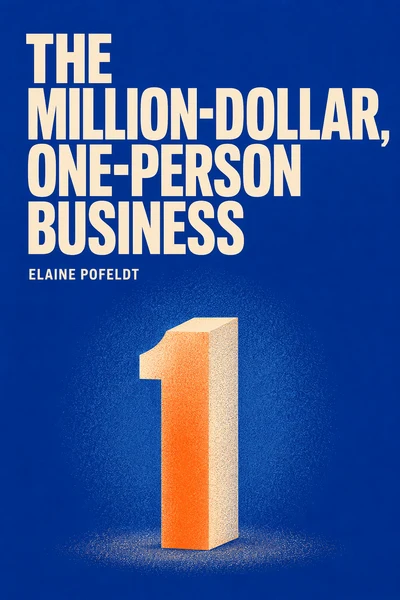
    The Million-Dollar, One-Person Business
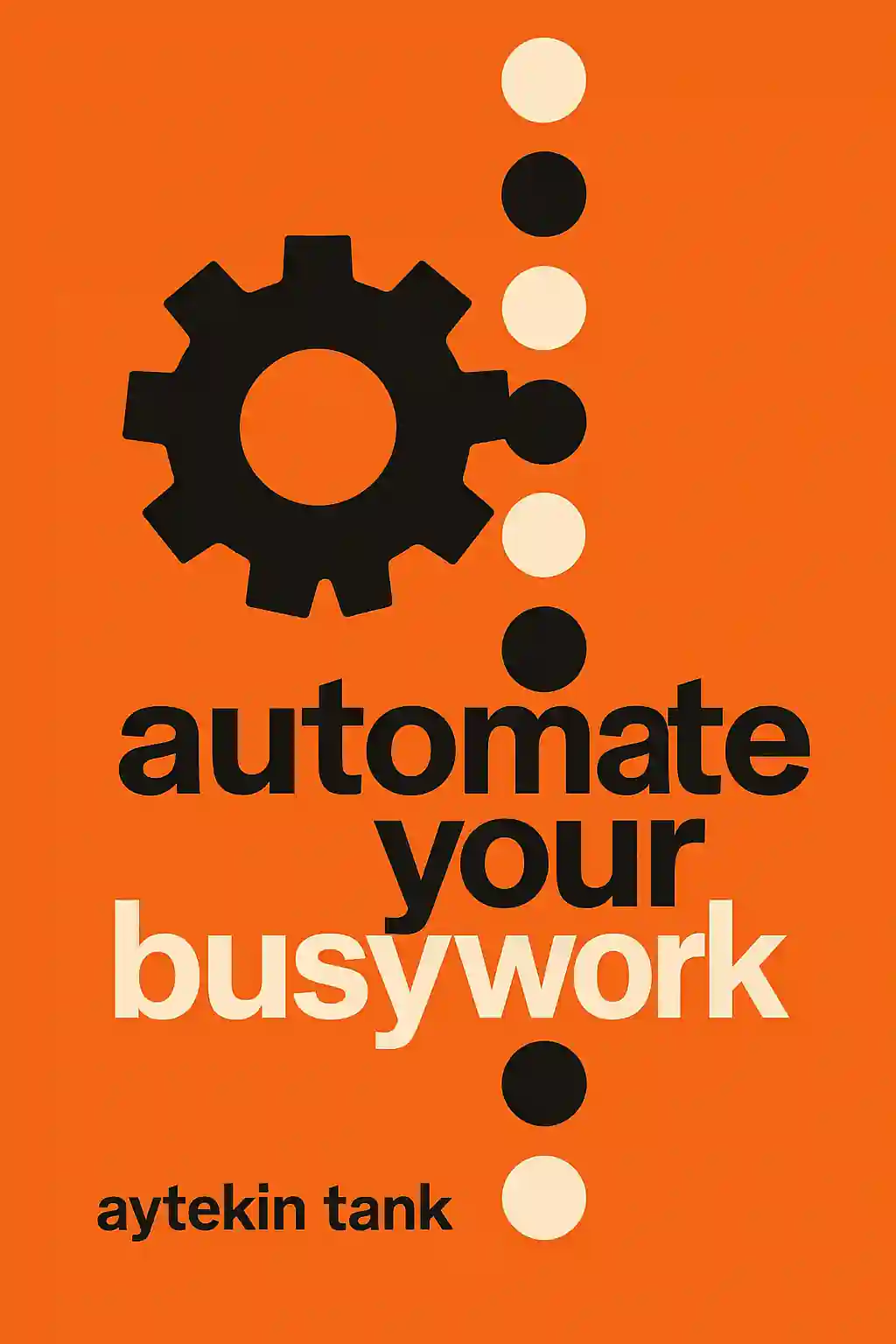
    Automate Your Busywork
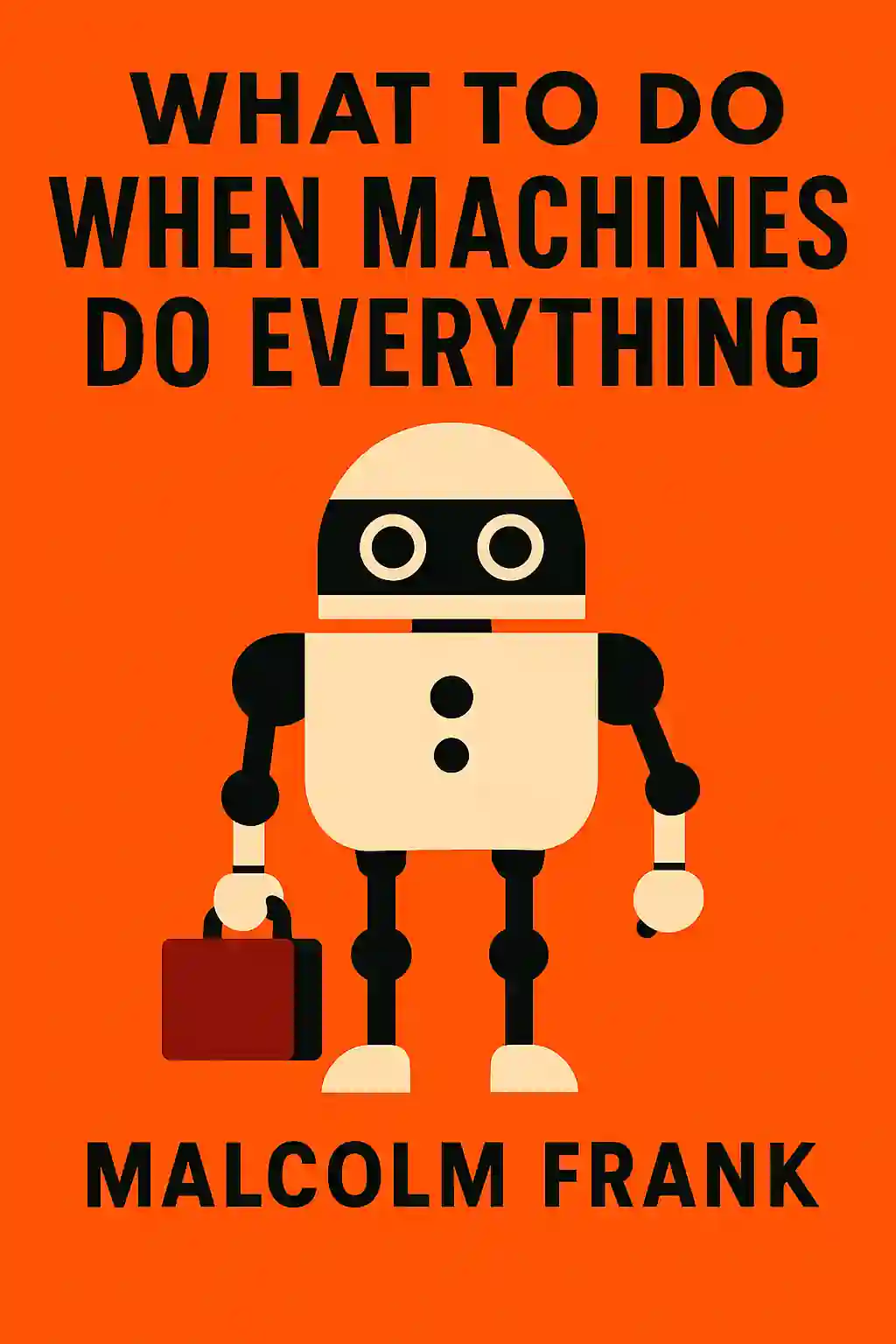
    What To Do When Machines Do Everything
    The Replaceable Founder
    Automating Salesforce Marketing Cloud
    SYSTEMology

    Frequently Asked Questions

    This framework is a way to visualize a digital workforce using functional layers rather than just a collection of apps. The "Senses" layer involves data collection tools like Zapier or Make that act as the eyes and ears of the business by grabbing leads or social media mentions. The "Brain" layer consists of Large Language Models like ChatGPT or Claude that analyze data and make strategic decisions. Finally, the "Hands" layer is the action phase where the work is executed, such as sending personalized emails, generating invoices in Stripe, or creating tasks in Notion.

    To avoid "SaaS fatigue" and unnecessary spending, solopreneurs should follow a "Lean Stack" philosophy. This involves mastering one tool at a time and ensuring it is fully integrated into a workflow before adding another. The script suggests starting with free tiers to prove a tool's return on investment and consolidating functions into single platforms—like using Canva or Soloa AI for multiple design and video needs—to save money and reduce the mental friction of switching between different browser tabs.

    The "Human-in-the-Loop" principle is the practice of using AI to handle the routine 80% of a task while a human provides the final 20% of judgment, empathy, and unique perspective. This is crucial for maintaining authenticity and avoiding the "generic AI" feel in content and sales. For example, while an AI can draft a response to a customer complaint or a high-stakes proposal, the solopreneur should act as the "editor-in-chief" to fine-tune the tone and ensure the final output reflects their personal brand and values.

    The process begins with a two-day audit to track all tasks and identify "energy sinks" that are repetitive and data-heavy. In Week One, you build a "Content Engine" to batch-create social media posts. Week Two focuses on "Communication" by setting up automated schedulers and email templates. Week Three addresses "Operations" through meeting transcriptions and templated documentation. Finally, Week Four targets "Growth" by automating lead research and CRM data entry, effectively hiring one "department" per week to scale revenue capacity without burnout.

    From Columbia University alumni | built in San Francisco

    BeFreed Brings Together A Global Community Of Curious Minds

    4.7

    avg rating

    7.84k+ App Rating

    BeFreed Community

    Seriously I haven’t even explored this app fully yet but from using it the last few days I am so impressed... BeFreed is on a different level from any other learning app I have used. This makes it ultra engaging and can actually improve your concentration which is great for all the doom scrollers!

    @ladyInfinity

    I bought BeFreed exactly 23 days ago, and I have used it every single day since. It has completely embedded itself into my daily workflow and learning habit.

    @jayallen

    The truth is, the app has exceeded all my expectations. I can ask it to generate audio on any topic, whatever it may be, and the result is impressive. My professional field is a specialization in psychotherapy and it is multidisciplinary; however, the answers are very accurate.

    @Raguipa

    What I appreciate most is how much it's reduced my scrolling – I'm spending less time searching and more time absorbing information. The combination of full audiobooks, podcasts, the learning plans are brilliant.

    @colonyofcreatorsNGO

    I have been a PhotoReading Accelerated Learning Instructor for the past 24 years... books and reading and learning are my thing, and BeFreed has done a great job in providing an innovative approach to disseminating and delivering information in an easy to consume way.

    @BeFreed user

    It is not just a book summary app, I have used the 'fun reading' option and it's a much better summary and way to grasp ideas the traditional way, that alone is worth this deal.

    @austinakon

    I love this app. Used it for several days and I cannot stop listening. Such a great way to start.

    @jcrules328

    I really like the program; I have already tested it for around one month, and I feel that it's an amazing gem. It works so well because I can use BeFreed to create my own topics, and the voice is so good with unlimited choice of narrations.

    @DanielCZ

    Seriously I haven’t even explored this app fully yet but from using it the last few days I am so impressed... BeFreed is on a different level from any other learning app I have used. This makes it ultra engaging and can actually improve your concentration which is great for all the doom scrollers!

    @ladyInfinity

    I bought BeFreed exactly 23 days ago, and I have used it every single day since. It has completely embedded itself into my daily workflow and learning habit.

    @jayallen

    The truth is, the app has exceeded all my expectations. I can ask it to generate audio on any topic, whatever it may be, and the result is impressive. My professional field is a specialization in psychotherapy and it is multidisciplinary; however, the answers are very accurate.

    @Raguipa

    What I appreciate most is how much it's reduced my scrolling – I'm spending less time searching and more time absorbing information. The combination of full audiobooks, podcasts, the learning plans are brilliant.

    @colonyofcreatorsNGO

    I have been a PhotoReading Accelerated Learning Instructor for the past 24 years... books and reading and learning are my thing, and BeFreed has done a great job in providing an innovative approach to disseminating and delivering information in an easy to consume way.

    @BeFreed user

    It is not just a book summary app, I have used the 'fun reading' option and it's a much better summary and way to grasp ideas the traditional way, that alone is worth this deal.

    @austinakon

    I love this app. Used it for several days and I cannot stop listening. Such a great way to start.

    @jcrules328

    I really like the program; I have already tested it for around one month, and I feel that it's an amazing gem. It works so well because I can use BeFreed to create my own topics, and the voice is so good with unlimited choice of narrations.

    @DanielCZ

    I love the fact that I can get useful, condensed, information and ideas in a 8 - 15 minute podcast style audio. I'm not a general fan of podcasts because of all the fluff, but this cuts through all that.

    @BeFreed user

    I am finishing up my doctorate, and have to read a lot of unfamiliar material... With BeFreed, you simply enter a prompt, and the app finds source material for you and generates an audio podcast. I find the process in BeFreed to be more streamlined than NotebookLM.

    @Brad

    I often search YouTube for something to listen to whilst making breakfast, when I'm out walking, commuting, etc, and BeFreed has provided an even more targeted approach, without the adverts and the fluff!

    @BeFreed user

    The absolute best part about this platform is its versatility. There is literally no subject that is off-topic. It handles whatever you throw at it... It is rare to find an learning tool with zero limitations that actually delivers on its promises.

    @jayallen

    BeFreed is fantastic. The user-friendly design means I spend less time navigating and more time learning. The mix of audiobooks, podcasts, and learning plans is a genius combo that has completely changed my daily routine.

    @BeFreed user

    At the start I needed a while to understand how to create podcasts in italian language and boom! It is so great! I can ask to explain every argument and it does so well and so smartly!

    @matteo77

    BeFreed has become my daily app for audio books tools... What I like the most is the way you put your text and come with an audio that you can listen on the go.

    @kotanzu1

    I love the fact that I can get useful, condensed, information and ideas in a 8 - 15 minute podcast style audio. I'm not a general fan of podcasts because of all the fluff, but this cuts through all that.

    @BeFreed user

    I am finishing up my doctorate, and have to read a lot of unfamiliar material... With BeFreed, you simply enter a prompt, and the app finds source material for you and generates an audio podcast. I find the process in BeFreed to be more streamlined than NotebookLM.

    @Brad

    I often search YouTube for something to listen to whilst making breakfast, when I'm out walking, commuting, etc, and BeFreed has provided an even more targeted approach, without the adverts and the fluff!

    @BeFreed user

    The absolute best part about this platform is its versatility. There is literally no subject that is off-topic. It handles whatever you throw at it... It is rare to find an learning tool with zero limitations that actually delivers on its promises.

    @jayallen

    BeFreed is fantastic. The user-friendly design means I spend less time navigating and more time learning. The mix of audiobooks, podcasts, and learning plans is a genius combo that has completely changed my daily routine.

    @BeFreed user

    At the start I needed a while to understand how to create podcasts in italian language and boom! It is so great! I can ask to explain every argument and it does so well and so smartly!

    @matteo77

    BeFreed has become my daily app for audio books tools... What I like the most is the way you put your text and come with an audio that you can listen on the go.

    @kotanzu1

    See more on how BeFreed is discussed
    129.7K19.5K
    55.2K19.2K
    154.2K10827355
    48.1K2.5K
    81.2K6.6K
    82.3K1.8K
    Start your learning journey, now
    BeFreed app
    BeFreed

    Learn Anything, Personalized

    DiscordLinkedIn
    Featured book summaries
    Crucial ConversationsThe Perfect MarriageInto the WildNever Split the DifferenceAttachedGood to GreatSay Nothing
    Trending categories
    Self HelpCommunication SkillRelationshipMindfulnessPhilosophyInspirationProductivity
    Celebrities' reading list
    Elon MuskCharlie KirkBill GatesSteve JobsAndrew HubermanJoe RoganJordan Peterson
    Award winning collection
    Pulitzer PrizeNational Book AwardGoodreads Choice AwardsNobel Prize in LiteratureNew York TimesCaldecott MedalNebula Award
    Featured Topics
    ManagementAmerican HistoryWarTradingStoicismAnxietySex
    Best books by Year
    2025 Best Non Fiction Books2024 Best Non Fiction Books2023 Best Non Fiction Books
    Featured authors
    Chimamanda Ngozi AdichieGeorge OrwellO. J. SimpsonBarbara O'NeillWinston ChurchillCharlie Kirk
    BeFreed vs other apps
    BeFreed vs. Other Book Summary AppsBeFreed vs. ElevenReaderBeFreed vs. ReadwiseBeFreed vs. Anki
    Learning tools
    Knowledge VisualizerAI Podcast Generator
    Information
    About Usarrow
    Pricingarrow
    FAQarrow
    Blogarrow
    Careerarrow
    Partnershipsarrow
    Ambassador Programarrow
    Directoryarrow
    BeFreed
    Try now
    © 2026 BeFreed
    Term of UsePrivacy Policy
    BeFreed

    Learn Anything, Personalized

    DiscordLinkedIn
    Featured book summaries
    Crucial ConversationsThe Perfect MarriageInto the WildNever Split the DifferenceAttachedGood to GreatSay Nothing
    Trending categories
    Self HelpCommunication SkillRelationshipMindfulnessPhilosophyInspirationProductivity
    Celebrities' reading list
    Elon MuskCharlie KirkBill GatesSteve JobsAndrew HubermanJoe RoganJordan Peterson
    Award winning collection
    Pulitzer PrizeNational Book AwardGoodreads Choice AwardsNobel Prize in LiteratureNew York TimesCaldecott MedalNebula Award
    Featured Topics
    ManagementAmerican HistoryWarTradingStoicismAnxietySex
    Best books by Year
    2025 Best Non Fiction Books2024 Best Non Fiction Books2023 Best Non Fiction Books
    Learning tools
    Knowledge VisualizerAI Podcast Generator
    Featured authors
    Chimamanda Ngozi AdichieGeorge OrwellO. J. SimpsonBarbara O'NeillWinston ChurchillCharlie Kirk
    BeFreed vs other apps
    BeFreed vs. Other Book Summary AppsBeFreed vs. ElevenReaderBeFreed vs. ReadwiseBeFreed vs. Anki
    Information
    About Usarrow
    Pricingarrow
    FAQarrow
    Blogarrow
    Careerarrow
    Partnershipsarrow
    Ambassador Programarrow
    Directoryarrow
    BeFreed
    Try now
    © 2026 BeFreed
    Term of UsePrivacy Policy

    Part of a Learning Plan

    7 Dan Koe Episodes: One-Person Business Guide
    LEARNING PLAN

    7 Dan Koe Episodes: One-Person Business Guide

    4 h 16 m•4 Episodes
    Claude & Automazioni per Solopreneur Digitali
    LEARNING PLAN

    Claude & Automazioni per Solopreneur Digitali

    5 h 12 m•4 Episodes

    More like this

    One-person AI business: Why you don't need a team book cover
    The Million-Dollar, One-Person BusinessBuilding Your Systems and Scaling Your BusinessThe Replaceable FounderAutomation Advantage
    27 sources
    One-person AI business: Why you don't need a team
    Scaling a solo business is hard when you're just doing tasks faster. Learn how to use AI as a team member to build an autonomous, high-revenue company.
    32 min
    The AI-Powered Small Business book cover
    Marketing Artificial IntelligenceIntroducing Claude for Small Business \ AnthropicSmall Business Suite: All-in-One AI Workspace | ClickUpAI Software for Small Business — Automation Without Hiring | Arahi AI
    8 sources
    The AI-Powered Small Business
    Small business owners are drowning in after-hours admin. Learn how to integrate AI into your daily tools to reclaim your time and scale your operations.
    18 min
    The $50k Solo Business: AI-Native Growth book cover
    How 1-Person Businesses Are Quietly Making $10K–$50K/Month Using AI | PrimalMogul AII Ran a Fully Autonomous AI Business for 90 Days — Real Revenue, Failures, and My 6-Step Playbook (2026)Learn AI for Entrepreneurs: The Solo Founder's 2026 Playbook | FindSkill.ai — Learn AI for Your JobSix-Figure Solo Business With AI Tools: The 2026 Blueprint | Markaicode
    5 sources
    The $50k Solo Business: AI-Native Growth
    Struggling to scale without a massive team? Discover how agentic AI replaces high overhead, allowing solo founders to build high-revenue systems.
    1010 min
    The AI Agent Economy book cover
    5 Ways to Automate Your Side Hustle with AI Agents in 2026 | MarkaicodeHow I Automated My Business With 10 AI Agents — Real Setup & Numbers | Kamel DhakwaniHow This $20 Claude Cowork System Automated an Entire Business and Now Earns $6,000 a Month in 2026 - Wealthy TentHow To Build Your First AI Agent (+Free Workflow Template) – n8n Blog
    6 sources
    The AI Agent Economy
    Struggling to scale your side hustle without burning out? Learn how to move from basic prompting to autonomous agent stacks that handle the heavy lifting.
    25 min
    The AI Wealth Gap: Scaling a Solo Empire book cover
    The Ultimate Guide to Making Money with AI Tools in 2026: Proven Strategies & Income Streams - TechToRevHow 1 Person With AI Can Build A $1 Billion Business In 2026 Using These 4 Proven Steps - Wealthy TentHow to Become a Millionaire With AI in 2026: 7-Step BlueprintHow to Build a $10 Million One-Person AI Business in 2026 Using These 6 Powerful Steps - Wealthy Tent
    6 sources
    The AI Wealth Gap: Scaling a Solo Empire
    High costs no longer limit business growth. Learn how to use the collapse of intelligence costs to build high-margin systems and automate your wealth.
    13 min
    Making AI Work for You, Not Against You book cover
    source 1source 2source 3source 4
    6 sources
    Making AI Work for You, Not Against You
    Discover how to flip the script on AI dominance by understanding business models, designing human-centered partnerships, and maintaining digital sovereignty in an algorithm-driven world.
    8 min
    The AI Powered Service Business book cover
    YouTube video gRcBu8LyfGo
    1 source
    The AI Powered Service Business
    Stop struggling to build the next big app. Learn how to use AI to scale a high-value service business and land your first client in thirty days.
    14 min
    Build AI Business Without Coding Skills book cover
    How Non-Technical Founders Can Build AI Startups Without a CTO I ...How Non-Tech Entrepreneurs Can Create AI Startups - MomenThe ChatGPT MillionaireNon-Technical AI Strategy for Founders: A 5-Step Guide
    6 sources
    Build AI Business Without Coding Skills
    Discover how non-technical founders are creating million-dollar AI companies using no-code tools and APIs. Learn the exact strategies and platforms turning everyday entrepreneurs into AI business owners.
    10 min

    Recommended Learning Plans

    Build a Profitable AI Business from Home
    LEARNING PLAN

    Build a Profitable AI Business from Home

    This learning plan provides a comprehensive roadmap for entrepreneurs looking to capitalize on the artificial intelligence revolution from a remote setting. It bridges the gap between technical AI potential and practical business monetization for those seeking financial independence.

    6 h 1 m•4 Sections
    Deploy Your 24/7 AI Employee
    LEARNING PLAN

    Deploy Your 24/7 AI Employee

    In an era of information overload, leveraging autonomous AI agents is essential for maintaining peak productivity. This plan is ideal for entrepreneurs and tech-savvy professionals looking to automate their daily operations with a secure, self-improving digital employee.

    2 h•5 Sections
    Learn AI agents for personal productivity
    LEARNING PLAN

    Learn AI agents for personal productivity

    As digital workloads increase, manual task management is becoming a bottleneck for high-performers. This plan is designed for professionals and creators who want to leverage autonomous AI agents to reclaim their time and automate complex workflows.

    5 h 14 m•4 Sections
    Automate Your Busywork with AI
    LEARNING PLAN

    Automate Your Busywork with AI

    In an era of information overload, professionals across all industries struggle with repetitive digital tasks that drain productivity. This plan is designed for non-technical leaders and creators who want to leverage no-code AI to reclaim their time and focus on high-impact work.

    1 h 30 m•3 Sections
    Build Your AI Chief of Staff
    LEARNING PLAN

    Build Your AI Chief of Staff

    As information density increases, leaders need more than just a chatbot; they need a system that remembers, acts, and scales. This plan is designed for founders and operators who want to move beyond basic prompting to build a fully integrated, agentic infrastructure.

    1 h 30 m•3 Sections
    Expert in AI, Sales Automation & Partnerships
    LEARNING PLAN

    Expert in AI, Sales Automation & Partnerships

    In an era of rapid digital transformation, the intersection of AI and sales is where modern market leaders are forged. This plan is designed for business leaders and entrepreneurs looking to scale operations through automated systems and high-value strategic alliances.

    5 h 43 m•4 Sections
    Build and Monetize AI Agents
    LEARNING PLAN

    Build and Monetize AI Agents

    As businesses rush to integrate AI, the demand for specialized autonomous agents is skyrocketing. This plan is ideal for developers and entrepreneurs looking to bridge the gap between basic chatbots and profitable AI automation agencies.

    1 h 12 m•3 Sections
    The New AI Monetization Playbook
    LEARNING PLAN

    The New AI Monetization Playbook

    As AI operational costs rise, traditional SaaS business models are becoming obsolete. This plan is essential for product leaders and entrepreneurs who need to align their pricing with the high costs of compute while shifting toward high-value autonomous agents.

    48 m•2 Sections