How to Avoid Rock Bottom: Finding Passion and Overcoming Depression
Learn how to avoid rock bottom in addiction recovery. Discover practical steps for finding passion, overcoming depression, and building self-esteem today.

Best quote from How to Avoid Rock Bottom: Finding Passion and Overcoming Depression
Rock bottom is not a pit; it’s a floor you can finally stand on. It is the turning point where there is genuinely nowhere to go but up, serving as a solid foundation for reclaiming your life.
Generated by Matt
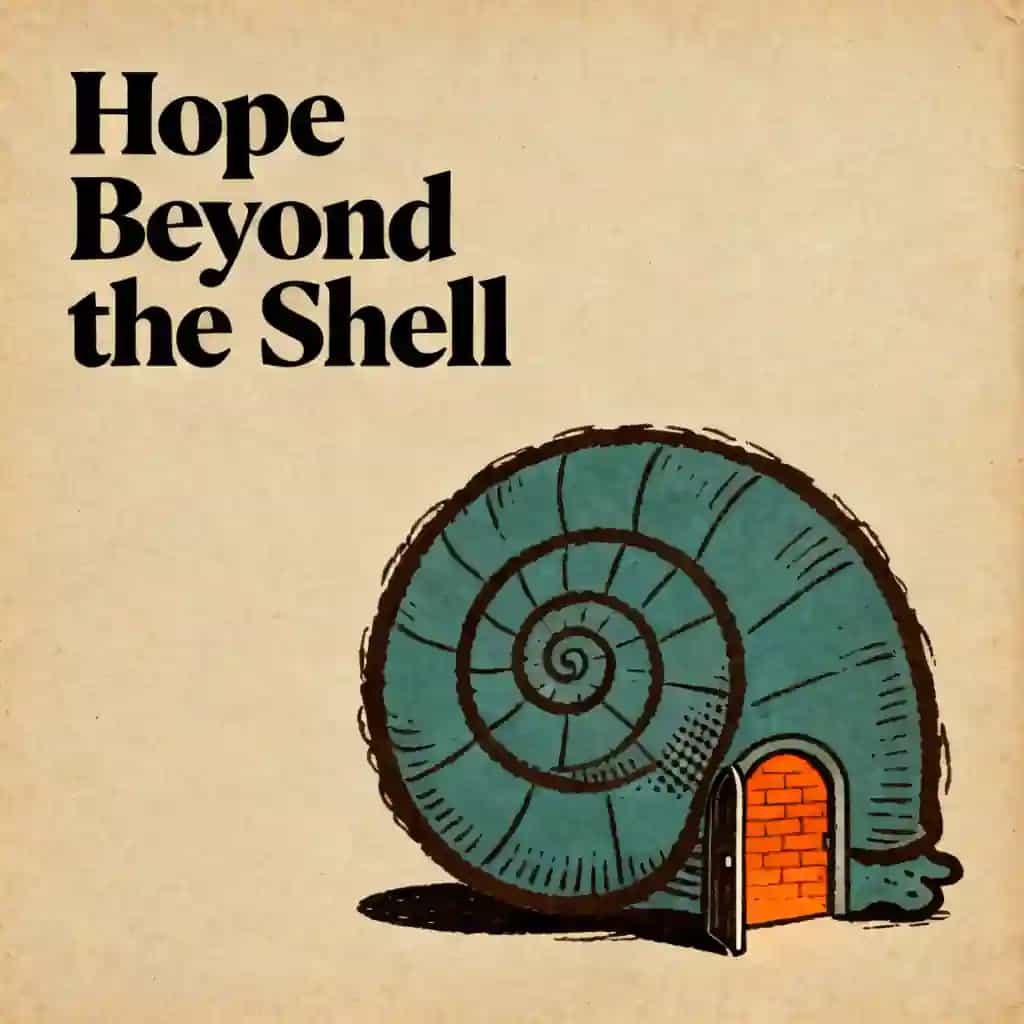
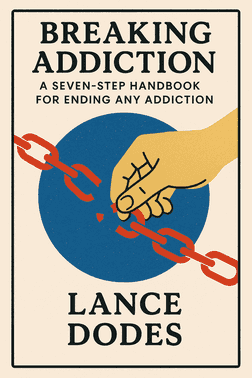
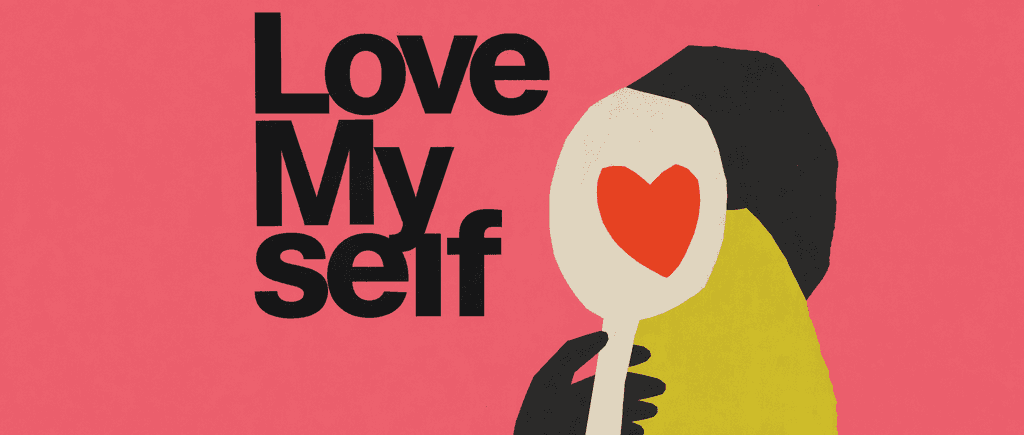
How to not hit rock bottom in addiction, finding passion when lost, depression and low self esteem

Frequently Asked Questions
Avoiding rock bottom involves early intervention and recognizing the signs of decline before a total crisis occurs. By focusing on mental health recovery and seeking support early, individuals can implement coping strategies that stabilize their lives. This proactive approach emphasizes that you do not need to lose everything to start the journey toward healing and personal growth, allowing for a more manageable path to sobriety.
Finding passion while overcoming depression requires small, consistent steps toward self-discovery. Start by exploring low-pressure hobbies or interests that once brought joy, even if they feel distant now. Engaging in personal growth exercises helps reconnect you with your values. Over time, these small actions build momentum, helping to clear the fog of depression and revealing new interests that provide a sense of purpose and direction.
Low self-esteem and depression often act as catalysts for addiction, creating a cycle where individuals use substances to cope with negative self-perception. Addressing these underlying mental health issues is vital for long-term recovery. By building self-worth and treating depressive symptoms, you strengthen your resilience against triggers. This holistic focus ensures that recovery is not just about stopping a behavior, but about fostering a healthy, positive identity.
Yes, personal growth is a cornerstone of sustainable mental health recovery. It involves developing new skills, setting achievable goals, and shifting your mindset away from past failures. As you achieve small wins, your self-esteem improves, which naturally aids in overcoming depression and maintaining addiction recovery. Focusing on continuous improvement provides the structural support needed to stay on track and build a fulfilling life beyond previous struggles.
From Columbia University alumni built in San Francisco
"Instead of endless scrolling, I just hit play on BeFreed. It saves me so much time."


"I never knew where to start with nonfiction—BeFreed’s book lists turned into podcasts gave me a clear path."


"Perfect balance between learning and entertainment. Finished ‘Thinking, Fast and Slow’ on my commute this week."
"Crazy how much I learned while walking the dog. BeFreed = small habits → big gains."
"Reading used to feel like a chore. Now it’s just part of my lifestyle."

"Feels effortless compared to reading. I’ve finished 6 books this month already."
"BeFreed turned my guilty doomscrolling into something that feels productive and inspiring."

"BeFreed turned my commute into learning time. 20-min podcasts are perfect for finishing books I never had time for."
"BeFreed replaced my podcast queue. Imagine Spotify for books — that’s it. 🙌"

"It is great for me to learn something from the book without reading it."
"The themed book list podcasts help me connect ideas across authors—like a guided audio journey."
"Makes me feel smarter every time before going to work"
From Columbia University alumni built in San Francisco
"Instead of endless scrolling, I just hit play on BeFreed. It saves me so much time."
"I never knew where to start with nonfiction—BeFreed’s book lists turned into podcasts gave me a clear path."
"Perfect balance between learning and entertainment. Finished ‘Thinking, Fast and Slow’ on my commute this week."
"Crazy how much I learned while walking the dog. BeFreed = small habits → big gains."
"Reading used to feel like a chore. Now it’s just part of my lifestyle."
"Feels effortless compared to reading. I’ve finished 6 books this month already."
"BeFreed turned my guilty doomscrolling into something that feels productive and inspiring."
"BeFreed turned my commute into learning time. 20-min podcasts are perfect for finishing books I never had time for."
"BeFreed replaced my podcast queue. Imagine Spotify for books — that’s it. 🙌"
"It is great for me to learn something from the book without reading it."
"The themed book list podcasts help me connect ideas across authors—like a guided audio journey."
"Makes me feel smarter every time before going to work"
"Instead of endless scrolling, I just hit play on BeFreed. It saves me so much time."
"I never knew where to start with nonfiction—BeFreed’s book lists turned into podcasts gave me a clear path."
"Perfect balance between learning and entertainment. Finished ‘Thinking, Fast and Slow’ on my commute this week."
"Crazy how much I learned while walking the dog. BeFreed = small habits → big gains."
"Reading used to feel like a chore. Now it’s just part of my lifestyle."
"Feels effortless compared to reading. I’ve finished 6 books this month already."
"BeFreed turned my guilty doomscrolling into something that feels productive and inspiring."
"BeFreed turned my commute into learning time. 20-min podcasts are perfect for finishing books I never had time for."
"BeFreed replaced my podcast queue. Imagine Spotify for books — that’s it. 🙌"
"It is great for me to learn something from the book without reading it."
"The themed book list podcasts help me connect ideas across authors—like a guided audio journey."
"Makes me feel smarter every time before going to work"
"Instead of endless scrolling, I just hit play on BeFreed. It saves me so much time."
"I never knew where to start with nonfiction—BeFreed’s book lists turned into podcasts gave me a clear path."
"Perfect balance between learning and entertainment. Finished ‘Thinking, Fast and Slow’ on my commute this week."
"Crazy how much I learned while walking the dog. BeFreed = small habits → big gains."
"Reading used to feel like a chore. Now it’s just part of my lifestyle."
"Feels effortless compared to reading. I’ve finished 6 books this month already."
"BeFreed turned my guilty doomscrolling into something that feels productive and inspiring."
"BeFreed turned my commute into learning time. 20-min podcasts are perfect for finishing books I never had time for."
"BeFreed replaced my podcast queue. Imagine Spotify for books — that’s it. 🙌"
"It is great for me to learn something from the book without reading it."
"The themed book list podcasts help me connect ideas across authors—like a guided audio journey."
"Makes me feel smarter every time before going to work"