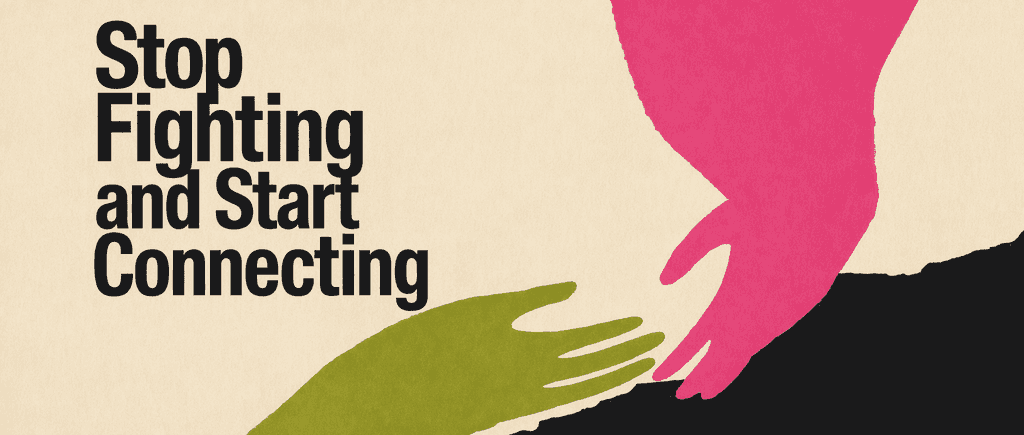
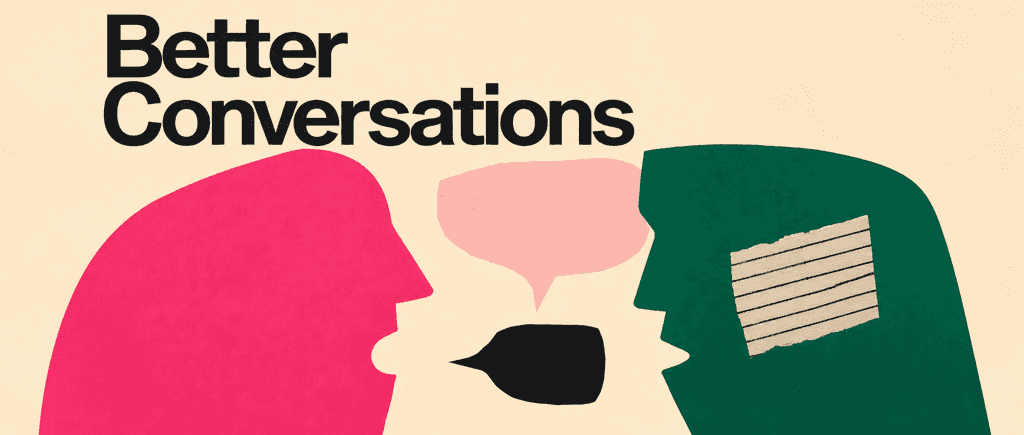
Relational communication: Why winning is actually losing
Arguments often ruin relationships even when you’re right. Learn Jefferson Fisher's system to stay in control and prioritize connection over conflict.

Best quote from Relational communication: Why winning is actually losing
If you’re winning the argument, you’re actually losing the relationship. The goal of communication is not to be right, but to make a conversation safe enough for the next one.
Generated by Vishwanath
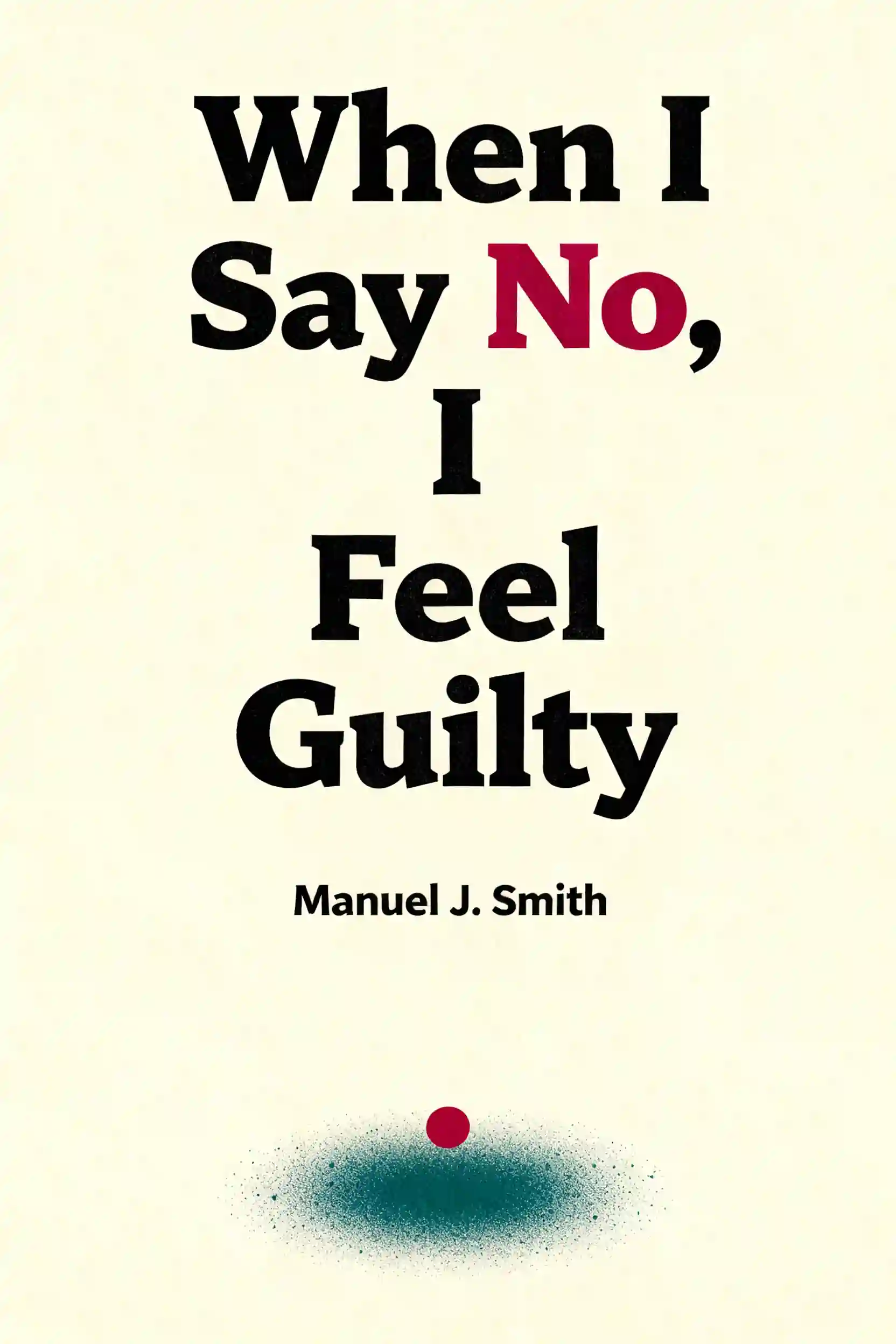
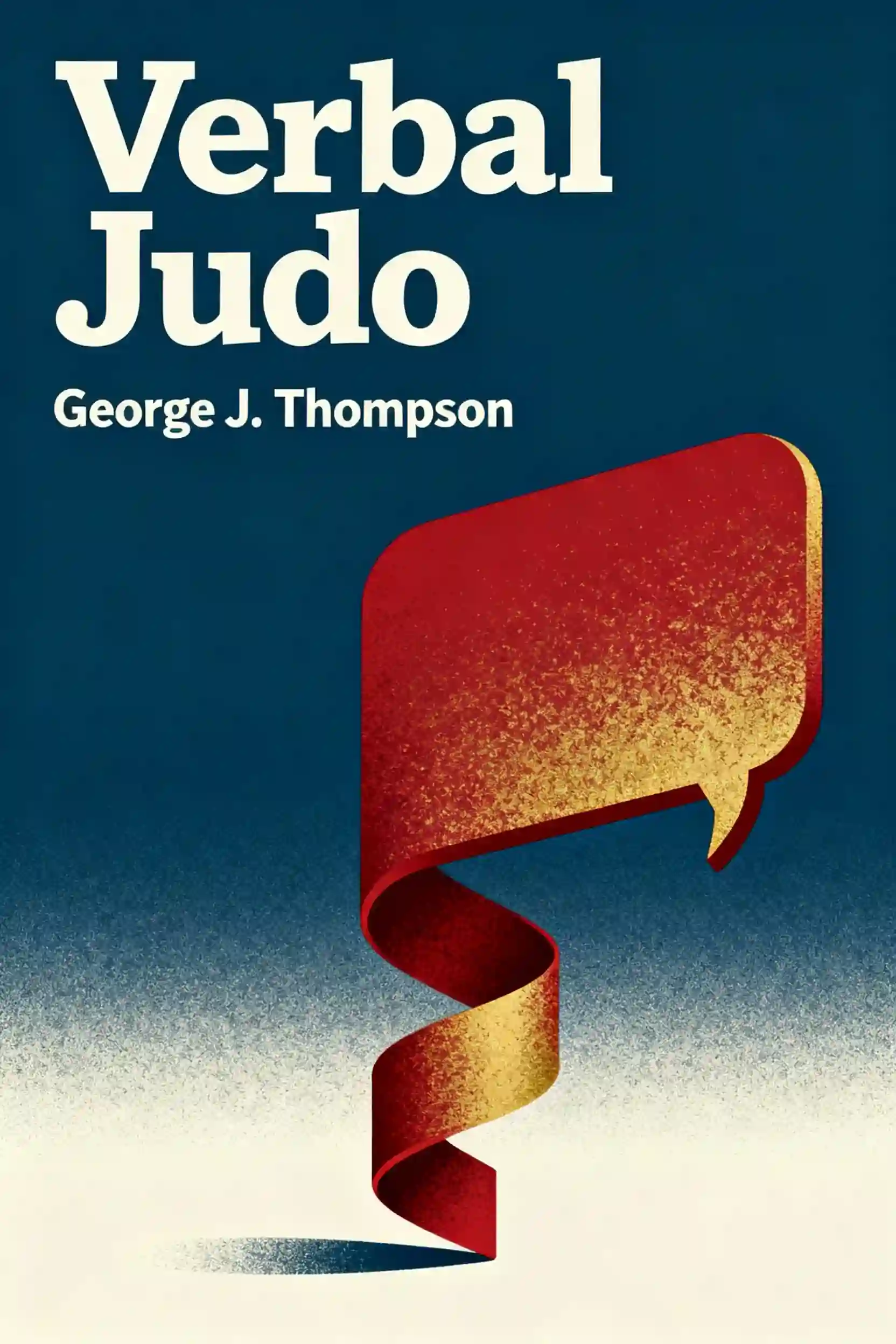
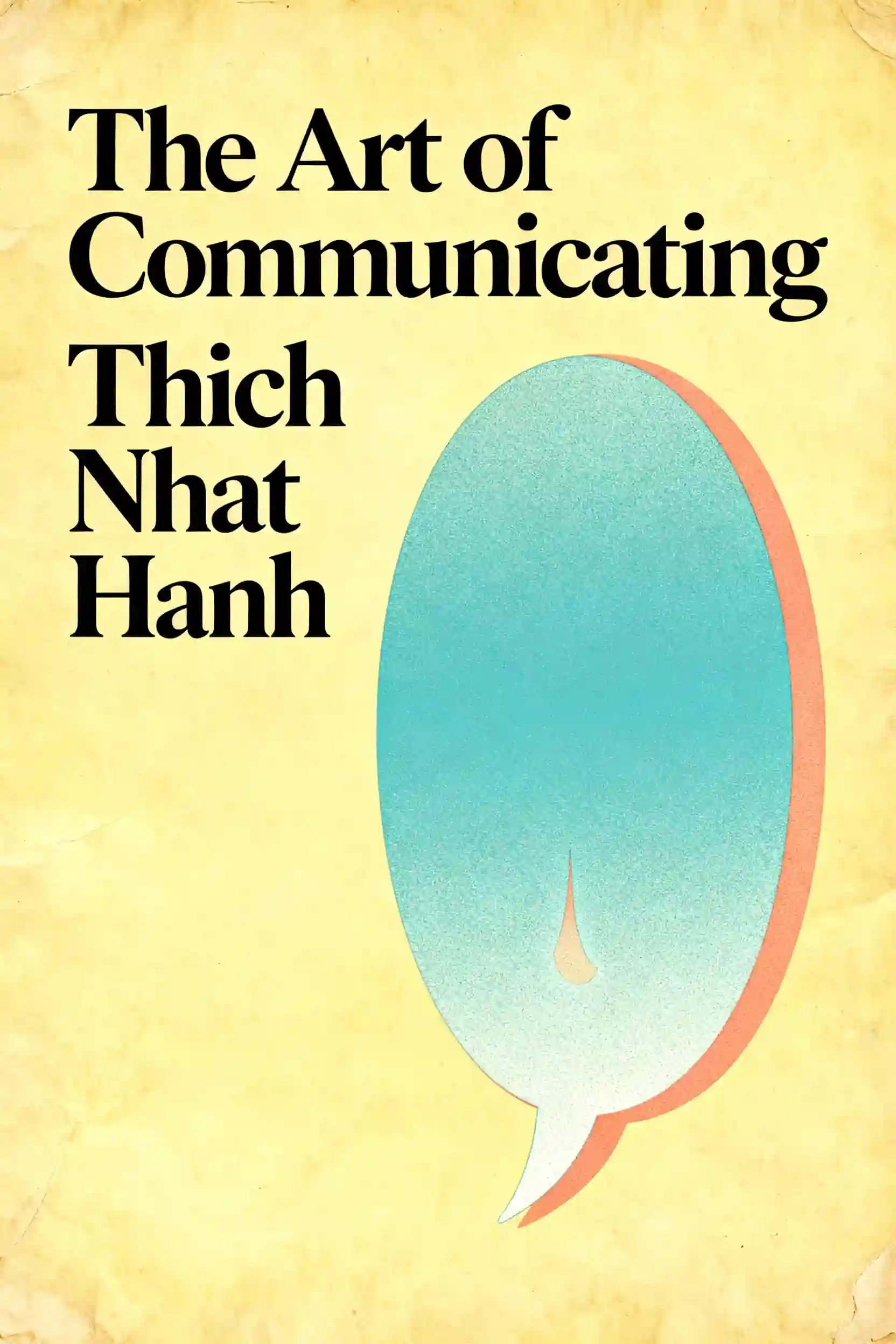
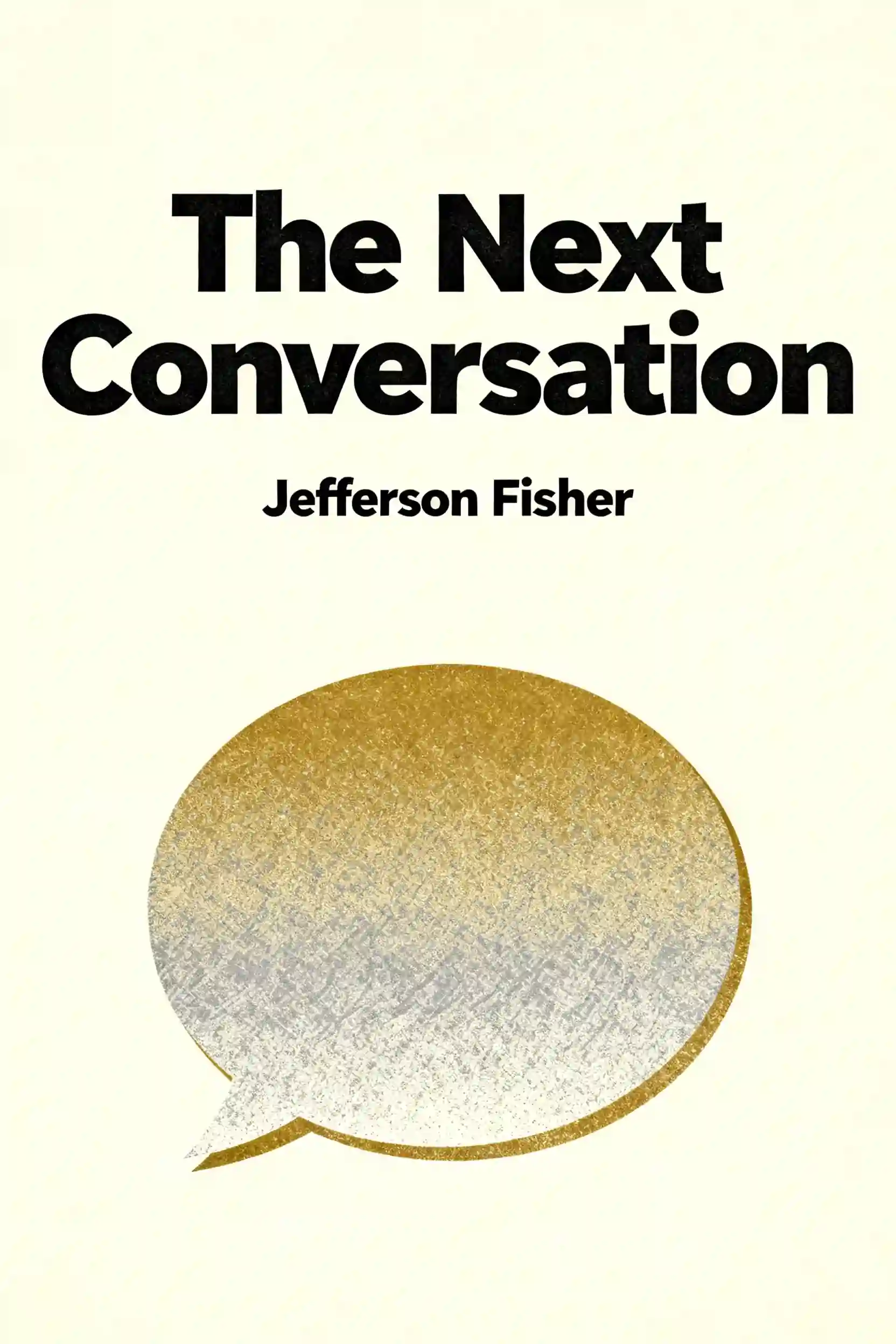
Jefferson fishers teachings on relational communication


Frequently Asked Questions
The "Three Cs" is a system developed by Jefferson Fisher to move away from the goal of winning arguments and toward the goal of preserving relationships. The first level is Control, which involves regulating your own nervous system and emotions before speaking. The second is Confidence, defined as "clarity without hostility," where you speak directly without using weakening qualifiers. The final level is Connection, which prioritizes making the other person feel heard and understood through curiosity and validation, even if you do not agree with their perspective.
To manage the physical surge of adrenaline during a conflict, you can use a "conversational breath" by inhaling for two counts and exhaling for six. This physiological trigger signals the parasympathetic nervous system to calm down. Additionally, taking a two-second pause before responding helps you move out of a "fight or flight" reaction and into your logical brain. Internally labeling your emotions—simply naming the feeling, such as "I am feeling defensive"—can also reduce the intensity of the emotion so it does not drive your behavior.
Confidence in this framework is about being direct and eliminating "qualifiers" like "maybe," "just," or unnecessary apologies that weaken your message. You can use "power phrase transformations," such as replacing "I’m sorry to bother you" with "Could you help me with this?" It is also helpful to use a steady, downward inflection at the end of sentences to avoid "upspeak," which can make statements sound like questions. Finally, "framing" the conversation by stating your topic and goal upfront creates a conversational contract that lowers the other person's defenses.
Rescue phrases are specific tools used to navigate messy or high-conflict interactions. If someone is being condescending, asking them "Could you repeat that statement?" forces them to hear their own tone and often leads them to back down. For interruptions, a graduated response is recommended: let it go the first time, but the second time, calmly state, "I can’t hear you when you interrupt me," and wait for silence. When dealing with difficult people, the best approach is to "go neutral" by sticking to facts and avoiding passive-aggressive commentary to protect your own integrity.
Implicit assumptions are "unwritten rules" or expectations we have in our heads that our partners or colleagues may not know exist, which often leads to resentment when they are "broken." Explicit agreements are reached by sitting down and clearly aligning on roles, expectations, and boundaries. Moving from assumptions to explicit agreements removes the need for mind-reading and provides a foundation to return to when stress hits. These agreements should be revisited regularly as situations, such as new jobs or life changes, evolve.
From Columbia University alumni built in San Francisco
"Instead of endless scrolling, I just hit play on BeFreed. It saves me so much time."


"I never knew where to start with nonfiction—BeFreed’s book lists turned into podcasts gave me a clear path."


"Perfect balance between learning and entertainment. Finished ‘Thinking, Fast and Slow’ on my commute this week."
"Crazy how much I learned while walking the dog. BeFreed = small habits → big gains."
"Reading used to feel like a chore. Now it’s just part of my lifestyle."

"Feels effortless compared to reading. I’ve finished 6 books this month already."
"BeFreed turned my guilty doomscrolling into something that feels productive and inspiring."

"BeFreed turned my commute into learning time. 20-min podcasts are perfect for finishing books I never had time for."
"BeFreed replaced my podcast queue. Imagine Spotify for books — that’s it. 🙌"

"It is great for me to learn something from the book without reading it."
"The themed book list podcasts help me connect ideas across authors—like a guided audio journey."
"Makes me feel smarter every time before going to work"
From Columbia University alumni built in San Francisco
"Instead of endless scrolling, I just hit play on BeFreed. It saves me so much time."
"I never knew where to start with nonfiction—BeFreed’s book lists turned into podcasts gave me a clear path."
"Perfect balance between learning and entertainment. Finished ‘Thinking, Fast and Slow’ on my commute this week."
"Crazy how much I learned while walking the dog. BeFreed = small habits → big gains."
"Reading used to feel like a chore. Now it’s just part of my lifestyle."
"Feels effortless compared to reading. I’ve finished 6 books this month already."
"BeFreed turned my guilty doomscrolling into something that feels productive and inspiring."
"BeFreed turned my commute into learning time. 20-min podcasts are perfect for finishing books I never had time for."
"BeFreed replaced my podcast queue. Imagine Spotify for books — that’s it. 🙌"
"It is great for me to learn something from the book without reading it."
"The themed book list podcasts help me connect ideas across authors—like a guided audio journey."
"Makes me feel smarter every time before going to work"
"Instead of endless scrolling, I just hit play on BeFreed. It saves me so much time."
"I never knew where to start with nonfiction—BeFreed’s book lists turned into podcasts gave me a clear path."
"Perfect balance between learning and entertainment. Finished ‘Thinking, Fast and Slow’ on my commute this week."
"Crazy how much I learned while walking the dog. BeFreed = small habits → big gains."
"Reading used to feel like a chore. Now it’s just part of my lifestyle."
"Feels effortless compared to reading. I’ve finished 6 books this month already."
"BeFreed turned my guilty doomscrolling into something that feels productive and inspiring."
"BeFreed turned my commute into learning time. 20-min podcasts are perfect for finishing books I never had time for."
"BeFreed replaced my podcast queue. Imagine Spotify for books — that’s it. 🙌"
"It is great for me to learn something from the book without reading it."
"The themed book list podcasts help me connect ideas across authors—like a guided audio journey."
"Makes me feel smarter every time before going to work"
"Instead of endless scrolling, I just hit play on BeFreed. It saves me so much time."
"I never knew where to start with nonfiction—BeFreed’s book lists turned into podcasts gave me a clear path."
"Perfect balance between learning and entertainment. Finished ‘Thinking, Fast and Slow’ on my commute this week."
"Crazy how much I learned while walking the dog. BeFreed = small habits → big gains."
"Reading used to feel like a chore. Now it’s just part of my lifestyle."
"Feels effortless compared to reading. I’ve finished 6 books this month already."
"BeFreed turned my guilty doomscrolling into something that feels productive and inspiring."
"BeFreed turned my commute into learning time. 20-min podcasts are perfect for finishing books I never had time for."
"BeFreed replaced my podcast queue. Imagine Spotify for books — that’s it. 🙌"
"It is great for me to learn something from the book without reading it."
"The themed book list podcasts help me connect ideas across authors—like a guided audio journey."
"Makes me feel smarter every time before going to work"