Real Estate Syndications: Own Commercial Property for $25K
Discover how to invest in million-dollar commercial properties with just $25,000 through syndications. Learn to evaluate deals, spot red flags, and achieve 14-19% returns passively.

Best quote from Real Estate Syndications: Own Commercial Property for $25K
The sponsor is everything; you're essentially betting on their ability to execute. I've seen great properties turn into mediocre investments because of poor management, and I've seen average properties deliver excellent returns because the sponsor knew what they were doing.

This audio lesson was created by a BeFreed community member
Commercial real estate investment in a syndication

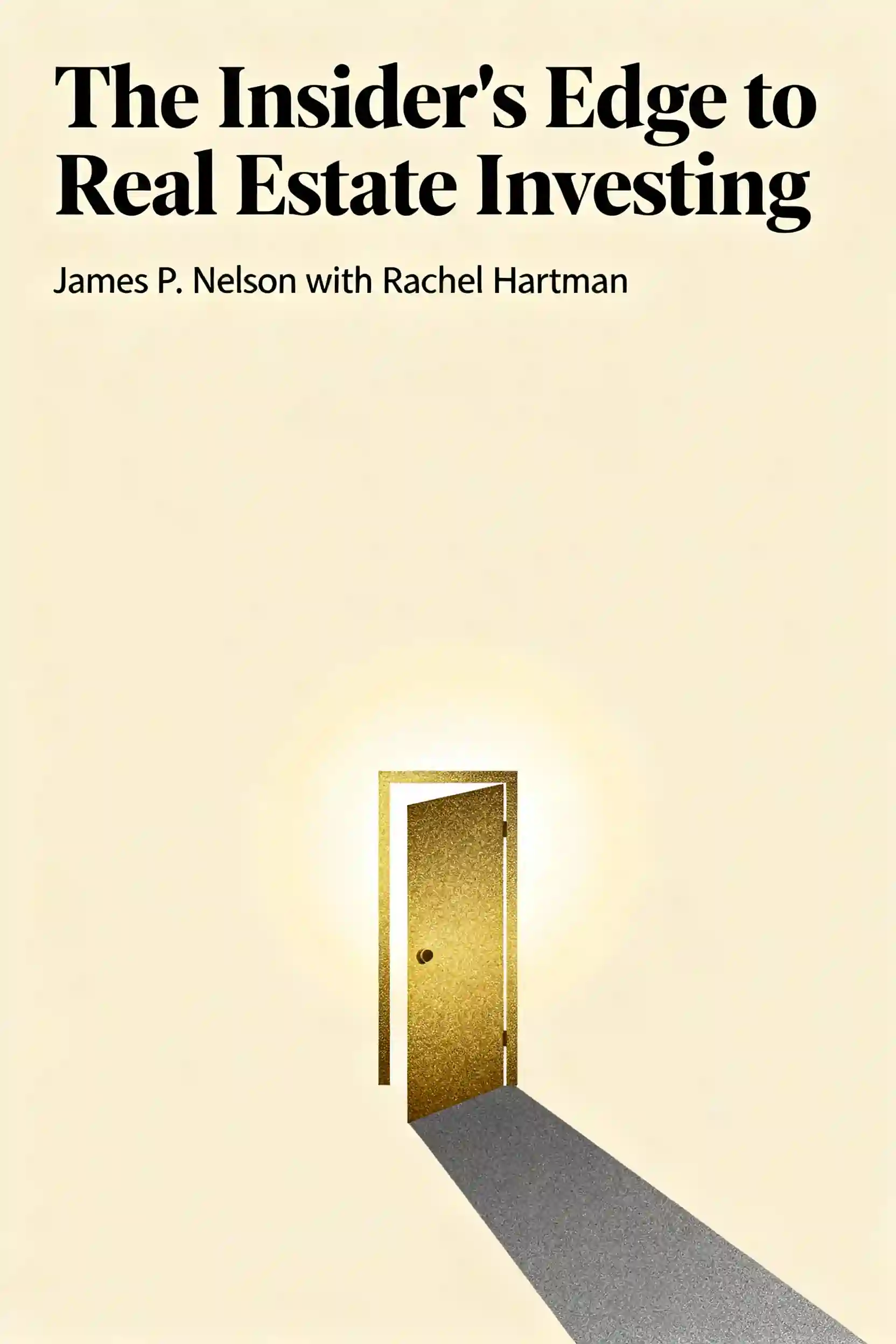
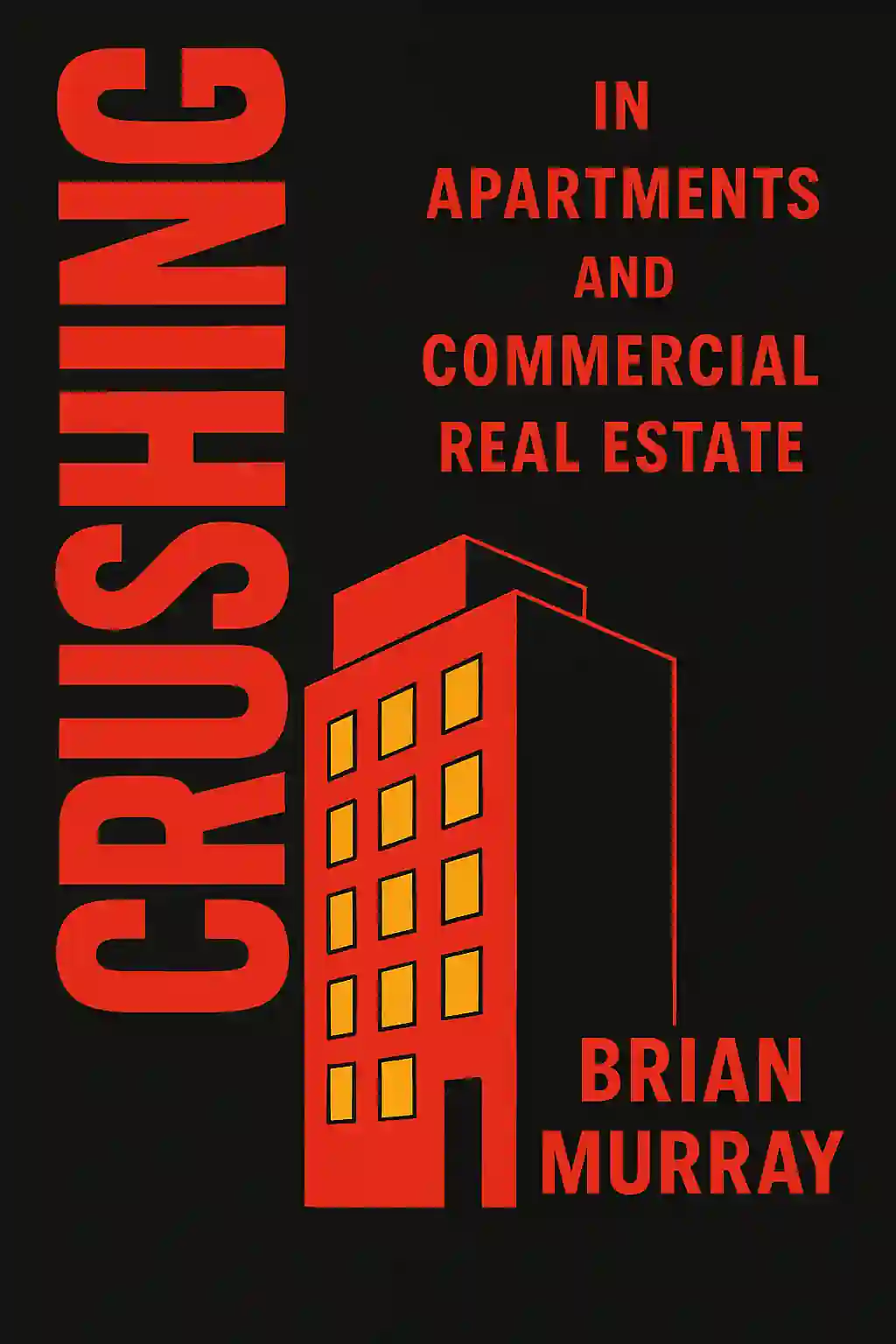
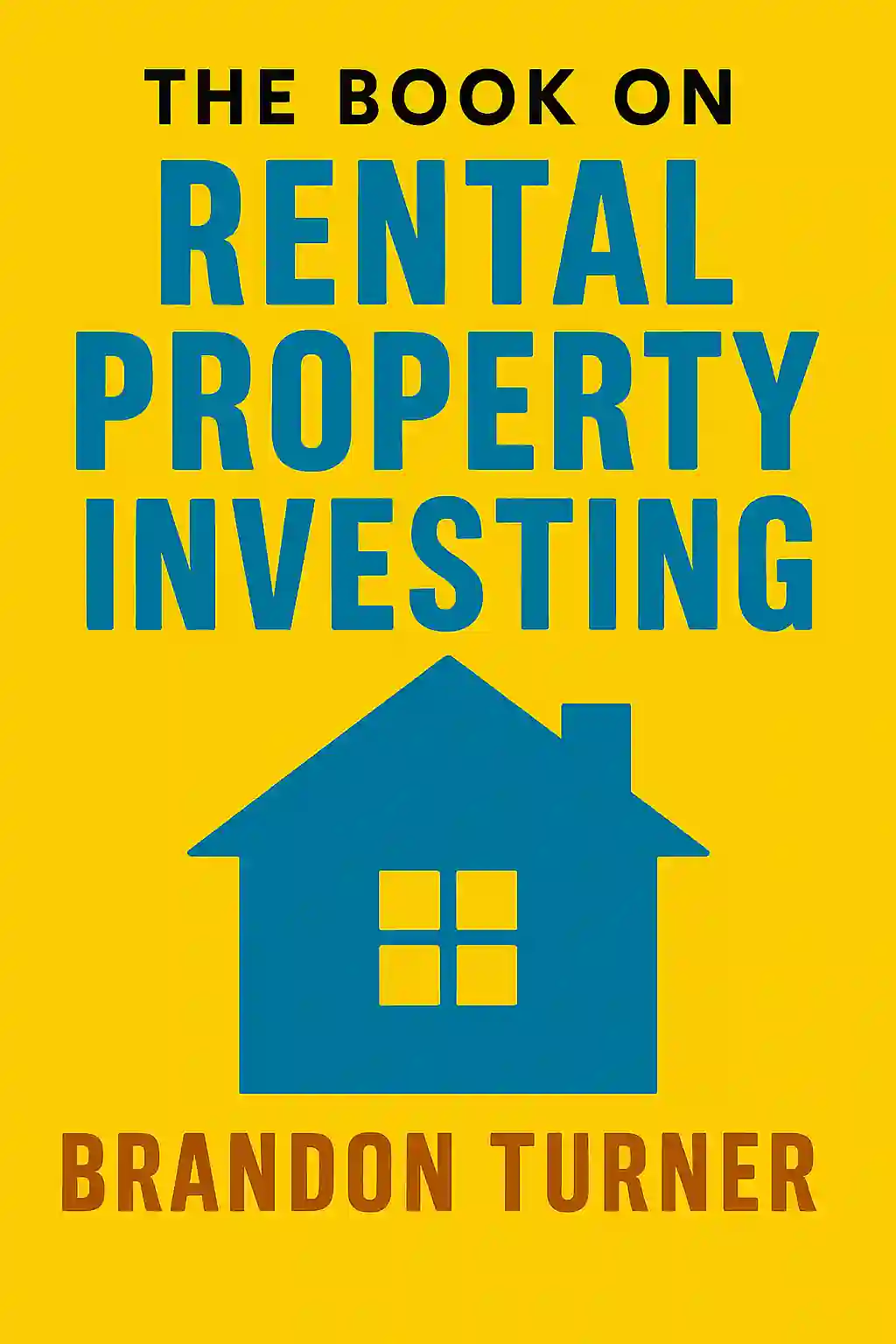
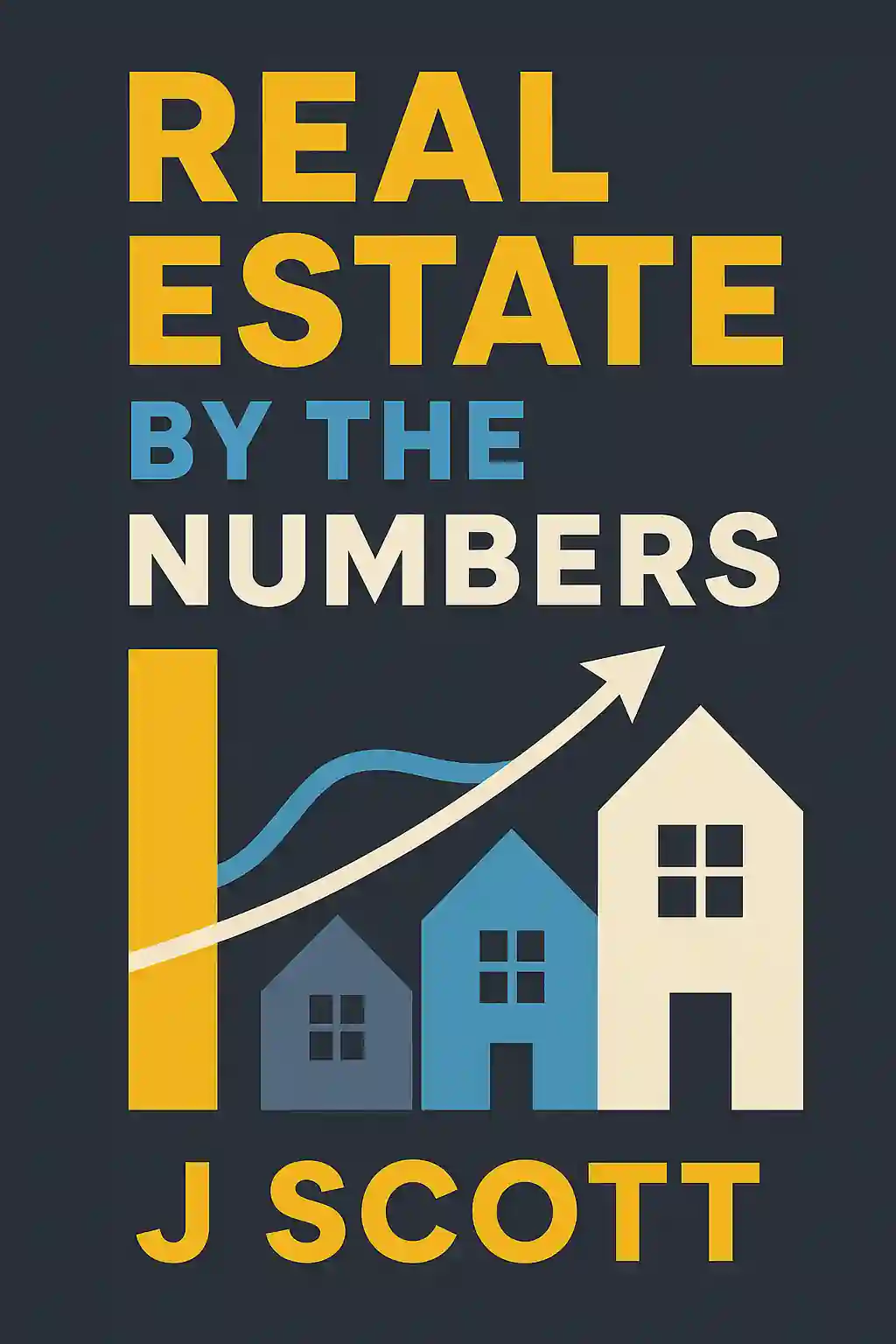
Discover more

Real estate
This plan provides a comprehensive roadmap for transitioning from a novice to a sophisticated real estate entrepreneur. It is ideal for aspiring investors looking to build sustainable wealth through data-driven property strategies and scalable systems.

Your First Cash-Flowing Rental
This plan is designed for aspiring real estate investors who want to move from theory to their first acquisition. It bridges the gap between saving capital and managing a profitable asset, making it ideal for those seeking financial independence through rental income.

R250k to Monthly Cash Flow
This plan is essential for investors looking to transform static savings into active income without the complexity of traditional property management. It is ideal for South Africans seeking a balanced approach to wealth generation through low-risk bonds, dividend stocks, and REITs.

Master multifamily investment sales basics
Multifamily real estate represents one of the most stable and profitable commercial investment sectors, yet requires specialized knowledge to navigate successfully. This learning plan equips real estate professionals, brokers, and aspiring investors with the essential skills to evaluate opportunities, structure deals, and build a thriving multifamily investment sales practice.

Invest & Build Lasting Passive Income
This learning plan is essential for individuals seeking financial independence through diversified revenue streams rather than a single paycheck. It provides a comprehensive roadmap for professionals and aspiring investors to master stock market, real estate, and digital business fundamentals.
Build passive income for financial freedom.
This learning plan is essential for individuals seeking to break the cycle of trading time for money. It provides a comprehensive roadmap for anyone from beginners to mid-career professionals looking to diversify their income through market, real estate, and digital channels.

Automate property management
Property managers and real estate investors often struggle with time-consuming manual tasks that limit growth and profitability. This learning plan is designed for landlords, property managers, and real estate entrepreneurs who want to reduce operational overhead, improve tenant satisfaction, and scale their portfolio without proportionally increasing their workload.

The Student Housing Entrepreneur
This learning plan is designed for ambitious students looking to disrupt the traditional housing market by integrating education and real estate. It provides a blueprint for building a micro-school business while mastering the high-performance habits required to succeed as a dual-identity entrepreneur.
From Columbia University alumni built in San Francisco
"Instead of endless scrolling, I just hit play on BeFreed. It saves me so much time."


"I never knew where to start with nonfiction—BeFreed’s book lists turned into podcasts gave me a clear path."


"Perfect balance between learning and entertainment. Finished ‘Thinking, Fast and Slow’ on my commute this week."
"Crazy how much I learned while walking the dog. BeFreed = small habits → big gains."
"Reading used to feel like a chore. Now it’s just part of my lifestyle."

"Feels effortless compared to reading. I’ve finished 6 books this month already."
"BeFreed turned my guilty doomscrolling into something that feels productive and inspiring."

"BeFreed turned my commute into learning time. 20-min podcasts are perfect for finishing books I never had time for."
"BeFreed replaced my podcast queue. Imagine Spotify for books — that’s it. 🙌"

"It is great for me to learn something from the book without reading it."
"The themed book list podcasts help me connect ideas across authors—like a guided audio journey."
"Makes me feel smarter every time before going to work"
From Columbia University alumni built in San Francisco
"Instead of endless scrolling, I just hit play on BeFreed. It saves me so much time."
"I never knew where to start with nonfiction—BeFreed’s book lists turned into podcasts gave me a clear path."
"Perfect balance between learning and entertainment. Finished ‘Thinking, Fast and Slow’ on my commute this week."
"Crazy how much I learned while walking the dog. BeFreed = small habits → big gains."
"Reading used to feel like a chore. Now it’s just part of my lifestyle."
"Feels effortless compared to reading. I’ve finished 6 books this month already."
"BeFreed turned my guilty doomscrolling into something that feels productive and inspiring."
"BeFreed turned my commute into learning time. 20-min podcasts are perfect for finishing books I never had time for."
"BeFreed replaced my podcast queue. Imagine Spotify for books — that’s it. 🙌"
"It is great for me to learn something from the book without reading it."
"The themed book list podcasts help me connect ideas across authors—like a guided audio journey."
"Makes me feel smarter every time before going to work"
"Instead of endless scrolling, I just hit play on BeFreed. It saves me so much time."
"I never knew where to start with nonfiction—BeFreed’s book lists turned into podcasts gave me a clear path."
"Perfect balance between learning and entertainment. Finished ‘Thinking, Fast and Slow’ on my commute this week."
"Crazy how much I learned while walking the dog. BeFreed = small habits → big gains."
"Reading used to feel like a chore. Now it’s just part of my lifestyle."
"Feels effortless compared to reading. I’ve finished 6 books this month already."
"BeFreed turned my guilty doomscrolling into something that feels productive and inspiring."
"BeFreed turned my commute into learning time. 20-min podcasts are perfect for finishing books I never had time for."
"BeFreed replaced my podcast queue. Imagine Spotify for books — that’s it. 🙌"
"It is great for me to learn something from the book without reading it."
"The themed book list podcasts help me connect ideas across authors—like a guided audio journey."
"Makes me feel smarter every time before going to work"
"Instead of endless scrolling, I just hit play on BeFreed. It saves me so much time."
"I never knew where to start with nonfiction—BeFreed’s book lists turned into podcasts gave me a clear path."
"Perfect balance between learning and entertainment. Finished ‘Thinking, Fast and Slow’ on my commute this week."
"Crazy how much I learned while walking the dog. BeFreed = small habits → big gains."
"Reading used to feel like a chore. Now it’s just part of my lifestyle."
"Feels effortless compared to reading. I’ve finished 6 books this month already."
"BeFreed turned my guilty doomscrolling into something that feels productive and inspiring."
"BeFreed turned my commute into learning time. 20-min podcasts are perfect for finishing books I never had time for."
"BeFreed replaced my podcast queue. Imagine Spotify for books — that’s it. 🙌"
"It is great for me to learn something from the book without reading it."
"The themed book list podcasts help me connect ideas across authors—like a guided audio journey."
"Makes me feel smarter every time before going to work"