Pyramid mysteries and the secrets of ancient Sudan
Why does Sudan have more pyramids than Egypt? Explore the engineering secrets and hidden voids of these ancient giants to rethink human history.

Best quote from Pyramid mysteries and the secrets of ancient Sudan
The pyramids aren't just ruins; they’re active puzzles that challenge us to think bigger, work together, and realize that 'impossible' is just a math problem we haven't solved yet.
Generated by Евгений Троцковец
The host welcomes listeners to the Real English channel. A mysterious podcast about the mysteries of pyramids around the world.



Frequently Asked Questions
The cedar wood fragment found in the Queen's Chamber creates what researchers call the "Five-Hundred-Year Problem." Carbon dating reveals the wood dates back to between 3341 and 3060 B.C., which is roughly 500 years older than the Pharaoh Khufu, for whom the Great Pyramid was supposedly built. This discrepancy leads to intense debate over whether the Egyptians used ancient recycled wood or if the pyramids themselves were constructed much earlier than the standard historical timeline suggests.
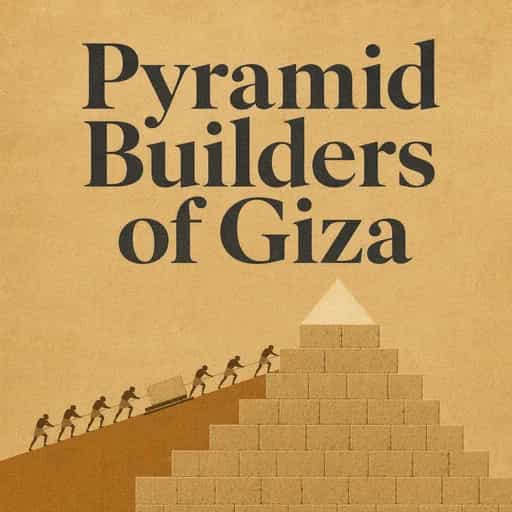
For centuries, it was unclear how the Egyptians transported millions of heavy stone blocks across miles of desert. In 2024, satellite imaging identified the "Ahramat Branch," a now-vanished 64-kilometer-long branch of the Nile that once flowed directly past 31 pyramid sites. This discovery suggests that the Nile acted as a "buried highway," allowing builders to float massive stones on barges directly to the foot of the construction sites rather than dragging them across open sand.
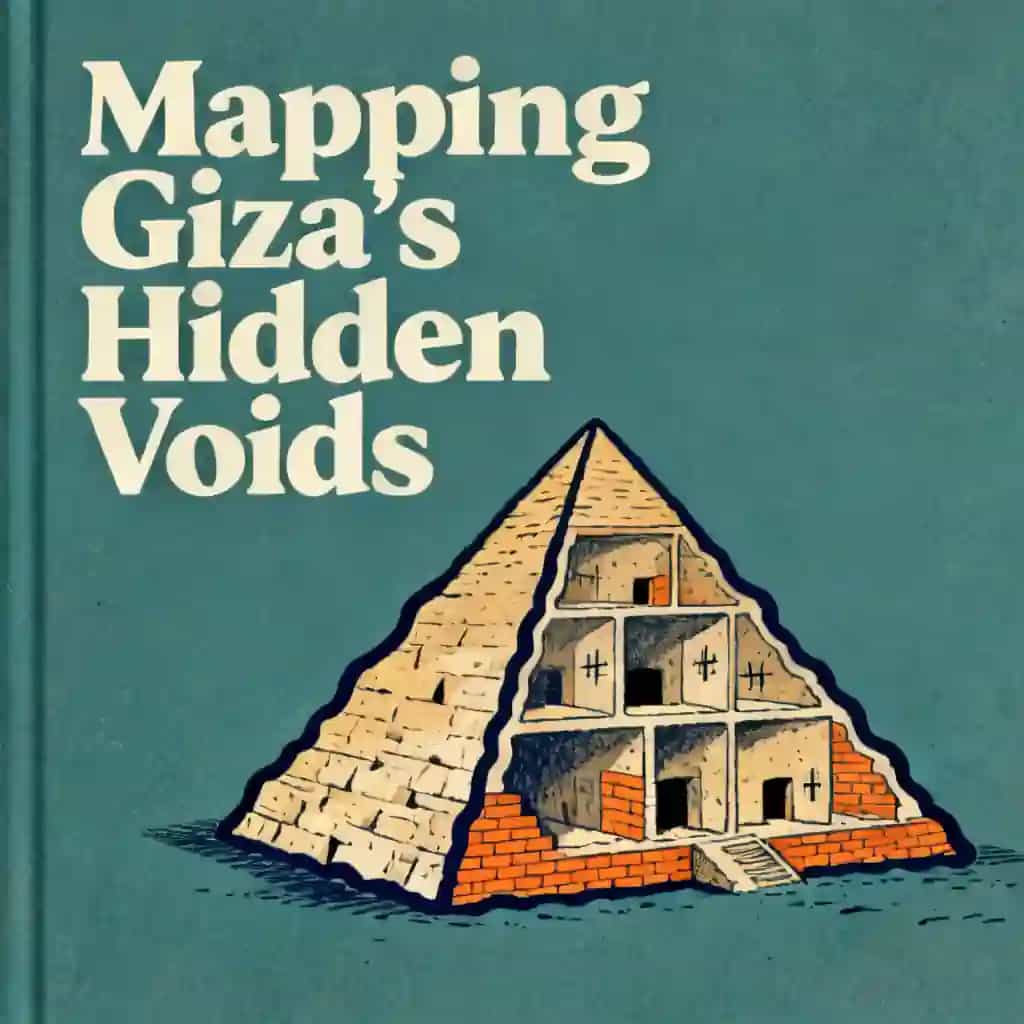
Muon tomography is a technique that uses subatomic particles from the upper atmosphere to "X-ray" dense structures. Because these particles are absorbed by stone but pass through empty space, scientists can map the interior of the pyramids without moving any blocks. This technology led to the 2017 discovery of the "Big Void," a thirty-meter-long hidden space above the Grand Gallery, as well as a more recently confirmed corridor above the main entrance.
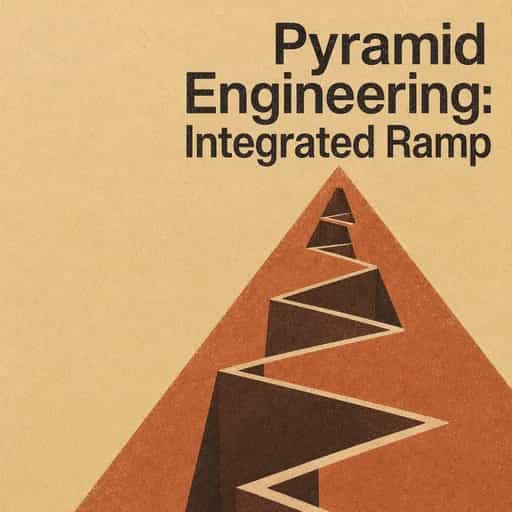
While traditional theories suggest massive external ramps, newer engineering studies propose more mechanical solutions. One theory suggests the Grand Gallery functioned as a sliding ramp for heavy counterweights, essentially acting as a giant internal elevator. Another theory, the "hydraulic lift" hypothesis, suggests the Egyptians used their mastery of water pressure to float stones up through internal shafts using floats, treating the pyramid as a functional machine powered by gravity and water.
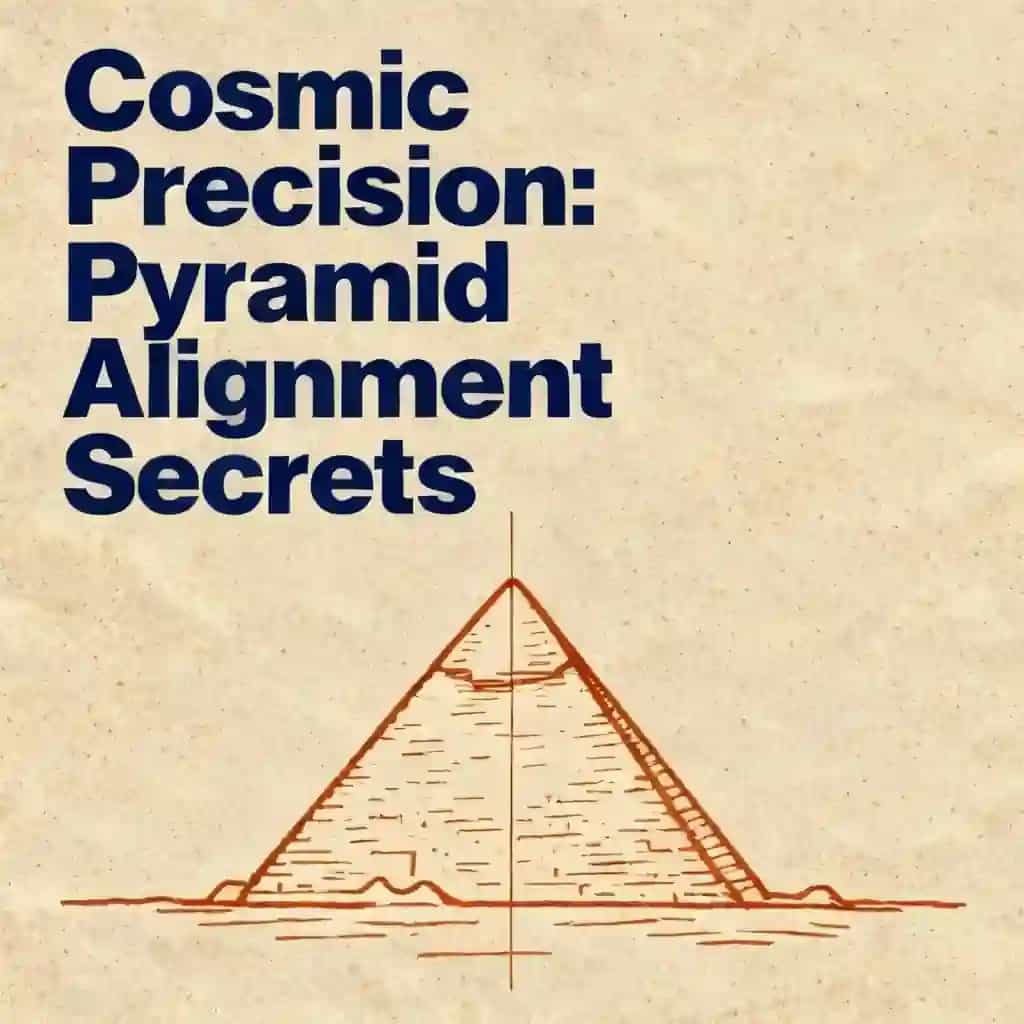
The King’s Chamber is unique because it is made of massive granite blocks and contains a sarcophagus that is too large to fit through the door, meaning it was placed during construction. Curiously, no mummy or treasure was ever found inside. This has led to theories that the room was designed for its acoustic properties—where humming at specific frequencies causes the granite to vibrate—or that it served as a symbolic "launchpad" aligned with specific stars to help the pharaoh’s soul reach the afterlife.
From Columbia University alumni built in San Francisco
BeFreed Brings Together A Global Community Of Curious Minds


"Instead of endless scrolling, I just hit play on BeFreed. It saves me so much time."


"I never knew where to start with nonfiction—BeFreed’s book lists turned into podcasts gave me a clear path."


"Perfect balance between learning and entertainment. Finished ‘Thinking, Fast and Slow’ on my commute this week."
"Crazy how much I learned while walking the dog. BeFreed = small habits → big gains."
"Reading used to feel like a chore. Now it’s just part of my lifestyle."

"Feels effortless compared to reading. I’ve finished 6 books this month already."
"BeFreed turned my guilty doomscrolling into something that feels productive and inspiring."

"BeFreed turned my commute into learning time. 20-min podcasts are perfect for finishing books I never had time for."
"BeFreed replaced my podcast queue. Imagine Spotify for books — that’s it. 🙌"

"It is great for me to learn something from the book without reading it."
"The themed book list podcasts help me connect ideas across authors—like a guided audio journey."
"Makes me feel smarter every time before going to work"
From Columbia University alumni built in San Francisco
BeFreed Brings Together A Global Community Of Curious Minds
"Instead of endless scrolling, I just hit play on BeFreed. It saves me so much time."
"I never knew where to start with nonfiction—BeFreed’s book lists turned into podcasts gave me a clear path."
"Perfect balance between learning and entertainment. Finished ‘Thinking, Fast and Slow’ on my commute this week."
"Crazy how much I learned while walking the dog. BeFreed = small habits → big gains."
"Reading used to feel like a chore. Now it’s just part of my lifestyle."
"Feels effortless compared to reading. I’ve finished 6 books this month already."
"BeFreed turned my guilty doomscrolling into something that feels productive and inspiring."
"BeFreed turned my commute into learning time. 20-min podcasts are perfect for finishing books I never had time for."
"BeFreed replaced my podcast queue. Imagine Spotify for books — that’s it. 🙌"
"It is great for me to learn something from the book without reading it."
"The themed book list podcasts help me connect ideas across authors—like a guided audio journey."
"Makes me feel smarter every time before going to work"
"Instead of endless scrolling, I just hit play on BeFreed. It saves me so much time."
"I never knew where to start with nonfiction—BeFreed’s book lists turned into podcasts gave me a clear path."
"Perfect balance between learning and entertainment. Finished ‘Thinking, Fast and Slow’ on my commute this week."
"Crazy how much I learned while walking the dog. BeFreed = small habits → big gains."
"Reading used to feel like a chore. Now it’s just part of my lifestyle."
"Feels effortless compared to reading. I’ve finished 6 books this month already."
"BeFreed turned my guilty doomscrolling into something that feels productive and inspiring."
"BeFreed turned my commute into learning time. 20-min podcasts are perfect for finishing books I never had time for."
"BeFreed replaced my podcast queue. Imagine Spotify for books — that’s it. 🙌"
"It is great for me to learn something from the book without reading it."
"The themed book list podcasts help me connect ideas across authors—like a guided audio journey."
"Makes me feel smarter every time before going to work"
"Instead of endless scrolling, I just hit play on BeFreed. It saves me so much time."
"I never knew where to start with nonfiction—BeFreed’s book lists turned into podcasts gave me a clear path."
"Perfect balance between learning and entertainment. Finished ‘Thinking, Fast and Slow’ on my commute this week."
"Crazy how much I learned while walking the dog. BeFreed = small habits → big gains."
"Reading used to feel like a chore. Now it’s just part of my lifestyle."
"Feels effortless compared to reading. I’ve finished 6 books this month already."
"BeFreed turned my guilty doomscrolling into something that feels productive and inspiring."
"BeFreed turned my commute into learning time. 20-min podcasts are perfect for finishing books I never had time for."
"BeFreed replaced my podcast queue. Imagine Spotify for books — that’s it. 🙌"
"It is great for me to learn something from the book without reading it."
"The themed book list podcasts help me connect ideas across authors—like a guided audio journey."
"Makes me feel smarter every time before going to work"