Public speaking for students: Handling impromptu topics
Struggling with the fear of being put on the spot? Learn how to use the PREP framework and vocal mechanics to deliver confident, high-performance reports.

Best quote from Public speaking for students: Handling impromptu topics
High-performance reporting isn't about being a robot; it’s about being a human who can handle the bumps in the road with grace. Structure gives you that composure because it hides the 'messy' thinking happening behind the scenes.
Generated by Freedee_654213F3
I want to learn how to report infront in class when given a topic, like a high performance person, and capability to do impromptu

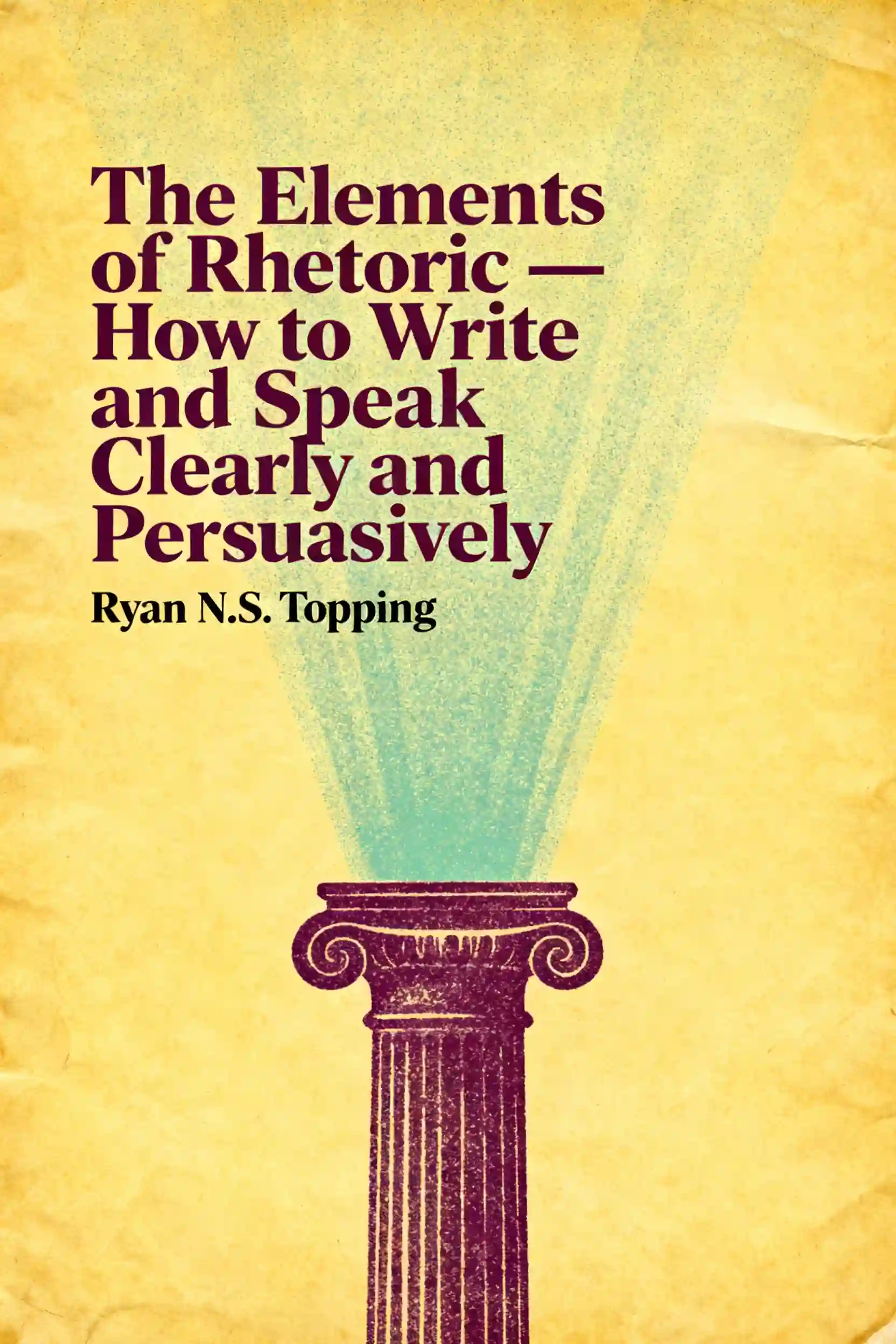
Frequently Asked Questions
These frameworks act as mental blueprints that provide an immediate structure for your thoughts, preventing your mind from going blank under pressure. PREP stands for Point, Reason, Example, and Point; it is ideal for making an authoritative argument by starting with a headline, explaining the "why," providing evidence, and circling back to the original point. The Past-Present-Future framework is better suited for status reports or updates, allowing you to explain where a project started, where it stands now, and what the next steps are. By using these "buckets," a speaker can focus on their content without having to invent a structure on the fly.
The Assertion-Evidence approach is a high-performance alternative to traditional bulleted slides that can increase audience retention by sixty-five percent. Instead of using generic titles like "Results," the speaker writes a full sentence at the top of the slide that makes a specific claim or conclusion, such as "Mobile users now account for over seventy percent of total traffic." This "Assertion" is then supported by a visual, like a graph or photo, which serves as the "Evidence." This method forces the presenter to have a clear point and prevents them from simply reading text off the screen.
To manage the physiological symptoms of anxiety, speakers can use tactical breathing, such as the 4-7-8 technique, or "grounding" by noticing physical sensations in the room to stay present. To eliminate filler words like "um" and "uh," the script recommends replacing them with deliberate pauses, which makes the speaker appear more thoughtful and authoritative. Additionally, practicing out loud three to five times can reduce anxiety by forty percent, while performing "one-minute drills" on random topics helps build the muscle memory needed to handle silence and maintain a steady pace.
A high-performance reporter should never try to bluff or "panic-answer" a question, as this can damage their credibility. Instead, they should have the confidence to admit they haven't explored that specific angle yet and offer to follow up later. To buy time to think, a speaker can use the "Clarification Move" by asking the person to repeat the question or by paraphrasing it back to them. Another useful tool is the "Bridging Technique," where the speaker acknowledges a difficult question but pivots the conversation back to a related area of their own expertise.
From Columbia University alumni built in San Francisco
"Instead of endless scrolling, I just hit play on BeFreed. It saves me so much time."


"I never knew where to start with nonfiction—BeFreed’s book lists turned into podcasts gave me a clear path."


"Perfect balance between learning and entertainment. Finished ‘Thinking, Fast and Slow’ on my commute this week."
"Crazy how much I learned while walking the dog. BeFreed = small habits → big gains."
"Reading used to feel like a chore. Now it’s just part of my lifestyle."

"Feels effortless compared to reading. I’ve finished 6 books this month already."
"BeFreed turned my guilty doomscrolling into something that feels productive and inspiring."

"BeFreed turned my commute into learning time. 20-min podcasts are perfect for finishing books I never had time for."
"BeFreed replaced my podcast queue. Imagine Spotify for books — that’s it. 🙌"

"It is great for me to learn something from the book without reading it."
"The themed book list podcasts help me connect ideas across authors—like a guided audio journey."
"Makes me feel smarter every time before going to work"
From Columbia University alumni built in San Francisco
"Instead of endless scrolling, I just hit play on BeFreed. It saves me so much time."
"I never knew where to start with nonfiction—BeFreed’s book lists turned into podcasts gave me a clear path."
"Perfect balance between learning and entertainment. Finished ‘Thinking, Fast and Slow’ on my commute this week."
"Crazy how much I learned while walking the dog. BeFreed = small habits → big gains."
"Reading used to feel like a chore. Now it’s just part of my lifestyle."
"Feels effortless compared to reading. I’ve finished 6 books this month already."
"BeFreed turned my guilty doomscrolling into something that feels productive and inspiring."
"BeFreed turned my commute into learning time. 20-min podcasts are perfect for finishing books I never had time for."
"BeFreed replaced my podcast queue. Imagine Spotify for books — that’s it. 🙌"
"It is great for me to learn something from the book without reading it."
"The themed book list podcasts help me connect ideas across authors—like a guided audio journey."
"Makes me feel smarter every time before going to work"
"Instead of endless scrolling, I just hit play on BeFreed. It saves me so much time."
"I never knew where to start with nonfiction—BeFreed’s book lists turned into podcasts gave me a clear path."
"Perfect balance between learning and entertainment. Finished ‘Thinking, Fast and Slow’ on my commute this week."
"Crazy how much I learned while walking the dog. BeFreed = small habits → big gains."
"Reading used to feel like a chore. Now it’s just part of my lifestyle."
"Feels effortless compared to reading. I’ve finished 6 books this month already."
"BeFreed turned my guilty doomscrolling into something that feels productive and inspiring."
"BeFreed turned my commute into learning time. 20-min podcasts are perfect for finishing books I never had time for."
"BeFreed replaced my podcast queue. Imagine Spotify for books — that’s it. 🙌"
"It is great for me to learn something from the book without reading it."
"The themed book list podcasts help me connect ideas across authors—like a guided audio journey."
"Makes me feel smarter every time before going to work"
"Instead of endless scrolling, I just hit play on BeFreed. It saves me so much time."
"I never knew where to start with nonfiction—BeFreed’s book lists turned into podcasts gave me a clear path."
"Perfect balance between learning and entertainment. Finished ‘Thinking, Fast and Slow’ on my commute this week."
"Crazy how much I learned while walking the dog. BeFreed = small habits → big gains."
"Reading used to feel like a chore. Now it’s just part of my lifestyle."
"Feels effortless compared to reading. I’ve finished 6 books this month already."
"BeFreed turned my guilty doomscrolling into something that feels productive and inspiring."
"BeFreed turned my commute into learning time. 20-min podcasts are perfect for finishing books I never had time for."
"BeFreed replaced my podcast queue. Imagine Spotify for books — that’s it. 🙌"
"It is great for me to learn something from the book without reading it."
"The themed book list podcasts help me connect ideas across authors—like a guided audio journey."
"Makes me feel smarter every time before going to work"