Explore the psychology of manipulation and learn how to clear the FOG of fear, obligation, and guilt to regain your sense of self and mental clarity.

If you find yourself making a choice primarily to avoid someone else's reaction, is it really a choice at all? Manipulation only works in the dark, and the moment you start naming the tactics, you’ve turned on the lights.
The psychology of manipulation and how it is used to induce fear or intimidation in others.


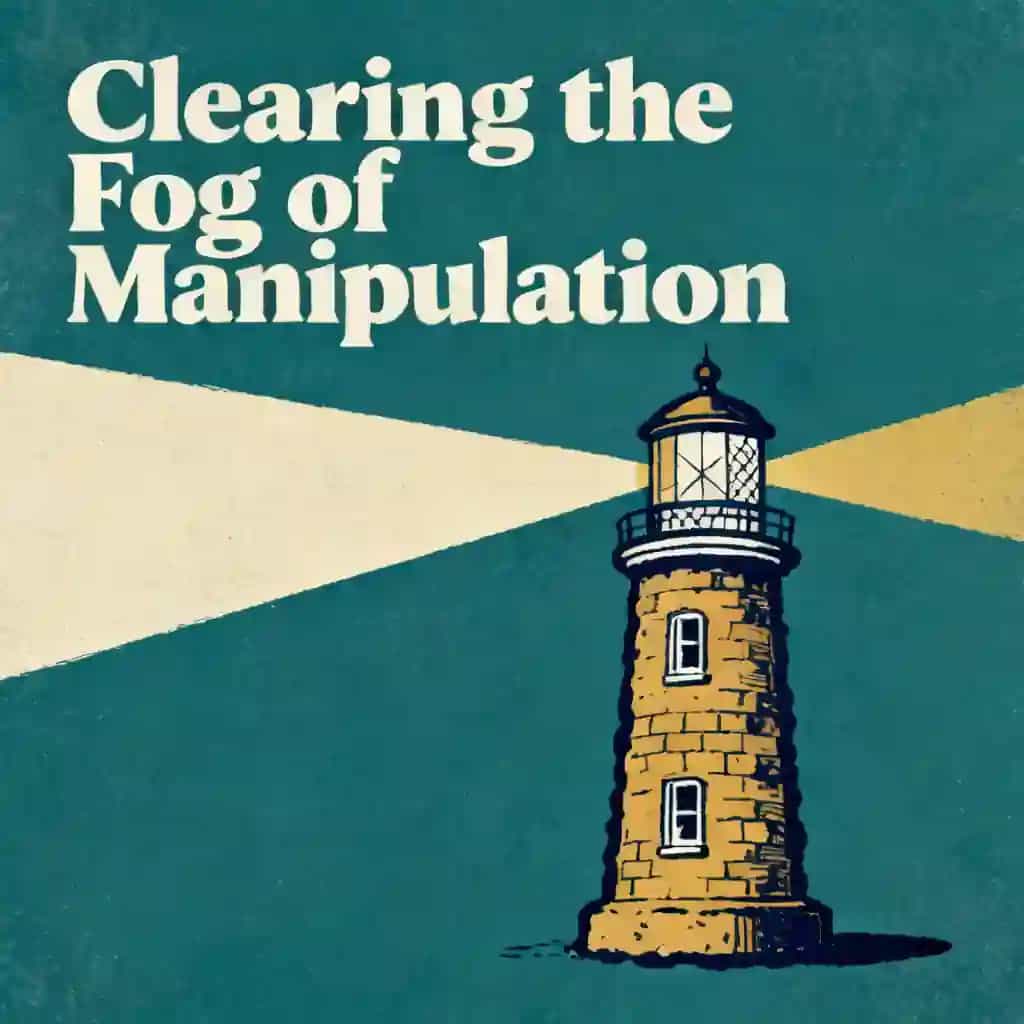
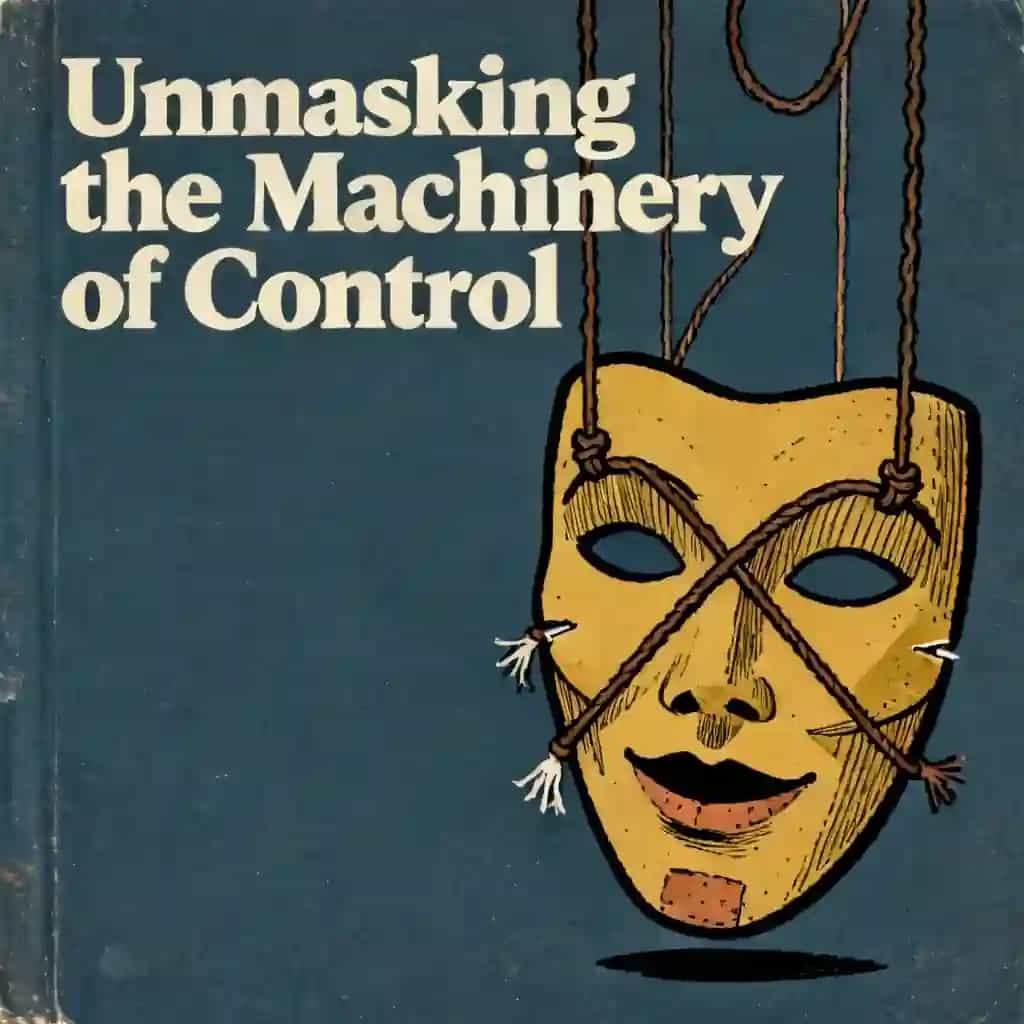
The FOG stands for Fear, Obligation, and Guilt. These three psychological levers are used as tools to dismantle an individual's sense of self and rewrite their reality. In manipulative dynamics, whether in a partnership or the workplace, the FOG creates a state of psychological disorientation that can turn a normal interaction into a high-stakes hostage negotiation where you feel captive to another person's demands.
Highly intelligent individuals are frequently susceptible to manipulation due to a habit called positive projection. This is the tendency to assume that others share your same ethical standards and would never intentionally use your emotions against you. Because of this assumption, you may be less likely to recognize when someone is deliberately using fear or guilt to tilt the conversation and undermine your character.
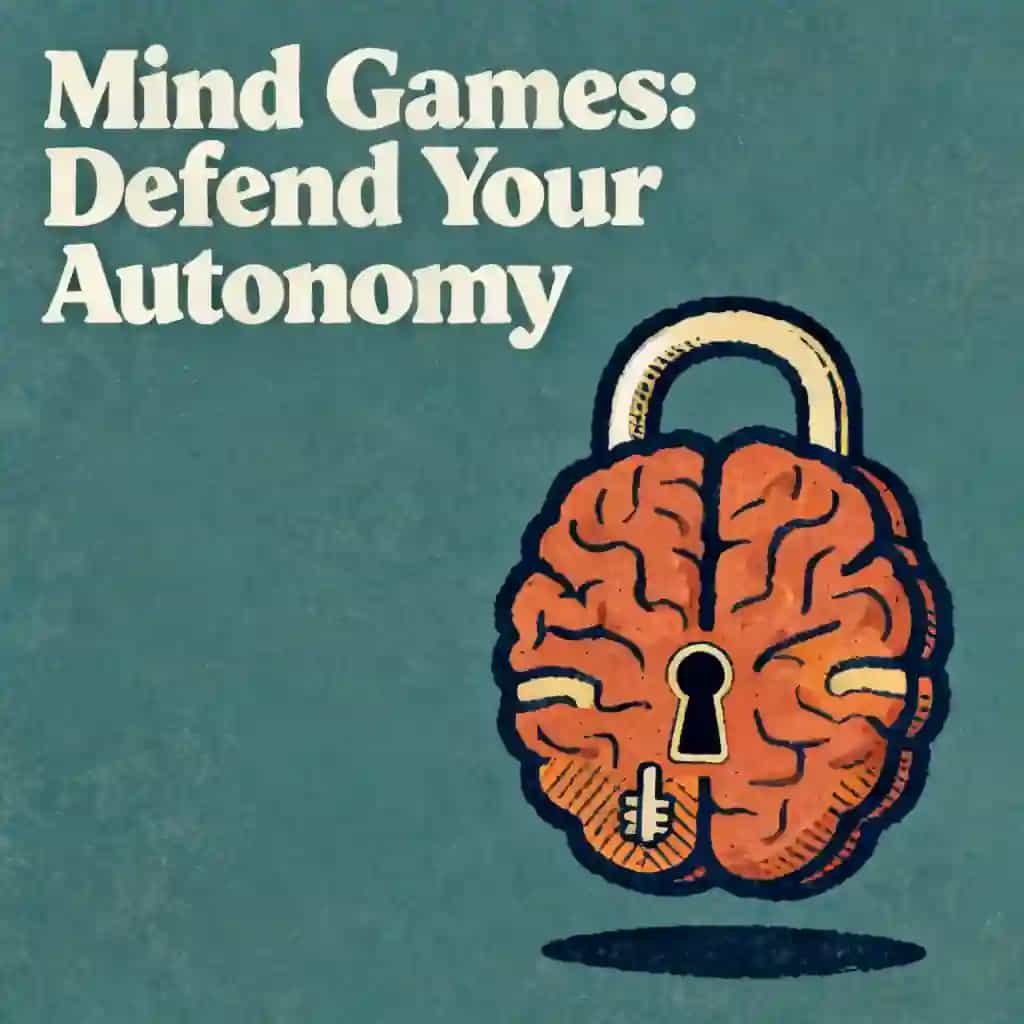
During moments of psychological disorientation and manipulation, the brain's amygdala—the center for emotional processing—begins to drive the prefrontal cortex. This physiological shift makes it physically difficult to think clearly or maintain a logical perspective. When the amygdala takes over, the manipulator can more easily trigger fear and guilt, leaving you feeling confused and forced into apologizing for things you didn't even do.
Psychological disorientation is a specific state where a person feels a sudden loss of stability during an interaction. It often manifests as your heart racing and mind spinning after a simple conversation unexpectedly turns into an interrogation of your character. This disorientation is a primary weapon in the toolkit of manipulation, designed to make you feel as though the floor has tilted and you are sliding toward an emotional edge.
From Columbia University alumni built in San Francisco
"Instead of endless scrolling, I just hit play on BeFreed. It saves me so much time."
"I never knew where to start with nonfiction—BeFreed’s book lists turned into podcasts gave me a clear path."
"Perfect balance between learning and entertainment. Finished ‘Thinking, Fast and Slow’ on my commute this week."
"Crazy how much I learned while walking the dog. BeFreed = small habits → big gains."
"Reading used to feel like a chore. Now it’s just part of my lifestyle."
"Feels effortless compared to reading. I’ve finished 6 books this month already."
"BeFreed turned my guilty doomscrolling into something that feels productive and inspiring."
"BeFreed turned my commute into learning time. 20-min podcasts are perfect for finishing books I never had time for."
"BeFreed replaced my podcast queue. Imagine Spotify for books — that’s it. 🙌"
"It is great for me to learn something from the book without reading it."
"The themed book list podcasts help me connect ideas across authors—like a guided audio journey."
"Makes me feel smarter every time before going to work"
From Columbia University alumni built in San Francisco