BeFreed
    Categories>Psychology>Psychodynamics in Workflow Management: Why Businesses Need Software

    Psychodynamics in Workflow Management: Why Businesses Need Software

    34 min
    |
    |
    Apr 9, 2026
    PsychologyBusinessLeadership

    Explore how psychodynamics impact every stage of workflow management and why modern business software must visualize team dynamics to optimize performance.

    Psychodynamics in Workflow Management: Why Businesses Need Software

    Best quote from Psychodynamics in Workflow Management: Why Businesses Need Software

    “

    We’re essentially trying to fix a software bug by polishing the monitor. We have to look at the code—and in this case, the code is the psychodynamic history of the people involved.

    ”

    This audio lesson was created by a BeFreed community member

    Input question

    Psychodynamics in. Each stage of workflow management for business and why businesx neef software that can show psychodynamics at each stage of workflow management

    Host voices
    Lenaplay
    Milesplay
    Learning style
    Deep
    Knowledge sources
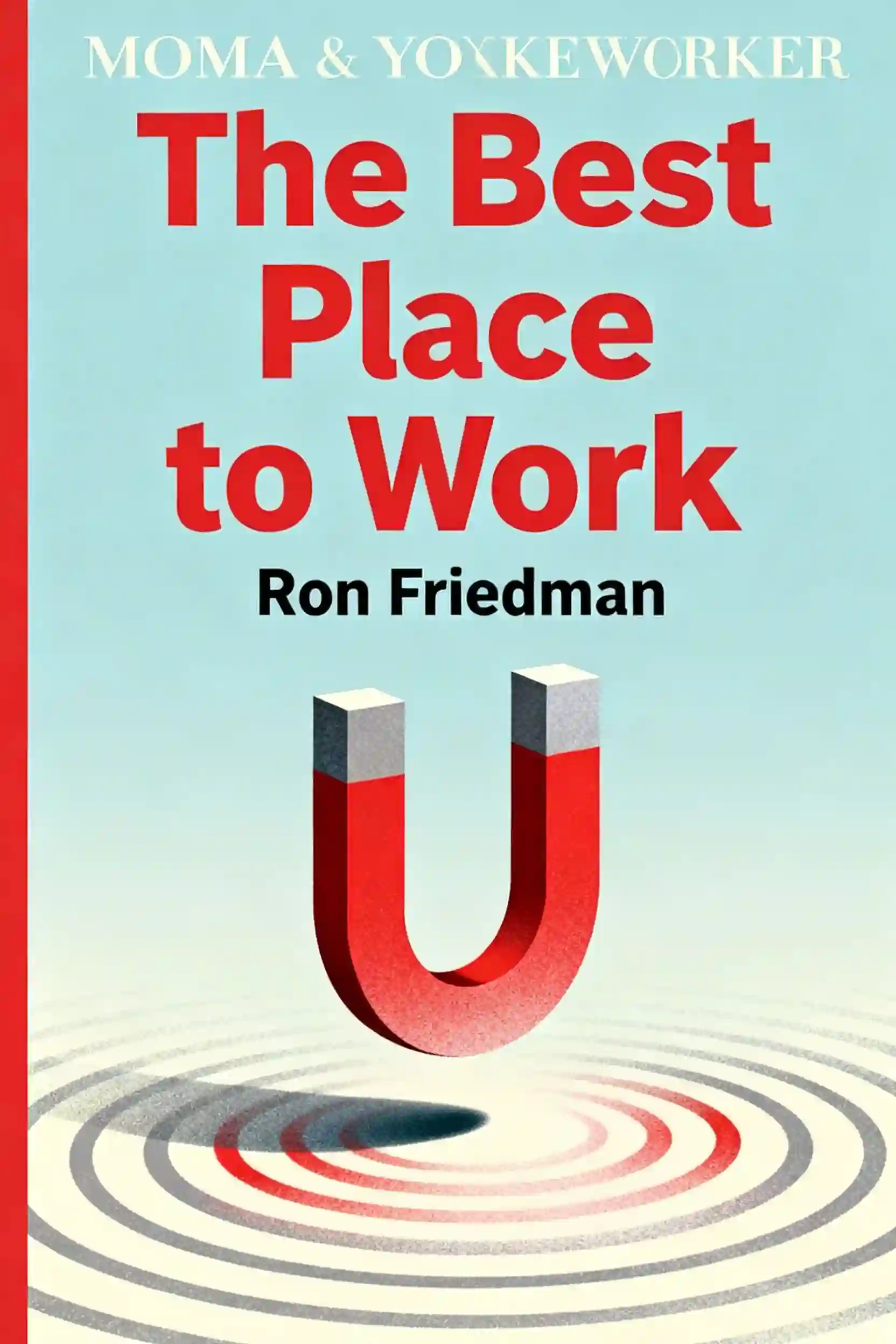
    The Best Place to Work
    Nine Lies About Work
    Own Your Armor
    Game Changer
    Driven
    Making Things Happen

    Frequently Asked Questions

    Discover more

    Growth, Relationships, Tech & Human Behavior

    Growth, Relationships, Tech & Human Behavior

    LEARNING PLAN

    Growth, Relationships, Tech & Human Behavior

    In an era of digital distraction, understanding the intersection of personal psychology and technology is vital for personal success. This plan is designed for individuals seeking to reclaim their focus, improve their interpersonal relationships, and build a resilient mindset for the modern age.

    2 h 42 m•4 Sections
    Explore Tech, Leadership & Human Behavior

    Explore Tech, Leadership & Human Behavior

    LEARNING PLAN

    Explore Tech, Leadership & Human Behavior

    In an era of rapid digital shifts, technical skill alone is insufficient for impactful leadership. This plan is designed for aspiring managers and tech professionals who want to bridge the gap between digital innovation and the psychological drivers of human behavior.

    3 h 14 m•4 Sections
    Mastering Mind, Tech, & Human Systems

    Mastering Mind, Tech, & Human Systems

    LEARNING PLAN

    Mastering Mind, Tech, & Human Systems

    This multidisciplinary plan is essential for leaders and innovators navigating a world where human psychology and advanced technology are inextricably linked. It provides a holistic roadmap for anyone seeking to understand the feedback loops between individual cognition, machine intelligence, and societal behavior.

    2 h 35 m•4 Sections
    Psychology

    Psychology

    LEARNING PLAN

    Psychology

    Understanding the human psyche is essential for navigating modern relationships, leadership, and personal well-being. This plan is ideal for curious learners and professionals seeking to master the mechanics of the mind, from cognitive biases to clinical wellness.

    3 h 27 m•5 Sections
    Psychology, Parenting & Productivity Study

    Psychology, Parenting & Productivity Study

    LEARNING PLAN

    Psychology, Parenting & Productivity Study

    This plan bridges the gap between cognitive science, family dynamics, and professional efficiency. It is designed for high-achieving parents and professionals who want to optimize their mental performance while nurturing deep, science-backed relationships at home.

    2 h 16 m•4 Sections
    Understand & influence human decision-making

    Understand & influence human decision-making

    LEARNING PLAN

    Understand & influence human decision-making

    In an era of information overload, understanding the hidden mechanics of the mind is a critical competitive advantage. This plan is ideal for leaders, marketers, and designers looking to leverage behavioral science to drive better results and ethical engagement.

    2 h 50 m•4 Sections
    Master psychology and influence for success

    Master psychology and influence for success

    LEARNING PLAN

    Master psychology and influence for success

    Understanding the psychological drivers of behavior is essential for navigating modern professional and social landscapes. This plan is designed for leaders, negotiators, and individuals looking to enhance their interpersonal impact through science-backed persuasion and emotional intelligence.

    3 h 54 m•4 Sections
    Boost Productivity and Mindset

    Boost Productivity and Mindset

    LEARNING PLAN

    Boost Productivity and Mindset

    In an era of constant distraction, mastering the intersection of mental frameworks and organizational systems is essential for high performance. This plan is designed for professionals and students who want to move beyond surface-level hacks to achieve deep, sustainable productivity.

    1 h 56 m•4 Sections

    From Columbia University alumni built in San Francisco

    BeFreed Brings Together A Global Community Of 1,000,000 Curious Minds
    See more on how BeFreed is discussed across the web

    "Instead of endless scrolling, I just hit play on BeFreed. It saves me so much time."

    @Moemenn
    platform
    star
    star
    star
    star
    star

    "I never knew where to start with nonfiction—BeFreed’s book lists turned into podcasts gave me a clear path."

    @Chloe, Solo founder, LA
    platform
    comments
    12
    likes
    117

    "Perfect balance between learning and entertainment. Finished ‘Thinking, Fast and Slow’ on my commute this week."

    @Raaaaaachelw
    platform
    star
    star
    star
    star
    star

    "Crazy how much I learned while walking the dog. BeFreed = small habits → big gains."

    @Matt, YC alum
    platform
    comments
    12
    likes
    108

    "Reading used to feel like a chore. Now it’s just part of my lifestyle."

    @Erin, Investment Banking Associate , NYC
    platform
    comments
    254
    likes
    17

    "Feels effortless compared to reading. I’ve finished 6 books this month already."

    @djmikemoore
    platform
    star
    star
    star
    star
    star

    "BeFreed turned my guilty doomscrolling into something that feels productive and inspiring."

    @Pitiful
    platform
    comments
    96
    likes
    4.5K

    "BeFreed turned my commute into learning time. 20-min podcasts are perfect for finishing books I never had time for."

    @SofiaP
    platform
    star
    star
    star
    star
    star

    "BeFreed replaced my podcast queue. Imagine Spotify for books — that’s it. 🙌"

    @Jaded_Falcon
    platform
    comments
    201
    thumbsUp
    16

    "It is great for me to learn something from the book without reading it."

    @OojasSalunke
    platform
    star
    star
    star
    star
    star

    "The themed book list podcasts help me connect ideas across authors—like a guided audio journey."

    @Leo, Law Student, UPenn
    platform
    comments
    37
    likes
    483

    "Makes me feel smarter every time before going to work"

    @Cashflowbubu
    platform
    star
    star
    star
    star
    star

    From Columbia University alumni built in San Francisco

    BeFreed Brings Together A Global Community Of 1,000,000 Curious Minds
    See more on how BeFreed is discussed across the web

    "Instead of endless scrolling, I just hit play on BeFreed. It saves me so much time."

    @Moemenn
    platform
    star
    star
    star
    star
    star

    "I never knew where to start with nonfiction—BeFreed’s book lists turned into podcasts gave me a clear path."

    @Chloe, Solo founder, LA
    platform
    comments
    12
    likes
    117

    "Perfect balance between learning and entertainment. Finished ‘Thinking, Fast and Slow’ on my commute this week."

    @Raaaaaachelw
    platform
    star
    star
    star
    star
    star

    "Crazy how much I learned while walking the dog. BeFreed = small habits → big gains."

    @Matt, YC alum
    platform
    comments
    12
    likes
    108

    "Reading used to feel like a chore. Now it’s just part of my lifestyle."

    @Erin, Investment Banking Associate , NYC
    platform
    comments
    254
    likes
    17

    "Feels effortless compared to reading. I’ve finished 6 books this month already."

    @djmikemoore
    platform
    star
    star
    star
    star
    star

    "BeFreed turned my guilty doomscrolling into something that feels productive and inspiring."

    @Pitiful
    platform
    comments
    96
    likes
    4.5K

    "BeFreed turned my commute into learning time. 20-min podcasts are perfect for finishing books I never had time for."

    @SofiaP
    platform
    star
    star
    star
    star
    star

    "BeFreed replaced my podcast queue. Imagine Spotify for books — that’s it. 🙌"

    @Jaded_Falcon
    platform
    comments
    201
    thumbsUp
    16

    "It is great for me to learn something from the book without reading it."

    @OojasSalunke
    platform
    star
    star
    star
    star
    star

    "The themed book list podcasts help me connect ideas across authors—like a guided audio journey."

    @Leo, Law Student, UPenn
    platform
    comments
    37
    likes
    483

    "Makes me feel smarter every time before going to work"

    @Cashflowbubu
    platform
    star
    star
    star
    star
    star

    "Instead of endless scrolling, I just hit play on BeFreed. It saves me so much time."

    @Moemenn
    platform
    star
    star
    star
    star
    star

    "I never knew where to start with nonfiction—BeFreed’s book lists turned into podcasts gave me a clear path."

    @Chloe, Solo founder, LA
    platform
    comments
    12
    likes
    117

    "Perfect balance between learning and entertainment. Finished ‘Thinking, Fast and Slow’ on my commute this week."

    @Raaaaaachelw
    platform
    star
    star
    star
    star
    star

    "Crazy how much I learned while walking the dog. BeFreed = small habits → big gains."

    @Matt, YC alum
    platform
    comments
    12
    likes
    108

    "Reading used to feel like a chore. Now it’s just part of my lifestyle."

    @Erin, Investment Banking Associate , NYC
    platform
    comments
    254
    likes
    17

    "Feels effortless compared to reading. I’ve finished 6 books this month already."

    @djmikemoore
    platform
    star
    star
    star
    star
    star

    "BeFreed turned my guilty doomscrolling into something that feels productive and inspiring."

    @Pitiful
    platform
    comments
    96
    likes
    4.5K

    "BeFreed turned my commute into learning time. 20-min podcasts are perfect for finishing books I never had time for."

    @SofiaP
    platform
    star
    star
    star
    star
    star

    "BeFreed replaced my podcast queue. Imagine Spotify for books — that’s it. 🙌"

    @Jaded_Falcon
    platform
    comments
    201
    thumbsUp
    16

    "It is great for me to learn something from the book without reading it."

    @OojasSalunke
    platform
    star
    star
    star
    star
    star

    "The themed book list podcasts help me connect ideas across authors—like a guided audio journey."

    @Leo, Law Student, UPenn
    platform
    comments
    37
    likes
    483

    "Makes me feel smarter every time before going to work"

    @Cashflowbubu
    platform
    star
    star
    star
    star
    star

    "Instead of endless scrolling, I just hit play on BeFreed. It saves me so much time."

    @Moemenn
    platform
    star
    star
    star
    star
    star

    "I never knew where to start with nonfiction—BeFreed’s book lists turned into podcasts gave me a clear path."

    @Chloe, Solo founder, LA
    platform
    comments
    12
    likes
    117

    "Perfect balance between learning and entertainment. Finished ‘Thinking, Fast and Slow’ on my commute this week."

    @Raaaaaachelw
    platform
    star
    star
    star
    star
    star

    "Crazy how much I learned while walking the dog. BeFreed = small habits → big gains."

    @Matt, YC alum
    platform
    comments
    12
    likes
    108

    "Reading used to feel like a chore. Now it’s just part of my lifestyle."

    @Erin, Investment Banking Associate , NYC
    platform
    comments
    254
    likes
    17

    "Feels effortless compared to reading. I’ve finished 6 books this month already."

    @djmikemoore
    platform
    star
    star
    star
    star
    star

    "BeFreed turned my guilty doomscrolling into something that feels productive and inspiring."

    @Pitiful
    platform
    comments
    96
    likes
    4.5K

    "BeFreed turned my commute into learning time. 20-min podcasts are perfect for finishing books I never had time for."

    @SofiaP
    platform
    star
    star
    star
    star
    star

    "BeFreed replaced my podcast queue. Imagine Spotify for books — that’s it. 🙌"

    @Jaded_Falcon
    platform
    comments
    201
    thumbsUp
    16

    "It is great for me to learn something from the book without reading it."

    @OojasSalunke
    platform
    star
    star
    star
    star
    star

    "The themed book list podcasts help me connect ideas across authors—like a guided audio journey."

    @Leo, Law Student, UPenn
    platform
    comments
    37
    likes
    483

    "Makes me feel smarter every time before going to work"

    @Cashflowbubu
    platform
    star
    star
    star
    star
    star
    1.5K Ratings4.7
    Start your learning journey, now
    BeFreed App
    BeFreed

    Learn Anything, Personalized

    DiscordLinkedIn
    Featured book summaries
    Crucial ConversationsThe Perfect MarriageInto the WildNever Split the DifferenceAttachedGood to GreatSay Nothing
    Trending categories
    Self HelpCommunication SkillRelationshipMindfulnessPhilosophyInspirationProductivity
    Celebrities' reading list
    Elon MuskCharlie KirkBill GatesSteve JobsAndrew HubermanJoe RoganJordan Peterson
    Award winning collection
    Pulitzer PrizeNational Book AwardGoodreads Choice AwardsNobel Prize in LiteratureNew York TimesCaldecott MedalNebula Award
    Featured Topics
    ManagementAmerican HistoryWarTradingStoicismAnxietySex
    Best books by Year
    2025 Best Non Fiction Books2024 Best Non Fiction Books2023 Best Non Fiction Books
    Featured authors
    Chimamanda Ngozi AdichieGeorge OrwellO. J. SimpsonBarbara O'NeillWinston ChurchillCharlie Kirk
    BeFreed vs other apps
    BeFreed vs. Other Book Summary AppsBeFreed vs. ElevenReaderBeFreed vs. ReadwiseBeFreed vs. Anki
    Learning tools
    Knowledge VisualizerAI Podcast Generator
    Information
    About Usarrow
    Pricingarrow
    FAQarrow
    Blogarrow
    Careerarrow
    Partnershipsarrow
    Ambassador Programarrow
    Directoryarrow
    BeFreed
    Try now
    © 2026 BeFreed
    Term of UsePrivacy Policy
    BeFreed

    Learn Anything, Personalized

    DiscordLinkedIn
    Featured book summaries
    Crucial ConversationsThe Perfect MarriageInto the WildNever Split the DifferenceAttachedGood to GreatSay Nothing
    Trending categories
    Self HelpCommunication SkillRelationshipMindfulnessPhilosophyInspirationProductivity
    Celebrities' reading list
    Elon MuskCharlie KirkBill GatesSteve JobsAndrew HubermanJoe RoganJordan Peterson
    Award winning collection
    Pulitzer PrizeNational Book AwardGoodreads Choice AwardsNobel Prize in LiteratureNew York TimesCaldecott MedalNebula Award
    Featured Topics
    ManagementAmerican HistoryWarTradingStoicismAnxietySex
    Best books by Year
    2025 Best Non Fiction Books2024 Best Non Fiction Books2023 Best Non Fiction Books
    Learning tools
    Knowledge VisualizerAI Podcast Generator
    Featured authors
    Chimamanda Ngozi AdichieGeorge OrwellO. J. SimpsonBarbara O'NeillWinston ChurchillCharlie Kirk
    BeFreed vs other apps
    BeFreed vs. Other Book Summary AppsBeFreed vs. ElevenReaderBeFreed vs. ReadwiseBeFreed vs. Anki
    Information
    About Usarrow
    Pricingarrow
    FAQarrow
    Blogarrow
    Careerarrow
    Partnershipsarrow
    Ambassador Programarrow
    Directoryarrow
    BeFreed
    Try now
    © 2026 BeFreed
    Term of UsePrivacy Policy

    Key Takeaways

    1

    Beyond the Surface of Your Workflow

    0:00

    Lena: You know, Miles, I was looking at some recent research showing that organizations lose about 20 to 30 percent of their potential throughput just because of manual handoff failures and coordination overhead. It makes me wonder—is the "chaos" we feel at work just a lack of better tools, or is there something deeper, maybe even psychological, happening beneath the surface of our spreadsheets?

    0:23

    Miles: That’s a profound question. We often assume workflows are purely rational, mechanical sequences, right? But if they were, why would two people click the same button for entirely different reasons—one out of curiosity and the other out of pure anxiety?

    0:38

    Lena: Exactly! So, if behavior doesn't reliably reveal psychology, how can we expect standard software to fix a stalling rollout?

    0:46

    Miles: It can't, because most tools track what happened, not why. Today, we’re exploring how psychodynamics shape every stage of a workflow and why businesses need software that acts as a mirror for these unseen human drivers. Let's dive into why the next tech cycle is moving beyond data and toward true psychological alignment.

    2

    The Invisible Architect of Early Childhood Patterns

    1:08

    Lena: It’s so easy to think of ourselves as blank slates when we walk into the office—like we’ve just hit a reset button on our personalities the moment we badge in. But Miles, building on what we just touched on—the "why" behind the click—doesn't psychodynamic theory suggest we’re actually carrying our entire history into every project meeting?

    1:30

    Miles: Absolutely. It’s that concept of the "family of origin" that scholars like Ernest Stech and Abraham Zaleznik talk about. Think about it—your very first experience of leadership wasn't a manager or a teacher—it was your parents. They were the original "executives" of your life. So, when you’re sitting in a workflow, waiting for a sign-off from a supervisor, are you just waiting for a business decision, or are you unconsciously re-experiencing that childhood wait for parental approval?

    1:59

    Lena: That is such a heavy thought—to think that a stalled workflow might actually be a manifestation of someone’s childhood rebellion or their need for a "paternalistic" manager. I mean, if a leader takes total responsibility for every single task, are they being helpful, or are they just slipping into that "Parent" ego state Eric Berne described?

    2:19

    Miles: Right—and what does that do to the team? If the leader is the "Critical Parent"—judgmental and strict—they’re likely to "cathect" or pull out a "Rebellious Child" or a "Dependent Child" response from their subordinates. It’s this psychological umbilical cord that keeps people from maturing into what the theory calls "individuation." In a workflow, that looks like a bottleneck where nobody makes a move without the "parent" saying it’s okay.

    2:44

    Lena: So, if we’re stuck in these loops, how do we even begin to see them? Most project management software just shows a red bar for a late task. It doesn't tell you, "Hey, this task is late because your lead is acting like a Laissez-Faire parent and your team is confused about their boundaries."

    0:38

    Miles: Exactly! And that’s why the "Adult" ego state is so critical. The Adult state is about reality testing—using trial and error rather than reacting out of old scripts. But if your software only tracks the "Child" or "Parent" behaviors—the commands and the submissions—it’s actually reinforcing the drama instead of helping you step out of it.

    3:24

    Lena: It makes me think about the "Shadow Self" that Jung talked about. If a manager denies they have a need for control, that need doesn't just vanish—it goes into the "Shadow." It’s obvious to everyone else on the team, but the manager is totally blind to it. Why do you think we’re so resistant to looking at those hidden layers in a professional setting?

    3:43

    Miles: Well, it’s vulnerable, right? Most leadership theories focus on conscious behavior—the stuff we can see and measure. Psychodynamics is "Depth Psychology." It’s about the subconscious. It’s about repression—pushing unacceptable thoughts into the deep recesses of the mind. If a workflow tool could somehow surface those patterns—maybe showing that a specific person always freezes when authority is asserted—it would be like a mirror for the Shadow Self.

    4:11

    Lena: But is that too much for a business to handle? I mean, contrast two explanations for a team failing to innovate. One: they don't have the right "Warrior" spirit. Two: they’re stuck in an "Orphan" archetype, feeling like they’ve been moved out of their comfortable territory and they’re just wandering. Which one is more actionable for a CEO?

    4:31

    Miles: Most would pick the "Warrior" explanation because it feels active. But the psychodynamic view would argue that you can’t force someone into a "Warrior" mode if they’re stuck in the "Martyr" archetype—devoting all their energy to the welfare of others while neglecting the actual goal. You have to understand where they are in that cycle of archetypes that Pearson described.

    4:52

    Lena: It’s fascinating because it suggests that the "mechanical" failures in our workflows—the missed deadlines, the friction—are actually just symptoms of these deeper, persistent templates of human behavior. If the software doesn't show us the template, we’re just treating the symptoms, aren't we?

    5:07

    Miles: Spot on. We’re essentially trying to fix a software bug by polishing the monitor. We have to look at the code—and in this case, the code is the psychodynamic history of the people involved.

    3

    Archetypes in the Arena of Digital Transformation

    5:20

    Lena: You mentioned the "Warrior" and the "Magician" archetypes earlier, Miles. When we look at something like digital transformation—which is basically the biggest workflow shift a company can go through—how do these archetypes clash or collaborate? Because it seems like a "Warrior" leader might handle a tech rollout very differently than a "Magician."

    5:39

    Miles: Oh, it’s a night-and-day difference. Think about the Warrior leader. Their goal is strength and effectiveness. They want to be seen as aggressive, they destroy competitors, and they’re often motivated by status and money. In a digital transformation, a Warrior might just impose their will—"We’re using this new CRM because I said so, and we’re going to conquer the market with it."

    6:01

    Lena: And if they face resistance?

    6:03

    Miles: They attack. That’s the Warrior way. But here’s the problem—the Warrior represses most feelings. They have a "poker face." They worry about failure but deny it. So, if the new workflow is actually confusing or flawed, the Warrior leader might just keep pushing through the "carnage," as one of our sources put it, because acknowledging the struggle feels like a weakness.

    6:25

    Lena: Contrast that with the Magician. What does that look like in a workflow?

    6:29

    Miles: The Magician is about transformation—changing the lesser into the better. They’ve gone beyond that aggressive, competitive mode. They seek success for the team, not just themselves. They’re "centered." And most importantly, they accept and understand emotional responses. If the team is struggling with a new digital tool, the Magician doesn't see it as a rebellion to be crushed—they see it as an emotional response to be understood.

    6:55

    Lena: That reminds me of Maslow’s "B-Motivation" versus "D-Motivation." The Warrior is often "D-Motivated"—driven by a deficit of power or status. The Magician is "Being-Motivated." They have enough, so they’re free to care about the team’s actual growth. But Miles, doesn't a business need some of that Warrior energy to actually get things done?

    1:30

    Miles: Absolutely. Pearson points out that people cycle back and forth through these archetypes. You might need the Warrior to break through a market barrier, but if you get "stuck" there, you become toxic. The "Wanderer" archetype might flee when things get tough, and the "Orphan" might feel abandoned by the organization. A workflow management system that only tracks "output" is totally blind to whether your team is currently in a "Martyr" phase or a "Magician" phase.

    7:41

    Lena: So, imagine a dashboard that didn't just show task completion percentages, but maybe used some kind of sentiment analysis or interaction mapping to suggest the "archetype" of the project. If a project is in a "Shadow" state—where everyone is denying failure—the software could flag it. "Caution: High levels of repression detected in the Q3 rollout."

    8:02

    Miles: That sounds like science fiction, but it’s exactly what’s needed. Look at the research on "Digital Leadership" from 2026. It shows that digital leaders are most effective when they foster "flow at work." But you can’t get into a flow state if you’re operating out of an "Innocent" archetype, just hoping things will stay the same, or if you’re a "Rebellious Child" constantly fighting the "Parental" software constraints.

    8:25

    Lena: It’s like we’re trying to run high-speed digital workflows on 100,000-year-old psychological hardware. And the "hardware" hasn't changed. As Freud noted, "No mortal can keep a secret. If his lips are silent, he chatters with his fingertips." Our clicks, our delays, our "slips of the mouse"—they’re all chattering about our unconscious motives.

    8:46

    Miles: Right! And if the software isn't listening to that chatter, it’s missing the most important data point. We focus so much on "Digital Literacy," but we should be focusing on "Psychodynamic Literacy." Can a leader understand why an employee is "splitting"—viewing the new software as entirely "bad" and the old way as entirely "good"?

    9:04

    Lena: That "splitting" is such a common defense mechanism during change. It’s a way to manage the anxiety of the unknown. If the software could visualize these "Splitting" events—maybe showing how certain teams are polarizing against a change—the leader could intervene with empathy instead of just sending another "Warrior" style directive.

    9:25

    Miles: Exactly. It moves the intervention from "Work Harder" to "Let’s figure out why we’re feeling invisible here." It’s about making the unconscious conscious, so it stops directing the workflow and calling it "fate."

    4

    The Anxiety in the Machine: Why Flow Requires Safety

    9:39

    Lena: We’ve been talking about these deep, archetypal forces, but let's get into the day-to-day experience of a modern knowledge worker. There’s a lot of talk about "Flow"—that state where you’re so immersed in a task that time just disappears. But Miles, according to that 2026 BMC Psychology study, flow doesn't just happen because you have a cool digital tool, right?

    10:04

    Miles: Not at all. In fact, that study highlights a huge "boundary condition"—psychological safety. You can have the most advanced "Digital Leadership" in the world, streamlining your tasks and giving you real-time feedback, but if you don't feel "safe," that flow state is either impossible or incredibly fragile.

    10:23

    Lena: It’s a paradox, isn't it? We want employees to be "improvisational"—to react creatively to unforeseen problems—but improvisation requires a massive amount of psychological risk-taking. And if the psychodynamics of the team are rooted in "Persecutory Anxiety," who is going to risk trying something new?

    10:43

    Miles: You hit it. Persecutory anxiety is that collective feeling that the environment is hostile, even if everyone is acting "collegial" on the surface. It’s like a "rhetorical patina" of kindness masking a deep fear of being blamed. In that kind of environment, a workflow isn't a sequence of creative actions—it’s a sequence of defensive maneuvers.

    11:04

    Lena: So, when a task moves from me to you in a workflow, am I thinking about how to make the project better, or am I thinking about how to "cover my tracks" so I don't get blamed if the "Parent" manager gets angry?

    11:17

    Miles: Most of the time, it’s the latter. And this is where the software needs to step in. Standard workflow tools are often built on a "Warrior" logic—they track, they measure, they hold people accountable. But that very accountability can trigger "Defense Mechanisms" like "Denial" or "Rationalization." If I’m afraid of failing, I might "repress" the memory of a mistake, or I might "project" my shortcomings onto you, Lena. "The task is late because Lena didn't give me the right specs!"

    11:44

    Lena: And if the software just records that "Lena didn't provide specs," it becomes an accomplice to my projection! It’s actually codifying my defense mechanism into the official record of the company.

    11:56

    Miles: That is a brilliant point. The software becomes the "container" for our collective dysfunction. Think about the "Social Defenses" that Isabel Menzies Lyth and others studied. Organizations create rituals and routines—like over-complicated sign-off processes—specifically to manage the anxiety of the work. We call it "compliance" or "best practice," but psychodynamically, it might just be a way to avoid the individual responsibility that causes us stress.

    12:23

    Lena: So, "Bureaucracy" is essentially a giant, institutionalized defense mechanism. It’s "Splitting" the decision-making so no one person has to feel the weight of it. Wow. If a business wants to be "Agile," it has to realize it’s not just fighting slow processes—it’s fighting the human need for psychological protection.

    9:25

    Miles: Exactly. And the 2026 research shows that "Psychological Safety" actually moderates the link between flow and emotional commitment. If I feel safe, my "Flow" at work makes me feel more attached to the company. If I don't feel safe, that same intense work might just lead to burnout or "Exhaustion," because I’m using all my energy to stay safe while I’m trying to perform.

    13:06

    Lena: This explains why some people "improvise" brilliantly in a crisis—the "Magician" mode—while others just "freeze" or "flee"—the "Wanderer" mode. It’s not about their skill level; it’s about the "interpersonal climate."

    13:19

    Miles: Right. And "Digital Leadership" needs to be about more than just technology. It’s about "Skill-Challenge Balance." If the task is too hard, I get anxious. If it’s too easy, I get bored. A smart workflow tool would help a leader see where that balance is breaking down—not just by looking at the output, but by looking at the "Affective" state of the employee.

    13:38

    Lena: Imagine software that could tell you, "Miles has been in a high-challenge state for three weeks with very little positive feedback. He’s at risk of shifting from 'Warrior' to 'Martyr' mode. Time for a 'Nurturing Parent' intervention."

    13:52

    Miles: It sounds soft, but it’s actually the most "Hard-Headed" business strategy there is. Because a "Martyr" employee isn't productive, and an "Orphan" team isn't innovative. You need people in that "Adult" state, reality-testing and flowing. But you only get that if you can see through the defenses.

    5

    The Glass Ceiling in the Mind: Electra and Authority

    14:10

    Lena: We’ve touched on how we bring our "Family of Origin" into the office, but I want to dive into a specific, and maybe more controversial, area—how gender dynamics play out through these psychodynamic lenses. I was reading this fascinating 2025 paper by Yesim Sirakaya about the "Father Complex" and the "Electra Complex" in organizations. It suggests that women’s experiences with authority are often shaped by these deep-seated childhood attachments.

    14:38

    Miles: It’s a provocative idea, but it fits the psychodynamic model perfectly. The "Electra Complex"—this idea of a girl’s intense admiration for the father figure and rivalry with the mother—doesn't just disappear. In a male-dominated corporate structure, a woman might unconsciously transfer that "admiration" onto a male boss.

    14:58

    Lena: And that can lead to some really complex "Commitment" behaviors, right? If I see my boss as a "Father" figure, am I being a loyal employee, or am I seeking that original "paternal" approval? The research suggests this can actually create a "Glass Ceiling" in the mind.

    15:13

    Miles: Right—because if you "idealize" male authority as "natural" or "indisputable," you might stop yourself from questioning it. You might "Self-Withdraw" from leadership roles because, unconsciously, you’ve coded leadership as a "male domain." It’s an "Internal Authority Limit." You’re not just fighting the "Warrior" culture outside; you’re fighting the "Innocent" or "Dependent" archetype inside.

    15:35

    Lena: That is so powerful—the idea that the "Glass Ceiling" isn't just a structural barrier out there in the world, but it’s reinforced by our own psychodynamics. And it goes both ways, doesn't it? What about the "Rivalry" with other women in the office?

    15:49

    Miles: Sirakaya talks about that too. If the "Mother" figure was perceived as a rival for the father’s love in childhood, that can turn into distrust or competition with female colleagues in adulthood. It’s what we sometimes call the "Queen Bee" syndrome, but psychodynamically, it’s just the "Rival Mother" dynamic being re-enacted. It undermines "Female Solidarity" and makes the "Work Group" less effective because everyone is stuck in "Basic Assumption" mode—feeling like they have to "fight" or "flee" from each other.

    16:16

    Lena: It makes me think about how software could help surface these biases. If a workflow tool shows that a certain female manager is consistently getting more "Defiant" or "Competitive" responses from other women, or "Idealizing" responses from her male subordinates, that’s data! It’s not just "personality clashes"—it’s a pattern of "Transference."

    9:25

    Miles: Exactly. And "Transference" is just the re-enactment of the past in the present. As Freud said, the patient—or in this case, the employee—yields to the "compulsion to repeat" rather than the "impulse to remember." If the software can "remember" the patterns for us, it can break the compulsion.

    16:51

    Lena: But Miles, how do you even talk about this in a business meeting? "Hey Miles, I think you’re projecting your 'Critical Parent' onto me today." That sounds like a recipe for a HR disaster.

    17:03

    Miles: Well, that’s where the "Analytic Attitude" comes in. It’s not about "analyzing" people in a clinical way; it’s about "Throwing Light" on repetitive patterns. You use "Hypotheses" instead of "Opinions." You might say, "I notice we always seem to get stuck in a 'Fight/Flight' mode whenever the CEO enters the room. I wonder if we’re all viewing him as a 'Warrior' we need to hide from?"

    17:26

    Lena: It’s about creating that "Relational Space" or the "Container" that Bion talked about. The leader has to be the container—someone who can "introject" the raw, primitive emotions of the team, stay "Centered"—like the Magician—and then feed them back in a way that’s "Thinkable."

    13:19

    Miles: Right. And if your workflow software is purely "Warrior-Logic"—tracking time and tasks—it’s a terrible container. It’s just a "Critical Parent" with a digital stopwatch. We need "Magician-Logic" software—tools that help us "Mentalize," which is basically understanding our own minds and the minds of others simultaneously.

    18:02

    Lena: So, the "Software of the Future" isn't just about managing "Work," it’s about managing "Meaning." It’s about helping us see that when we’re "splitting" or "projecting" or "idealizing," we’re actually just trying to manage our own anxiety. And once we see it, we can choose the "Adult" response.

    9:25

    Miles: Exactly. It’s moving from "Automatic Reaction" to "Critical Thinking." It’s moving from "Inner Chaos" to "Coherent Self-Understanding." And that’s the real "Digital Transformation."

    6

    The Shadow in the Spreadsheet: Visualizing the Unseen

    18:35

    Lena: Miles, we’ve been dancing around this idea of "Software that acts as a mirror." Let's get really practical. If a CEO came to us and said, "I want my workflow management system to show me the psychodynamics of my company," what would that actually look like? How do you visualize something as abstract as a "Shadow Self"?

    18:55

    Miles: It’s all about identifying the "Gaps" and "Omissions." Think about "Dream Analysis." In a dream, what’s *not* there is often as important as what *is* there. In a workflow, if a certain department always "omits" a specific kind of data, or if there’s a "silence" in the communication logs between two teams, that’s the "Shadow" at work.

    19:16

    Lena: So, "Organizational Blind Spots." Fotaki and Hyde wrote about how organizations stay committed to "unworkable strategies" because of these blind spots. They use "Splitting, Blame, and Idealization" to keep the reality at bay. So, the software could track "Blame Patterns"—who is getting "Projected" upon when a project fails?

    0:38

    Miles: Exactly! If the "Nurse" is always the scapegoat for "Madness" in a hospital ward—while the "Managers" maintain the "Sanity"—the software could visualize that "Splitting." It would show a high concentration of negative sentiment and "Critical Parent" commands directed at one specific role. It would literally look like a "Heat Map" of scapegoating.

    19:48

    Lena: That is so powerful. And what about "Idealization"? If a project is failing, but the dashboard is full of "Green" indicators and "Positive" keywords, the software could flag a "False Consensus." It could say, "Caution: Affective data does not match task data. Potential 'Idealization' defense in progress."

    13:19

    Miles: Right. Or think about "Repetition Compulsion." If a team keeps hitting the same bottleneck in every project—no matter who the leader is or what the technology is—that’s a "Compulsive Pattern." The software could surface that history. "This is the fifth time in three years we’ve reached this exact state of 'Strategic Drift.' What is the 'Unthought Known' here?"

    20:27

    Lena: "The Unthought Known"—I love that phrase. It’s that thing we all know is true, but we don't feel "safe" enough to say out loud. If the software could act as a "Third Party"—like an "Analytic Consultant"—it could pose the question that no human feels safe asking. It could say, "Is this project actually a 'Martyr' mission for the CEO’s ego?"

    20:45

    Miles: It sounds radical, but think about the "Warrior" versus the "Magician" leader again. The Warrior wants to see "Progress" and "Success." The Magician wants to see "Truth." A Magician-led organization would value a tool that "Discovers" meaning rather than just "Uncovers" tasks. It would use "Countertransference" as data. If the software itself feels "Heavy" or "Confusing" to use, maybe that’s reflecting the "Raw, Primitive Emotions" of the organization!

    21:10

    Lena: That’s taking "User Experience" to a whole new level! "The UI is clunky because your company culture is clunky." But seriously, Miles, the 2026 research on "Digital Leadership" says leaders need to "streamline workflows" to foster "Flow." But psychodynamically, "Streamlining" might just be a way to avoid the "Complexity" and "Ambivalence" of human relationships.

    21:36

    Miles: You hit the nail on the head. We try to "Optimize" the human out of the workflow, but the human *is* the workflow. If we use software to "Splits and Separate" the "Human Elements" from the "Business Elements"—what some researchers call "Inhuman Resources"—we’re just creating more anxiety.

    21:54

    Lena: So, the goal of the software shouldn't be to "Fix" the people, but to help them "Become more fully themselves," as Nancy McWilliams put it. It’s about "Self-Integration." If I can see that I’m being "Dependent" or "Rebellious" in my workflow, I can step into that "Adult" state and do some "Reality Testing."

    22:14

    Miles: And that’s where "Psychological Safety" comes in again. You can only look in that "Mirror" if you know you won't be punished for what you see. The software has to be a "Safe Container," not a "Digital Panopticon." It’s about "Reflective Stance" versus "Surveillance."

    22:30

    Lena: It’s a fine line, though, isn't it? Between "Insights" and "Intrusion." But if we don't look at these psychodynamics, we’re just "chattering with our fingertips" while our organizations slowly "Derail."

    9:25

    Miles: Exactly. We call it "Market Forces" or "Bad Luck," but often it’s just the "Return of the Repressed." The "Shadow" always finds a way out. Might as well give it a seat at the table—and a line on the dashboard.

    7

    The Leadership Derailment: When the Warrior Hits a Wall

    22:56

    Lena: We’ve been talking about the "Warrior" leader as this strong, effective figure, but Miles, there’s a "Dark Side" to that archetype, isn't there? We see it in "CEO Hubris" or "Leadership Derailment." Why does the very thing that makes a leader successful—that drive, that focus—often become the thing that destroys them?

    23:17

    Miles: It’s that "Paradox of Authority." The more a leader represses their "Expansive" or "Omnipotent" impulses to stay "Professional," the more likely those impulses are to return in a dysfunctional way. It’s what Schneider calls "The Return of the Repressed." If I’m always playing the "Warrior," denying my own vulnerability, I’m eventually going to "Act Out" in a way that’s destructive.

    23:39

    Lena: Like the Gucci example you mentioned earlier. Grandiose public selves, but cheating and lying behind the scenes. They "Projected" their unwanted aspects onto others, and the whole empire crumbled. It’s like they were using the organization as a "Trash Can" for their own psychological "Shadow."

    23:57

    Miles: "Trash Can"—that’s a vivid way to put it. And if the organization’s workflow is designed to just "Obey" the leader, it becomes an accomplice to that destruction. Think about the "Patsy" story from Kilburg’s research. Ron, the interim President, felt "taken advantage of." He was ready to "Quit" because he was re-living a childhood trauma of betrayal.

    24:17

    Lena: But he didn't even *know* he was re-living it until his coach asked that simple question: "Does this remind you of anything before?" That one moment of "Analytic Attitude" changed everything. He moved from "Impulsive Action"—quitting—to "Strategic Choice."

    8:46

    Miles: Right! And imagine if he hadn't had that coach. He would have quit, the company would have lost a great leader, and he would have called it "Fate." Instead, he "Integrated" his vulnerability and became a more effective President. This is why businesses need "Psychodynamic Coaching" and "Role Analysis"—to help leaders see the "Inner Demons" that are derailing their "External Tasks."

    24:54

    Lena: So, the workflow software needs to be able to flag "High-Risk Leadership States." If a leader is becoming "Omnipotent"—making decisions without consultation, ignoring negative data—the system should trigger a "Reality Testing" intervention. "Hey, you’ve ignored three 'Red' flags this week. Are you in 'Warrior' mode or 'Magician' mode?"

    9:25

    Miles: Exactly. And it’s not just about the leader. It’s about the "Followers," too. Followers often "Invest" in the leader as an idealized version of themselves. They *want* the leader to be a "God" or a "Hero." This "Introjective Identification" means the leader starts acting out the followers' unconscious wishes! If the team is afraid, they might unconsciously push the leader to be "Aggressive" so they can feel "Protected."

    25:37

    Lena: So, the leader is essentially a "Puppet" of the team’s collective anxiety! Wow. That totally flips the "Great Man" theory of leadership on its head. It’s the "Group as a Whole" that is directing the drama.

    25:50

    Miles: Precisely. Bion called this the "Basic Assumption Group." We’re not working; we’re just "Cathecting" each other into "Fight/Flight" or "Dependency" roles. A "Specialized Work Group"—like an army—might be used by a whole society to contain its aggression. In a company, the "Sales Team" might be the container for the company’s "Greed," while the "HR Team" is the container for its "Guilt."

    26:13

    Lena: And if the workflow software doesn't show these "Container" relationships, we’re just moving boxes on a screen while the real "Energy" of the company is flowing in these hidden, often destructive, loops.

    13:19

    Miles: Right. We need to move from "Linear Workflows" to "Systemic Psychodynamics." We need to see how "Anxiety in the System" is creating "Social Defenses" that "Paralyze" decision-making. As Luscher and Lewis noted, change "spurs confusion and stress" that can stop a company in its tracks.

    26:42

    Lena: So, the "Practical Playbook" for a leader isn't to "Fix" the process, but to "Contain" the anxiety. To be the "Magician" who can hold the "Polarities" and "Messiness" without "Splitting." But Miles, how does a leader stay "Centered" when the whole organization is "Projecting" their fear onto them?

    27:00

    Miles: You need your own "Container." You need a "Reflective Space"—whether it’s a coach, a peer group, or a "Psychodynamically Aware" software system—that helps you "Distinguish" between what’s yours and what’s theirs. You have to be able to say, "This anger isn't mine; it’s the team's 'Counterdependence' reacting to my 'Authority.'"

    27:20

    Lena: It’s like having a "Shield" against "Emotional Contagion." Once you can "Label" the feeling, it loses its power to "Direct" you. You move from being a "Character" in the drama to being the "Director."

    8

    From "Inhuman" to "Integrated": A New Model of Management

    27:32

    Lena: Miles, we’ve covered so much ground—from childhood archetypes to digital "Flow" and the "Shadows" of leadership. But for our listeners who are sitting in these workflows right now, feeling that "Chaos" we talked about at the beginning—what is the first step toward "Psychodynamic Literacy"? How do they start applying this "Analytic Attitude" tomorrow morning?

    27:54

    Miles: The first step is "Observation without Judgment." Just start noticing the "Repetitive Patterns." When a meeting goes off the rails, or a task gets stuck, don't just ask "What went wrong?" Ask "What is the *feeling* in the room right now?" Is it "Dependency"? Is it "Rebellion"? Is it "Persecutory Anxiety"?

    28:13

    Lena: So, "Labeling" the affect. Instead of saying "Miles is being difficult," I say "I notice a 'Fight/Flight' dynamic emerging around this project." It shifts the focus from "Blame" to "Pattern Recognition."

    9:25

    Miles: Exactly. And then, "Reality Testing." If you’re feeling "Inadequate" or "Angry," ask yourself: "Is this feeling proportionate to the task, or am I 'Transferring' something from my past?" Is my boss really a "Critical Parent," or am I just "Projecting" my own "Inner Critic" onto them?

    28:43

    Lena: That "Inner Critic" is a heavy one. And for the leaders listening—how do they foster that "Psychological Safety" that we know is so critical for "Flow"?

    28:53

    Miles: It starts with "Vulnerability." The "Warrior" leader thinks vulnerability is a weakness, but the "Magician" leader knows it’s a tool for "Connection." If you can admit your own "Confusion" or "Anxiety," you give the team "Permission" to do the same. You move from "Splitting" the "Sanity" and "Madness" to "Integrating" the whole human experience.

    29:14

    Lena: It’s that "Corrective Emotional Experience." If a subordinate expects "Rejection" because of their "Family of Origin," and you respond with "Empathic Attunement," you’re literally "Re-Wiring" their psychodynamics. You’re helping them move from a "Dependent Child" to an "Adult" collaborator.

    29:31

    Miles: And that’s where the "Software" needs to go. We need to move away from "Inhuman Resources" and toward "Integrated Human Potential." We need tools that help us "Mentalize"—to see the "Unseen" motives and "Unspoken" fears. Imagine a workflow tool that prompts you to "Reflect" after a stressful task. "That seemed tough. What was the most 'Anxious' part of that process for you?"

    29:54

    Lena: It sounds so simple, but it’s the "Small Wins" in "Affect Regulation" that lead to the "Big Gains" in "Innovation." If people feel "Seen" and "Accepted," they’ll take the "Improvisational" risks that drive growth. If they feel "Invisible" or "Blamed," they’ll just "Hide" in the "Shadows."

    13:19

    Miles: Right. And as we move further into this "Digital Era," the "Human Element" is actually becoming *more* important, not less. AI can handle the "Sequencing," but it can’t handle the "Sensing." It can’t "Contain" the anxiety of a team. Only a "Psychodynamically Aware" human—supported by "Smart" software—can do that.

    30:31

    Lena: So, the "Goal" isn't to "Automate" the workflow, but to "Animate" it. To bring the "Full Range" of human emotion and archetypal energy into the service of the mission. To move from "Warrior" destruction to "Magician" transformation.

    9:25

    Miles: Exactly. It’s about "Dynamic Equilibrium." Holding the "Polarities"—the "Id," the "Ego," the "Superego"—in a way that allows for "Sustainability" and "Growth." It’s not about "Eliminating" the conflict; it’s about "Holding" it until it becomes "Insight."

    31:02

    Lena: "Holding it until it becomes Insight." That’s a beautiful way to think about a project meeting. Instead of rushing to a "Solution," we "Wait" in the "Messiness" until the "Meaning" emerges.

    31:15

    Miles: And that "Patience" is the hallmark of a "Mature" organization. It’s the move from "Impulsive Reaction" to "Intentional Action." It’s making the "Unconscious" conscious, one click at a time.

    9

    The Future of Work is the Soul of the Workflow

    31:28

    Lena: So, Miles, as we bring this journey through the "Unseen" forces of the workflow to a close, it feels like we’ve shifted from talking about "Software Features" to talking about the "Soul" of the organization. We’ve established that a workflow isn't just a series of tasks; it’s a "Microcosm" of our relational worlds.

    31:49

    Miles: It really is. Every "Handoff" is a moment of "Trust." Every "Deadline" is a test of "Affect Regulation." And every "Success" is a celebration of "Team Integration." If we only look at the "Surface," we’re missing the "Depth" that actually makes work meaningful—and productive.

    32:04

    Lena: I’m struck by that quote from Nancy McWilliams: "Depth therapy is not about changing people; it’s about helping them become more fully themselves." If we apply that to "Depth Management," the goal of our software and our leadership shouldn't be to "Standardize" people, but to "Synchronize" them—allowing their unique "Archetypes" and "Experiences" to build something bigger than themselves.

    32:28

    Miles: "Synchronize"—not "Standardize." I love that. It’s the move from the "Warrior" who wants everyone to "Toe the Line" to the "Magician" who wants to "Transform" the collective energy. And for our listeners, the takeaway is that you have more "Agency" than you think. You don't have to be a "Patsy" to your own psychodynamics.

    13:19

    Lena: Right. Once you "See" the "Shadow," it starts to lose its power. Once you "Label" the "Anxiety," it becomes "Information." You can choose to step out of the "Child" ego state and into the "Adult" reality-tester. You can choose to be the "Container" for your team.

    33:05

    Miles: And you can demand better from your "Tools." Don't settle for software that just "Counts" your work. Look for ways to use data to "Understand" your work. Whether it’s through "Sentiment Analysis," "Interaction Mapping," or just "Reflective Journaling," find ways to surface the "Unspoken" dynamics in your workflow.

    33:25

    Lena: Because, as Freud said, those "Secrets" are going to "Chatter through your fingertips" anyway. Might as well listen to what they’re saying.

    9:25

    Miles: Exactly. The "Workflow of the Future" is one that is "Psychologically Safe," "Affectively Tuned," and "Archetypally Aware." It’s a workflow that "Flows" because it’s finally "Integrated" the human being at its center.

    33:46

    Lena: Building on everything we’ve explored today—the "Family of Origin" influences, the archetypal cycles, and the critical role of "Psychological Safety"—it’s clear that the next frontier of business efficiency isn't in the "Code," but in the "Condition" of our minds.

    34:02

    Miles: Well said. It’s about moving from "Management" to "Attunement." And that is a lifelong endeavor, but one that starts with a single question: "What is happening beneath the surface right now?"

    34:14

    Lena: I want to thank everyone for going deep with us today. This wasn't just a talk about business; it was a talk about being human in a digital world. We hope this gives you a new lens to look at your "Spreadsheets" and your "Meetings" tomorrow.

    1:30

    Miles: Absolutely. Take a moment to reflect on your own "Work Archetype" this week. Are you the "Warrior"? The "Martyr"? The "Magician"? And how is that "Cathecting" the people around you?

    34:36

    Lena: It’s a fascinating question to leave you with. Thanks for listening, and for your curiosity. We’ll leave you to your own "Reality Testing." Take care.

    More like this

    podcast cover
    The Gap and the GainContinuous Discovery HabitsHow to Be a Productivity Ninja
    3 sources
    The Psychology Behind Digital Productivity Tool Design
    Explore why some productivity apps help us thrive while others scatter our focus. Discover how our minds interact with digital environments and what makes tools work with our psychology, not against it.
    11 min
    podcast cover
    Actionable Gamification100 Things Every Designer Needs to Know About PeopleStick with It
    3 sources
    Psychology-Driven AI Product Design That Actually Works
    Discover why 92% of AI products fail to stick and how to design AI experiences that work with human psychology, not against it. Learn actionable frameworks from gamification and behavioral science.
    8 min
    podcast cover
    Immunity to ChangeUnderstanding How Human Psychology Leads to ...Top Reasons Why Digital Transformation FailsManaging Transitions
    6 sources
    Why Digital Transformation Projects Fail: The Psychology
    Discover why 70% of digital transformation initiatives fail despite having the right technology and resources. It's not about the tools-it's about the hidden psychological immune systems that protect us from change.
    11 min
    podcast cover
    source 1source 2Proven Workflow Optimization Strategies That Drive Resultssource 4
    6 sources
    Stop Drowning in Chaos: Workflow Revolution
    Brutal wake-up call exposing why your 'productivity' is actually organized chaos. Learn to build workflows that match your brain, eliminate bottlenecks, and stop being a victim of your own broken systems.
    36 min
    podcast cover
    source 1source 2The Ultimate Productivity Master Map (Built from 25 Years of Practice)source 4
    6 sources
    Your Productivity Deep Dive: Psychology, Systems & Sustainable Success
    Explore the science behind productivity with frameworks like GTD, deep work, and habit formation. Learn why willpower fails, how to overcome procrastination, and build systems that actually stick.
    35 min
    podcast cover
    [PDF] Toward a Theory of Behavioral Operations - Harvard Business SchoolPredictably IrrationalThinking, Fast and SlowBehavioral Operations: Past, Present, and Future
    6 sources
    Why Smart People Make Predictably Irrational Workplace Decisions
    Discover how behavioral operations reveals the hidden psychology behind workplace decision-making. Learn why our brains consistently trick us and how to design systems that work with human nature, not against it.
    8 min
    book cover
    Why Motivating People Doesn't Work ... and What Does
    Susan Fowler
    Discover a revolutionary approach to motivation that empowers leaders to foster genuine, sustainable engagement in their teams.
    9 min
    book cover
    Solving the Productivity Puzzle
    Tim Ringo
    A practical guide for HR professionals to boost employee productivity through engagement, motivation, and strategic workforce planning.
    7 min