BeFreed
    Categories>Relationships>Pride and Prejudice: Why the Bennets Had to Marry

    Pride and Prejudice: Why the Bennets Had to Marry

    21 min
    |
    |
    Apr 4, 2026
    • Relationships
    • History & Society
    • Self-Growth

    The Bennet sisters face a high-stakes survival story. Learn how Jane Austen uses irony and romance to navigate the messy social scene of Regency England.

    Pride and Prejudice: Why the Bennets Had to Marry
    0:00 / 0:00
    Choose how it's told

    One episode. Many ways to hear it.

    Same ideas from Pride and Prejudice: Why the Bennets Had to Marry. Pick the voice, depth, and pace that fits you. Switch anytime.

    Transcript & chapters

    Chapter 1

    Marriage, Money, and Regency Rivalries

    Lena: You know, Miles, I was just thinking about that iconic opening line—the one about a single man with a fortune being "in want of a wife." It’s funny because, in Jane Austen’s world, it was actually the women without fortunes who were in desperate want of a wealthy husband!

    Miles: Exactly! It’s such a brilliant bit of irony. We’re talking about Pride and Prejudice, a story that’s been a favorite for over two centuries. But it’s not just a polite ballroom romance; it’s actually a high-stakes survival story for the Bennet sisters.

    Lena: Right, because if they don't marry well, they could lose everything due to those strict inheritance laws. I mean, imagine the pressure!

    Miles: It’s intense. And it all kicks off when two rich bachelors roll into town, leading to one of the most famous "enemies-to-lovers" disasters in history. So, let’s dive into the messy social scene that started it all.

    Chapter 2

    The Stakes of Longbourn and the Arrival at Netherfield

    Lena: It really is a survival story, Miles. I think modern readers sometimes miss just how precarious things were for the Bennet sisters. We see Mrs. Bennet fluttering around, obsessed with matching her daughters with wealthy men, and she comes off as a bit of a comic caricature—but when you look at the legal reality of coverture and primogeniture, her panic starts to feel a lot more rational.

    Miles: You've hit the nail on the head. That whole situation with the "entail" is the engine of the plot. Since Mr. Bennet has no sons, the family estate, Longbourn, is legally bound to pass to the nearest male relative—that pompous clergyman Mr. Collins—the moment Mr. Bennet passes away. The sisters literally stand to lose their roof and their livelihood. It’s a mathematical nightmare where marriage is the only equation that leads to security.

    Lena: So when news hits that a wealthy bachelor named Charles Bingley has rented Netherfield Park nearby, it isn’t just local gossip—it’s a lifeline. I love how Austen sets the scene. Mrs. Bennet is practically vibrating with excitement, insisting that Mr. Bennet visit him immediately.

    Miles: And Mr. Bennet, in his classic detached, sarcastic way, pretends he isn't interested just to mess with her. He’s in his library, hiding from the domestic chaos, while his wife is basically calculating the wedding costs before they’ve even met the guy. But he does eventually go—secretly, of course—because even he knows what’s at stake.

    Lena: Then we get the big reveal at the Meryton ball. This is where the social hierarchy of Regency England really walks onto the stage. Bingley arrives, and he’s exactly what everyone hoped for—cheerful, friendly, and completely charmed by Elizabeth's older sister, Jane. It looks like a fairy tale match from minute one.

    Miles: But then there’s the "friend." Enter Mr. Fitzwilliam Darcy. He’s got ten thousand pounds a year—which, to put that in perspective for 2026, is an astronomical fortune—but he also has zero interest in being there. While Bingley is dancing with everyone, Darcy is standing in the corner looking like he’s smelling something bad. He’s the embodiment of the "Pride" in the title.

    Lena: And that brings us to the ultimate insult. When Bingley suggests Darcy dance with Elizabeth, Darcy gives her a look and says she’s "tolerable, but not handsome enough to tempt me." And the kicker? Elizabeth overhears it!

    Miles: It’s the ultimate "meet-ugly." Most romances start with a spark, but this one starts with a public burn. Darcy dismisses her because of her lower social standing and her "inferior connections," and Elizabeth—who prides herself on her wit and her ability to read people—instantly decides he’s the most disagreeable man in the world.

    Lena: That’s the "Prejudice" right there. She’s so stung by his arrogance that she closes the book on him. But what’s fascinating is that while she’s busy hating him, Darcy starts to notice her "fine eyes." He’s fighting his own attraction because he thinks she’s beneath him, while she’s completely unaware that his opinion is shifting. It’s such a tense, brilliant setup for everything that follows.

    Keep learning with this episode

    Take the ideas from this episode into a guided learning experience in BeFreed.

    Chapter 3

    Misunderstandings, Militia Men, and Manipulations

    Miles: It’s interesting how Austen uses the characters around them to fan the flames of that mutual dislike. Just as Darcy is starting to find Elizabeth’s wit intriguing, a new player enters the game—George Wickham. He’s a charming militia officer who basically walks into town and drops a bombshell on Elizabeth.

    Lena: Oh, Wickham is such a classic scoundrel, isn't he? He tells Elizabeth this tragic story about how Darcy cheated him out of a promised legal inheritance—a "living" in the church that Darcy’s father had intended for him. And because Elizabeth already thinks Darcy is a villain, she swallows the story whole.

    Miles: Exactly. It’s a perfect example of confirmation bias. Wickham is handsome, he’s personable, and he tells her exactly what she wants to hear about the man she already dislikes. It makes Darcy look even more like a cold-hearted aristocrat. Meanwhile, the actual Darcy is becoming more and more bothered by the behavior of the rest of the Bennet family.

    Lena: You can’t really blame him for that part, can you? I mean, Mrs. Bennet is loudly discussing Jane’s "impending" marriage to Bingley at a dinner party before a proposal has even happened. And the younger sisters, Mary, Kitty, and Lydia—they’re a bit of a disaster in public. Lydia and Kitty are obsessed with the officers, and Mary is trying way too hard to be an intellectual.

    Miles: It’s a social minefield. Darcy sees this lack of decorum and decides he has to "save" his friend Bingley from an "imprudent marriage" to Jane. He genuinely believes Jane doesn't care for Bingley as much as Bingley cares for her—mostly because Jane is so modest and reserved. So, he and Bingley’s sisters basically spirit Charles away to London without a word.

    Lena: Which breaks Jane’s heart and makes Elizabeth absolutely furious. She blames Darcy for Jane’s misery, and then on top of that, she has to deal with the arrival of Mr. Collins. He’s the heir to their house, and he’s come to "gracefully" pick a wife from the Bennet sisters to keep the estate in the family.

    Miles: Mr. Collins is the ultimate social satire character. He’s so obsequious toward his patroness, Lady Catherine de Bourgh—who just happens to be Darcy’s aunt—that it’s almost painful. He proposes to Elizabeth in the most unromantic way possible, basically listing the reasons why it’s a good career move for him.

    Lena: And Elizabeth, being the legend she is, turns him down flat. Even though her mother is screaming that she’ll be a "plain, penniless old maid," Elizabeth refuses to marry without respect and love. She’d rather risk poverty than spend her life with a man who has the personality of a damp paper bag.

    Miles: It’s such a bold move for the time. But the plot thickens when Collins immediately turns around and proposes to Elizabeth’s best friend, Charlotte Lucas. And Charlotte says yes! This is a huge moment because it forces Elizabeth—and the reader—to realize that for some women, marriage isn't a choice about love; it’s a choice about not starving. Charlotte tells her plainly, "I am not romantic... I ask only a comfortable home." It’s a cold splash of reality in the middle of all the ballroom drama.

    Chapter 4

    The Hunsford Proposal and the Power of a Letter

    Lena: So, the tension finally boils over when Elizabeth goes to visit Charlotte at her new home in Hunsford. Of course, Darcy is there visiting his aunt, Lady Catherine. And this is where we get one of the most disastrous marriage proposals in all of literature.

    Miles: Oh, man. Darcy has been struggling with his feelings for months, and he finally just snaps. He walks in and basically says, "I love you against my will, against my better judgment, and despite your embarrassing family and lower social rank. So, will you marry me?"

    Lena: It is the ultimate "how not to propose" guide! He’s basically insulting her while asking for her hand. And Elizabeth—who has just found out from Colonel Fitzwilliam that Darcy was the one who sabotaged Jane and Bingley—is not having it. She goes off on him. She tells him he’s the last man in the world she’d ever marry, accuses him of mistreating Wickham, and calls him out for his ungentlemanly pride.

    Miles: Darcy is absolutely stunned. He’s used to being the most eligible bachelor in the room, and here is this woman from a "minor" family tearing him to shreds. He leaves, but he doesn't just disappear. He does something that changes the entire trajectory of the story—he writes a letter.

    Lena: This letter is everything. It’s the turning point for the whole novel. In it, Darcy doesn't beg for her love; he just lays out the facts. He explains that he separated Jane and Bingley because he truly thought Jane was indifferent. But the real shocker is what he reveals about Wickham.

    Miles: Right. He reveals that Wickham is a predator. Far from being cheated, Wickham squandered the money Darcy gave him, then tried to elope with Darcy’s fifteen-year-old sister, Georgiana, just to get his hands on her thirty-thousand-pound fortune. Darcy only stopped it at the last second.

    Lena: When Elizabeth reads that, her whole world shifts. She realizes she’s been "blind, partial, prejudiced, and absurd." She prided herself on being a great judge of character, but she was completely played by Wickham’s charm and blinded by her own wounded pride regarding Darcy.

    Miles: It’s a total internal collapse for her. She has to reckon with the fact that the man she thought was a villain is actually honorable, and the man she thought was a victim is a liar. This is where the real growth starts. She begins to see that Darcy’s "pride" was partly social awkwardness and high standards, while her "prejudice" was a wall she built to protect her ego.

    Lena: And it’s not just her. Darcy is changing too. Her rejection was the reality check he needed. He realizes that being a "gentleman" isn't just about wealth and title; it’s about how you treat people. The letter is his first step toward humility. He’s finally communicating instead of just judging from a distance.

    Miles: It’s like they both had to be broken down to their core before they could actually see each other. The letter is the catalyst that clears the air, but they still have a long way to go before they can bridge that massive social gap between them.

    Keep learning with this episode

    Take the ideas from this episode into a guided learning experience in BeFreed.

    Chapter 5

    Pemberley and the Shadow of Scandal

    Lena: The next phase of the story takes us to Pemberley, Darcy’s estate, and I feel like the house itself is almost a character. Elizabeth is traveling with her aunt and uncle, the Gardiners, and they end up taking a tour of the grounds. She’s terrified she’ll run into Darcy, but she’s also dying to see how he lives.

    Miles: It’s such a clever move by Austen. Elizabeth sees Pemberley and realizes it’s not flashy or gaudy—it’s tasteful, elegant, and perfectly managed. It reflects Darcy’s true character. And then she meets his housekeeper, who has nothing but glowing things to say about him. She calls him the best master and the kindest brother.

    Lena: That’s such a huge moment! Hearing it from a servant—someone who actually sees him when the social mask is off—completely validates the letter. And then, of course, the man himself shows up. But he’s... different.

    Miles: He’s incredibly civil! He’s polite to her aunt and uncle, even though they’re "in trade"—which was a big social no-no for someone of his rank. He’s trying so hard to show her that he’s taken her criticisms to heart. He even wants her to meet his sister, Georgiana. It’s this beautiful, tentative reconciliation... and then, boom, disaster strikes.

    Lena: Enter Lydia Bennet. She’s the youngest, the wildest, and the most impulsive of the sisters. While the rest of the family is trying to maintain some dignity, Lydia decides to run away with—you guessed it—Wickham.

    Miles: This is the nightmare scenario. In 1813, a girl running off with a man without being married didn't just ruin her reputation—it ruined the marriage prospects of all her sisters. The Bennet family is suddenly social radioactive. Elizabeth is devastated because she thinks this is the final nail in the coffin for any future with Darcy. Who would marry into a family with a fallen woman?

    Lena: She tells Darcy about it in a moment of total vulnerability, and he’s quiet and reserved. She thinks he’s judging her, that he’s disgusted. She goes home to help her father, who is frantically searching for Lydia in London, but the situation looks hopeless. Wickham has no intention of marrying Lydia; he’s just using her.

    Miles: But then, a miracle happens. Lydia and Wickham are found, and somehow, Wickham agrees to marry her. The family assumes Mr. Bennet’s brother, Mr. Gardiner, paid Wickham off, but Elizabeth eventually finds out the truth through a slip-up from Lydia.

    Lena: It was Darcy! He was the one who tracked them down in the London slums. He was the one who negotiated with Wickham and paid off all his massive debts. He basically bought Lydia a marriage to save the Bennets from total ruin. And the best part? He did it in total secret. He didn't want any credit.

    Miles: That is the ultimate "grand gesture." He didn't do it to win Elizabeth back—he did it because he loved her and wanted to protect her, even if he thought she’d never marry him. It shows he’s completely conquered his pride. He’s willing to associate himself with Wickham, the man he hates most, just for her sake. It’s the final proof of his transformation.

    Chapter 6

    Confrontations and the Final Proposals

    Lena: Just when you think the path is clear, we get one of my favorite scenes in the whole book. Lady Catherine de Bourgh—Darcy’s terrifyingly arrogant aunt—shows up at Longbourn. She’s heard a rumor that Darcy might propose to Elizabeth, and she is livid.

    Miles: She’s like the final boss of the social hierarchy. She marches in and basically demands that Elizabeth promise never to marry Darcy because he’s "destined" for her own daughter, Anne. She calls the Bennets "polluted" and "inferior." It’s class prejudice dialed up to eleven.

    Lena: But Elizabeth is having none of it. She stands her ground with so much dignity. She tells Lady Catherine that she will make whatever choice leads to her own happiness and that she owes the aunt no promises. It’s such a powerful moment of independence. She’s not intimidated by wealth or title anymore.

    Miles: And the irony is, Lady Catherine’s interference backfires spectacularly! She goes back to Darcy to complain about how "obstinate" Elizabeth is, and Darcy realizes that if Elizabeth had truly hated him, she would have told the aunt so. Her refusal to promise not to marry him gives him the hope he needs to try one more time.

    Lena: So, Bingley comes back first. He and Jane finally get their act together—with a little nudge from Darcy, who admits he was wrong to interfere—and they get engaged. It’s pure joy for the Bennets. But Elizabeth is still waiting, wondering if she’s missed her chance with Darcy.

    Miles: Then comes that walk. They’re out walking together, and Darcy finally speaks up. He tells her his feelings are the same as they were months ago, but if hers have changed, he’ll never speak of it again. He’s so humble this time. No insults about her family, no mentions of his own struggle—just a man asking for a second chance.

    Lena: And Elizabeth, who has been carrying all this gratitude and growing love for him, says yes. She tells him how her feelings have completely flipped. It’s this incredibly grounded, earned moment of mutual respect. They’ve both had to shed their armor—his pride and her prejudice—to get there.

    Miles: I love the scene where she has to tell her father. Mr. Bennet is genuinely confused because he still thinks she hates the guy! She has to explain everything—the letter, the help with Lydia, the change in his character. When he finally sees that they’re a perfect intellectual match, he gives his blessing.

    Lena: The novel ends with a bit of a "where are they now." Jane and Bingley are happily settled near Pemberley. Elizabeth and Darcy are at Pemberley, finally living as equals. Even Kitty improves by spending time with her older sisters. It’s a resolution that shows that while the social world was rigid and difficult, personal growth and integrity actually won out in the end.

    Miles: It’s a triumph of character over circumstance. They didn't just fall in love; they worked for it. They challenged each other, they admitted when they were wrong, and they chose each other despite everything society told them. That’s why it’s still the gold standard for romance.

    Keep learning with this episode

    Take the ideas from this episode into a guided learning experience in BeFreed.

    Chapter 7

    A Practical Playbook for the Modern Reader

    Lena: So, looking at all this through a 2026 lens, what can we actually take away from Elizabeth and Darcy? It’s easy to look at the bonnets and the carriages and think it’s just a period piece, but the psychological stuff is so relevant today.

    Miles: Absolutely. The first big takeaway is the danger of the "First Impression." We live in a world of snap judgments—swipe left, swipe right, read a headline, decide who someone is. Elizabeth’s biggest mistake was trusting her "intuition" so much that she stopped looking for evidence. She liked Wickham because he was charming, and she hated Darcy because he was awkward.

    Lena: Right! Charm does not equal character. That’s a huge one. Wickham was a master of "optics," as we’d say now. He knew how to play the victim and tell a compelling story. Darcy, on the other hand, had zero interest in managing his "brand." He was just being himself, even if that self was a bit stiff. It’s a reminder to look for the "Pemberley" in people—the consistent, quiet actions rather than the flashy first meeting.

    Miles: And then there’s the power of the "Hard Conversation." That letter Darcy wrote? That was him being vulnerable. He had to lay out his family’s most shameful secrets to explain himself. And Elizabeth had to sit with that information and admit, "I was wrong." Most people today would just block each other and move on, but they actually did the work of re-evaluating their biases.

    Lena: It’s also a lesson in boundaries. Elizabeth’s refusal of Mr. Collins and her first refusal of Darcy were about her saying, "My self-respect is not for sale." Even when her family’s financial future was on the line, she wouldn't compromise her values. There’s something really inspiring about that—knowing your worth even when the world is telling you that you’re "inferior."

    Miles: For sure. And for the Darcys out there—the lesson is humility. Darcy had to realize that his wealth didn't make him a better person. He had to learn to listen to criticism and actually change. He didn't just apologize; he changed his behavior. He became "civil" and helpful because he realized his previous attitude was a flaw, not a personality trait.

    Lena: I think the biggest takeaway is that a healthy relationship is a partnership of equals. Austen shows us all these "bad" marriages—the Bennets, who are totally mismatched; the Collinses, which is just a business deal; the Wickhams, which is built on a lie. But Elizabeth and Darcy work because they respect each other’s minds. They sparringly challenge each other.

    Miles: It’s about mutual growth. They both ended up as better versions of themselves because they met each other. That’s the real "happily ever after"—not just the wedding, but the fact that they both became more self-aware, more compassionate human beings.

    Chapter 8

    Closing Reflections on a Timeless Journey

    Lena: As we wrap things up, I’m struck by how much Pride and Prejudice is really about the courage it takes to change your mind. It’s not just a love story; it’s a story about the intellectual and emotional maturity required to admit you were wrong about someone—and about yourself.

    Miles: You've hit the nail on the head. In a world that often rewards us for digging in our heels and staying "on brand," Elizabeth Bennet stands as this amazing example of someone who can look at new evidence, feel the sting of her own mistake, and say, "Till this moment, I never knew myself." That’s a level of self-awareness we could all use a little more of.

    Lena: It really is. It’s a reminder that the people who challenge us the most might actually be the ones who help us grow the most—if we’re willing to look past our own pride and prejudice.

    Miles: Well said. We’ve covered a lot of ground today—from the high-stakes marriage market of Regency England to the secret letters and grand gestures that still make our hearts skip a beat two centuries later. It’s been a blast diving into the world of Longbourn and Pemberley with you.

    Lena: It really has. For everyone listening, I’d love for you to take a second today and think about your own "first impressions." Is there someone in your life you’ve already written off? Someone you’ve put in a box based on a single interaction or a bit of gossip?

    Miles: Maybe give them a second look. You might just find a Darcy—or at least a friend—underneath that "disagreeable" exterior. It’s all about staying open to the truth, even when it’s uncomfortable.

    Lena: Thank you so much for joining us on this journey through Jane Austen’s masterpiece. We hope it gave you a fresh perspective on a classic you thought you knew, or maybe inspired you to pick it up for the first time.

    Miles: It’s a world worth visiting, for sure. Thanks for hanging out with us and exploring the messiness and the beauty of human relationships. Take care of yourselves and stay curious.

    Lena: Absolutely. Reflect on those fine eyes and sharp wits, and we'll see how these timeless themes show up in your own world. Thanks for listening!

    ★★★★★

    You made it to the end of Pride and Prejudice: Why the Bennets Had to Marry

    “23 days in and I have used it every single day. It is part of my daily habit now.”

    jayallen

    Best quote from Pride and Prejudice: Why the Bennets Had to Marry

    “

    It’s a story about the intellectual and emotional maturity required to admit you were wrong about someone—and about yourself.

    ”
    A

    Generated by Ann

    Input question

    A short description about plot of the pride and prejudice by jane austen

    Host voices
    Lenaplay
    Milesplay
    Knowledge sources
    Persuasion
    Sense and Sensibility
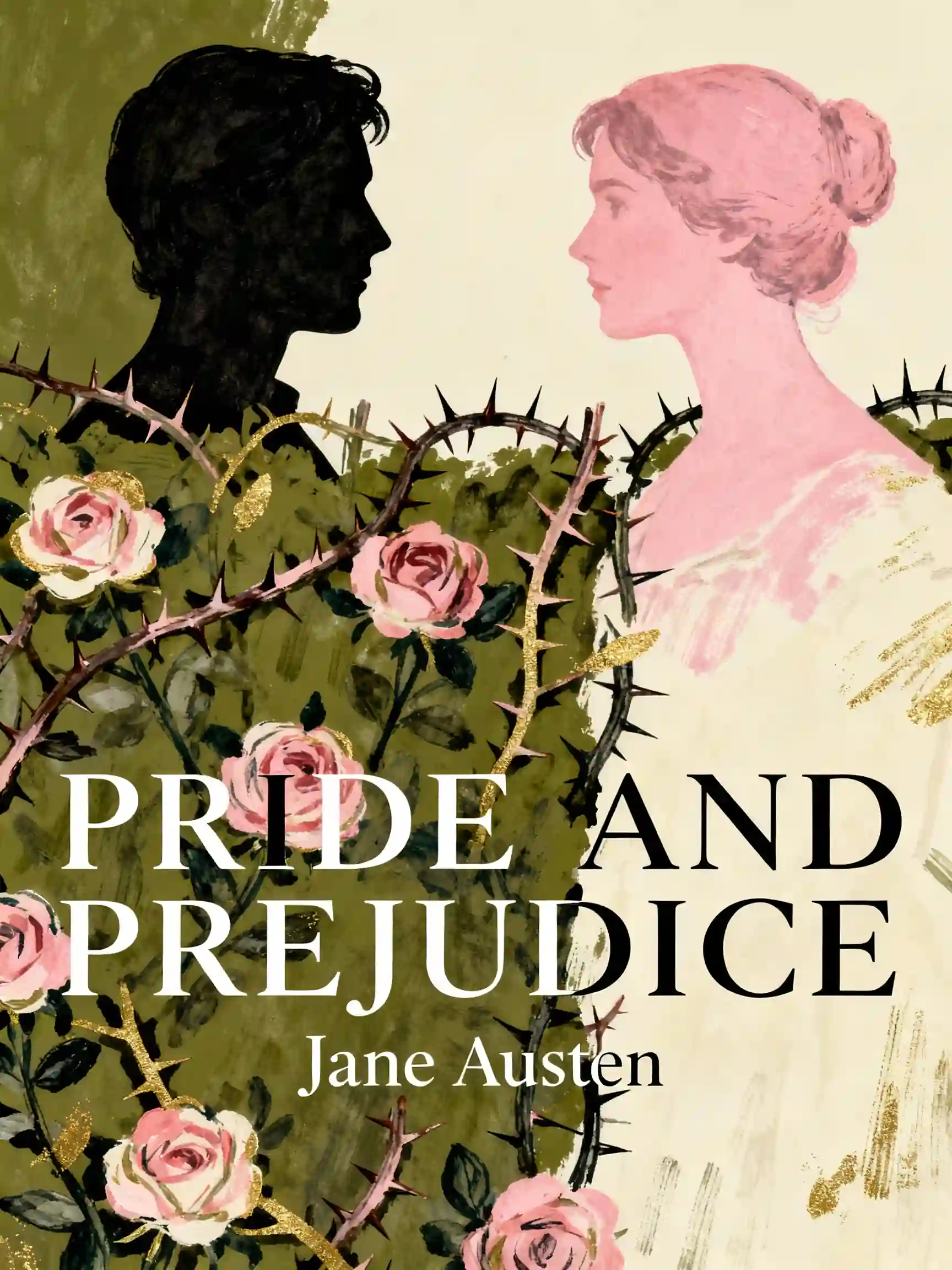
    Pride and Prejudice
    Villette
    Tess of the D'Urbervilles
    Emma

    Frequently Asked Questions

    In the Regency era, strict inheritance laws known as "entails" meant that estates like Longbourn could only be passed down to male heirs. Because Mr. Bennet had no sons, the family home was legally bound to go to a distant cousin, Mr. Collins, upon Mr. Bennet's death. This left the five sisters with no guaranteed income or housing, making a "good" marriage to a wealthy man their only viable path to financial security and social stability.

    The title refers to the primary character flaws that the two protagonists must overcome. Mr. Darcy represents "Pride" through his arrogant behavior at the Meryton ball, where he dismisses Elizabeth and her family due to their lower social standing. Elizabeth represents "Prejudice" because she allows her wounded ego and Darcy's initial insult to cloud her judgment, leading her to believe false rumors about him and ignore his true honorable nature.

    Darcy’s transformation is solidified through a "grand gesture" involving Elizabeth’s sister, Lydia. After Lydia runs away with the scoundrel Wickham—an act that threatened to ruin the reputation of all the Bennet sisters—Darcy secretly tracks them down in London. He pays off Wickham’s massive debts and funds the wedding to ensure the family's social survival, doing so anonymously to protect Elizabeth’s feelings rather than to win her favor.

    Elizabeth rejected Mr. Collins because she refused to sacrifice her happiness for a marriage based solely on a "business deal." While her mother saw the proposal as a way to save the family estate, Elizabeth viewed Mr. Collins as a man with no personality or respect for her. Her decision highlights a major theme of the story: the importance of marrying for love and mutual respect rather than just for a "comfortable home," a choice her friend Charlotte Lucas was unable to make.

    From Columbia University alumni | built in San Francisco

    BeFreed Brings Together A Global Community Of Curious Minds

    4.7

    avg rating

    7.84k+ App Rating

    BeFreed Community

    Seriously I haven’t even explored this app fully yet but from using it the last few days I am so impressed... BeFreed is on a different level from any other learning app I have used. This makes it ultra engaging and can actually improve your concentration which is great for all the doom scrollers!

    @ladyInfinity

    I bought BeFreed exactly 23 days ago, and I have used it every single day since. It has completely embedded itself into my daily workflow and learning habit.

    @jayallen

    The truth is, the app has exceeded all my expectations. I can ask it to generate audio on any topic, whatever it may be, and the result is impressive. My professional field is a specialization in psychotherapy and it is multidisciplinary; however, the answers are very accurate.

    @Raguipa

    What I appreciate most is how much it's reduced my scrolling – I'm spending less time searching and more time absorbing information. The combination of full audiobooks, podcasts, the learning plans are brilliant.

    @colonyofcreatorsNGO

    I have been a PhotoReading Accelerated Learning Instructor for the past 24 years... books and reading and learning are my thing, and BeFreed has done a great job in providing an innovative approach to disseminating and delivering information in an easy to consume way.

    @BeFreed user

    It is not just a book summary app, I have used the 'fun reading' option and it's a much better summary and way to grasp ideas the traditional way, that alone is worth this deal.

    @austinakon

    I love this app. Used it for several days and I cannot stop listening. Such a great way to start.

    @jcrules328

    I really like the program; I have already tested it for around one month, and I feel that it's an amazing gem. It works so well because I can use BeFreed to create my own topics, and the voice is so good with unlimited choice of narrations.

    @DanielCZ

    Seriously I haven’t even explored this app fully yet but from using it the last few days I am so impressed... BeFreed is on a different level from any other learning app I have used. This makes it ultra engaging and can actually improve your concentration which is great for all the doom scrollers!

    @ladyInfinity

    I bought BeFreed exactly 23 days ago, and I have used it every single day since. It has completely embedded itself into my daily workflow and learning habit.

    @jayallen

    The truth is, the app has exceeded all my expectations. I can ask it to generate audio on any topic, whatever it may be, and the result is impressive. My professional field is a specialization in psychotherapy and it is multidisciplinary; however, the answers are very accurate.

    @Raguipa

    What I appreciate most is how much it's reduced my scrolling – I'm spending less time searching and more time absorbing information. The combination of full audiobooks, podcasts, the learning plans are brilliant.

    @colonyofcreatorsNGO

    I have been a PhotoReading Accelerated Learning Instructor for the past 24 years... books and reading and learning are my thing, and BeFreed has done a great job in providing an innovative approach to disseminating and delivering information in an easy to consume way.

    @BeFreed user

    It is not just a book summary app, I have used the 'fun reading' option and it's a much better summary and way to grasp ideas the traditional way, that alone is worth this deal.

    @austinakon

    I love this app. Used it for several days and I cannot stop listening. Such a great way to start.

    @jcrules328

    I really like the program; I have already tested it for around one month, and I feel that it's an amazing gem. It works so well because I can use BeFreed to create my own topics, and the voice is so good with unlimited choice of narrations.

    @DanielCZ

    I love the fact that I can get useful, condensed, information and ideas in a 8 - 15 minute podcast style audio. I'm not a general fan of podcasts because of all the fluff, but this cuts through all that.

    @BeFreed user

    I am finishing up my doctorate, and have to read a lot of unfamiliar material... With BeFreed, you simply enter a prompt, and the app finds source material for you and generates an audio podcast. I find the process in BeFreed to be more streamlined than NotebookLM.

    @Brad

    I often search YouTube for something to listen to whilst making breakfast, when I'm out walking, commuting, etc, and BeFreed has provided an even more targeted approach, without the adverts and the fluff!

    @BeFreed user

    The absolute best part about this platform is its versatility. There is literally no subject that is off-topic. It handles whatever you throw at it... It is rare to find an learning tool with zero limitations that actually delivers on its promises.

    @jayallen

    BeFreed is fantastic. The user-friendly design means I spend less time navigating and more time learning. The mix of audiobooks, podcasts, and learning plans is a genius combo that has completely changed my daily routine.

    @BeFreed user

    At the start I needed a while to understand how to create podcasts in italian language and boom! It is so great! I can ask to explain every argument and it does so well and so smartly!

    @matteo77

    BeFreed has become my daily app for audio books tools... What I like the most is the way you put your text and come with an audio that you can listen on the go.

    @kotanzu1

    I love the fact that I can get useful, condensed, information and ideas in a 8 - 15 minute podcast style audio. I'm not a general fan of podcasts because of all the fluff, but this cuts through all that.

    @BeFreed user

    I am finishing up my doctorate, and have to read a lot of unfamiliar material... With BeFreed, you simply enter a prompt, and the app finds source material for you and generates an audio podcast. I find the process in BeFreed to be more streamlined than NotebookLM.

    @Brad

    I often search YouTube for something to listen to whilst making breakfast, when I'm out walking, commuting, etc, and BeFreed has provided an even more targeted approach, without the adverts and the fluff!

    @BeFreed user

    The absolute best part about this platform is its versatility. There is literally no subject that is off-topic. It handles whatever you throw at it... It is rare to find an learning tool with zero limitations that actually delivers on its promises.

    @jayallen

    BeFreed is fantastic. The user-friendly design means I spend less time navigating and more time learning. The mix of audiobooks, podcasts, and learning plans is a genius combo that has completely changed my daily routine.

    @BeFreed user

    At the start I needed a while to understand how to create podcasts in italian language and boom! It is so great! I can ask to explain every argument and it does so well and so smartly!

    @matteo77

    BeFreed has become my daily app for audio books tools... What I like the most is the way you put your text and come with an audio that you can listen on the go.

    @kotanzu1

    See more on how BeFreed is discussed
    129.7K19.5K
    55.2K19.2K
    154.2K10827355
    48.1K2.5K
    81.2K6.6K
    82.3K1.8K
    Start your learning journey, now
    BeFreed app
    BeFreed

    Learn Anything, Personalized

    DiscordLinkedIn
    Featured book summaries
    Crucial ConversationsThe Perfect MarriageInto the WildNever Split the DifferenceAttachedGood to GreatSay Nothing
    Trending categories
    Self HelpCommunication SkillRelationshipMindfulnessPhilosophyInspirationProductivity
    Celebrities' reading list
    Elon MuskCharlie KirkBill GatesSteve JobsAndrew HubermanJoe RoganJordan Peterson
    Award winning collection
    Pulitzer PrizeNational Book AwardGoodreads Choice AwardsNobel Prize in LiteratureNew York TimesCaldecott MedalNebula Award
    Featured Topics
    ManagementAmerican HistoryWarTradingStoicismAnxietySex
    Best books by Year
    2025 Best Non Fiction Books2024 Best Non Fiction Books2023 Best Non Fiction Books
    Featured authors
    Chimamanda Ngozi AdichieGeorge OrwellO. J. SimpsonBarbara O'NeillWinston ChurchillCharlie Kirk
    BeFreed vs other apps
    BeFreed vs. Other Book Summary AppsBeFreed vs. ElevenReaderBeFreed vs. ReadwiseBeFreed vs. Anki
    Learning tools
    Knowledge VisualizerAI Podcast Generator
    Information
    About Usarrow
    Pricingarrow
    FAQarrow
    Blogarrow
    Careerarrow
    Partnershipsarrow
    Ambassador Programarrow
    Directoryarrow
    BeFreed
    Try now
    © 2026 BeFreed
    Term of UsePrivacy Policy
    BeFreed

    Learn Anything, Personalized

    DiscordLinkedIn
    Featured book summaries
    Crucial ConversationsThe Perfect MarriageInto the WildNever Split the DifferenceAttachedGood to GreatSay Nothing
    Trending categories
    Self HelpCommunication SkillRelationshipMindfulnessPhilosophyInspirationProductivity
    Celebrities' reading list
    Elon MuskCharlie KirkBill GatesSteve JobsAndrew HubermanJoe RoganJordan Peterson
    Award winning collection
    Pulitzer PrizeNational Book AwardGoodreads Choice AwardsNobel Prize in LiteratureNew York TimesCaldecott MedalNebula Award
    Featured Topics
    ManagementAmerican HistoryWarTradingStoicismAnxietySex
    Best books by Year
    2025 Best Non Fiction Books2024 Best Non Fiction Books2023 Best Non Fiction Books
    Learning tools
    Knowledge VisualizerAI Podcast Generator
    Featured authors
    Chimamanda Ngozi AdichieGeorge OrwellO. J. SimpsonBarbara O'NeillWinston ChurchillCharlie Kirk
    BeFreed vs other apps
    BeFreed vs. Other Book Summary AppsBeFreed vs. ElevenReaderBeFreed vs. ReadwiseBeFreed vs. Anki
    Information
    About Usarrow
    Pricingarrow
    FAQarrow
    Blogarrow
    Careerarrow
    Partnershipsarrow
    Ambassador Programarrow
    Directoryarrow
    BeFreed
    Try now
    © 2026 BeFreed
    Term of UsePrivacy Policy

    More like this

    Pride and Prejudice: The High-Stakes Game of Social Survival book cover
    Pride and Prejudice Study Guide | Literature Guide | LitChartsA Summary and Analysis of Jane Austen’s Pride and Prejudice – Interesting LiteratureCharacters in 'Pride and Prejudice' by Jane Austen - BBC BitesizeTimeless or tedious? 'It is not that it shows all the political awareness of a copy of the Beano, simply that it is an immensely dreary novel' | The Independent | The Independent
    6 sources
    Pride and Prejudice: The High-Stakes Game of Social Survival
    Struggling with the pressure of class and inheritance? Discover how Jane Austen turned a romance into a sharp survival guide for the 19th century.
    988 min
    Pride and Prejudice: The High-Stakes Social Engine book cover
    [eac65ebf-8d1b-469b-8208-5077089aef6a:c0000] IMG_7011.jpg p1-1[4a671581-11aa-4b55-a962-75d308a04106:c0000] IMG_7012.jpg p1-1[eab75d13-09d7-4957-b394-ccdc3f918648:c0000] IMG_7013.jpg p1-1
    3 sources
    Pride and Prejudice: The High-Stakes Social Engine
    Regency England was a dangerous game of status and survival. Explore the wit and social pressures that make Austen’s classic more than a romance.
    1010 min
    Pride and Prejudice book cover
    Pride and Prejudice
    Jane Austen
    24 min
    Persuasion: Merito vs Privilegio en Austen book cover
    source 1Persuasion by Jane Austen | Summary, Analysis, FAQAnalysis of Jane Austen's Persuasion - Literary Theory and CriticismAnalysis of Class and Money in Jane Austen's 'Persuasion' | UKEssays.com
    6 sources
    Persuasion: Merito vs Privilegio en Austen
    Exploramos como la ultima novela de Jane Austen desafia las jerarquias sociales, siguiendo el viaje de Anne Elliot desde ser 'nadie' hasta reclamar su valor en una sociedad en transicion.
    11 min
    Persuasion book cover
    Persuasion
    Jane Austen
    A mature love story of second chances, exploring regret and societal pressures in Regency-era England.
    29 min
    Sense and Sensibility book cover
    Sense and Sensibility
    Jane Austen
    Two sisters navigate love and heartbreak in Regency England, balancing reason and emotion in their quest for happiness.
    28 min
    Emma book cover
    Emma
    Jane Austen
    27 min
    The Brontë Sisters: Brief Lives, Eternal Words book cover
    The Mitford GirlsTess of the D'UrbervillesThe Secret Book SocietyThe Soul of a Woman
    18 sources
    The Brontë Sisters: Brief Lives, Eternal Words
    Discover how three isolated sisters from the Yorkshire moors created literary masterpieces despite their short lives. This exploration reveals the distinct personalities behind Jane Eyre, Wuthering Heights, and their enduring legacy.
    12 min

    Recommended Learning Plans

    Jane Eyre: Rebel, Slave, Equal
    LEARNING PLAN

    Jane Eyre: Rebel, Slave, Equal

    This plan is essential for literature students and readers seeking a deep dive into Bronte’s feminist masterpiece. It provides a structured analysis of Jane’s evolution from a repressed orphan to a self-actualized woman in a marriage of equals.

    1 h 12 m•3 Sections
    Victorian London: Palace and Pavement
    LEARNING PLAN

    Victorian London: Palace and Pavement

    This learning plan provides a comprehensive look at the contradictions of 19th-century London, bridging the gap between high society and the desperate underworld. It is essential for history enthusiasts, writers, and students seeking to understand the foundations of modern urban life and social reform.

    1 h 36 m•4 Sections
    The Patrick Jane Method
    LEARNING PLAN

    The Patrick Jane Method

    In an era of information overload, the ability to decode human behavior provides a significant competitive advantage. This plan is essential for negotiators, leaders, and investigators looking to master the psychological arts of influence and observation.

    2 h•4 Sections
    Oxford Greats: The 19th-Century Novel
    LEARNING PLAN

    Oxford Greats: The 19th-Century Novel

    This learning plan offers a deep dive into the socio-political forces that shaped the Victorian era's most enduring literary works. It is ideal for literature students, history buffs, and readers looking to understand the intersection of industrial trauma and identity politics.

    1 h 30 m•3 Sections
    Mastering the Gothic Castle Romance
    LEARNING PLAN

    Mastering the Gothic Castle Romance

    This plan is essential for novelists looking to elevate their romance writing with atmospheric depth and psychological complexity. It is specifically designed for authors who want to move beyond cliches to create immersive, haunting worlds and compellingly flawed leads.

    1 h 30 m•3 Sections
    Gatsby's Tragic Pursuit of Meaning
    LEARNING PLAN

    Gatsby's Tragic Pursuit of Meaning

    This plan is essential for literature students and fans of the Great American Novel seeking to understand the psychological depths of Jay Gatsby. It provides a structured path to deconstructing how social barriers and symbolic obsessions lead to inevitable tragedy.

    1 h 12 m•3 Sections
    Tudor Power and Daily Life
    LEARNING PLAN

    Tudor Power and Daily Life

    This plan provides a comprehensive look at the transformative era that birthed modern England. It is ideal for history enthusiasts and students seeking to understand the intersection of royal politics, religious revolution, and the lived experience of the common people.

    2 h 30 m•5 Sections
    The Mechanics of Romantic Tension
    LEARNING PLAN

    The Mechanics of Romantic Tension

    This plan is essential for men looking to bridge the gap between friendly interaction and romantic chemistry. It provides a structured approach for those who want to master the biological and social nuances of attraction to build deeper, more meaningful connections.

    1 h 12 m•3 Sections