Pressure Gauge Guide: Types, Selection, and Industrial Applications
Learn how to select the right pressure gauge for industrial applications. Explore types, measurement techniques, and monitoring tools with PI Controls.

Best quote from Pressure Gauge Guide: Types, Selection, and Industrial Applications
There is no 'generic' pressure gauge. Every single feature—the case material, the filling fluid, the ingress protection, the type of switch—is a deliberate choice designed to solve a specific problem.
Generated by Freedee_DC0837A9
https://www.picontrols.com/pressure-gauge.html



Frequently Asked Questions
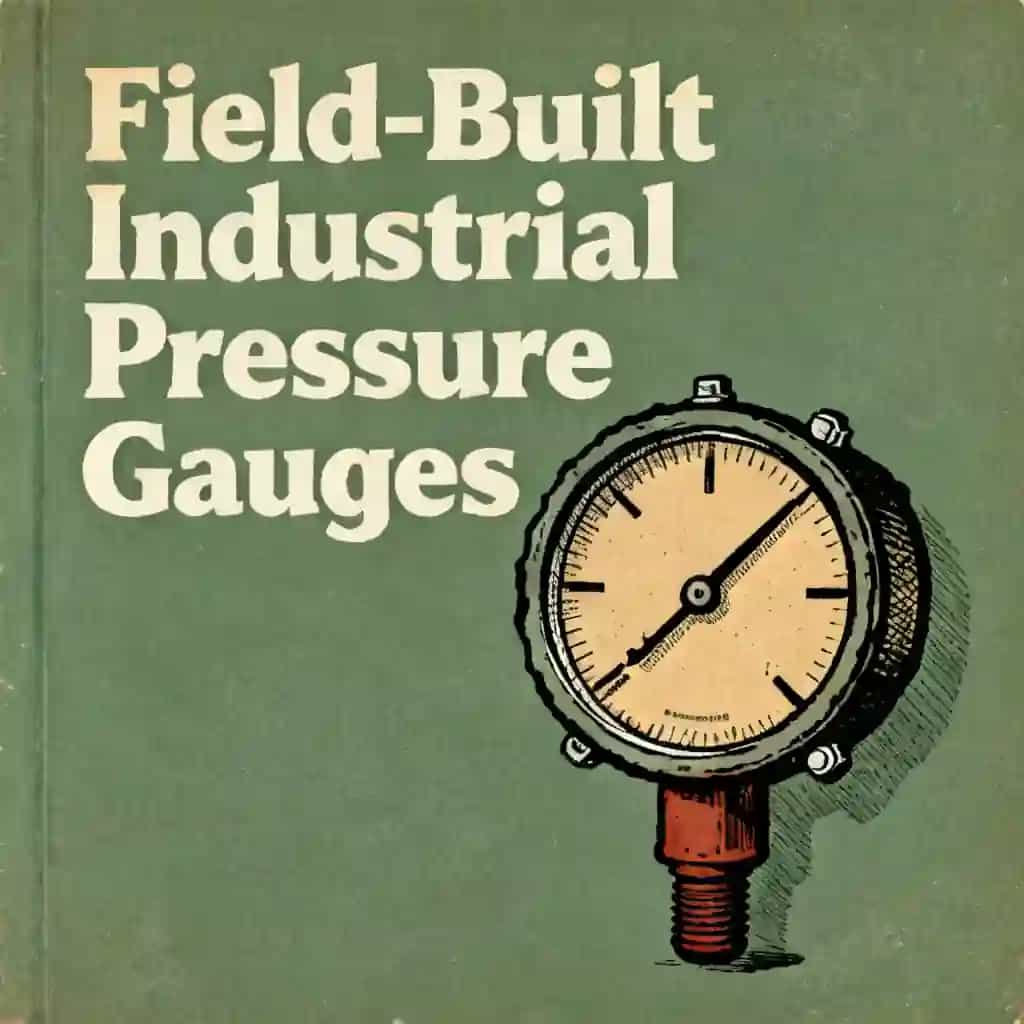
Selecting the right pressure gauge requires evaluating several critical factors to ensure accuracy and safety. You must consider the required pressure range, the chemical compatibility of the process media with the gauge materials, and the environmental conditions of the installation site. Additionally, determining the appropriate dial size and connection type is essential for proper integration into your industrial pressure measurement system. PI Controls provides a variety of mechanical pressure gauges designed to meet these specific industrial requirements.
Mechanical pressure gauges come in various designs tailored for different industrial applications. Common types include Bourdon tube gauges, which are ideal for general pressure monitoring, and diaphragm gauges, which are better suited for low-pressure or corrosive media. Bellows gauges are also used when high sensitivity is required. Understanding these types helps in choosing the right pressure monitoring tools for your specific operational needs, ensuring long-term reliability and precise measurement in the field.
Industrial pressure measurement is a fundamental aspect of process control and safety. Accurate pressure monitoring tools allow operators to maintain optimal system performance, prevent equipment failure, and ensure the safety of personnel by detecting overpressure conditions early. By using high-quality instruments from PI Controls, industries can achieve consistent results and comply with rigorous safety standards. Reliable gauges are indispensable for maintaining the integrity of piping systems and pressure vessels across various sectors.
From Columbia University alumni built in San Francisco
"Instead of endless scrolling, I just hit play on BeFreed. It saves me so much time."


"I never knew where to start with nonfiction—BeFreed’s book lists turned into podcasts gave me a clear path."


"Perfect balance between learning and entertainment. Finished ‘Thinking, Fast and Slow’ on my commute this week."
"Crazy how much I learned while walking the dog. BeFreed = small habits → big gains."
"Reading used to feel like a chore. Now it’s just part of my lifestyle."

"Feels effortless compared to reading. I’ve finished 6 books this month already."
"BeFreed turned my guilty doomscrolling into something that feels productive and inspiring."

"BeFreed turned my commute into learning time. 20-min podcasts are perfect for finishing books I never had time for."
"BeFreed replaced my podcast queue. Imagine Spotify for books — that’s it. 🙌"

"It is great for me to learn something from the book without reading it."
"The themed book list podcasts help me connect ideas across authors—like a guided audio journey."
"Makes me feel smarter every time before going to work"
From Columbia University alumni built in San Francisco
"Instead of endless scrolling, I just hit play on BeFreed. It saves me so much time."
"I never knew where to start with nonfiction—BeFreed’s book lists turned into podcasts gave me a clear path."
"Perfect balance between learning and entertainment. Finished ‘Thinking, Fast and Slow’ on my commute this week."
"Crazy how much I learned while walking the dog. BeFreed = small habits → big gains."
"Reading used to feel like a chore. Now it’s just part of my lifestyle."
"Feels effortless compared to reading. I’ve finished 6 books this month already."
"BeFreed turned my guilty doomscrolling into something that feels productive and inspiring."
"BeFreed turned my commute into learning time. 20-min podcasts are perfect for finishing books I never had time for."
"BeFreed replaced my podcast queue. Imagine Spotify for books — that’s it. 🙌"
"It is great for me to learn something from the book without reading it."
"The themed book list podcasts help me connect ideas across authors—like a guided audio journey."
"Makes me feel smarter every time before going to work"
"Instead of endless scrolling, I just hit play on BeFreed. It saves me so much time."
"I never knew where to start with nonfiction—BeFreed’s book lists turned into podcasts gave me a clear path."
"Perfect balance between learning and entertainment. Finished ‘Thinking, Fast and Slow’ on my commute this week."
"Crazy how much I learned while walking the dog. BeFreed = small habits → big gains."
"Reading used to feel like a chore. Now it’s just part of my lifestyle."
"Feels effortless compared to reading. I’ve finished 6 books this month already."
"BeFreed turned my guilty doomscrolling into something that feels productive and inspiring."
"BeFreed turned my commute into learning time. 20-min podcasts are perfect for finishing books I never had time for."
"BeFreed replaced my podcast queue. Imagine Spotify for books — that’s it. 🙌"
"It is great for me to learn something from the book without reading it."
"The themed book list podcasts help me connect ideas across authors—like a guided audio journey."
"Makes me feel smarter every time before going to work"
"Instead of endless scrolling, I just hit play on BeFreed. It saves me so much time."
"I never knew where to start with nonfiction—BeFreed’s book lists turned into podcasts gave me a clear path."
"Perfect balance between learning and entertainment. Finished ‘Thinking, Fast and Slow’ on my commute this week."
"Crazy how much I learned while walking the dog. BeFreed = small habits → big gains."
"Reading used to feel like a chore. Now it’s just part of my lifestyle."
"Feels effortless compared to reading. I’ve finished 6 books this month already."
"BeFreed turned my guilty doomscrolling into something that feels productive and inspiring."
"BeFreed turned my commute into learning time. 20-min podcasts are perfect for finishing books I never had time for."
"BeFreed replaced my podcast queue. Imagine Spotify for books — that’s it. 🙌"
"It is great for me to learn something from the book without reading it."
"The themed book list podcasts help me connect ideas across authors—like a guided audio journey."
"Makes me feel smarter every time before going to work"