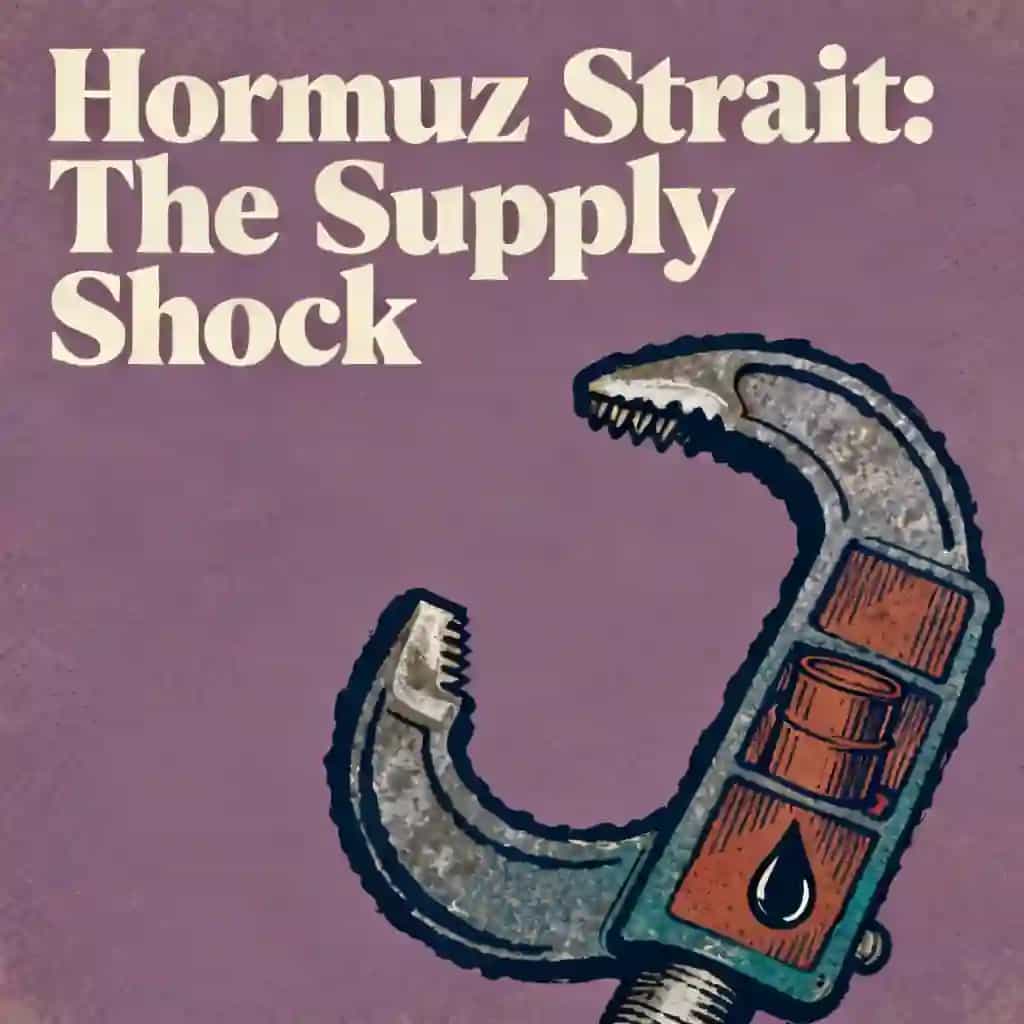
Peak Oil's Shifting Horizon
The IEA has dramatically revised its oil demand forecasts, now suggesting demand could rise until 2050 under current policies—a stark contrast to earlier predictions of a 2030 peak. Multiple scenarios exist, influenced by policy choices, EV adoption, and global energy needs.

Best quote from Peak Oil's Shifting Horizon
When we talk about peak oil demand, we're really talking about peak political commitment to alternatives. The technology exists, but the pace of adoption depends heavily on policy support.

This audio lesson was created by a BeFreed community member
What are the latest predictions for peak oil demand and what factors affect the timing

Discover more

The New Metabolic World Order
As the global economy pivots from carbon to electrons, understanding the intersection of energy and geopolitics is essential for strategic decision-making. This plan is designed for policy analysts, energy investors, and global strategists looking to navigate the transition to a green-energy-backed financial order.

Music, AI & Opportunity: The Future (2026-30)
As the music industry undergoes a radical digital transformation, understanding the intersection of AI and creative entrepreneurship is essential for survival. This plan is designed for musicians, tech entrepreneurs, and industry professionals looking to lead the next wave of innovation between 2026 and 2030.
PE/VC Hiring Challenges in Energy & Tech
This plan is essential for investment professionals and recruiters navigating the intersection of capital and specialized talent. It provides the strategic framework needed to identify and vet high-stakes leadership in the rapidly evolving Energy and Technology sectors.
Pipeline to Trading: Oil & Gas Career Path
This learning plan is designed for midstream professionals—schedulers, coordinators, and analysts—who want to expand their career trajectory into trading or leadership roles. It bridges the critical gap between operational expertise and commercial acumen, equipping you with the risk management knowledge, market fluency, and communication skills that energy companies value most in their future leaders.

The Geopolitical Chessboard of 2025
As the global order undergoes a fundamental transformation, understanding the intersection of geography and systemic risk is essential for strategic decision-making. This plan is designed for policy analysts, business leaders, and global thinkers who need to navigate the complexities of a multipolar world.

Regional Power and Economic Engines
Understanding regional economic dynamics is essential for urban planners, investors, and policy analysts navigating a shifting landscape. This plan provides a roadmap for identifying emerging growth engines and revitalizing legacy industrial hubs.

Macroeconomic Shifts and Market Survival
This learning plan is essential for investors and professionals looking to demystify complex global economic forces. It provides a practical roadmap for anyone wanting to translate high-level fiscal policies and market cycles into actionable financial decisions.

The history and future of ai
As AI reshapes every industry, understanding its origins and technical mechanics is essential for informed decision-making. This plan is ideal for professionals and curious learners who want to move beyond the hype to understand the ethics and future of superintelligence.
From Columbia University alumni built in San Francisco
"Instead of endless scrolling, I just hit play on BeFreed. It saves me so much time."


"I never knew where to start with nonfiction—BeFreed’s book lists turned into podcasts gave me a clear path."


"Perfect balance between learning and entertainment. Finished ‘Thinking, Fast and Slow’ on my commute this week."
"Crazy how much I learned while walking the dog. BeFreed = small habits → big gains."
"Reading used to feel like a chore. Now it’s just part of my lifestyle."

"Feels effortless compared to reading. I’ve finished 6 books this month already."
"BeFreed turned my guilty doomscrolling into something that feels productive and inspiring."

"BeFreed turned my commute into learning time. 20-min podcasts are perfect for finishing books I never had time for."
"BeFreed replaced my podcast queue. Imagine Spotify for books — that’s it. 🙌"

"It is great for me to learn something from the book without reading it."
"The themed book list podcasts help me connect ideas across authors—like a guided audio journey."
"Makes me feel smarter every time before going to work"
From Columbia University alumni built in San Francisco
"Instead of endless scrolling, I just hit play on BeFreed. It saves me so much time."
"I never knew where to start with nonfiction—BeFreed’s book lists turned into podcasts gave me a clear path."
"Perfect balance between learning and entertainment. Finished ‘Thinking, Fast and Slow’ on my commute this week."
"Crazy how much I learned while walking the dog. BeFreed = small habits → big gains."
"Reading used to feel like a chore. Now it’s just part of my lifestyle."
"Feels effortless compared to reading. I’ve finished 6 books this month already."
"BeFreed turned my guilty doomscrolling into something that feels productive and inspiring."
"BeFreed turned my commute into learning time. 20-min podcasts are perfect for finishing books I never had time for."
"BeFreed replaced my podcast queue. Imagine Spotify for books — that’s it. 🙌"
"It is great for me to learn something from the book without reading it."
"The themed book list podcasts help me connect ideas across authors—like a guided audio journey."
"Makes me feel smarter every time before going to work"
"Instead of endless scrolling, I just hit play on BeFreed. It saves me so much time."
"I never knew where to start with nonfiction—BeFreed’s book lists turned into podcasts gave me a clear path."
"Perfect balance between learning and entertainment. Finished ‘Thinking, Fast and Slow’ on my commute this week."
"Crazy how much I learned while walking the dog. BeFreed = small habits → big gains."
"Reading used to feel like a chore. Now it’s just part of my lifestyle."
"Feels effortless compared to reading. I’ve finished 6 books this month already."
"BeFreed turned my guilty doomscrolling into something that feels productive and inspiring."
"BeFreed turned my commute into learning time. 20-min podcasts are perfect for finishing books I never had time for."
"BeFreed replaced my podcast queue. Imagine Spotify for books — that’s it. 🙌"
"It is great for me to learn something from the book without reading it."
"The themed book list podcasts help me connect ideas across authors—like a guided audio journey."
"Makes me feel smarter every time before going to work"
"Instead of endless scrolling, I just hit play on BeFreed. It saves me so much time."
"I never knew where to start with nonfiction—BeFreed’s book lists turned into podcasts gave me a clear path."
"Perfect balance between learning and entertainment. Finished ‘Thinking, Fast and Slow’ on my commute this week."
"Crazy how much I learned while walking the dog. BeFreed = small habits → big gains."
"Reading used to feel like a chore. Now it’s just part of my lifestyle."
"Feels effortless compared to reading. I’ve finished 6 books this month already."
"BeFreed turned my guilty doomscrolling into something that feels productive and inspiring."
"BeFreed turned my commute into learning time. 20-min podcasts are perfect for finishing books I never had time for."
"BeFreed replaced my podcast queue. Imagine Spotify for books — that’s it. 🙌"
"It is great for me to learn something from the book without reading it."
"The themed book list podcasts help me connect ideas across authors—like a guided audio journey."
"Makes me feel smarter every time before going to work"