Paul Auster’s City of Glass: The Book Inside the Book
Explore Paul Auster’s City of Glass as we discuss Daniel Quinn, identity, and the postmodern detective mystery where the lines between author and character blur.

Best quote from Paul Auster’s City of Glass: The Book Inside the Book
We think we’re the authors of our lives, but we’re just ghostwriters for our own fictional personas.

This audio lesson was created by a BeFreed community member
An exploration of the 'book inside the book' in Paul Auster's City of Glass, focusing on its metafictional layers, the references to other literary works, and how these nested narratives contribute to the themes of identity and metaphysical crisis. The user is an avid reader who has just finished the book and is comfortable with spoilers.






Frequently Asked Questions
In City of Glass, the mystery shifts away from a traditional crime and focuses on the identity of the person holding the book. The story follows Daniel Quinn, a writer who has lost his family and lives as a ghost under a pseudonym. When he receives a phone call meant for a detective named Paul Auster, he chooses to assume that identity, leading to a complex exploration of self and the 'Symbolic' realm of language.
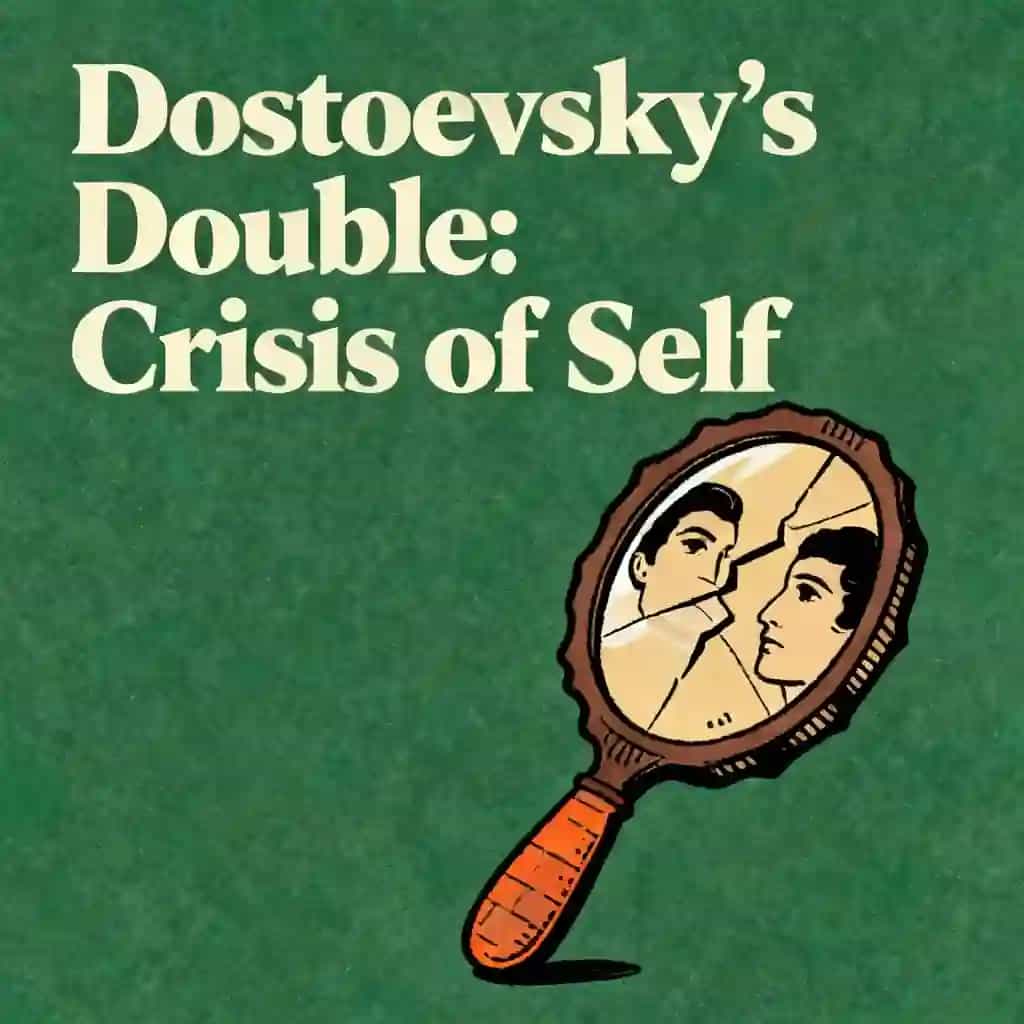
Daniel Quinn is a character who exists through multiple layers of identity, much like a set of nesting dolls. He writes under the pseudonym William Wilson and creates a fictional detective character named Max Work. When the opportunity arises to step into the life of a real-world detective, he adopts the name Paul Auster. This transition suggests he is hollowed out and searching for any shell or role to inhabit to escape his own life.
The book subverts the detective genre by making the investigation internal rather than external. Instead of solving a standard case, the protagonist Daniel Quinn disappears into his own life and the names he adopts. By accepting a name that isn't his, Quinn tests whether language and the 'Symbolic' realm can provide a new life. This focus on the 'book inside the book' and the instability of identity are hallmarks of Auster's work in The New York Trilogy.
From Columbia University alumni built in San Francisco
"Instead of endless scrolling, I just hit play on BeFreed. It saves me so much time."


"I never knew where to start with nonfiction—BeFreed’s book lists turned into podcasts gave me a clear path."


"Perfect balance between learning and entertainment. Finished ‘Thinking, Fast and Slow’ on my commute this week."
"Crazy how much I learned while walking the dog. BeFreed = small habits → big gains."
"Reading used to feel like a chore. Now it’s just part of my lifestyle."

"Feels effortless compared to reading. I’ve finished 6 books this month already."
"BeFreed turned my guilty doomscrolling into something that feels productive and inspiring."

"BeFreed turned my commute into learning time. 20-min podcasts are perfect for finishing books I never had time for."
"BeFreed replaced my podcast queue. Imagine Spotify for books — that’s it. 🙌"

"It is great for me to learn something from the book without reading it."
"The themed book list podcasts help me connect ideas across authors—like a guided audio journey."
"Makes me feel smarter every time before going to work"
From Columbia University alumni built in San Francisco
"Instead of endless scrolling, I just hit play on BeFreed. It saves me so much time."
"I never knew where to start with nonfiction—BeFreed’s book lists turned into podcasts gave me a clear path."
"Perfect balance between learning and entertainment. Finished ‘Thinking, Fast and Slow’ on my commute this week."
"Crazy how much I learned while walking the dog. BeFreed = small habits → big gains."
"Reading used to feel like a chore. Now it’s just part of my lifestyle."
"Feels effortless compared to reading. I’ve finished 6 books this month already."
"BeFreed turned my guilty doomscrolling into something that feels productive and inspiring."
"BeFreed turned my commute into learning time. 20-min podcasts are perfect for finishing books I never had time for."
"BeFreed replaced my podcast queue. Imagine Spotify for books — that’s it. 🙌"
"It is great for me to learn something from the book without reading it."
"The themed book list podcasts help me connect ideas across authors—like a guided audio journey."
"Makes me feel smarter every time before going to work"
"Instead of endless scrolling, I just hit play on BeFreed. It saves me so much time."
"I never knew where to start with nonfiction—BeFreed’s book lists turned into podcasts gave me a clear path."
"Perfect balance between learning and entertainment. Finished ‘Thinking, Fast and Slow’ on my commute this week."
"Crazy how much I learned while walking the dog. BeFreed = small habits → big gains."
"Reading used to feel like a chore. Now it’s just part of my lifestyle."
"Feels effortless compared to reading. I’ve finished 6 books this month already."
"BeFreed turned my guilty doomscrolling into something that feels productive and inspiring."
"BeFreed turned my commute into learning time. 20-min podcasts are perfect for finishing books I never had time for."
"BeFreed replaced my podcast queue. Imagine Spotify for books — that’s it. 🙌"
"It is great for me to learn something from the book without reading it."
"The themed book list podcasts help me connect ideas across authors—like a guided audio journey."
"Makes me feel smarter every time before going to work"
"Instead of endless scrolling, I just hit play on BeFreed. It saves me so much time."
"I never knew where to start with nonfiction—BeFreed’s book lists turned into podcasts gave me a clear path."
"Perfect balance between learning and entertainment. Finished ‘Thinking, Fast and Slow’ on my commute this week."
"Crazy how much I learned while walking the dog. BeFreed = small habits → big gains."
"Reading used to feel like a chore. Now it’s just part of my lifestyle."
"Feels effortless compared to reading. I’ve finished 6 books this month already."
"BeFreed turned my guilty doomscrolling into something that feels productive and inspiring."
"BeFreed turned my commute into learning time. 20-min podcasts are perfect for finishing books I never had time for."
"BeFreed replaced my podcast queue. Imagine Spotify for books — that’s it. 🙌"
"It is great for me to learn something from the book without reading it."
"The themed book list podcasts help me connect ideas across authors—like a guided audio journey."
"Makes me feel smarter every time before going to work"