Nvidia and the AI Paradox: Market Trends and Forward P/E Ratios
Explore the Nvidia and AI paradox. Learn why AI infrastructure stocks face a market disconnect despite record growth and Nvidia's lowest forward P/E in a decade.
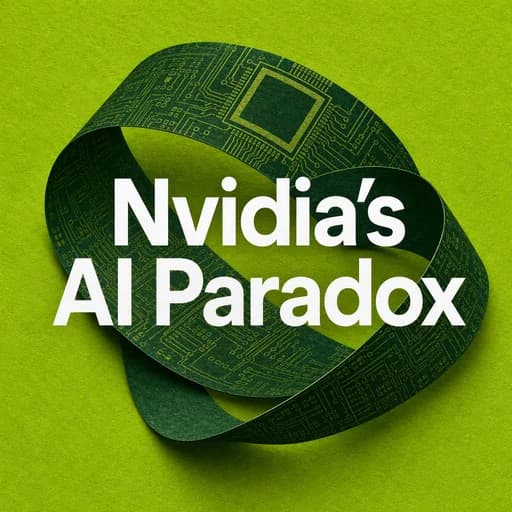
Best quote from Nvidia and the AI Paradox: Market Trends and Forward P/E Ratios
The efficiency gains from open source don't destroy demand; they unlock it. When you make a token cheaper to produce, people don’t just save money; they use way more tokens and find entirely new ways to use them.
Generated by Aditya
Create a high-quality, investment-memo style audio documentary based on the attached Nvidia/AI infrastructure source. Structure it like an 'Acquired' episode combined with a NotebookLM Audio Overview, following Marc Andreessen's reasoning style (leading with counterarguments, challenging assumptions, and tagging conclusions with confidence levels). The audience is intelligent but needs first-principles explanations of technical concepts like Forward P/E, GPU demand vs. supply, training vs. inference, and demand elasticity. Cover the central paradox of falling stock prices amid improving fundamentals, examine bearish arguments (interest rates, overinvestment, regulatory risk), and evaluate them using evidence from the source. Explicitly conclude with which quantitative metrics would actually invalidate the bullish thesis versus those that are just noise. Attached source: 'I want to be scared, you know. I don't want to feel like …' (Nvidia/AI infrastructure discussion).


Frequently Asked Questions
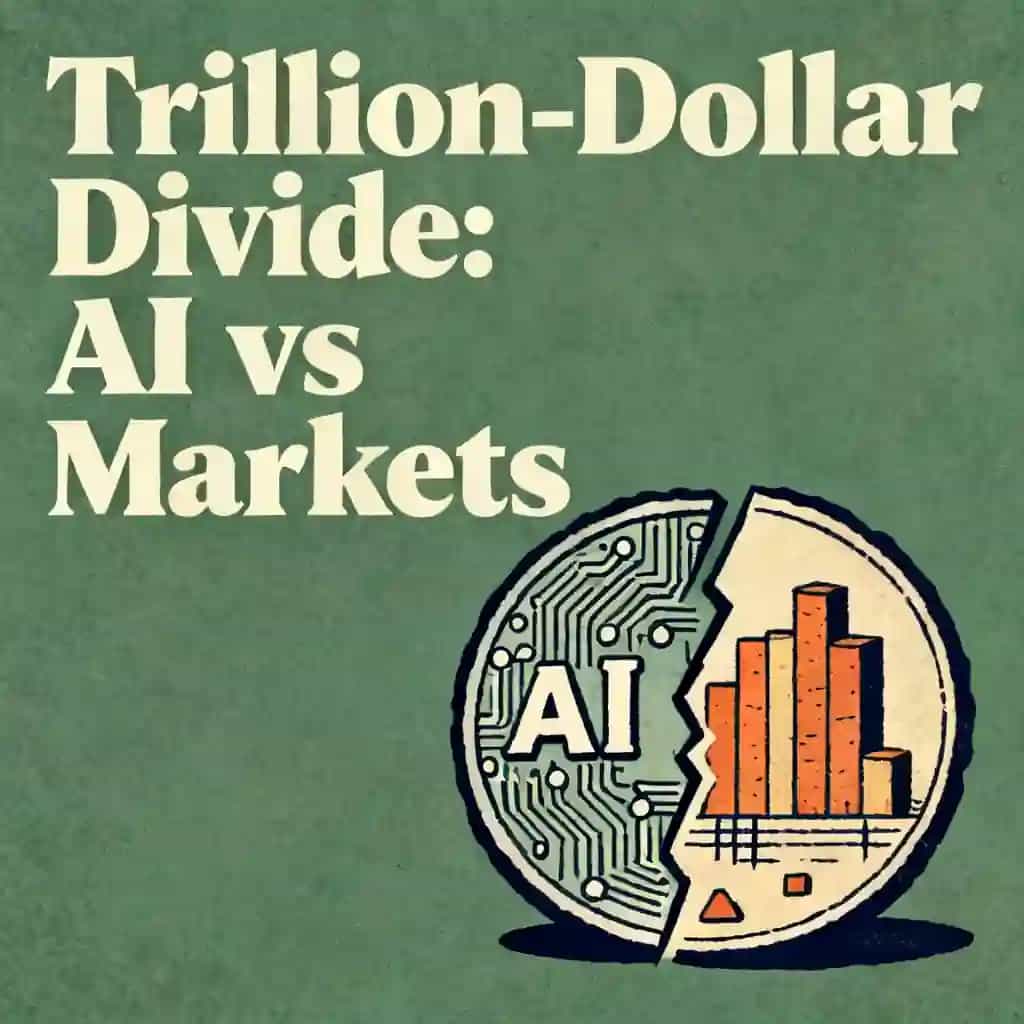
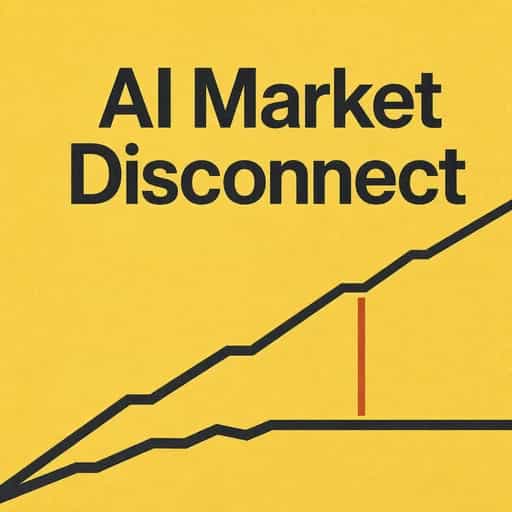
The central paradox involves a bizarre disconnect between business fundamentals and stock performance. While massive companies in the AI infrastructure space are reporting record numbers, accelerating growth, and a demand for chips that resembles a global arms race, their stock prices have been sliding. This suggests the market is pricing these companies as if the current growth cycle is about to end, despite the business fundamentals actually getting better.
According to insights from Gavin Baker of Atreides Management, Nvidia is currently trading at its lowest forward price-to-earnings (P/E) ratio of the last decade. A forward P/E ratio measures how much investors pay for every dollar of expected profit for the coming year. This low ratio indicates that the market is skeptical, suggesting that while the company is making money now, investors are unsure if that profitability will last.
The demand for AI infrastructure and chips is currently described as looking more like a global arms race than a standard business cycle. Major companies are reporting record-breaking growth and massive numbers in this sector. However, despite this intense demand and the strengthening fundamentals of the business, the market is reacting with skepticism, leading to the current puzzle facing investors in Silicon Valley and beyond.
From Columbia University alumni built in San Francisco
"Instead of endless scrolling, I just hit play on BeFreed. It saves me so much time."


"I never knew where to start with nonfiction—BeFreed’s book lists turned into podcasts gave me a clear path."


"Perfect balance between learning and entertainment. Finished ‘Thinking, Fast and Slow’ on my commute this week."
"Crazy how much I learned while walking the dog. BeFreed = small habits → big gains."
"Reading used to feel like a chore. Now it’s just part of my lifestyle."

"Feels effortless compared to reading. I’ve finished 6 books this month already."
"BeFreed turned my guilty doomscrolling into something that feels productive and inspiring."

"BeFreed turned my commute into learning time. 20-min podcasts are perfect for finishing books I never had time for."
"BeFreed replaced my podcast queue. Imagine Spotify for books — that’s it. 🙌"

"It is great for me to learn something from the book without reading it."
"The themed book list podcasts help me connect ideas across authors—like a guided audio journey."
"Makes me feel smarter every time before going to work"
From Columbia University alumni built in San Francisco
"Instead of endless scrolling, I just hit play on BeFreed. It saves me so much time."
"I never knew where to start with nonfiction—BeFreed’s book lists turned into podcasts gave me a clear path."
"Perfect balance between learning and entertainment. Finished ‘Thinking, Fast and Slow’ on my commute this week."
"Crazy how much I learned while walking the dog. BeFreed = small habits → big gains."
"Reading used to feel like a chore. Now it’s just part of my lifestyle."
"Feels effortless compared to reading. I’ve finished 6 books this month already."
"BeFreed turned my guilty doomscrolling into something that feels productive and inspiring."
"BeFreed turned my commute into learning time. 20-min podcasts are perfect for finishing books I never had time for."
"BeFreed replaced my podcast queue. Imagine Spotify for books — that’s it. 🙌"
"It is great for me to learn something from the book without reading it."
"The themed book list podcasts help me connect ideas across authors—like a guided audio journey."
"Makes me feel smarter every time before going to work"
"Instead of endless scrolling, I just hit play on BeFreed. It saves me so much time."
"I never knew where to start with nonfiction—BeFreed’s book lists turned into podcasts gave me a clear path."
"Perfect balance between learning and entertainment. Finished ‘Thinking, Fast and Slow’ on my commute this week."
"Crazy how much I learned while walking the dog. BeFreed = small habits → big gains."
"Reading used to feel like a chore. Now it’s just part of my lifestyle."
"Feels effortless compared to reading. I’ve finished 6 books this month already."
"BeFreed turned my guilty doomscrolling into something that feels productive and inspiring."
"BeFreed turned my commute into learning time. 20-min podcasts are perfect for finishing books I never had time for."
"BeFreed replaced my podcast queue. Imagine Spotify for books — that’s it. 🙌"
"It is great for me to learn something from the book without reading it."
"The themed book list podcasts help me connect ideas across authors—like a guided audio journey."
"Makes me feel smarter every time before going to work"
"Instead of endless scrolling, I just hit play on BeFreed. It saves me so much time."
"I never knew where to start with nonfiction—BeFreed’s book lists turned into podcasts gave me a clear path."
"Perfect balance between learning and entertainment. Finished ‘Thinking, Fast and Slow’ on my commute this week."
"Crazy how much I learned while walking the dog. BeFreed = small habits → big gains."
"Reading used to feel like a chore. Now it’s just part of my lifestyle."
"Feels effortless compared to reading. I’ve finished 6 books this month already."
"BeFreed turned my guilty doomscrolling into something that feels productive and inspiring."
"BeFreed turned my commute into learning time. 20-min podcasts are perfect for finishing books I never had time for."
"BeFreed replaced my podcast queue. Imagine Spotify for books — that’s it. 🙌"
"It is great for me to learn something from the book without reading it."
"The themed book list podcasts help me connect ideas across authors—like a guided audio journey."
"Makes me feel smarter every time before going to work"

![[58fbcc90-6393-404d-883e-75d02cc9c7f1:c0000] I want to be scared, you know. I don't want to feel like … p1-1](/_next/image?url=https%3A%2F%2Fd1y2du6z1jfm9e.cloudfront.net%2Fassets%2Fpodcast%2Fyellow.png&w=1024&q=50)
![[58fbcc90-6393-404d-883e-75d02cc9c7f1:c0001] I want to be scared, you know. I don't want to feel like … p1-1](/_next/image?url=https%3A%2F%2Fd1y2du6z1jfm9e.cloudfront.net%2Fassets%2Fpodcast%2Fgreen.png&w=1024&q=50)
![[58fbcc90-6393-404d-883e-75d02cc9c7f1:c0002] I want to be scared, you know. I don't want to feel like … p1-1](/_next/image?url=https%3A%2F%2Fd1y2du6z1jfm9e.cloudfront.net%2Fassets%2Fpodcast%2Fblue.png&w=1024&q=50)
![[58fbcc90-6393-404d-883e-75d02cc9c7f1:c0003] I want to be scared, you know. I don't want to feel like … p1-1](/_next/image?url=https%3A%2F%2Fd1y2du6z1jfm9e.cloudfront.net%2Fassets%2Fpodcast%2Fpurple.png&w=1024&q=50)