Notorious Unsolved Crimes That Haunt History
Dive into the world's most baffling cold cases, from D.B. Cooper's daring hijacking to other mysteries that have stumped investigators for decades. Explore the science, psychology, and modern tools used to crack seemingly impossible cases.

Best quote from Notorious Unsolved Crimes That Haunt History
These cases aren't unsolvable because they're inherently impossible to crack—they're unsolvable because we haven't yet applied the right combination of modern tools and fresh perspectives.

This audio lesson was created by a BeFreed community member
I want to learn about some of the most notorious unsolved crimes. Things like D.B cooper.


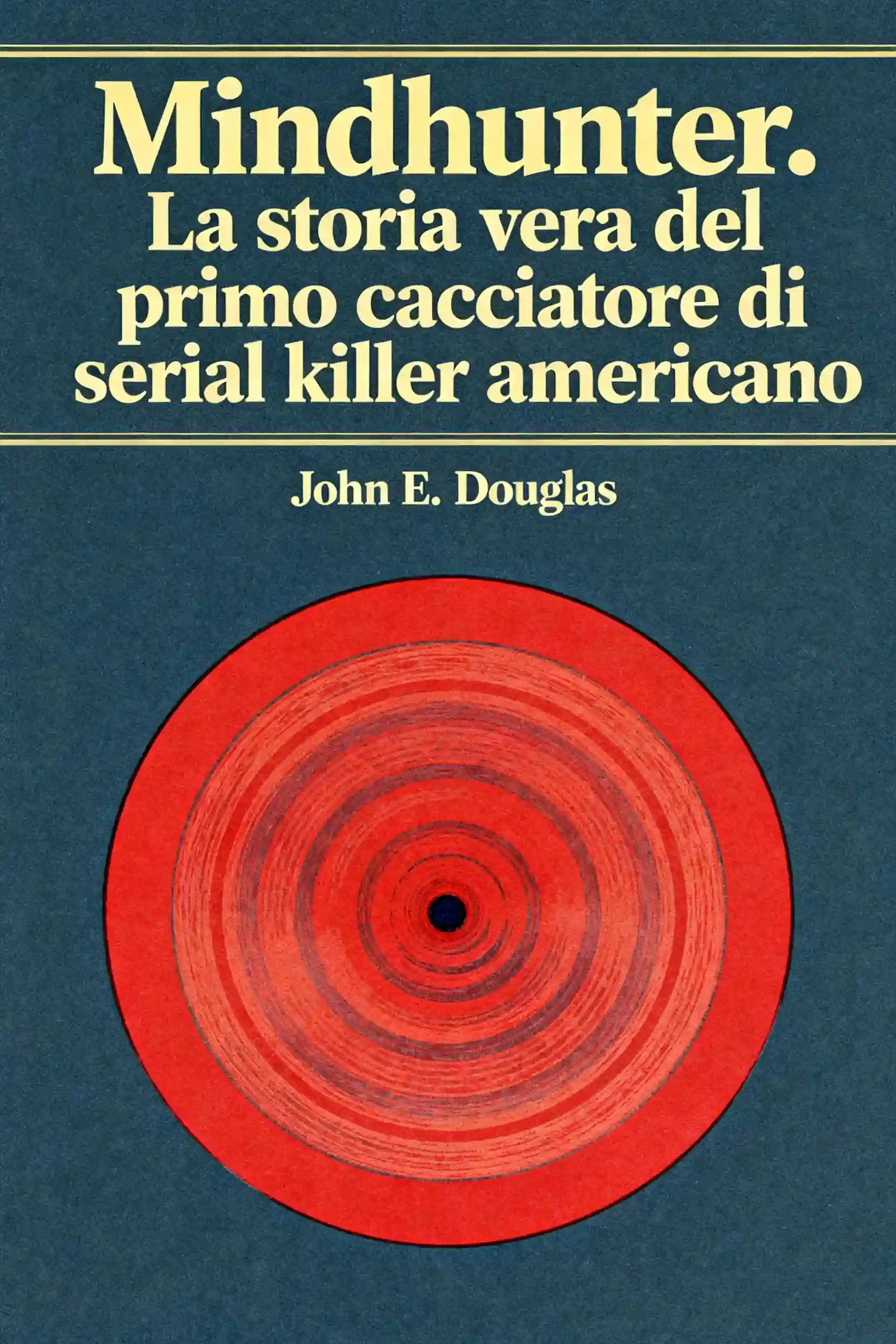
Discover more

The Hidden Psychology of Female Serial Killers
This course provides a deep dive into the unique behavioral patterns and psychological frameworks of female offenders. It is essential for criminology students, true crime enthusiasts, and legal professionals seeking to move beyond gender stereotypes in criminal profiling.

Inside the Profiler's Mind
This plan provides a foundational look at the transition from traditional investigative methods to scientific behavioral analysis. It is ideal for true crime enthusiasts and aspiring criminologists seeking to understand the reality behind criminal psychology.

Detective
This learning plan bridges the gap between fictional investigative brilliance and real-world forensic application. It is ideal for aspiring investigators, true crime enthusiasts, or anyone looking to sharpen their analytical and psychological profiling skills.
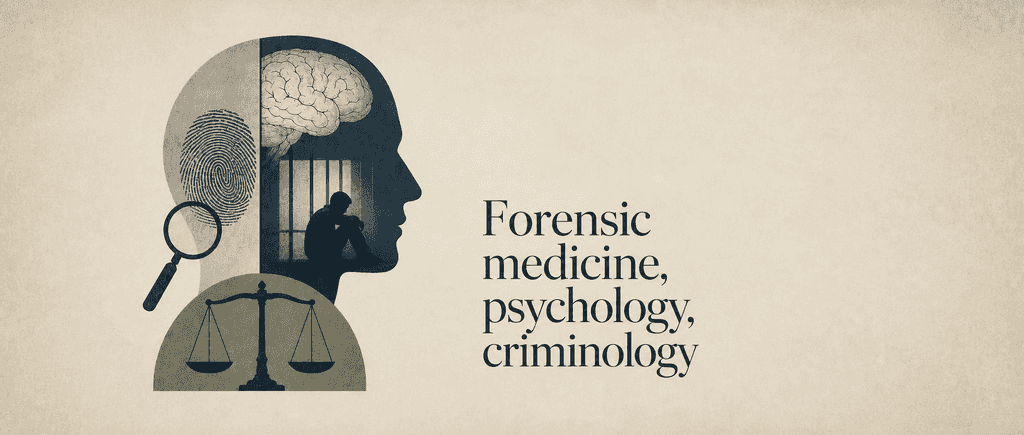
Frorensic medicine, psychology, criminology
This comprehensive plan bridges the gap between biological evidence and psychological motivation in the justice system. It is ideal for aspiring investigators, legal professionals, or true crime enthusiasts seeking a rigorous scientific understanding of how crimes are solved and prevented.

Johan Liebert
This plan provides a deep dive into criminal psychology and the mechanics of manipulation. It is ideal for students of psychology, true crime enthusiasts, or anyone seeking to understand the darkest aspects of human behavior.

The Mind of the Hunter
Understanding the psychological architecture of violent offenders is crucial for professionals in criminal justice and forensic psychology. This plan is ideal for aspiring profilers or true crime enthusiasts looking to move beyond headlines into the science of behavioral analysis.

Secrets of a Strange Earth
This plan is designed for curious minds who want to look beyond conventional knowledge to understand the anomalies of our universe and species. It is perfect for lifelong learners and trivia enthusiasts seeking to bridge the gap between science, history, and psychology.

Nature's Lethal Ambition
This plan offers a unique look at how humanity has harnessed nature's toxins for power, war, and status. It is ideal for history buffs, science enthusiasts, and true crime fans interested in the dark evolution of toxicology.
From Columbia University alumni built in San Francisco
"Instead of endless scrolling, I just hit play on BeFreed. It saves me so much time."


"I never knew where to start with nonfiction—BeFreed’s book lists turned into podcasts gave me a clear path."


"Perfect balance between learning and entertainment. Finished ‘Thinking, Fast and Slow’ on my commute this week."
"Crazy how much I learned while walking the dog. BeFreed = small habits → big gains."
"Reading used to feel like a chore. Now it’s just part of my lifestyle."

"Feels effortless compared to reading. I’ve finished 6 books this month already."
"BeFreed turned my guilty doomscrolling into something that feels productive and inspiring."

"BeFreed turned my commute into learning time. 20-min podcasts are perfect for finishing books I never had time for."
"BeFreed replaced my podcast queue. Imagine Spotify for books — that’s it. 🙌"

"It is great for me to learn something from the book without reading it."
"The themed book list podcasts help me connect ideas across authors—like a guided audio journey."
"Makes me feel smarter every time before going to work"
From Columbia University alumni built in San Francisco
"Instead of endless scrolling, I just hit play on BeFreed. It saves me so much time."
"I never knew where to start with nonfiction—BeFreed’s book lists turned into podcasts gave me a clear path."
"Perfect balance between learning and entertainment. Finished ‘Thinking, Fast and Slow’ on my commute this week."
"Crazy how much I learned while walking the dog. BeFreed = small habits → big gains."
"Reading used to feel like a chore. Now it’s just part of my lifestyle."
"Feels effortless compared to reading. I’ve finished 6 books this month already."
"BeFreed turned my guilty doomscrolling into something that feels productive and inspiring."
"BeFreed turned my commute into learning time. 20-min podcasts are perfect for finishing books I never had time for."
"BeFreed replaced my podcast queue. Imagine Spotify for books — that’s it. 🙌"
"It is great for me to learn something from the book without reading it."
"The themed book list podcasts help me connect ideas across authors—like a guided audio journey."
"Makes me feel smarter every time before going to work"
"Instead of endless scrolling, I just hit play on BeFreed. It saves me so much time."
"I never knew where to start with nonfiction—BeFreed’s book lists turned into podcasts gave me a clear path."
"Perfect balance between learning and entertainment. Finished ‘Thinking, Fast and Slow’ on my commute this week."
"Crazy how much I learned while walking the dog. BeFreed = small habits → big gains."
"Reading used to feel like a chore. Now it’s just part of my lifestyle."
"Feels effortless compared to reading. I’ve finished 6 books this month already."
"BeFreed turned my guilty doomscrolling into something that feels productive and inspiring."
"BeFreed turned my commute into learning time. 20-min podcasts are perfect for finishing books I never had time for."
"BeFreed replaced my podcast queue. Imagine Spotify for books — that’s it. 🙌"
"It is great for me to learn something from the book without reading it."
"The themed book list podcasts help me connect ideas across authors—like a guided audio journey."
"Makes me feel smarter every time before going to work"
"Instead of endless scrolling, I just hit play on BeFreed. It saves me so much time."
"I never knew where to start with nonfiction—BeFreed’s book lists turned into podcasts gave me a clear path."
"Perfect balance between learning and entertainment. Finished ‘Thinking, Fast and Slow’ on my commute this week."
"Crazy how much I learned while walking the dog. BeFreed = small habits → big gains."
"Reading used to feel like a chore. Now it’s just part of my lifestyle."
"Feels effortless compared to reading. I’ve finished 6 books this month already."
"BeFreed turned my guilty doomscrolling into something that feels productive and inspiring."
"BeFreed turned my commute into learning time. 20-min podcasts are perfect for finishing books I never had time for."
"BeFreed replaced my podcast queue. Imagine Spotify for books — that’s it. 🙌"
"It is great for me to learn something from the book without reading it."
"The themed book list podcasts help me connect ideas across authors—like a guided audio journey."
"Makes me feel smarter every time before going to work"