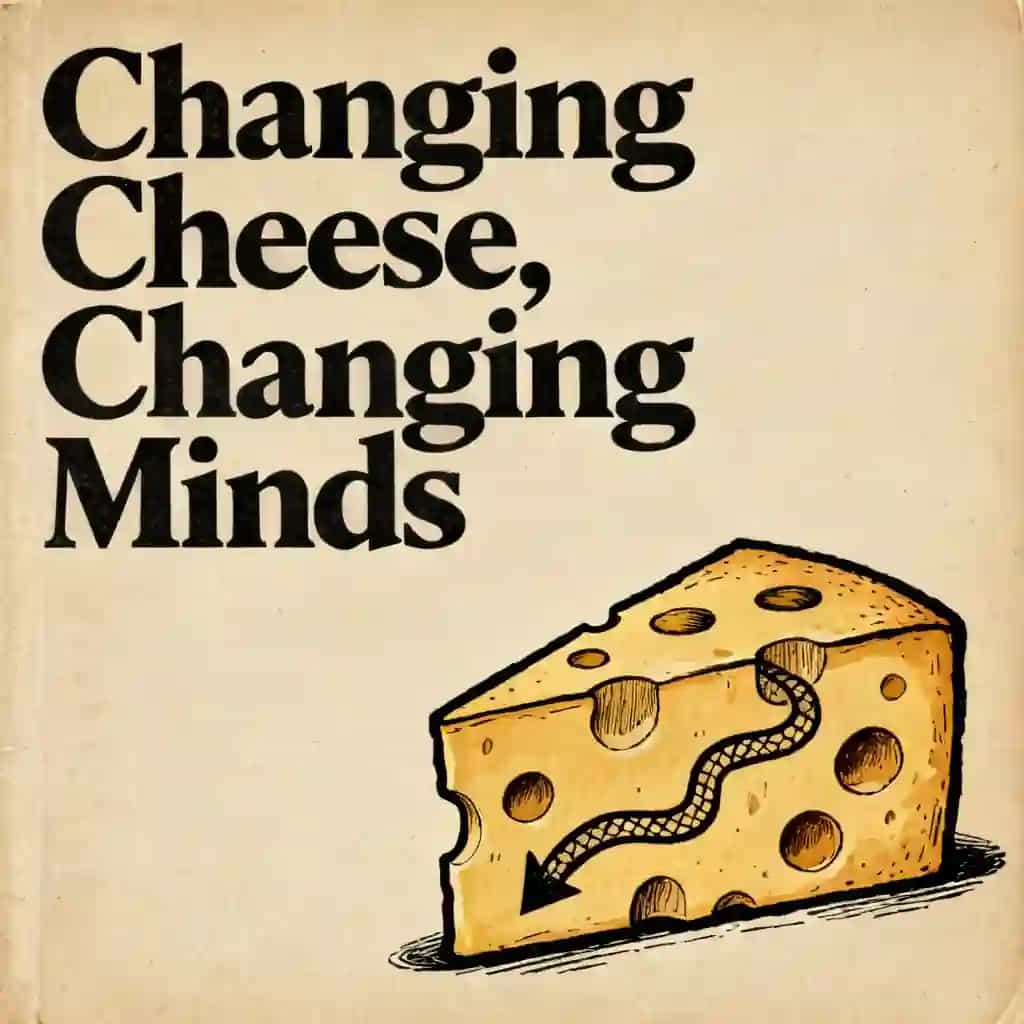
Navigating Life's Cheese Maze
Explore the enduring wisdom of 'Who Moved My Cheese?' and how this simple parable about mice, humans, and missing cheese became a global phenomenon teaching us how to adapt to life's inevitable changes.

Best quote from Navigating Life's Cheese Maze
The fear you let build up in your mind is worse than the situation that actually exists. Once you start moving, even though you're scared, you begin to feel better almost immediately.

This audio lesson was created by a BeFreed community member
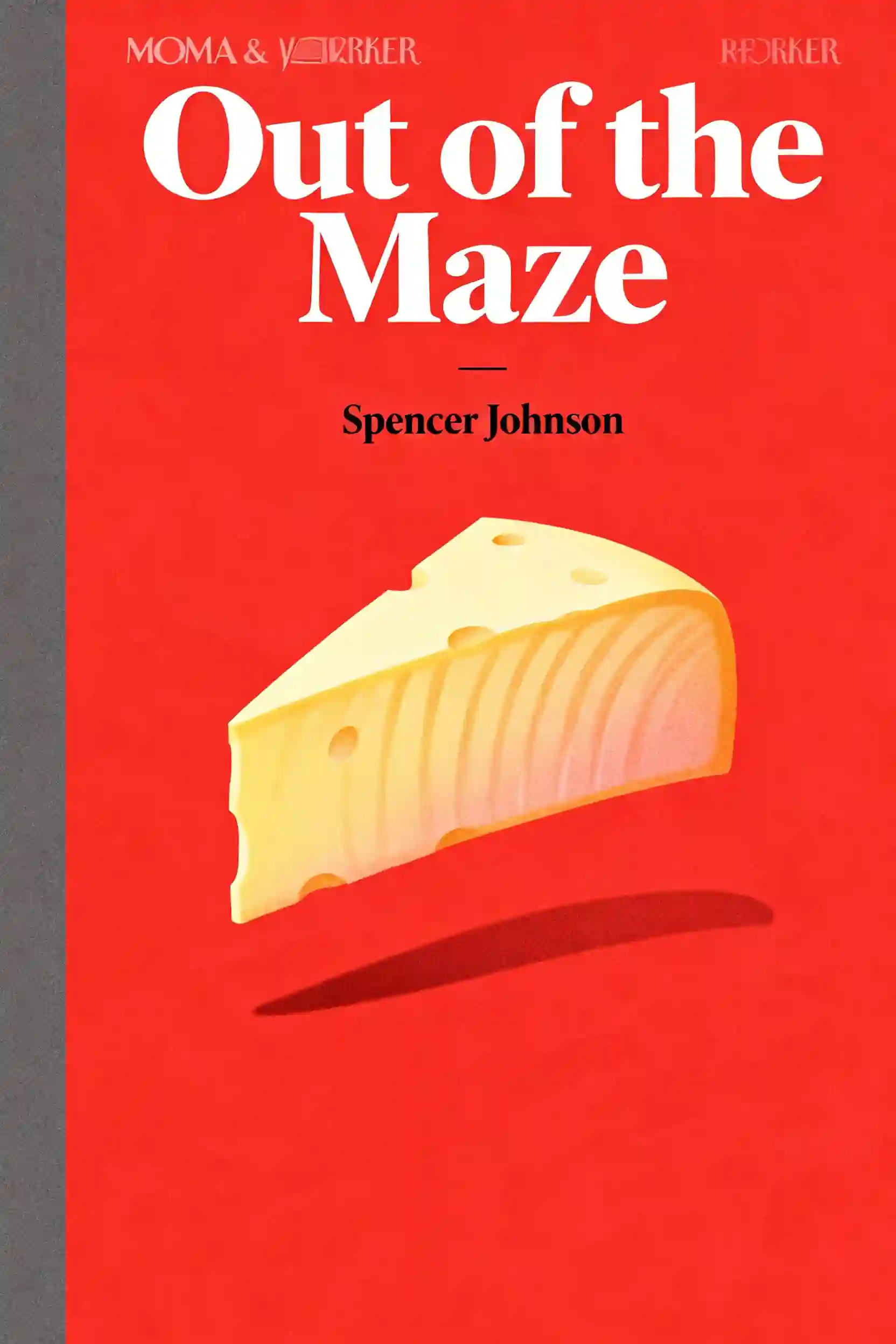
Book who moved my cheese


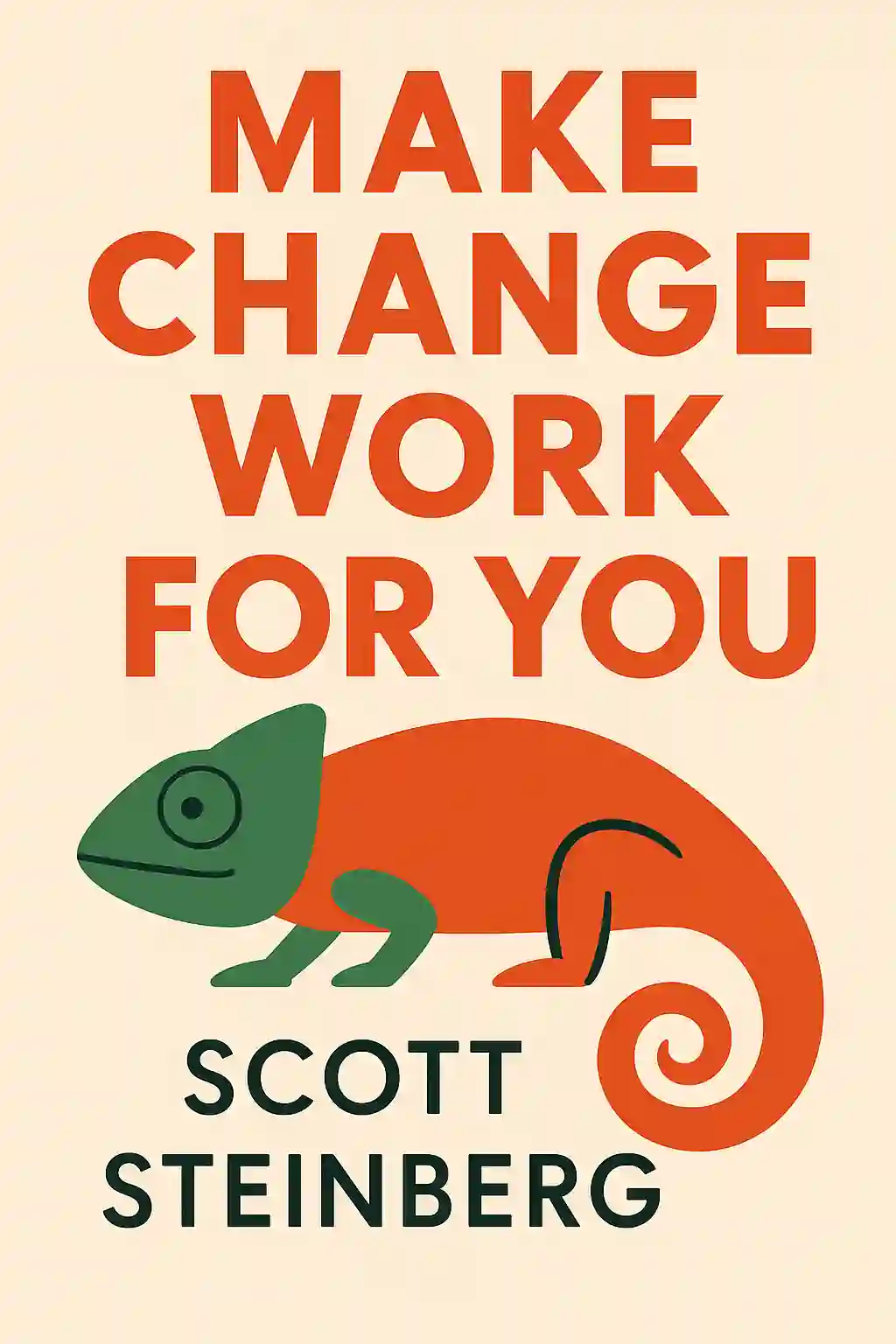
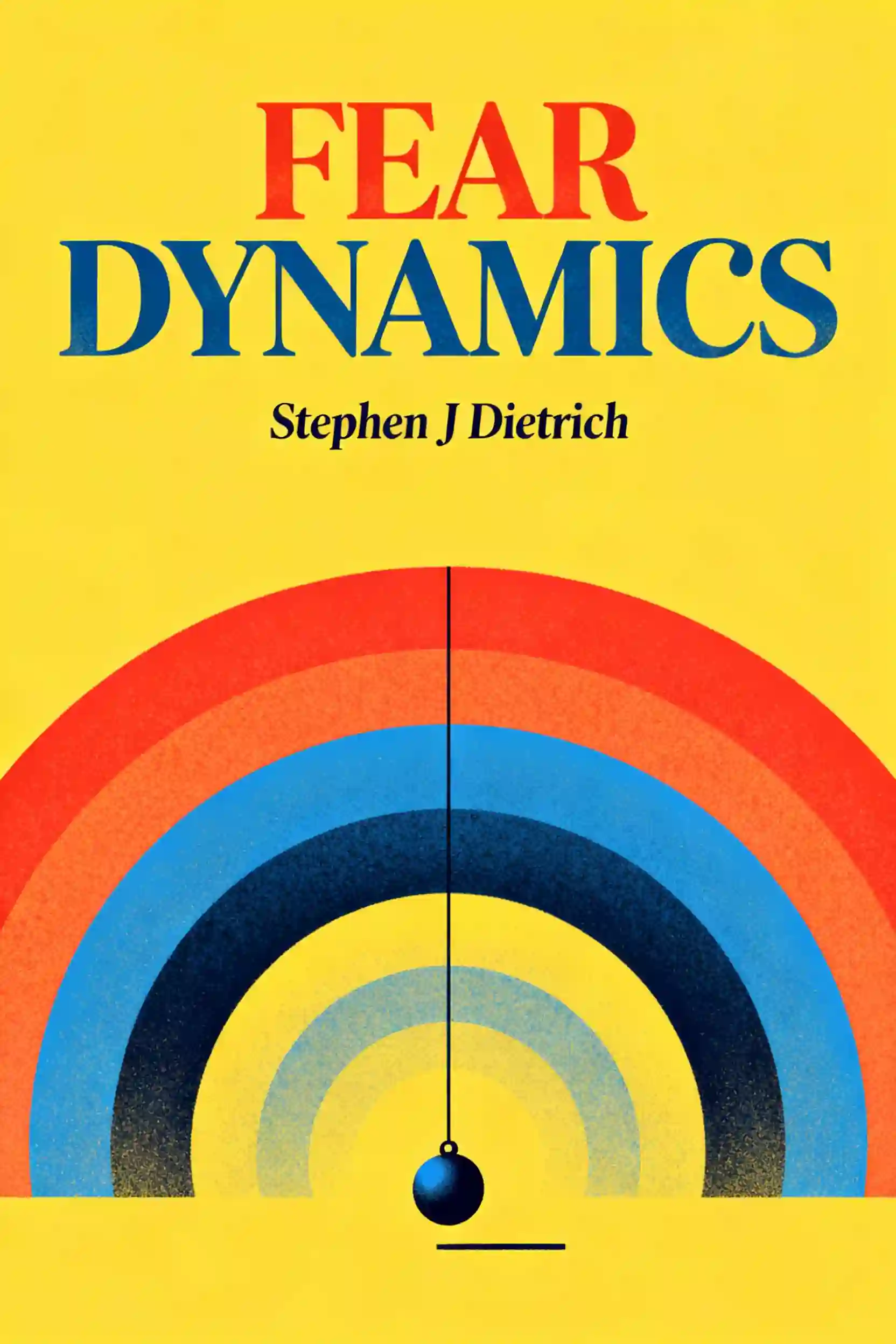
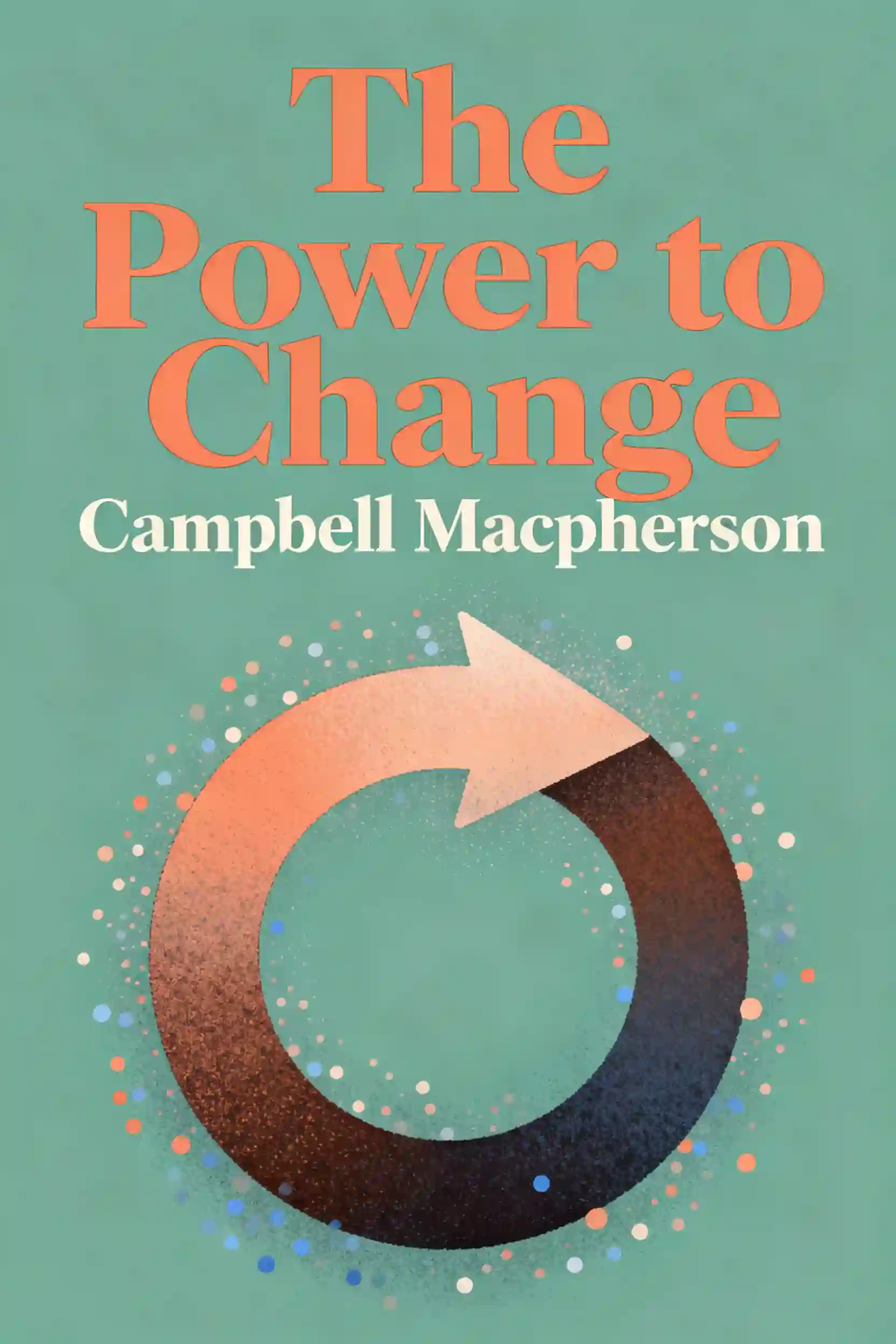
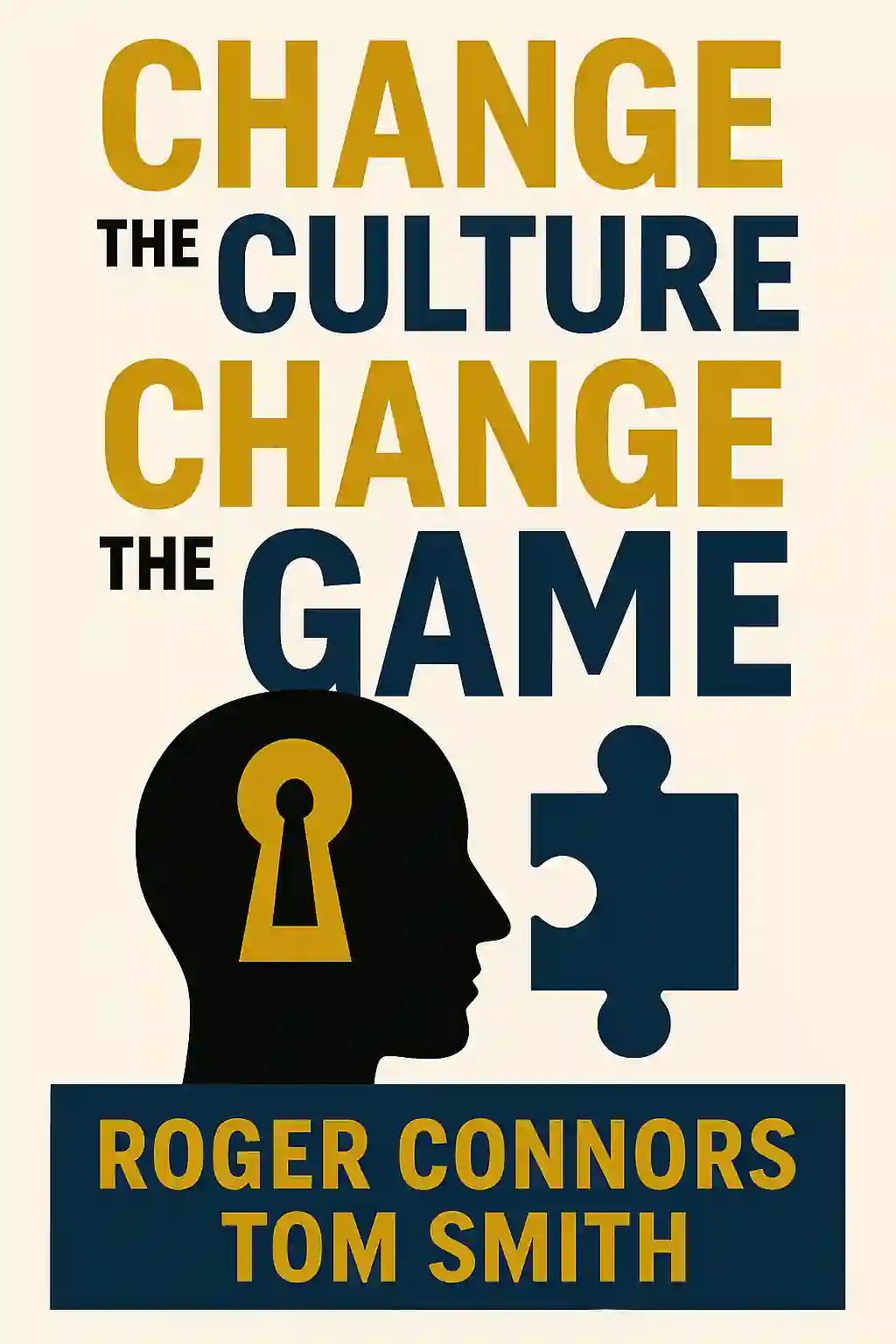
Discover more

Navigate being passed over after 6 years
This learning plan is designed for mid-to-senior professionals who have hit a plateau despite years of dedication. It provides the psychological tools and tactical strategies needed to navigate complex office politics and re-engineer a stalled career path for future success.

The Life Transition Playbook
Life transitions can be overwhelming without a roadmap to navigate the psychological and practical shifts involved. This playbook is essential for anyone facing career changes, relocation, or personal milestones who wants to move forward with clarity and resilience.

Philosophy for a Messy World
In an era of information overload and global instability, traditional thinking patterns often fail us. This plan is designed for curious minds and decision-makers who want to combine cognitive science with practical ethics to navigate modern life with clarity.

The Munger Way: Thinking for Life
This learning plan distills Charlie Munger's legendary mental models into actionable strategies for navigating complex life decisions. It is designed for professionals and lifelong learners who want to improve their judgment by moving beyond narrow specialization toward a multidisciplinary framework of rationality.

The Philosopher's Guide to Time
This guide is designed for high-achievers and thinkers struggling with the modern paradox of being busy yet unfulfilled. It bridges the gap between ancient wisdom and neuroscience to help you reclaim agency over your most finite resource.

The Map of Your Inner World
This learning plan is essential for individuals feeling disconnected from their intuition or overwhelmed by self-criticism. It provides a practical framework for anyone seeking to transition from external approval to a grounded, self-led life.

The Mechanics of Self-Change
This learning plan is essential for anyone feeling stuck in repetitive cycles or struggling to translate their goals into reality. It provides a science-based framework for understanding the neurological drivers of behavior, making it ideal for professionals and individuals seeking sustainable personal growth.

The Munger Latticework: Worldly Wisdom for Better Decisions
This plan distills Charlie Munger’s philosophy into actionable strategies for navigating complex systems. It is essential for investors, strategists, and leaders who want to avoid cognitive biases and build wealth through rational, multidisciplinary thinking.
From Columbia University alumni built in San Francisco
"Instead of endless scrolling, I just hit play on BeFreed. It saves me so much time."


"I never knew where to start with nonfiction—BeFreed’s book lists turned into podcasts gave me a clear path."


"Perfect balance between learning and entertainment. Finished ‘Thinking, Fast and Slow’ on my commute this week."
"Crazy how much I learned while walking the dog. BeFreed = small habits → big gains."
"Reading used to feel like a chore. Now it’s just part of my lifestyle."

"Feels effortless compared to reading. I’ve finished 6 books this month already."
"BeFreed turned my guilty doomscrolling into something that feels productive and inspiring."

"BeFreed turned my commute into learning time. 20-min podcasts are perfect for finishing books I never had time for."
"BeFreed replaced my podcast queue. Imagine Spotify for books — that’s it. 🙌"

"It is great for me to learn something from the book without reading it."
"The themed book list podcasts help me connect ideas across authors—like a guided audio journey."
"Makes me feel smarter every time before going to work"
From Columbia University alumni built in San Francisco
"Instead of endless scrolling, I just hit play on BeFreed. It saves me so much time."
"I never knew where to start with nonfiction—BeFreed’s book lists turned into podcasts gave me a clear path."
"Perfect balance between learning and entertainment. Finished ‘Thinking, Fast and Slow’ on my commute this week."
"Crazy how much I learned while walking the dog. BeFreed = small habits → big gains."
"Reading used to feel like a chore. Now it’s just part of my lifestyle."
"Feels effortless compared to reading. I’ve finished 6 books this month already."
"BeFreed turned my guilty doomscrolling into something that feels productive and inspiring."
"BeFreed turned my commute into learning time. 20-min podcasts are perfect for finishing books I never had time for."
"BeFreed replaced my podcast queue. Imagine Spotify for books — that’s it. 🙌"
"It is great for me to learn something from the book without reading it."
"The themed book list podcasts help me connect ideas across authors—like a guided audio journey."
"Makes me feel smarter every time before going to work"
"Instead of endless scrolling, I just hit play on BeFreed. It saves me so much time."
"I never knew where to start with nonfiction—BeFreed’s book lists turned into podcasts gave me a clear path."
"Perfect balance between learning and entertainment. Finished ‘Thinking, Fast and Slow’ on my commute this week."
"Crazy how much I learned while walking the dog. BeFreed = small habits → big gains."
"Reading used to feel like a chore. Now it’s just part of my lifestyle."
"Feels effortless compared to reading. I’ve finished 6 books this month already."
"BeFreed turned my guilty doomscrolling into something that feels productive and inspiring."
"BeFreed turned my commute into learning time. 20-min podcasts are perfect for finishing books I never had time for."
"BeFreed replaced my podcast queue. Imagine Spotify for books — that’s it. 🙌"
"It is great for me to learn something from the book without reading it."
"The themed book list podcasts help me connect ideas across authors—like a guided audio journey."
"Makes me feel smarter every time before going to work"
"Instead of endless scrolling, I just hit play on BeFreed. It saves me so much time."
"I never knew where to start with nonfiction—BeFreed’s book lists turned into podcasts gave me a clear path."
"Perfect balance between learning and entertainment. Finished ‘Thinking, Fast and Slow’ on my commute this week."
"Crazy how much I learned while walking the dog. BeFreed = small habits → big gains."
"Reading used to feel like a chore. Now it’s just part of my lifestyle."
"Feels effortless compared to reading. I’ve finished 6 books this month already."
"BeFreed turned my guilty doomscrolling into something that feels productive and inspiring."
"BeFreed turned my commute into learning time. 20-min podcasts are perfect for finishing books I never had time for."
"BeFreed replaced my podcast queue. Imagine Spotify for books — that’s it. 🙌"
"It is great for me to learn something from the book without reading it."
"The themed book list podcasts help me connect ideas across authors—like a guided audio journey."
"Makes me feel smarter every time before going to work"