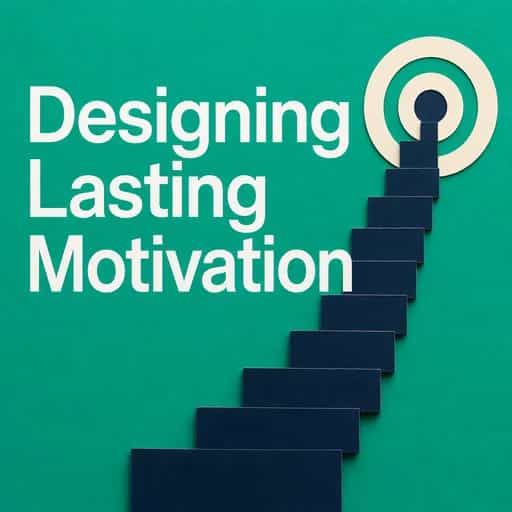
Motivation as a Learnable Skill
Discover how to build lasting motivation through science-backed techniques rather than waiting for inspiration to strike. Learn practical strategies to overcome procrastination and create sustainable momentum.

Best quote from Motivation as a Learnable Skill
Motivation is actually a skill we can develop, not just an emotion we either have or don't have. It's about creating systems that make motivated behavior the path of least resistance rather than relying on willpower in the moment.

This audio lesson was created by a BeFreed community member
How to gain motivation

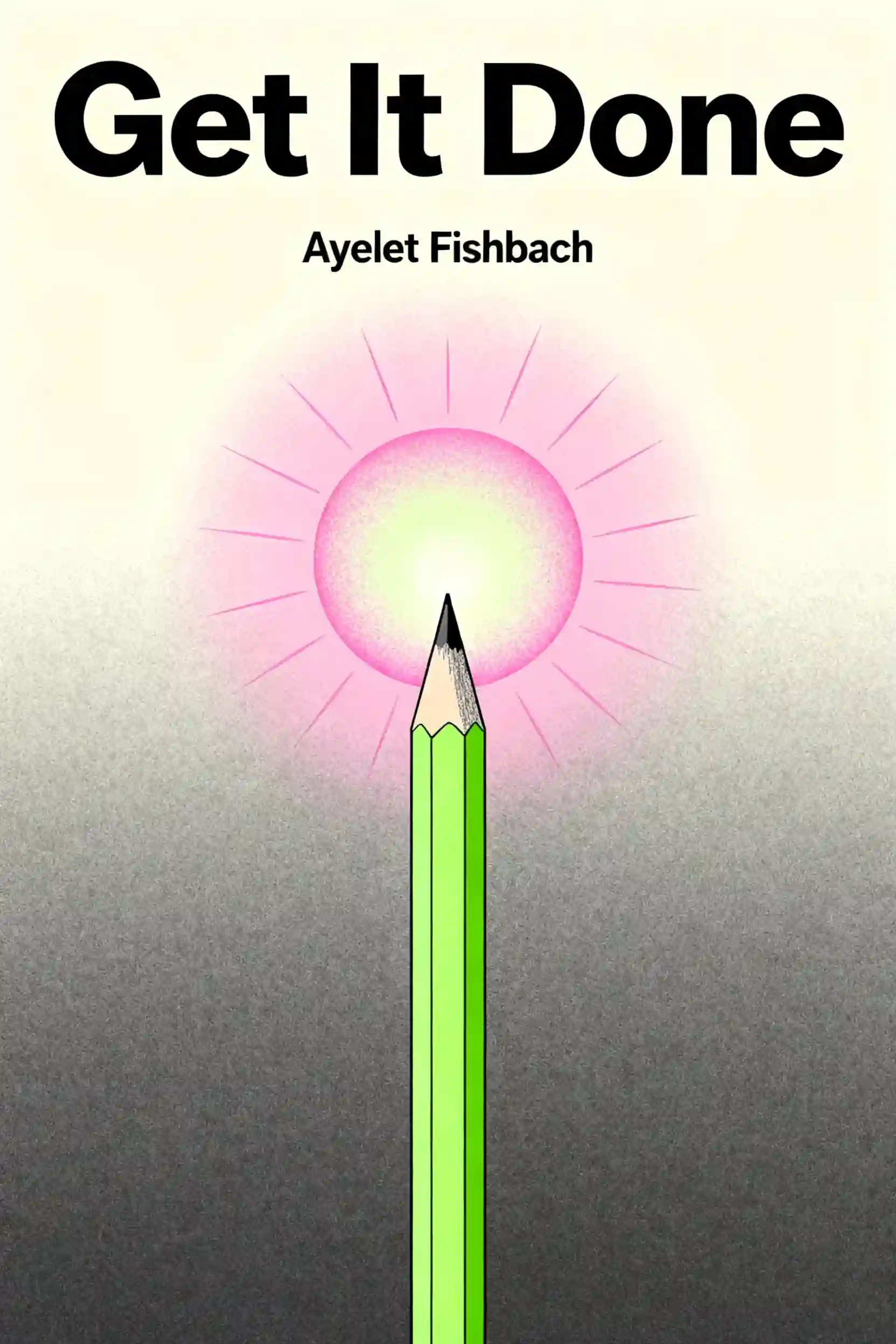
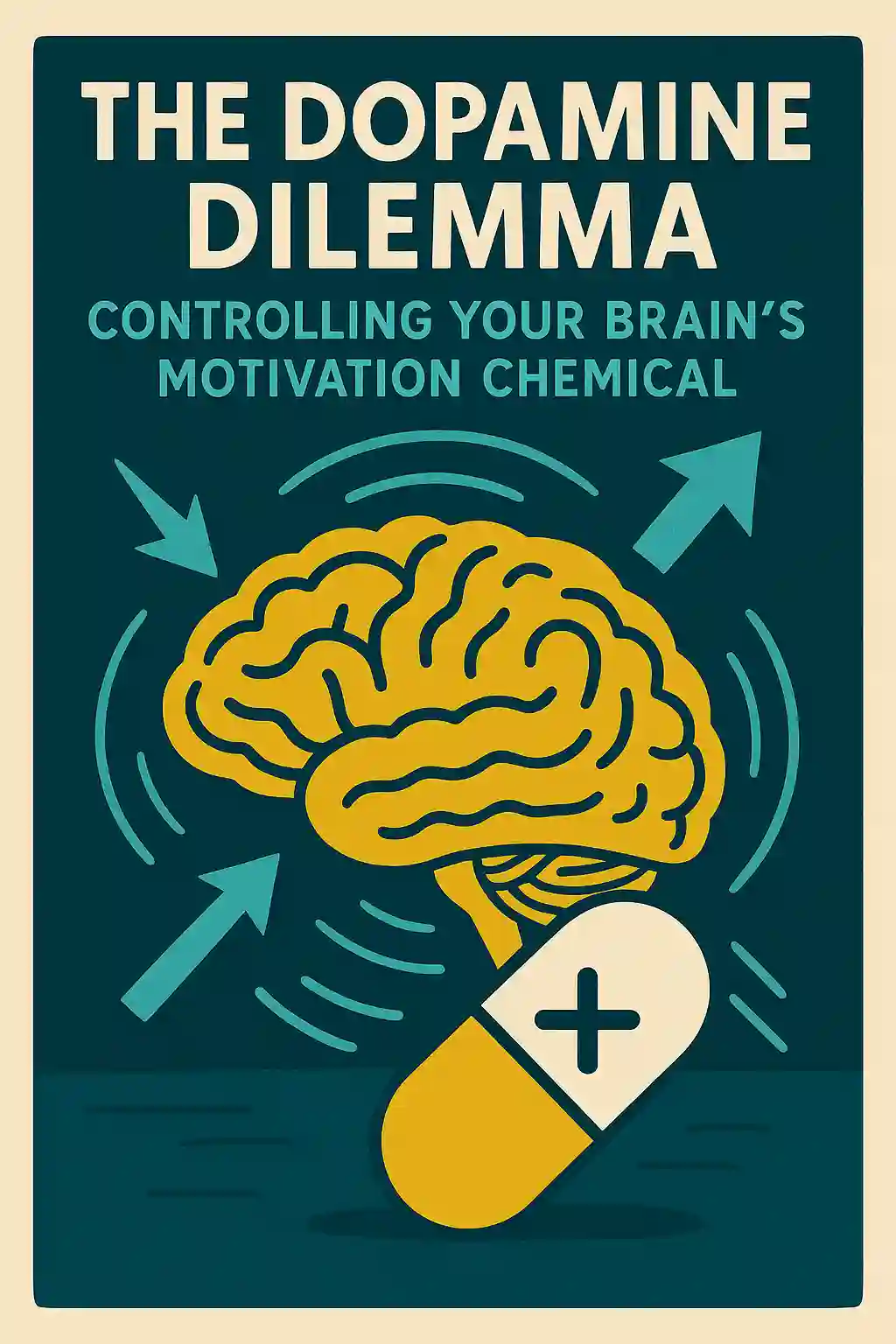
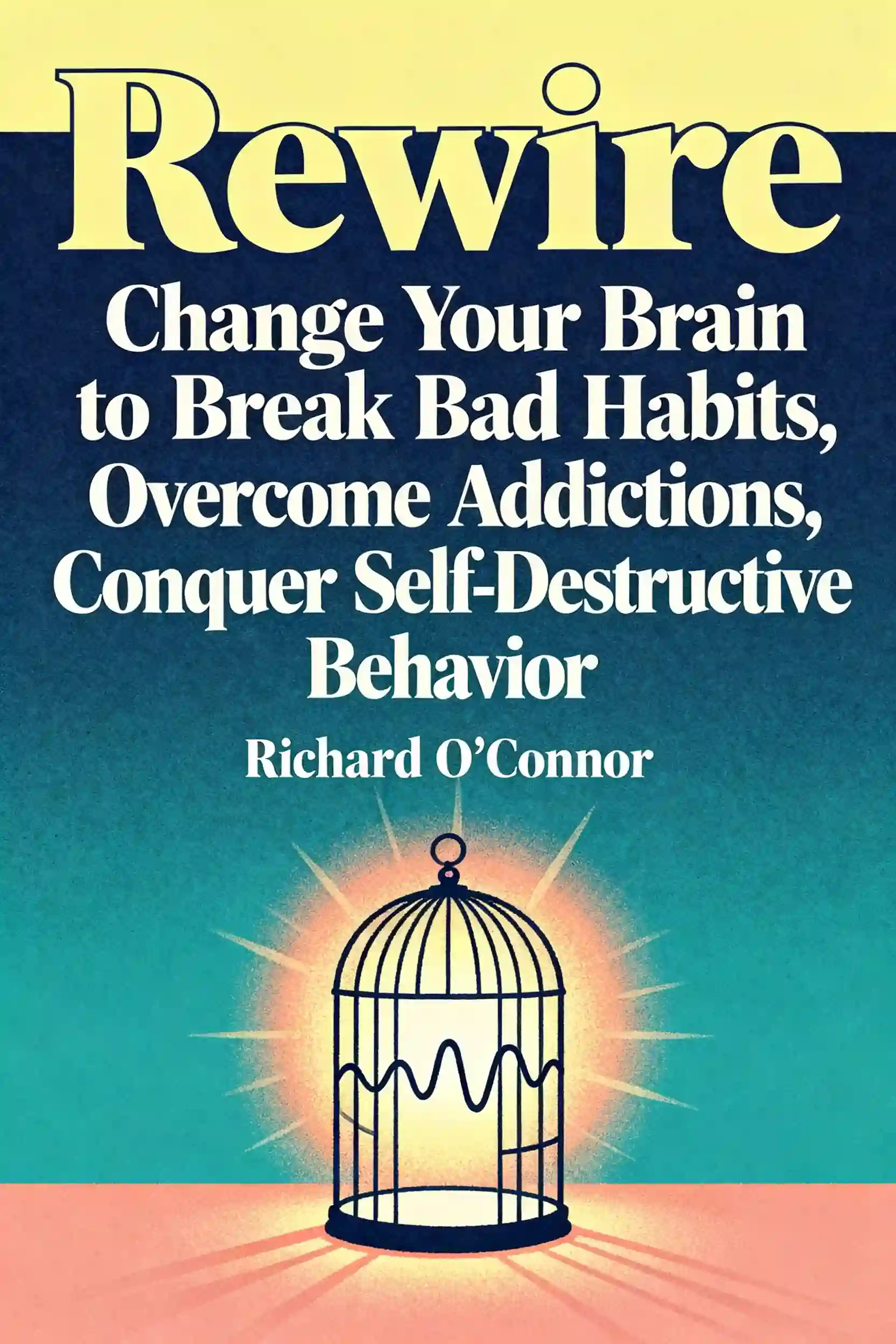
Discover more

motivation
motivation
Motivation is the essential force that drives achievement in all areas of life, yet many struggle with maintaining it consistently. This learning plan combines scientific understanding with practical strategies to help professionals, students, and anyone seeking to achieve meaningful goals develop sustainable motivation that doesn't rely on fleeting willpower.

How to stay on track even when unmotivated
How to stay on track even when unmotivated
This learning plan is essential for anyone who struggles with the 'all-or-nothing' cycle of productivity and wants to replace fleeting motivation with reliable systems. It is ideal for professionals, students, and creatives looking to build lifelong discipline through behavioral science and habit architecture.
Boost motivation & discipline
Boost motivation & discipline
This learning plan is essential for anyone struggling to follow through on goals, procrastinating on important work, or feeling unable to maintain consistency. It's particularly valuable for professionals, students, entrepreneurs, and creators who need to produce results even when they don't feel motivated. By combining psychological science with practical frameworks, you'll build the internal systems that separate high performers from those who merely set intentions.
Build discipline without motivation
Build discipline without motivation
This plan is essential for high-achievers who struggle with consistency and want to move beyond the cycle of temporary motivation. It is designed for anyone looking to bridge the gap between intention and action using science, systems, and ancient wisdom.
Studying more and more motivation
Studying more and more motivation
This learning plan is essential for students and professionals who struggle with inconsistent focus and procrastination. It offers a comprehensive bridge between cognitive science and habit formation, making it ideal for anyone looking to build a sustainable system for academic or professional growth.

Build flexible lasting habits
Build flexible lasting habits
Most people struggle with lasting behavior change because they rely on willpower and motivation, which inevitably fade. This learning plan teaches you to work with your brain's natural patterns rather than against them, making habits feel automatic instead of exhausting. It's ideal for anyone tired of starting and stopping new routines, or those who want to build a sustainable system for continuous self-improvement.

I want to learn
I want to learn
Learning how to learn is the ultimate meta-skill that multiplies your ability to master anything else in life. This plan is essential for students, professionals, and lifelong learners who want to stop wasting time on ineffective study methods and start seeing real results. Whether you're picking up a new language, advancing your career, or pursuing personal passions, these evidence-based strategies will help you learn faster, remember more, and achieve mastery more efficiently.
Master mindset & reach goals
Master mindset & reach goals
This learning plan is essential for anyone feeling stuck in their personal or professional growth, struggling to maintain motivation, or unable to translate intentions into consistent action. It's particularly valuable for professionals, entrepreneurs, students, and ambitious individuals who want to stop relying on willpower alone and instead build sustainable systems that make peak performance their default state.
From Columbia University alumni built in San Francisco
"Instead of endless scrolling, I just hit play on BeFreed. It saves me so much time."


"I never knew where to start with nonfiction—BeFreed’s book lists turned into podcasts gave me a clear path."


"Perfect balance between learning and entertainment. Finished ‘Thinking, Fast and Slow’ on my commute this week."
"Crazy how much I learned while walking the dog. BeFreed = small habits → big gains."
"Reading used to feel like a chore. Now it’s just part of my lifestyle."

"Feels effortless compared to reading. I’ve finished 6 books this month already."
"BeFreed turned my guilty doomscrolling into something that feels productive and inspiring."

"BeFreed turned my commute into learning time. 20-min podcasts are perfect for finishing books I never had time for."
"BeFreed replaced my podcast queue. Imagine Spotify for books — that’s it. 🙌"

"It is great for me to learn something from the book without reading it."
"The themed book list podcasts help me connect ideas across authors—like a guided audio journey."
"Makes me feel smarter every time before going to work"
From Columbia University alumni built in San Francisco
"Instead of endless scrolling, I just hit play on BeFreed. It saves me so much time."
"I never knew where to start with nonfiction—BeFreed’s book lists turned into podcasts gave me a clear path."
"Perfect balance between learning and entertainment. Finished ‘Thinking, Fast and Slow’ on my commute this week."
"Crazy how much I learned while walking the dog. BeFreed = small habits → big gains."
"Reading used to feel like a chore. Now it’s just part of my lifestyle."
"Feels effortless compared to reading. I’ve finished 6 books this month already."
"BeFreed turned my guilty doomscrolling into something that feels productive and inspiring."
"BeFreed turned my commute into learning time. 20-min podcasts are perfect for finishing books I never had time for."
"BeFreed replaced my podcast queue. Imagine Spotify for books — that’s it. 🙌"
"It is great for me to learn something from the book without reading it."
"The themed book list podcasts help me connect ideas across authors—like a guided audio journey."
"Makes me feel smarter every time before going to work"
"Instead of endless scrolling, I just hit play on BeFreed. It saves me so much time."
"I never knew where to start with nonfiction—BeFreed’s book lists turned into podcasts gave me a clear path."
"Perfect balance between learning and entertainment. Finished ‘Thinking, Fast and Slow’ on my commute this week."
"Crazy how much I learned while walking the dog. BeFreed = small habits → big gains."
"Reading used to feel like a chore. Now it’s just part of my lifestyle."
"Feels effortless compared to reading. I’ve finished 6 books this month already."
"BeFreed turned my guilty doomscrolling into something that feels productive and inspiring."
"BeFreed turned my commute into learning time. 20-min podcasts are perfect for finishing books I never had time for."
"BeFreed replaced my podcast queue. Imagine Spotify for books — that’s it. 🙌"
"It is great for me to learn something from the book without reading it."
"The themed book list podcasts help me connect ideas across authors—like a guided audio journey."
"Makes me feel smarter every time before going to work"
"Instead of endless scrolling, I just hit play on BeFreed. It saves me so much time."
"I never knew where to start with nonfiction—BeFreed’s book lists turned into podcasts gave me a clear path."
"Perfect balance between learning and entertainment. Finished ‘Thinking, Fast and Slow’ on my commute this week."
"Crazy how much I learned while walking the dog. BeFreed = small habits → big gains."
"Reading used to feel like a chore. Now it’s just part of my lifestyle."
"Feels effortless compared to reading. I’ve finished 6 books this month already."
"BeFreed turned my guilty doomscrolling into something that feels productive and inspiring."
"BeFreed turned my commute into learning time. 20-min podcasts are perfect for finishing books I never had time for."
"BeFreed replaced my podcast queue. Imagine Spotify for books — that’s it. 🙌"
"It is great for me to learn something from the book without reading it."
"The themed book list podcasts help me connect ideas across authors—like a guided audio journey."
"Makes me feel smarter every time before going to work"