Moon Landing Conspiracy: Evidence and NASA Apollo Tech Debates
Explore the Moon landing conspiracy and NASA Apollo missions. Analyze evidence, technology debates, and controversies like A Funny Thing Happened on the Way to the Moon.

Best quote from Moon Landing Conspiracy: Evidence and NASA Apollo Tech Debates
If we can't solve the heat shield or the radiation problem today with all our supercomputers, does it make sense that they solved it with paper and pencil in 1969?
Generated by Ezra
Let’s have some fun with conspiracy. The moon landings , let’s look at the evidence over the years that has been hard for nasa to explain. There is of course the “a funny thing happened on the way to the moon” but I also heard they were caught in a lie before Apollo , with claims of orbit that were seen through or something like that. When we look at the tech they had , it seems like they flew to the moon with impossible tech.. what’s some of the most complelling evidence we didn’t go. Why?

Frequently Asked Questions
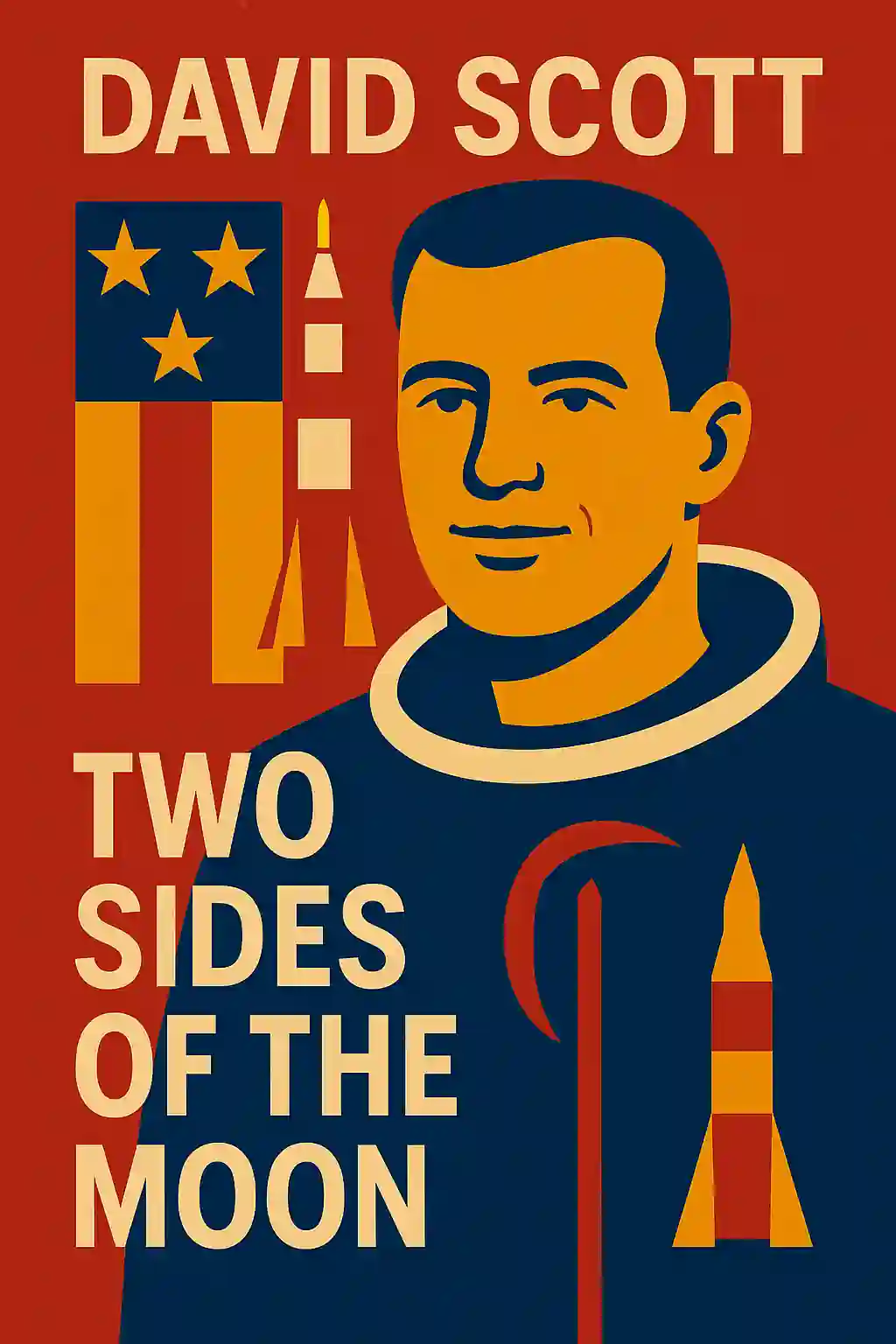
This documentary is a cornerstone of the Moon landing conspiracy, presenting alleged evidence that NASA faked footage during the Apollo missions. It suggests that the crew used cinematic tricks to simulate being deep in space while actually remaining in low Earth orbit. The film questions the authenticity of the visual records provided by NASA, fueling long-standing debates about what really happened during the journey to the lunar surface.
Critics of the NASA Apollo missions often argue that the computing power and materials available in the 1960s were insufficient for a lunar landing. This debate centers on whether Apollo technology was too primitive to navigate the harsh environment of space and return safely. While NASA maintains the tech was revolutionary for its time, skeptics point to these perceived technical limitations as evidence that the missions may have been staged.
Some skeptics point to discrepancies in early lunar orbit claims and pre-Apollo missions as evidence of a cover-up. These space race controversies suggest that NASA may have been caught in inconsistencies regarding their orbital capabilities before the actual Moon landing took place. By examining these early records, conspiracy theorists argue that the timeline of technological progress doesn't align with the successful landing in 1969, suggesting a pattern of misinformation.
The most compelling Moon landing evidence cited by skeptics includes anomalies in mission photographs, the lack of visible stars, and the physical behavior of the lunar module. Additionally, many point to the 'impossible' nature of the technology used during the space race. These points, combined with alleged inconsistencies in NASA's public statements, form the basis for the ongoing debate regarding the legitimacy of the Apollo lunar landings.
From Columbia University alumni built in San Francisco
"Instead of endless scrolling, I just hit play on BeFreed. It saves me so much time."


"I never knew where to start with nonfiction—BeFreed’s book lists turned into podcasts gave me a clear path."


"Perfect balance between learning and entertainment. Finished ‘Thinking, Fast and Slow’ on my commute this week."
"Crazy how much I learned while walking the dog. BeFreed = small habits → big gains."
"Reading used to feel like a chore. Now it’s just part of my lifestyle."

"Feels effortless compared to reading. I’ve finished 6 books this month already."
"BeFreed turned my guilty doomscrolling into something that feels productive and inspiring."

"BeFreed turned my commute into learning time. 20-min podcasts are perfect for finishing books I never had time for."
"BeFreed replaced my podcast queue. Imagine Spotify for books — that’s it. 🙌"

"It is great for me to learn something from the book without reading it."
"The themed book list podcasts help me connect ideas across authors—like a guided audio journey."
"Makes me feel smarter every time before going to work"
From Columbia University alumni built in San Francisco
"Instead of endless scrolling, I just hit play on BeFreed. It saves me so much time."
"I never knew where to start with nonfiction—BeFreed’s book lists turned into podcasts gave me a clear path."
"Perfect balance between learning and entertainment. Finished ‘Thinking, Fast and Slow’ on my commute this week."
"Crazy how much I learned while walking the dog. BeFreed = small habits → big gains."
"Reading used to feel like a chore. Now it’s just part of my lifestyle."
"Feels effortless compared to reading. I’ve finished 6 books this month already."
"BeFreed turned my guilty doomscrolling into something that feels productive and inspiring."
"BeFreed turned my commute into learning time. 20-min podcasts are perfect for finishing books I never had time for."
"BeFreed replaced my podcast queue. Imagine Spotify for books — that’s it. 🙌"
"It is great for me to learn something from the book without reading it."
"The themed book list podcasts help me connect ideas across authors—like a guided audio journey."
"Makes me feel smarter every time before going to work"
"Instead of endless scrolling, I just hit play on BeFreed. It saves me so much time."
"I never knew where to start with nonfiction—BeFreed’s book lists turned into podcasts gave me a clear path."
"Perfect balance between learning and entertainment. Finished ‘Thinking, Fast and Slow’ on my commute this week."
"Crazy how much I learned while walking the dog. BeFreed = small habits → big gains."
"Reading used to feel like a chore. Now it’s just part of my lifestyle."
"Feels effortless compared to reading. I’ve finished 6 books this month already."
"BeFreed turned my guilty doomscrolling into something that feels productive and inspiring."
"BeFreed turned my commute into learning time. 20-min podcasts are perfect for finishing books I never had time for."
"BeFreed replaced my podcast queue. Imagine Spotify for books — that’s it. 🙌"
"It is great for me to learn something from the book without reading it."
"The themed book list podcasts help me connect ideas across authors—like a guided audio journey."
"Makes me feel smarter every time before going to work"
"Instead of endless scrolling, I just hit play on BeFreed. It saves me so much time."
"I never knew where to start with nonfiction—BeFreed’s book lists turned into podcasts gave me a clear path."
"Perfect balance between learning and entertainment. Finished ‘Thinking, Fast and Slow’ on my commute this week."
"Crazy how much I learned while walking the dog. BeFreed = small habits → big gains."
"Reading used to feel like a chore. Now it’s just part of my lifestyle."
"Feels effortless compared to reading. I’ve finished 6 books this month already."
"BeFreed turned my guilty doomscrolling into something that feels productive and inspiring."
"BeFreed turned my commute into learning time. 20-min podcasts are perfect for finishing books I never had time for."
"BeFreed replaced my podcast queue. Imagine Spotify for books — that’s it. 🙌"
"It is great for me to learn something from the book without reading it."
"The themed book list podcasts help me connect ideas across authors—like a guided audio journey."
"Makes me feel smarter every time before going to work"