The Math of Our Mistakes: Cognitive Shortcuts and Mental Glitches
Explore The Math of Our Mistakes to uncover the cognitive shortcuts and mental glitches that influence your career, relationships, and long-term happiness.
Best quote from The Math of Our Mistakes: Cognitive Shortcuts and Mental Glitches
Small, lingering annoyances are actually more dangerous to your long-term happiness than major, explosive disasters because the very mildness of the distress prevents it from triggering your psychological defenses.
Generated by a
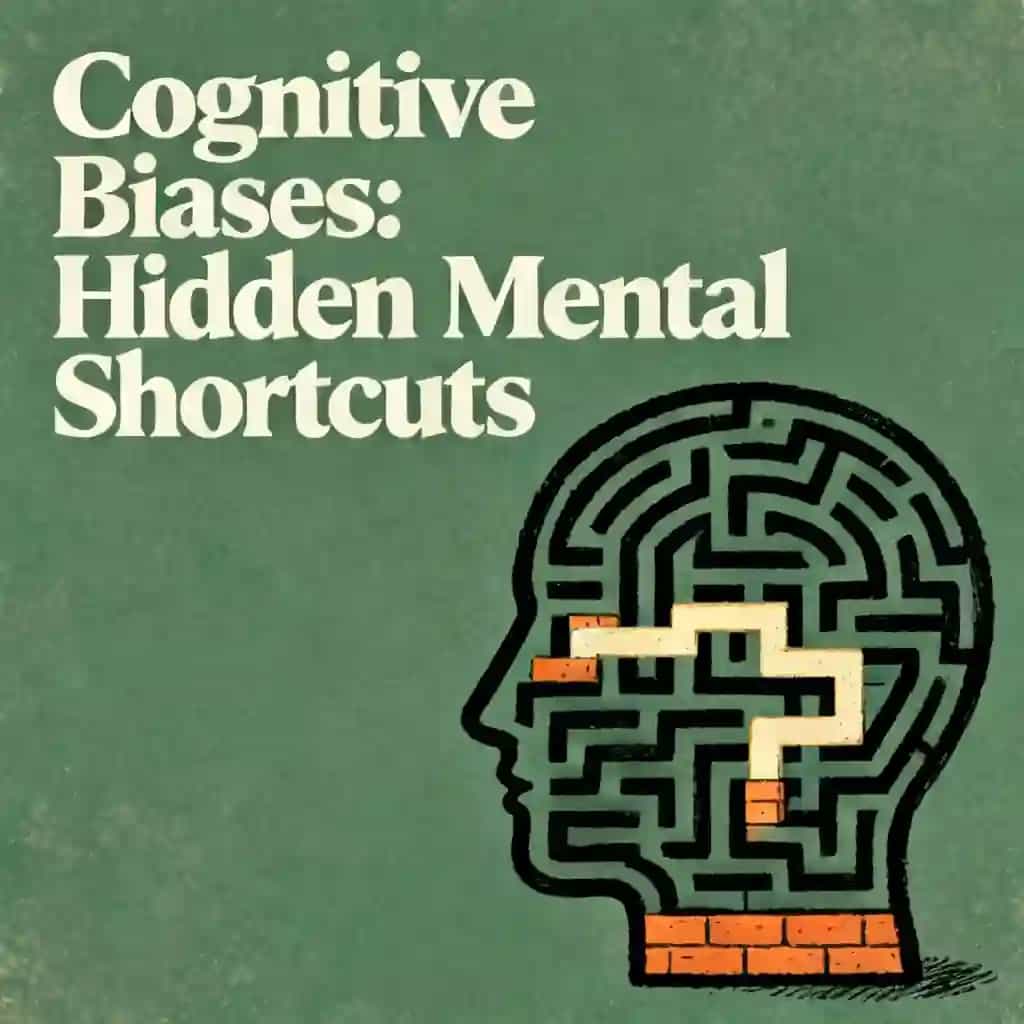
Fascinating and surprising psychological quirks and cognitive biases in human behavior






Frequently Asked Questions
The Math of Our Mistakes explores the hidden psychological forces and cognitive shortcuts that lead humans to miscalculate the world around them. It examines why small, lingering annoyances can be more dangerous to long-term happiness than major disasters and how these mental glitches act as invisible scripts directing your career, bank account, and personal relationships. By pulling back the curtain on these glitches, the podcast helps listeners understand why they often feel confident yet remain factually wrong.
Cognitive shortcuts are mental glitches designed to help you survive the day, but they often lead to significant errors in judgment and decision making. These shortcuts can cause psychological inertia, keeping you in stagnant jobs or noisy apartments because the brain miscalculates the distress of minor problems versus major ones. Understanding these hidden frequencies is essential because they influence how you manage your professional life and financial stability, often leading to a false sense of confidence in your choices.
The podcast addresses the illusion of explanatory depth by highlighting how people often think they understand complex systems, like how a toilet works, until they are actually asked to explain them. This mental glitch reveals a gap between our perceived knowledge and our actual understanding of the world. By exploring these specific ways the brain operates, the show demonstrates how being 'confident but wrong' can impact group projects and individual success, leading to ambitious plans that eventually fizzle out.
The Math of Our Mistakes delves into statistical miscalculation to explain why people might fear a rare disease even when a positive test result is statistically meaningless. Additionally, it explores the nature of human cooperation, noting that our sense of working with others is designed to decay over time unless it is periodically shocked back to life. These insights are vital for understanding why group dynamics fail and how we can better navigate the mathematical realities of our social and health-related anxieties.
From Columbia University alumni built in San Francisco
BeFreed Brings Together A Global Community Of Curious Minds


"Instead of endless scrolling, I just hit play on BeFreed. It saves me so much time."


"I never knew where to start with nonfiction—BeFreed’s book lists turned into podcasts gave me a clear path."


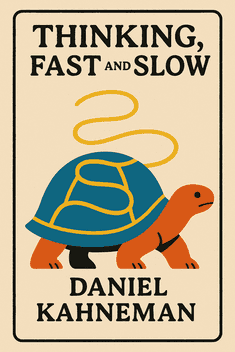
"Perfect balance between learning and entertainment. Finished ‘Thinking, Fast and Slow’ on my commute this week."
"Crazy how much I learned while walking the dog. BeFreed = small habits → big gains."
"Reading used to feel like a chore. Now it’s just part of my lifestyle."

"Feels effortless compared to reading. I’ve finished 6 books this month already."
"BeFreed turned my guilty doomscrolling into something that feels productive and inspiring."

"BeFreed turned my commute into learning time. 20-min podcasts are perfect for finishing books I never had time for."
"BeFreed replaced my podcast queue. Imagine Spotify for books — that’s it. 🙌"

"It is great for me to learn something from the book without reading it."
"The themed book list podcasts help me connect ideas across authors—like a guided audio journey."
"Makes me feel smarter every time before going to work"
From Columbia University alumni built in San Francisco
BeFreed Brings Together A Global Community Of Curious Minds
"Instead of endless scrolling, I just hit play on BeFreed. It saves me so much time."
"I never knew where to start with nonfiction—BeFreed’s book lists turned into podcasts gave me a clear path."
"Perfect balance between learning and entertainment. Finished ‘Thinking, Fast and Slow’ on my commute this week."
"Crazy how much I learned while walking the dog. BeFreed = small habits → big gains."
"Reading used to feel like a chore. Now it’s just part of my lifestyle."
"Feels effortless compared to reading. I’ve finished 6 books this month already."
"BeFreed turned my guilty doomscrolling into something that feels productive and inspiring."
"BeFreed turned my commute into learning time. 20-min podcasts are perfect for finishing books I never had time for."
"BeFreed replaced my podcast queue. Imagine Spotify for books — that’s it. 🙌"
"It is great for me to learn something from the book without reading it."
"The themed book list podcasts help me connect ideas across authors—like a guided audio journey."
"Makes me feel smarter every time before going to work"
"Instead of endless scrolling, I just hit play on BeFreed. It saves me so much time."
"I never knew where to start with nonfiction—BeFreed’s book lists turned into podcasts gave me a clear path."
"Perfect balance between learning and entertainment. Finished ‘Thinking, Fast and Slow’ on my commute this week."
"Crazy how much I learned while walking the dog. BeFreed = small habits → big gains."
"Reading used to feel like a chore. Now it’s just part of my lifestyle."
"Feels effortless compared to reading. I’ve finished 6 books this month already."
"BeFreed turned my guilty doomscrolling into something that feels productive and inspiring."
"BeFreed turned my commute into learning time. 20-min podcasts are perfect for finishing books I never had time for."
"BeFreed replaced my podcast queue. Imagine Spotify for books — that’s it. 🙌"
"It is great for me to learn something from the book without reading it."
"The themed book list podcasts help me connect ideas across authors—like a guided audio journey."
"Makes me feel smarter every time before going to work"
"Instead of endless scrolling, I just hit play on BeFreed. It saves me so much time."
"I never knew where to start with nonfiction—BeFreed’s book lists turned into podcasts gave me a clear path."
"Perfect balance between learning and entertainment. Finished ‘Thinking, Fast and Slow’ on my commute this week."
"Crazy how much I learned while walking the dog. BeFreed = small habits → big gains."
"Reading used to feel like a chore. Now it’s just part of my lifestyle."
"Feels effortless compared to reading. I’ve finished 6 books this month already."
"BeFreed turned my guilty doomscrolling into something that feels productive and inspiring."
"BeFreed turned my commute into learning time. 20-min podcasts are perfect for finishing books I never had time for."
"BeFreed replaced my podcast queue. Imagine Spotify for books — that’s it. 🙌"
"It is great for me to learn something from the book without reading it."
"The themed book list podcasts help me connect ideas across authors—like a guided audio journey."
"Makes me feel smarter every time before going to work"