Master Storytelling: From Boardrooms to Dinner Tables
Learn the proven three-part structure (character-goal-challenge) that transforms boring presentations into compelling narratives. Packed with real-world examples from CEOs to everyday conversations.

Best quote from Master Storytelling: From Boardrooms to Dinner Tables
Our brains didn't evolve to enjoy stories—they evolved through stories. Research shows that 63% of people recall stories from a presentation, while only 5% retain statistics, because stories literally hijack our neural machinery.

This audio lesson was created by a BeFreed community member
How to become a better storyteller



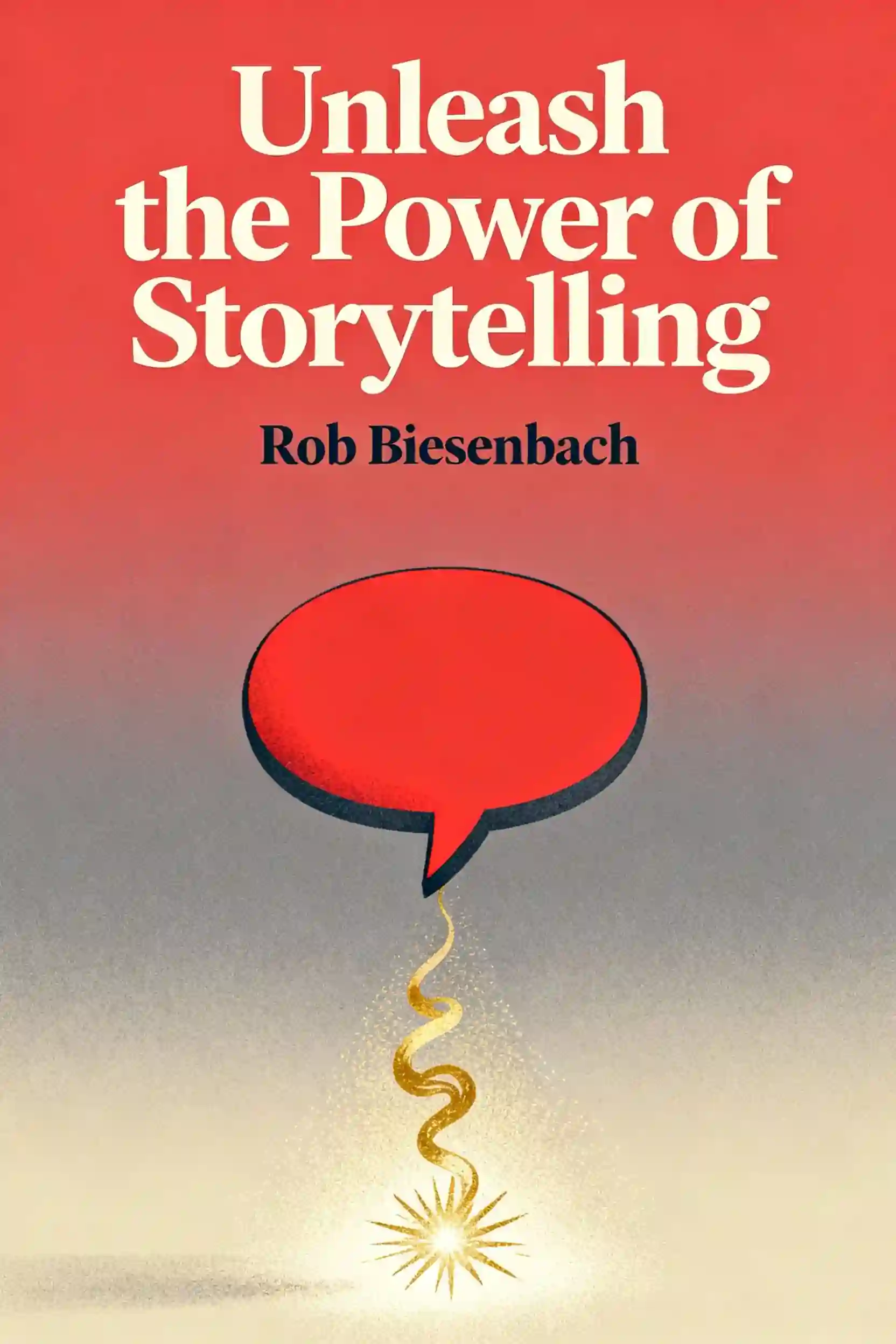


Discover more

Improve my storytelling
Storytelling is one of the most powerful tools for communication, influence, and connection in both personal and professional life. This learning plan is ideal for professionals, leaders, presenters, and anyone looking to enhance their ability to engage audiences, build relationships, and communicate ideas more effectively. Whether you're pitching to clients, leading teams, or simply wanting to become a more compelling communicator, mastering storytelling will amplify your impact.

Master Business Storytelling in Finance
In today's data-heavy environment, the ability to translate numbers into a strategic narrative is a critical differentiator for finance leaders. This plan is designed for finance professionals and executives who need to influence board-level decisions and bridge the gap between analytics and action.
Develop leadership & storytelling in meetings
This learning plan is designed for managers and aspiring leaders who want to elevate their impact beyond day-to-day execution. It's ideal for professionals who recognize that technical expertise alone isn't enough—you need to inspire teams, drive operational results, and communicate your vision persuasively to advance your career and organizational influence.

Study narrative theory & story history
This learning plan is essential for anyone who wants to understand the profound power of storytelling—from writers and content creators to educators, marketers, and leaders. By combining historical context, psychological insights, and practical techniques, you'll gain a comprehensive framework for both analyzing existing narratives and crafting compelling stories that truly resonate with audiences.

Master the Art of Public Speaking
Effective communication is the most critical skill for leadership and career advancement in any industry. This plan is designed for professionals and aspiring speakers who want to transform their anxiety into executive presence and persuasive power.

make ppt
This learning plan is essential for professionals and students who want to move beyond basic slides to create high-impact visual stories. It combines technical design skills with psychological storytelling and delivery techniques to ensure your message resonates with any audience.

Command the Boardroom Interview
This learning plan is essential for senior leaders and aspiring executives who need to bridge the gap between technical expertise and boardroom influence. It provides a blueprint for mastering high-stakes interactions where trust and strategic vision are the primary currencies of success.

How to master small talk
Effective communication is the cornerstone of professional and personal success. This plan is ideal for professionals, introverts, or anyone looking to transform awkward social interactions into opportunities for meaningful influence and charisma.
From Columbia University alumni built in San Francisco
"Instead of endless scrolling, I just hit play on BeFreed. It saves me so much time."


"I never knew where to start with nonfiction—BeFreed’s book lists turned into podcasts gave me a clear path."


"Perfect balance between learning and entertainment. Finished ‘Thinking, Fast and Slow’ on my commute this week."
"Crazy how much I learned while walking the dog. BeFreed = small habits → big gains."
"Reading used to feel like a chore. Now it’s just part of my lifestyle."

"Feels effortless compared to reading. I’ve finished 6 books this month already."
"BeFreed turned my guilty doomscrolling into something that feels productive and inspiring."

"BeFreed turned my commute into learning time. 20-min podcasts are perfect for finishing books I never had time for."
"BeFreed replaced my podcast queue. Imagine Spotify for books — that’s it. 🙌"

"It is great for me to learn something from the book without reading it."
"The themed book list podcasts help me connect ideas across authors—like a guided audio journey."
"Makes me feel smarter every time before going to work"
From Columbia University alumni built in San Francisco
"Instead of endless scrolling, I just hit play on BeFreed. It saves me so much time."
"I never knew where to start with nonfiction—BeFreed’s book lists turned into podcasts gave me a clear path."
"Perfect balance between learning and entertainment. Finished ‘Thinking, Fast and Slow’ on my commute this week."
"Crazy how much I learned while walking the dog. BeFreed = small habits → big gains."
"Reading used to feel like a chore. Now it’s just part of my lifestyle."
"Feels effortless compared to reading. I’ve finished 6 books this month already."
"BeFreed turned my guilty doomscrolling into something that feels productive and inspiring."
"BeFreed turned my commute into learning time. 20-min podcasts are perfect for finishing books I never had time for."
"BeFreed replaced my podcast queue. Imagine Spotify for books — that’s it. 🙌"
"It is great for me to learn something from the book without reading it."
"The themed book list podcasts help me connect ideas across authors—like a guided audio journey."
"Makes me feel smarter every time before going to work"
"Instead of endless scrolling, I just hit play on BeFreed. It saves me so much time."
"I never knew where to start with nonfiction—BeFreed’s book lists turned into podcasts gave me a clear path."
"Perfect balance between learning and entertainment. Finished ‘Thinking, Fast and Slow’ on my commute this week."
"Crazy how much I learned while walking the dog. BeFreed = small habits → big gains."
"Reading used to feel like a chore. Now it’s just part of my lifestyle."
"Feels effortless compared to reading. I’ve finished 6 books this month already."
"BeFreed turned my guilty doomscrolling into something that feels productive and inspiring."
"BeFreed turned my commute into learning time. 20-min podcasts are perfect for finishing books I never had time for."
"BeFreed replaced my podcast queue. Imagine Spotify for books — that’s it. 🙌"
"It is great for me to learn something from the book without reading it."
"The themed book list podcasts help me connect ideas across authors—like a guided audio journey."
"Makes me feel smarter every time before going to work"
"Instead of endless scrolling, I just hit play on BeFreed. It saves me so much time."
"I never knew where to start with nonfiction—BeFreed’s book lists turned into podcasts gave me a clear path."
"Perfect balance between learning and entertainment. Finished ‘Thinking, Fast and Slow’ on my commute this week."
"Crazy how much I learned while walking the dog. BeFreed = small habits → big gains."
"Reading used to feel like a chore. Now it’s just part of my lifestyle."
"Feels effortless compared to reading. I’ve finished 6 books this month already."
"BeFreed turned my guilty doomscrolling into something that feels productive and inspiring."
"BeFreed turned my commute into learning time. 20-min podcasts are perfect for finishing books I never had time for."
"BeFreed replaced my podcast queue. Imagine Spotify for books — that’s it. 🙌"
"It is great for me to learn something from the book without reading it."
"The themed book list podcasts help me connect ideas across authors—like a guided audio journey."
"Makes me feel smarter every time before going to work"