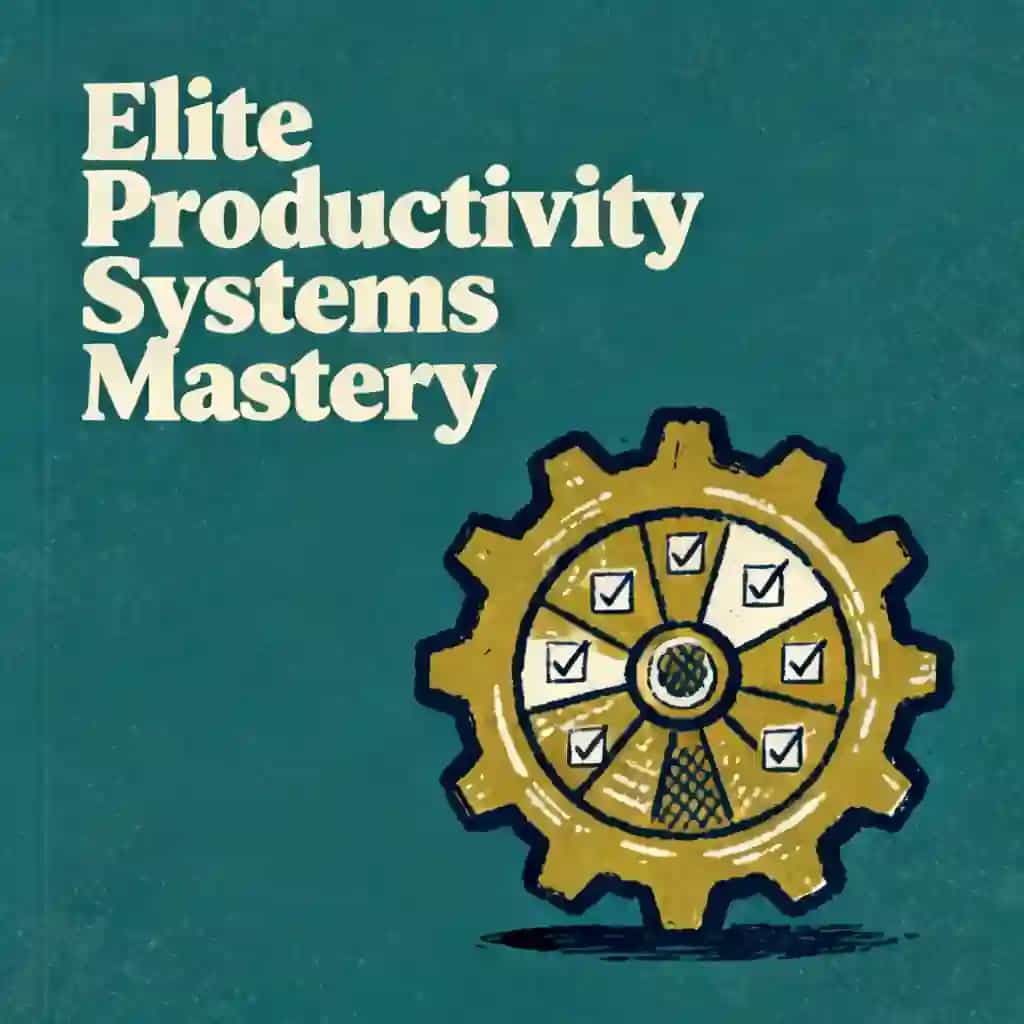
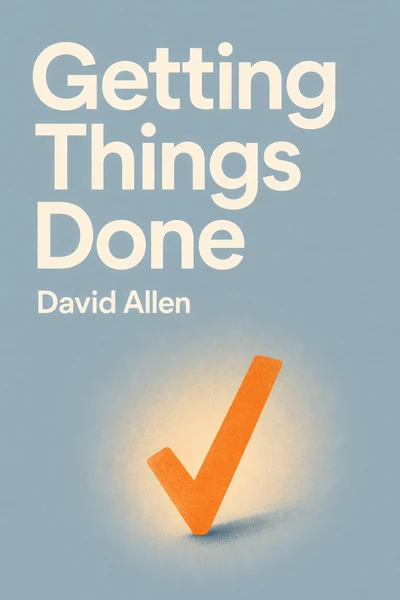
Master GTD with Microsoft 365
Discover how to implement David Allen's Getting Things Done methodology using Microsoft's productivity tools to create a trusted system that frees your mind and boosts your efficiency.

Best quote from Master GTD with Microsoft 365
There's an inverse relationship between things on your mind and those things getting done. When you externalize all your commitments into a trusted system, you're no longer using precious cognitive resources to remember things.

This audio lesson was created by a BeFreed community member
I want to learn the GTD method and use it with Microsoft office and Tasks

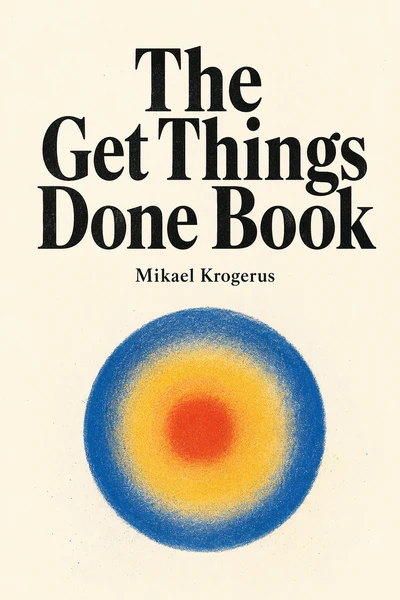

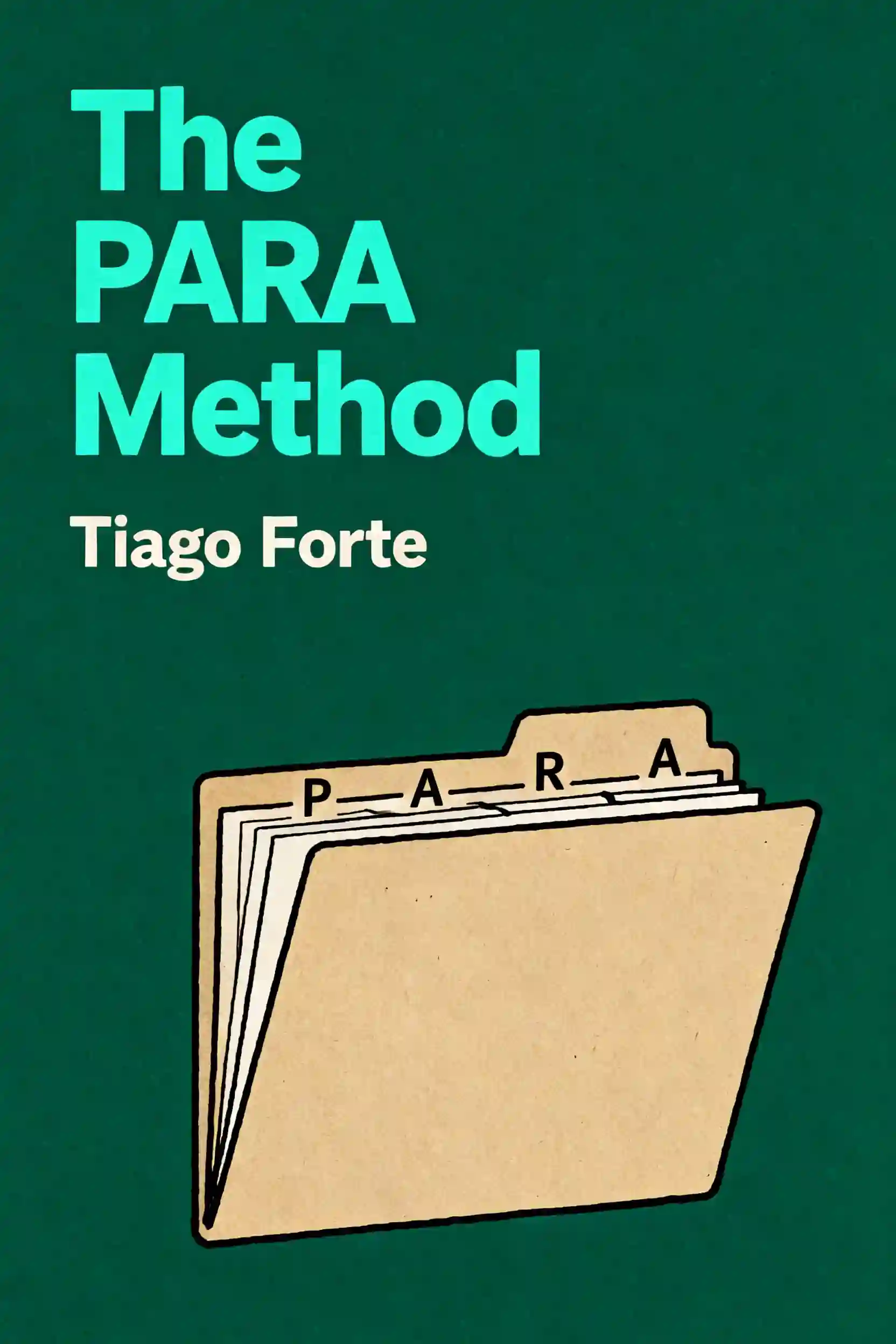
Discover more

Master Focus, Energy, and Productivity
In an era of constant digital distraction, mastering your attention is the ultimate competitive advantage. This plan is designed for professionals and high-achievers who want to stop feeling busy and start being effective by aligning their biology with their work habits.

Master Your Daily Momentum
This plan is designed for professionals and students struggling with procrastination and mental clutter. It provides actionable strategies to streamline workflows by aligning psychological readiness with physical environment optimization.

The Stress-Free Productivity Blueprint
This plan is essential for professionals and creatives struggling with mental clutter and information overload. It provides a structured path to transition from reactive chaos to proactive, calm execution by mastering proven organizational systems.
Mastering Creative Timing and Space
This plan is essential for professionals and creatives struggling with burnout and fragmented focus in a high-distraction world. It provides a strategic framework to synchronize your biological clock with your workload while mastering the psychological transitions required for deep concentration.

Unlocking High-Stakes Mental Focus
This plan is essential for professionals and athletes who must perform in high-pressure environments where stress often compromises judgment. It benefits anyone looking to master their nervous system and replace limiting habits with elite cognitive focus.

The Grandmaster's Mind
This learning plan bridges the gap between cognitive neuroscience and high-level strategic play. It is essential for leaders, negotiators, and competitive thinkers who want to master the psychological and neurological foundations of elite decision-making.

The Momentum Blueprint
This plan is essential for professionals and creatives struggling with burnout or fragmented focus. It provides a practical framework to reclaim control over your schedule and energy levels by mastering transitions and morning routines.

Start your Tech+ journey
This plan is essential for aspiring IT professionals who want to transition into tech with a structured approach. It provides a strategic framework for anyone needing to turn exam preparation into a repeatable, successful habit.
From Columbia University alumni built in San Francisco
"Instead of endless scrolling, I just hit play on BeFreed. It saves me so much time."


"I never knew where to start with nonfiction—BeFreed’s book lists turned into podcasts gave me a clear path."


"Perfect balance between learning and entertainment. Finished ‘Thinking, Fast and Slow’ on my commute this week."
"Crazy how much I learned while walking the dog. BeFreed = small habits → big gains."
"Reading used to feel like a chore. Now it’s just part of my lifestyle."

"Feels effortless compared to reading. I’ve finished 6 books this month already."
"BeFreed turned my guilty doomscrolling into something that feels productive and inspiring."

"BeFreed turned my commute into learning time. 20-min podcasts are perfect for finishing books I never had time for."
"BeFreed replaced my podcast queue. Imagine Spotify for books — that’s it. 🙌"

"It is great for me to learn something from the book without reading it."
"The themed book list podcasts help me connect ideas across authors—like a guided audio journey."
"Makes me feel smarter every time before going to work"
From Columbia University alumni built in San Francisco
"Instead of endless scrolling, I just hit play on BeFreed. It saves me so much time."
"I never knew where to start with nonfiction—BeFreed’s book lists turned into podcasts gave me a clear path."
"Perfect balance between learning and entertainment. Finished ‘Thinking, Fast and Slow’ on my commute this week."
"Crazy how much I learned while walking the dog. BeFreed = small habits → big gains."
"Reading used to feel like a chore. Now it’s just part of my lifestyle."
"Feels effortless compared to reading. I’ve finished 6 books this month already."
"BeFreed turned my guilty doomscrolling into something that feels productive and inspiring."
"BeFreed turned my commute into learning time. 20-min podcasts are perfect for finishing books I never had time for."
"BeFreed replaced my podcast queue. Imagine Spotify for books — that’s it. 🙌"
"It is great for me to learn something from the book without reading it."
"The themed book list podcasts help me connect ideas across authors—like a guided audio journey."
"Makes me feel smarter every time before going to work"
"Instead of endless scrolling, I just hit play on BeFreed. It saves me so much time."
"I never knew where to start with nonfiction—BeFreed’s book lists turned into podcasts gave me a clear path."
"Perfect balance between learning and entertainment. Finished ‘Thinking, Fast and Slow’ on my commute this week."
"Crazy how much I learned while walking the dog. BeFreed = small habits → big gains."
"Reading used to feel like a chore. Now it’s just part of my lifestyle."
"Feels effortless compared to reading. I’ve finished 6 books this month already."
"BeFreed turned my guilty doomscrolling into something that feels productive and inspiring."
"BeFreed turned my commute into learning time. 20-min podcasts are perfect for finishing books I never had time for."
"BeFreed replaced my podcast queue. Imagine Spotify for books — that’s it. 🙌"
"It is great for me to learn something from the book without reading it."
"The themed book list podcasts help me connect ideas across authors—like a guided audio journey."
"Makes me feel smarter every time before going to work"
"Instead of endless scrolling, I just hit play on BeFreed. It saves me so much time."
"I never knew where to start with nonfiction—BeFreed’s book lists turned into podcasts gave me a clear path."
"Perfect balance between learning and entertainment. Finished ‘Thinking, Fast and Slow’ on my commute this week."
"Crazy how much I learned while walking the dog. BeFreed = small habits → big gains."
"Reading used to feel like a chore. Now it’s just part of my lifestyle."
"Feels effortless compared to reading. I’ve finished 6 books this month already."
"BeFreed turned my guilty doomscrolling into something that feels productive and inspiring."
"BeFreed turned my commute into learning time. 20-min podcasts are perfect for finishing books I never had time for."
"BeFreed replaced my podcast queue. Imagine Spotify for books — that’s it. 🙌"
"It is great for me to learn something from the book without reading it."
"The themed book list podcasts help me connect ideas across authors—like a guided audio journey."
"Makes me feel smarter every time before going to work"