Master Every Algorithm: Complete Interview Prep Guide

How to learn data structures and algorithms for interviews: episode overview
This BeFreed audio episode breaks down how to learn data structures and algorithms for interviews. Instead of treating the subject like an academic textbook, we focus on systematic problem-solving patterns and active practice to help you prepare effectively for technical coding challenges.
Create Your Podcast in a Click
Generated by Freedee_9A34486E
Input question
how to learn every single algorithm and approach to solving problems like arrays, binary searches, interview questions, and Java solutions
Host voices

What you'll learn about data structures and algorithms interview prep
- 1
Welcome Back to Your Learning Journey
 00:0000:00
Lena: Hey everyone, welcome back to your personalized podcast from BeFreed! I'm Lena, and I'm here with my brilliant co-host Blythe. Today we're diving deep into something that honestly keeps so many aspiring developers up at night-how to truly master algorithms and data structures for coding interviews. Blythe: Oh, absolutely! And Lena, I have to say, this topic is like the Mount Everest of programming skills, isn't it? Everyone wants to conquer it, but most people don't know where to start climbing. Today we're going to break down everything from arrays to advanced Java techniques, and trust me, we're going to make this journey way less intimidating than it seems. Lena: Exactly! We're going to explore this systematically, drawing from some incredible resources that really understand what it takes to go from struggling with basic problems to confidently tackling any interview question that comes your way.
- 2
Foundations: Why Algorithms and Data Structures Matter
Blythe: So let's start with the elephant in the room, shall we? Why does every tech company seem obsessed with algorithms and data structures? I mean, when was the last time you had to implement a red-black tree at your day job? Lena: That's such a great question, and honestly, it frustrated me for years! But here's what I've learned-it's not really about whether you'll use these exact algorithms. It's about problem-solving patterns and thinking systematically about efficiency. Blythe: Right! And you know what's fascinating? When you look at how major companies approach this, they're not just testing your ability to memorize solutions. They want to see how you break down complex problems, how you think about trade-offs between time and space complexity, and whether you can communicate your thought process clearly. Lena: Absolutely. And that's where the real magic happens. When you truly understand data structures and algorithms, you start seeing patterns everywhere. An array problem might use the same two-pointer technique that works for linked lists. A graph traversal might apply the same principles you learned with trees. Blythe: Oh, I love that connection! It's like learning musical scales-once you understand the underlying patterns, you can improvise and create something beautiful. But here's what kills me: so many people try to memorize solutions instead of understanding the fundamental principles. Lena: Yes! And that approach completely backfires in interviews. You get a problem that's slightly different from what you've memorized, and suddenly you're stuck. But when you understand the underlying concepts, you can adapt and solve variations you've never seen before. Blythe: Exactly. It's the difference between being a human copy-paste machine and being an actual problem solver. And speaking of problem solving, let's talk about where people should actually start this journey, because I think a lot of folks jump into the deep end way too quickly.
- 3
Building Your Algorithmic Foundation
Lena: You're so right about that! I see people trying to tackle dynamic programming problems when they haven't even mastered basic array manipulations. It's like trying to run a marathon when you can barely walk around the block. Blythe: Ha! Perfect analogy. So let's talk about arrays first, because honestly, they're the bread and butter of so many interview questions. But here's what's sneaky about arrays-they seem simple, but there are so many elegant techniques hiding in plain sight. Lena: Oh, absolutely! Take the two-pointer technique, for example. It's incredibly powerful for problems like finding pairs that sum to a target, removing duplicates, or even reversing arrays in place. But most people don't realize how versatile this approach is. Blythe: Right! And then you have sliding window techniques, which are like the Swiss Army knife of array problems. Whether you're finding the longest substring without repeating characters or the maximum sum of a subarray of size k, that sliding window pattern keeps showing up. Lena: I love how you put that! And what's really interesting is how these array techniques translate to other data structures. The same two-pointer approach that works on arrays? It's incredibly useful for linked list problems too-detecting cycles, finding the middle element, merging sorted lists. Blythe: Ooh, yes! And speaking of linked lists, can we talk about how they're like the perfect training ground for understanding pointers and memory management? I mean, if you can confidently reverse a linked list or detect a cycle, you're building intuition that'll serve you well in so many other areas. Lena: Absolutely! And there's something beautiful about linked list problems-they force you to think step by step, to visualize what's happening at each node. It's like learning to think in slow motion, which actually makes you faster at solving complex problems later. Blythe: That's such a great way to put it! And you know what I find fascinating? The progression from arrays to linked lists to trees feels so natural once you understand it. Trees are essentially linked lists that can branch, and once you grasp that concept, tree traversals start making perfect sense.
- Chapter 4
Mastering Tree Structures and Graph Algorithms
**Lena:** Oh, trees are where things get really exciting! There's something almost magical about tree traversals-inorder, preorder, postorder-each one reveals different aspects of the tree's structure. And when you start seeing how these patterns apply to everything from expression parsing to file system navigation, it's like unlocking a secret language. **Blythe:** Yes! And can we talk about how binary search trees are basically the gateway drug to understanding more complex data structures? Once you get comfortable with BST operations-insertion, deletion, searching-you're ready to tackle balanced trees, tries, and even some graph algorithms. **Lena:** That's such a perfect progression! And speaking of graphs, I think this is where a lot of people get intimidated, but graphs are really just trees without the hierarchy constraints. The same traversal techniques-breadth-first search and depth-first search-work for both. **Blythe:** Exactly! And here's what's cool about graph algorithms: they solve so many real-world problems. Finding the shortest path between two points? That's Dijkstra's algorithm. Detecting whether there are cycles in dependencies? That's DFS with some clever bookkeeping. Social network analysis? Graph algorithms all the way down. **Lena:** I love how you connect these to real applications! And that brings up something important-understanding when to use BFS versus DFS. BFS is perfect when you need the shortest path or want to explore level by level. DFS is great for exploring all possible paths or when you're looking for any valid solution. **Blythe:** Right! And once you understand these traversal patterns, you can tackle more advanced graph problems like topological sorting, minimum spanning trees, and network flow. It's all building on those same fundamental concepts. **Lena:** And here's something I find really elegant-how these graph algorithms often combine with other techniques we've learned. Dynamic programming on graphs, for instance, or using hash tables to optimize graph traversals. It's like watching all your knowledge come together in this beautiful symphony. **Blythe:** Oh, I love that metaphor! Speaking of dynamic programming, should we dive into that next? Because I feel like DP is where a lot of people either have their "aha!" moment or completely give up in frustration.
Chapter 5Conquering Dynamic Programming and Advanced Techniques
**Lena:** Dynamic programming is definitely the make-or-break topic for many people! But here's the thing-once you understand the core principle, it's actually quite elegant. It's all about recognizing when you have overlapping subproblems and optimal substructure. **Blythe:** Yes! And I think the key insight is that DP problems are really just recursion with a memory. You're solving the same subproblems over and over again, so why not remember the answers? It's like having a really good note-taking system during a complex lecture. **Lena:** That's such a perfect analogy! And the classic problems-Fibonacci, coin change, longest common subsequence-they're not just academic exercises. They teach you to recognize patterns that show up in much more complex scenarios. **Blythe:** Absolutely! Take the knapsack problem, for example. On the surface, it's about packing a bag optimally. But that same pattern applies to resource allocation, budget optimization, even scheduling problems. Once you see the pattern, you start recognizing it everywhere. **Lena:** And what I love about DP is how it forces you to think both recursively and iteratively. You start with a recursive solution to understand the problem structure, then optimize it with memoization, and finally convert it to an iterative bottom-up approach if needed. **Blythe:** Right! And speaking of optimization, can we talk about how understanding time and space complexity becomes crucial here? Because with DP, you're often trading space for time, and knowing when that trade-off makes sense is key to writing efficient solutions. **Lena:** Oh, absolutely! Big O notation isn't just academic theory-it's a practical tool for making decisions. When you're comparing an O(n2) brute force solution to an O(n log n) divide-and-conquer approach, you're making real choices about how your code will perform at scale. **Blythe:** And that brings us to sorting and searching algorithms, which are like the fundamental building blocks that everything else relies on. I mean, binary search alone probably shows up in half of all interview problems, either directly or as part of a larger solution. **Lena:** So true! And what's beautiful about binary search is how the concept extends beyond just searching sorted arrays. You can use binary search on answer ranges, on rotated arrays, even on implicit search spaces. It's this incredibly versatile tool once you understand the underlying principle. **Blythe:** Yes! And the sorting algorithms-quicksort, mergesort, heapsort-they're not just about putting things in order. They teach you about divide-and-conquer strategies, about stability and in-place operations, about how to choose the right tool for the right job.
Chapter 6Practical Problem-Solving Strategies
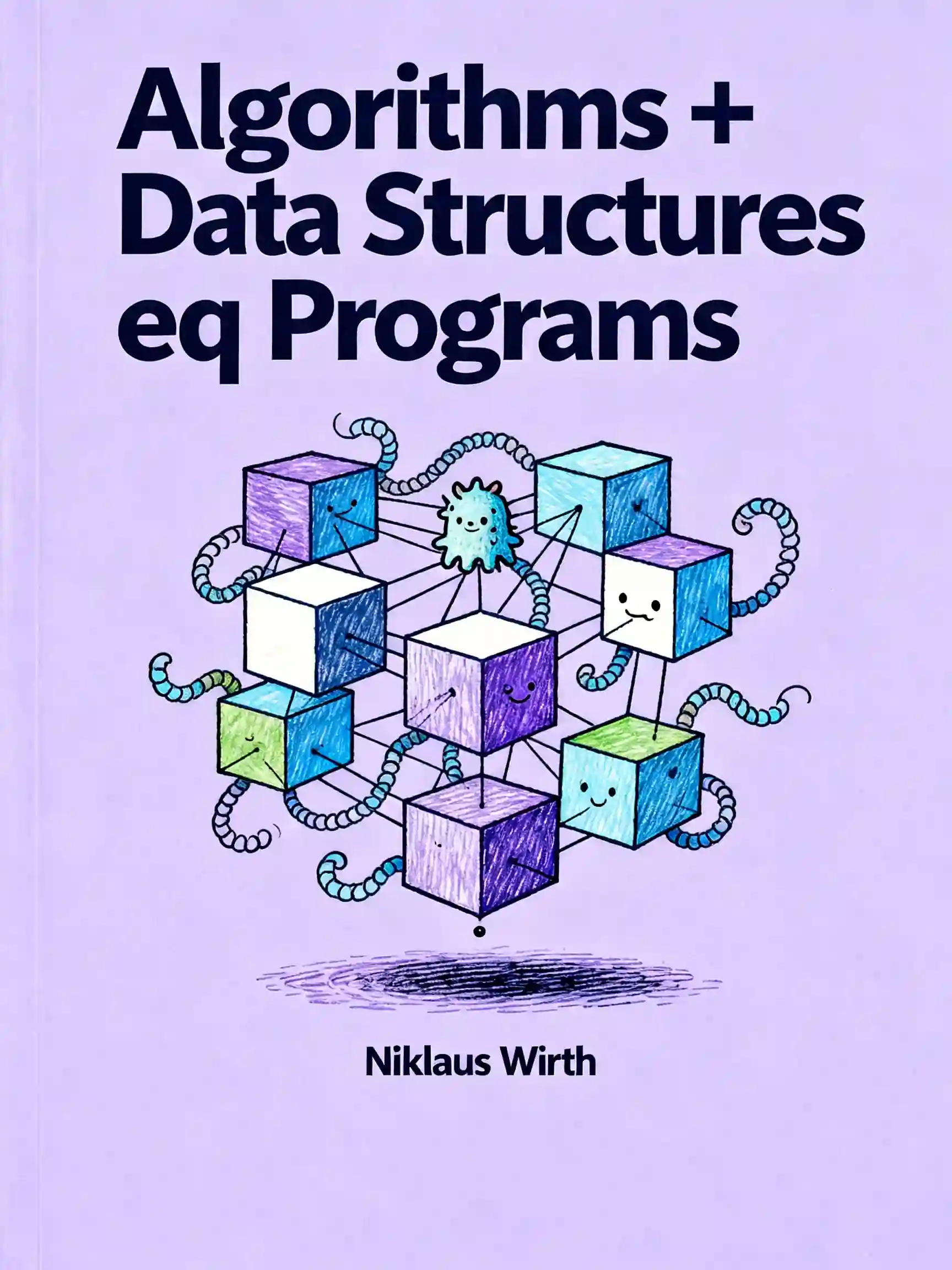
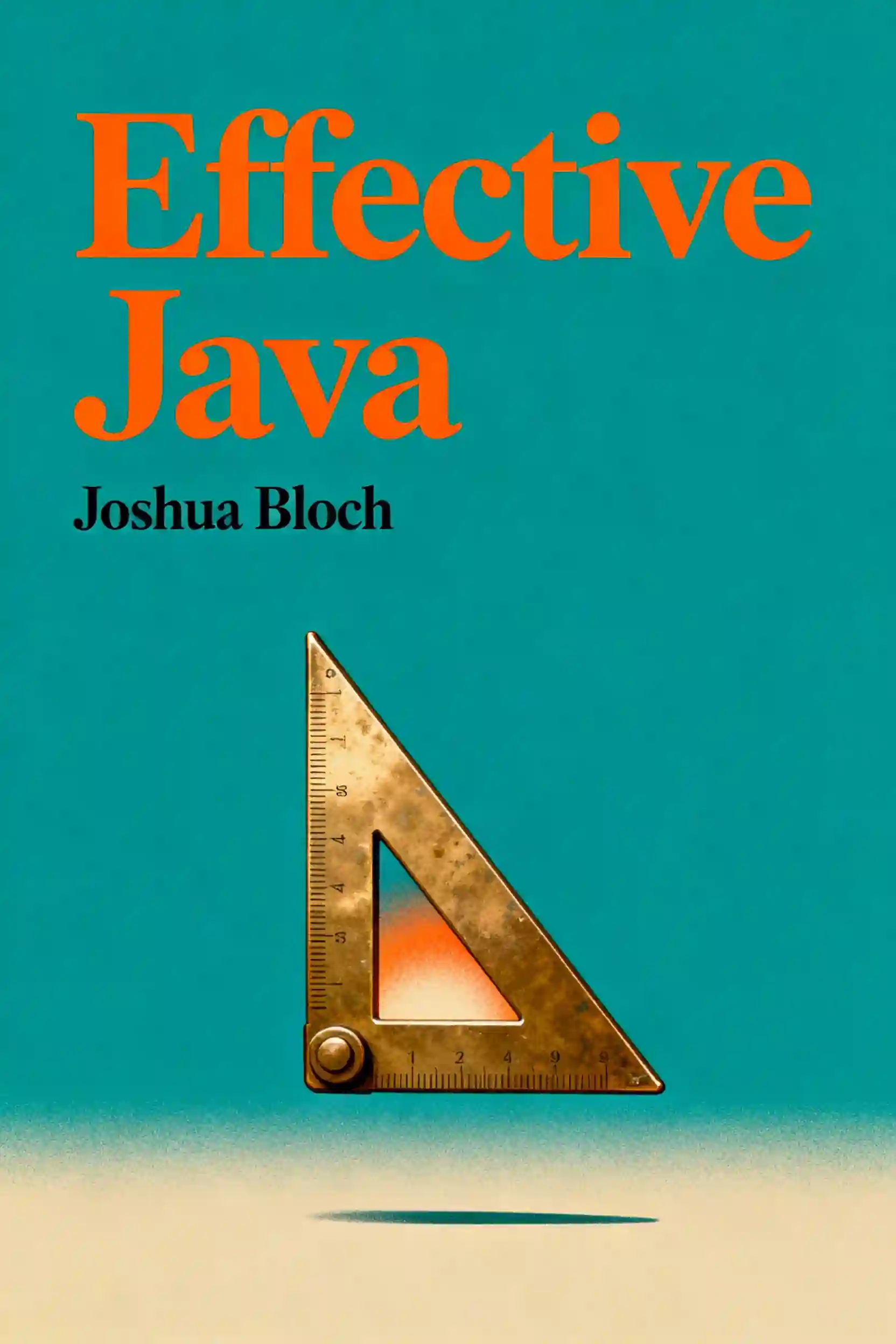
**Lena:** You know what I think is really crucial for our listeners to understand? It's not just about knowing these algorithms-it's about developing a systematic approach to problem-solving. When you're in an interview and facing a problem you've never seen before, having a methodology can make all the difference. **Blythe:** Oh, this is so important! And I love how the best resources emphasize this. Start by really understanding the problem-what are the inputs, what are the outputs, what are the constraints? Then think about the simplest possible solution, even if it's inefficient. **Lena:** Exactly! That brute force solution might not be optimal, but it gives you a baseline and helps you understand the problem structure. From there, you can think about optimizations. Can you eliminate redundant work? Can you use a different data structure to speed things up? **Blythe:** Right! And here's something that took me way too long to learn-always think about edge cases early. Empty inputs, single elements, duplicate values, negative numbers. These aren't just afterthoughts; they often reveal important insights about the problem structure. **Lena:** That's such good advice! And speaking of practical strategies, let's talk about the importance of coding style and best practices. Because in interviews, it's not just about getting the right answer-it's about writing clean, readable code that demonstrates your professionalism. **Blythe:** Oh yes! And this is where understanding Java best practices becomes really valuable. Things like proper variable naming, avoiding code duplication, handling edge cases gracefully-these details matter so much in interview settings. **Lena:** Absolutely! And I love how "Effective Java" provides such clear guidelines for writing robust code. Things like preferring composition over inheritance, understanding when to use static factory methods, properly implementing equals and hashCode-these aren't just academic concepts. **Blythe:** Right! They're practical tools that make your code more maintainable and less error-prone. And in an interview context, demonstrating that you understand these principles shows that you're thinking like a professional developer, not just someone who can solve algorithmic puzzles. **Lena:** And let's talk about the importance of communication during the problem-solving process. Because in real interviews, the interviewer wants to understand your thinking, not just see your final solution. **Blythe:** This is huge! I've seen people solve problems correctly but fail interviews because they didn't explain their approach clearly. You want to be thinking out loud, explaining your choices, discussing trade-offs. It's like giving a guided tour of your problem-solving process.
Chapter 7Advanced Data Structures and Optimization Techniques
**Lena:** As we move into more advanced territory, I think it's important to talk about some of the specialized data structures that can really set you apart in interviews. Things like heaps, tries, and hash tables-they're not just academic curiosities. **Blythe:** Oh, absolutely! Take heaps, for example. They're perfect for priority queue problems, finding the kth largest element, or merging sorted sequences. And once you understand the heap property, implementing heapsort becomes almost trivial. **Lena:** Yes! And tries are fascinating for string-related problems. Autocomplete systems, spell checkers, prefix matching-tries make these problems elegant and efficient. Plus, understanding tries helps you think about how to organize data for fast retrieval. **Blythe:** And hash tables-they're like the secret sauce of efficient algorithms! Need to check membership in constant time? Hash table. Want to count frequencies? Hash table. Looking for pairs that sum to a target? You guessed it-hash table. **Lena:** I love how versatile they are! But it's also important to understand their limitations. Hash tables don't preserve order, they can have collision issues, and they're not great when you need range queries. Knowing when NOT to use a hash table is just as important as knowing when to use one. **Blythe:** That's such a great point! And it highlights something crucial about advanced problem-solving-it's not just about knowing more data structures, it's about understanding the trade-offs between different approaches. **Lena:** Exactly! And this is where bit manipulation techniques can be really powerful. They're not always necessary, but when they apply, they can lead to incredibly elegant and efficient solutions. **Blythe:** Oh, bit manipulation is like having a secret superpower! Finding the single non-duplicate number in an array? XOR all elements together. Checking if a number is a power of two? Use n & (n-1) == 0. These techniques feel like magic when you first learn them. **Lena:** And what's cool is how bit manipulation connects to other areas. Understanding binary representations helps with divide-and-conquer algorithms, and bitwise operations are fundamental to many optimization techniques. **Blythe:** Right! And speaking of optimization, let's talk about some advanced algorithmic techniques like backtracking and greedy algorithms. These aren't just academic concepts-they solve real problems elegantly. **Lena:** Backtracking is particularly elegant for constraint satisfaction problems. N-queens, Sudoku solving, generating permutations-backtracking gives you a systematic way to explore all possibilities while pruning invalid paths early. **Blythe:** And greedy algorithms are beautiful in their simplicity! The key insight is recognizing when making the locally optimal choice leads to a globally optimal solution. Activity selection, Huffman coding, minimum spanning trees-they all use this principle.
Chapter 8Interview-Specific Preparation and Mindset
**Lena:** Now, let's get really practical about interview preparation. Because knowing algorithms is one thing, but performing well under pressure in an interview setting is a completely different challenge. **Blythe:** Oh, this is where the rubber meets the road! And I think one of the biggest mistakes people make is trying to memorize solutions instead of understanding patterns. You want to be able to adapt and think on your feet, not just regurgitate memorized code. **Lena:** Exactly! And this is where practicing on platforms like LeetCode, HackerRank, and others becomes so valuable. But it's not just about solving problems-it's about building that pattern recognition and developing your problem-solving intuition. **Blythe:** Right! And here's something I wish someone had told me earlier-start with easier problems and build up gradually. Don't jump straight into hard problems and get discouraged. Build confidence with easy and medium problems first. **Lena:** That's such good advice! And when you do practice, time yourself occasionally to get comfortable with the pressure. But don't always optimize for speed-sometimes it's better to take your time and really understand the solution deeply. **Blythe:** Yes! And practice explaining your solutions out loud. Get comfortable with the technical vocabulary, practice drawing diagrams, work on communicating complex ideas clearly. These soft skills matter just as much as the technical knowledge. **Lena:** And let's talk about the importance of asking clarifying questions. In a real interview, the problem statement might be deliberately vague. Learning to ask the right questions shows that you're thinking like a professional developer. **Blythe:** Oh, this is so important! Questions like "What should I return for invalid input?" or "Are there any constraints on the input size?" or "Should I optimize for time or space?" These show that you're thinking about edge cases and trade-offs. **Lena:** And here's something that might surprise our listeners-sometimes the interviewer is more interested in your approach than your final solution. They want to see how you break down problems, how you handle getting stuck, how you recover from mistakes. **Blythe:** Absolutely! I've heard of people getting hired even when they didn't completely solve the problem, because they demonstrated excellent problem-solving process and communication skills. It's about showing your potential, not just your current knowledge. **Lena:** And that brings up an important point about mindset. Interviews can be stressful, but try to think of them as collaborative problem-solving sessions rather than tests you need to pass. The interviewer wants you to succeed! **Blythe:** Yes! And if you get stuck, don't panic. Talk through what you're thinking, discuss different approaches, ask for hints if you need them. Most interviewers would rather give you a small hint and see you solve the problem than watch you struggle in silence.
Chapter 9Continuous Learning and Skill Development
**Lena:** As we start to wrap up our deep dive, I want to talk about something that's often overlooked-how to maintain and continue developing these skills over time. Because learning algorithms and data structures isn't a one-time event; it's an ongoing journey. **Blythe:** Oh, this is such an important point! And I think the key is to make it a habit rather than a sprint. Even spending 30 minutes a day practicing problems or reviewing concepts can make a huge difference over time. **Lena:** Absolutely! And variety is important too. Don't just stick to one type of problem or one platform. Mix up arrays and trees and graphs and dynamic programming. Keep your skills broad and sharp. **Blythe:** Right! And here's something that's really helped me-try to implement classic algorithms from scratch occasionally. Don't just use library functions; actually code up quicksort or DFS or Dijkstra's algorithm. It deepens your understanding tremendously. **Lena:** That's excellent advice! And when you're learning new concepts, try to connect them to things you already know. How does this new graph algorithm relate to the tree traversals you've mastered? How does this DP problem connect to the recursion patterns you understand? **Blythe:** Yes! Building those mental connections makes everything stick better. And don't be afraid to teach others or explain concepts in your own words. Teaching is one of the best ways to solidify your own understanding. **Lena:** And stay curious about real-world applications! When you're using GPS navigation, think about the shortest path algorithms running behind the scenes. When you're searching on Google, consider the data structures and algorithms that make it possible to search billions of pages in milliseconds. **Blythe:** I love that perspective! It makes the abstract concepts feel concrete and relevant. And speaking of real-world applications, don't forget that these skills transfer beyond just coding interviews. They make you a better developer overall. **Lena:** Absolutely! Understanding algorithms helps you write more efficient code, choose appropriate data structures for your projects, and think systematically about performance optimization. These are valuable skills throughout your entire career. **Blythe:** And here's something that might surprise people-as you get more experienced, you start seeing algorithmic patterns in unexpected places. Database query optimization, machine learning algorithms, even user interface design can benefit from algorithmic thinking. **Lena:** That's such a great point! It really highlights how fundamental these concepts are to computer science and software development. They're not just interview prep-they're core professional skills.
Chapter 10Bringing It All Together: Your Path Forward
**Lena:** So as we bring this comprehensive exploration to a close, let's talk about creating a concrete action plan. Because we've covered a lot of ground today, and I want our listeners to feel empowered to take the next steps in their learning journey. **Blythe:** Yes! And I think the key is to start where you are, not where you think you should be. If arrays and strings feel challenging, start there. If you're comfortable with basic data structures but dynamic programming seems mysterious, that's your next mountain to climb. **Lena:** Exactly! And remember that everyone's journey is different. Some people are naturally good at recursive thinking, others excel at iterative solutions. Some love graph problems, others prefer mathematical algorithms. Play to your strengths while working on your weaknesses. **Blythe:** Right! And set realistic goals. Maybe it's solving one problem per day, or spending an hour each weekend reviewing concepts, or working through a specific topic each month. Consistency beats intensity every time. **Lena:** And don't forget to celebrate your progress! When you solve a problem that would have stumped you a month ago, that's worth celebrating. When you recognize a pattern you've seen before, that's growth. When you can explain a concept clearly to someone else, that's mastery developing. **Blythe:** Oh, I love that! And remember that struggling is part of the process. Every expert was once a beginner who felt overwhelmed by binary trees or confused by recursion. The difference is they kept going, kept practicing, kept learning. **Lena:** And leverage the incredible resources available today. The books we've discussed, online platforms, video tutorials, coding communities-there's never been a better time to learn these skills. But remember, resources are just tools; you still need to do the work. **Blythe:** Absolutely! And here's my final piece of advice-enjoy the journey! Yes, algorithms and data structures can be challenging, but they're also beautiful and elegant. There's real satisfaction in understanding how a complex algorithm works, or in finding an efficient solution to a tricky problem. **Lena:** I couldn't agree more! There's something almost artistic about well-crafted algorithms. They're efficient, elegant, and solve real problems. When you start seeing that beauty, the learning becomes intrinsically rewarding, not just a means to an end. **Blythe:** And remember, every expert in this field started exactly where you are now. Joshua Bloch, who wrote "Effective Java," didn't emerge fully formed as a master programmer. The authors of all these incredible resources we've discussed-they all had to learn these concepts one step at a time, just like you're doing now. **Lena:** That's such an inspiring thought! And here's what I want everyone listening to remember: you're not just learning algorithms and data structures for interviews, though they'll certainly help with that. You're developing a way of thinking that will serve you throughout your entire career in technology. **Blythe:** Exactly! Whether you end up working on web applications, mobile apps, distributed systems, artificial intelligence, or areas we haven't even imagined yet, these fundamental concepts will be relevant. You're building a foundation that will support whatever direction your career takes. **Lena:** And on that note, I want to thank everyone for joining us on this deep dive into algorithms and data structures. We've covered everything from basic arrays to advanced optimization techniques, from interview strategies to long-term learning approaches. **Blythe:** It's been such a pleasure exploring these concepts with you, Lena, and with all our listeners! Remember, the path to mastery isn't always linear, but every step forward is progress. Keep practicing, stay curious, keep those questions coming, and most importantly, believe in your ability to grow and learn. **Lena:** Absolutely! So to everyone listening, whether you're just starting your coding journey or you're preparing for your next big interview, remember that these skills are learnable. With patience, practice, and persistence, you can master algorithms and data structures. Until next time, stay curious and keep coding! **Blythe:** And remember-every algorithm you learn, every pattern you recognize, every problem you solve is making you a better developer. The journey might be challenging, but it's also incredibly rewarding. Happy coding, everyone!
Why people search for how to learn data structures and algorithms for interviews
Many developers look for the best ways to learn data structures and algorithms to tackle technical coding interviews with confidence. The focus is often on understanding core concepts like arrays, trees, and graphs, as well as mastering essential problem-solving patterns like two pointers, sliding window, and binary search.
A practical guide to data structures and algorithms for interviews
To effectively learn data structures and algorithms for interviews, you must prioritize active practice over passive reading. Begin by understanding foundational structures like arrays and hash maps before moving on to more complex concepts like trees, tries, and graphs. Pair this knowledge with algorithmic patterns such as binary search, depth-first search (DFS), and breadth-first search (BFS). Apply these concepts by solving problems consistently, recognizing the underlying patterns rather than trying to memorize specific solutions.
Best quote from Master Every Algorithm: Complete Interview Prep Guide
It's not really about whether you'll use these exact algorithms; it's about problem-solving patterns and thinking systematically about efficiency. When you truly understand the underlying concepts, you can adapt and solve variations you've never seen before.
Knowledge sources



FAQ
You can learn online by focusing on systematic problem-solving patterns and practicing on coding platforms. Start with foundational concepts like arrays and binary search, and actively solve problems tagged with specific data structures rather than passively reading.
The most commonly tested data structures in interviews include arrays, hash maps, linked lists, trees, tries, and graphs. Understanding how to organize data efficiently using these structures is essential.
Beginners should start by mastering basic data structures like arrays and loops, then progress to core algorithmic patterns such as binary search and sorting. Consistent, hands-on coding practice is necessary to build a strong foundation.
From Columbia University alumni built in San Francisco
"Instead of endless scrolling, I just hit play on BeFreed. It saves me so much time."


"I never knew where to start with nonfiction—BeFreed’s book lists turned into podcasts gave me a clear path."


"Perfect balance between learning and entertainment. Finished ‘Thinking, Fast and Slow’ on my commute this week."
"Crazy how much I learned while walking the dog. BeFreed = small habits → big gains."
"Reading used to feel like a chore. Now it’s just part of my lifestyle."

"Feels effortless compared to reading. I’ve finished 6 books this month already."
"BeFreed turned my guilty doomscrolling into something that feels productive and inspiring."

"BeFreed turned my commute into learning time. 20-min podcasts are perfect for finishing books I never had time for."
"BeFreed replaced my podcast queue. Imagine Spotify for books — that’s it. 🙌"

"It is great for me to learn something from the book without reading it."
"The themed book list podcasts help me connect ideas across authors—like a guided audio journey."
"Makes me feel smarter every time before going to work"
From Columbia University alumni built in San Francisco
"Instead of endless scrolling, I just hit play on BeFreed. It saves me so much time."
"I never knew where to start with nonfiction—BeFreed’s book lists turned into podcasts gave me a clear path."
"Perfect balance between learning and entertainment. Finished ‘Thinking, Fast and Slow’ on my commute this week."
"Crazy how much I learned while walking the dog. BeFreed = small habits → big gains."
"Reading used to feel like a chore. Now it’s just part of my lifestyle."
"Feels effortless compared to reading. I’ve finished 6 books this month already."
"BeFreed turned my guilty doomscrolling into something that feels productive and inspiring."
"BeFreed turned my commute into learning time. 20-min podcasts are perfect for finishing books I never had time for."
"BeFreed replaced my podcast queue. Imagine Spotify for books — that’s it. 🙌"
"It is great for me to learn something from the book without reading it."
"The themed book list podcasts help me connect ideas across authors—like a guided audio journey."
"Makes me feel smarter every time before going to work"
"Instead of endless scrolling, I just hit play on BeFreed. It saves me so much time."
"I never knew where to start with nonfiction—BeFreed’s book lists turned into podcasts gave me a clear path."
"Perfect balance between learning and entertainment. Finished ‘Thinking, Fast and Slow’ on my commute this week."
"Crazy how much I learned while walking the dog. BeFreed = small habits → big gains."
"Reading used to feel like a chore. Now it’s just part of my lifestyle."
"Feels effortless compared to reading. I’ve finished 6 books this month already."
"BeFreed turned my guilty doomscrolling into something that feels productive and inspiring."
"BeFreed turned my commute into learning time. 20-min podcasts are perfect for finishing books I never had time for."
"BeFreed replaced my podcast queue. Imagine Spotify for books — that’s it. 🙌"
"It is great for me to learn something from the book without reading it."
"The themed book list podcasts help me connect ideas across authors—like a guided audio journey."
"Makes me feel smarter every time before going to work"
"Instead of endless scrolling, I just hit play on BeFreed. It saves me so much time."
"I never knew where to start with nonfiction—BeFreed’s book lists turned into podcasts gave me a clear path."
"Perfect balance between learning and entertainment. Finished ‘Thinking, Fast and Slow’ on my commute this week."
"Crazy how much I learned while walking the dog. BeFreed = small habits → big gains."
"Reading used to feel like a chore. Now it’s just part of my lifestyle."
"Feels effortless compared to reading. I’ve finished 6 books this month already."
"BeFreed turned my guilty doomscrolling into something that feels productive and inspiring."
"BeFreed turned my commute into learning time. 20-min podcasts are perfect for finishing books I never had time for."
"BeFreed replaced my podcast queue. Imagine Spotify for books — that’s it. 🙌"
"It is great for me to learn something from the book without reading it."
"The themed book list podcasts help me connect ideas across authors—like a guided audio journey."
"Makes me feel smarter every time before going to work"