Audio engineering at home: episode overview
This BeFreed audio guide helps beginners understand what audio engineering involves and how to practice it at home. Audio engineering means working with sound: recording it cleanly, organizing it, editing it, balancing it, processing it, and preparing a finished version for listening. It overlaps with music production, but it is not the same as composing songs. It also is not software engineering or advanced electronics repair; the focus here is practical sound capture and sound shaping.
Create Your Podcast in a Click
Generated by Chad
Input question
I want to learn audio engineering
Host voices

What you'll learn about audio engineering at home
- 1
From Studios to Laptops
 00:0000:00
Lena: Hey there, audio enthusiasts! Welcome to today's episode where we're diving into the fascinating world of audio engineering. Miles, I was thinking about this on my way here—so many musicians spend countless hours perfecting their playing, but then have no idea how to make it sound good in a recording. It's like learning to cook but never learning how to plate the food! Miles: That's such a perfect analogy, Lena! And you know what's interesting? According to the sources I've been studying, the field of audio engineering has evolved at lightning speed over the past few years. What used to require massive studio budgets and equipment that filled entire rooms can now largely be accomplished with a decent laptop and the right software. Lena: Seriously? That's incredible! So basically anyone with determination could potentially learn this skill now? Miles: Exactly! But here's the catch—while the tools have become more accessible, the knowledge required is still just as complex. You need to understand everything from acoustics and microphone techniques to digital signal processing and psychoacoustics—which is basically how our brains perceive sound. Lena: Psychoacoustics? That sounds like something from a sci-fi movie! Miles: Right? It's actually fascinating stuff! It's all about understanding how our ears and brain work together to interpret sound waves. And that knowledge is crucial whether you're recording a vocal track, mixing a full band, or mastering the final product. Let's explore the educational pathways that can help someone become a skilled audio engineer in today's digital landscape.
- 2
The Building Blocks of Sound
Miles: So let's start with the fundamentals, because honestly, you can't engineer what you don't understand. Sound is essentially vibrations moving through air—or any medium really—and these vibrations have specific characteristics that we can measure and manipulate. Lena: Okay, so when I strum my guitar, I'm creating vibrations. But how does that translate into what we hear through speakers or headphones? Miles: Great question! Those vibrations create what we call sound waves, and they have seven key characteristics that every audio engineer needs to master. We're talking about amplitude, frequency, phase, velocity, wavelength, harmonics, and envelope. Each one affects how we perceive the sound differently. Lena: Seven characteristics? That seems like a lot to keep track of! Miles: It does at first, but think of it this way—amplitude determines how loud something sounds, frequency determines the pitch, and harmonics are what make your guitar sound different from a piano playing the same note. The envelope is particularly interesting because it describes how a sound starts, sustains, and ends—what we call ADSR: attack, decay, sustain, and release. Lena: So that's why a guitar note sounds different from a piano note even at the same pitch? Miles: Exactly! The harmonics and envelope are completely different. A piano has that sharp attack when the hammer hits the string, while a guitar might have a softer attack depending on how you pluck it. And here's where it gets really interesting for audio engineers—understanding these characteristics lets you shape sounds during recording and mixing. Lena: But how do we actually capture these sound waves in the first place? I mean, they're just invisible vibrations in the air. Miles: That's where microphones come in—they're essentially transducers that convert acoustic energy into electrical energy. And just like our ears, different microphones capture sound differently. You've got dynamic mics that are rugged and handle loud sounds well, condenser mics that are incredibly sensitive and capture fine details, and ribbon mics that give you that smooth, vintage tone. Lena: It's like having different types of cameras for different situations? Miles: Perfect analogy! And just like cameras, microphones have different pickup patterns. Some are cardioid, meaning they mainly pick up sound from the front and reject sound from behind. Others are omnidirectional and capture sound equally from all directions. Understanding these patterns is crucial for controlling what you capture and what you don't. Lena: So if I'm recording vocals and there's noise coming from behind the microphone, I'd want a cardioid pattern to reject that background noise? Miles: You've got it! And that's just the beginning. Once you've captured the sound, it needs to travel through what we call the signal flow—the path from your microphone all the way to your speakers. Every component in that chain affects the final sound, so understanding signal flow is absolutely critical for troubleshooting and getting professional results.
- 3
Digital Revolution in Your Bedroom
Lena: You mentioned earlier that we can do so much more with laptops now. How did we get from those massive studio consoles to working entirely on computers? Miles: It's been a fascinating evolution! For over a century, everything was analog—continuous voltage levels that directly corresponded to the sound waves. You had these huge mixing consoles with hundreds of knobs and faders, tape machines that took up entire walls, and outboard gear racks that cost more than most people's houses. Lena: That sounds intimidating! I can barely figure out all the buttons on my car stereo. Miles: Right? But then digital technology revolutionized everything. Instead of continuous voltage, digital audio samples the sound thousands of times per second and converts it into binary code—ones and zeros that computers can manipulate. The development of the Compact Disc in the 1980s was a huge milestone, but the real game-changer was software like Pro Tools. Lena: So now instead of needing a room full of equipment, I can have all of that power in software on my laptop? Miles: Absolutely! Modern Digital Audio Workstations—we call them DAWs—like Logic Pro, Ableton Live, FL Studio, and Studio One offer capabilities that would have required hundreds of thousands of dollars worth of hardware just a few decades ago. You can record multiple tracks, edit them with surgical precision, add effects, and mix everything down to a professional-sounding final product. Lena: But there must be some trade-offs, right? I mean, if it was that simple, wouldn't everyone be doing it? Miles: You're absolutely right to ask that! While the tools have become incredibly accessible, the knowledge required hasn't gotten any simpler. In fact, in some ways it's more complex because you have so many more options. You need to understand concepts like sample rate and bit depth—basically how detailed your digital recording is—plus all the traditional audio engineering principles. Lena: Can you break down sample rate and bit depth for me? Those sound pretty technical. Miles: Sure! Think of sample rate like the frame rate of a movie camera. Just like a camera takes individual pictures really fast to create the illusion of motion, digital audio takes thousands of "snapshots" of the sound wave every second. CD quality is 44,100 snapshots per second—that's the sample rate. Bit depth is like the resolution of each snapshot—how much detail each one contains. Higher bit depth means you can capture everything from the softest whisper to the loudest scream without distortion. Lena: So more is always better? Miles: Not necessarily! Higher sample rates and bit depths mean bigger file sizes and more processing power required. Most professional recordings use 48kHz sample rate and 24-bit depth, which gives you plenty of headroom without overwhelming your computer. The key is understanding what your project needs. Lena: This is starting to make sense. So the digital revolution didn't just make things cheaper—it made them more flexible too? Miles: Exactly! You can experiment with ideas that would have been impossible or prohibitively expensive in the analog days. Want to try reversing a vocal? A few clicks. Need to tune a slightly off-pitch note? There's software for that. Want to create a completely artificial reverb that sounds like you're singing in a cathedral? No problem. The creative possibilities are virtually endless.
- Chapter 4
The Science of What We Hear
**Lena:** I'm curious about something you mentioned earlier—psychoacoustics. How does understanding how our brains process sound help with audio engineering? **Miles:** Oh, this is where things get really fascinating! Our ears aren't just passive receivers—they're incredibly sophisticated instruments that work closely with our brains to interpret sound. And they don't perceive all frequencies equally, which has huge implications for how we record and mix music. **Lena:** What do you mean they don't perceive frequencies equally? **Miles:** Well, there's something called the Fletcher-Munson curve that shows how our hearing sensitivity changes across different frequencies and volume levels. We're most sensitive to midrange frequencies—roughly 200 Hz to 5 kHz—which is where most of human speech sits. We hear highs and lows less clearly, especially at lower volumes. **Lena:** So that's why when I turn my car stereo down really low, I lose the bass and the sparkly high end? **Miles:** Exactly! And here's the professional tip—most humans hear all frequency ranges more equally when listening at around 80 to 85 decibels. That's why professional mixing engineers monitor at these levels. It gives them the most accurate representation of how their mix will translate to different playback systems. **Lena:** That's incredibly practical! But I'm also thinking about ear protection. If we're working with sound all the time, how do we protect our hearing? **Miles:** You've hit on something crucial that a lot of aspiring engineers overlook. Extended exposure to loud sounds can cause permanent hearing loss, and your ears are literally your most important tools. Professional engineers are religious about using proper ear protection at concerts and other high-volume events. **Lena:** What kind of ear protection should someone use? Those foam plugs you get at concerts? **Miles:** Foam plugs are better than nothing, but they mainly just reduce volume while cutting a lot of high frequencies, which changes how music sounds. For serious work, you want custom-molded earplugs that maintain the frequency balance while reducing amplitude. They're an investment, but your career depends on your hearing. **Lena:** That makes total sense. So understanding psychoacoustics helps us make better mixing decisions? **Miles:** Absolutely! For example, knowing that our ears are less sensitive to low frequencies means you might need to boost the bass slightly to achieve the perceived balance you want. Or understanding that certain frequencies can mask others helps you make EQ decisions that create space in your mix instead of just making things louder. **Lena:** Masking? That sounds important. **Miles:** It's huge! Masking happens when louder sounds obscure quieter ones, especially in similar frequency ranges. If your bass guitar and kick drum are both fighting for the same low-frequency space, they'll mask each other and your mix will sound muddy. Professional engineers use techniques like subtractive EQ to carve out space for each element. **Lena:** So instead of turning everything up, you turn some things down? **Miles:** You've got it! Subtractive EQ is often more effective than additive EQ. By cutting unwanted frequencies from one instrument, you create space for another instrument to shine through. It's like organizing a conversation—everyone can speak, but not everyone should speak at the same time in the same frequency range.
Chapter 5Microphones as Your Sonic Palette
**Lena:** Let's dive deeper into microphones, because they seem like such a critical starting point. You mentioned different types earlier—how do I know which one to use for what? **Miles:** Think of microphones as your sonic palette—each one colors the sound differently, just like different paintbrushes create different textures. The three main transducer types each have distinct characteristics that make them suitable for different applications. **Lena:** Transducer types—that's how they convert sound waves into electrical signals, right? **Miles:** Exactly! Dynamic microphones are incredibly rugged and can handle extremely loud sounds without distorting. They're perfect for drums, guitar amplifiers, and live vocals because they can take a beating and still perform. The classic Shure SM57 and SM58 are dynamic mics that you'll find in virtually every professional studio and venue. **Lena:** What about those really expensive-looking microphones with the big mesh screens? **Miles:** Those are likely condenser microphones! They're much more sensitive and capture incredible detail and clarity. They're fantastic for vocals, acoustic instruments, and anything where you want to capture subtle nuances. But they require phantom power from your audio interface or mixer, and they're more fragile than dynamics. **Lena:** Phantom power? That sounds mysterious. **Miles:** It's just 48 volts of power sent through the microphone cable to operate the condenser mic's internal electronics. Most modern audio interfaces provide phantom power at the flip of a switch. And then there are ribbon microphones, which give you that smooth, darker tone that's often described as "vintage" or "warm." **Lena:** So the microphone choice is really about matching the tool to the job? **Miles:** Absolutely! But it goes beyond just the transducer type. The pickup pattern—or polar pattern—is equally important. A cardioid pattern rejects sound from behind the microphone, which is great for isolating your source from room noise or other instruments. An omnidirectional pattern picks up sound equally from all directions, which can be perfect for capturing the natural ambience of a room. **Lena:** When would I want that room ambience? **Miles:** Great question! Sometimes the room is part of the sound. If you're recording a string quartet in a beautiful concert hall, you might use omnidirectional microphones to capture not just the instruments but the way they interact with the acoustics of the space. It's all about serving the music. **Lena:** This is making me realize that microphone placement is probably just as important as microphone selection. **Miles:** You've hit the nail on the head! Even the best microphone in the world won't help if it's in the wrong position. Distance affects the balance between direct sound and room sound. Angle affects which frequencies you emphasize. And understanding the proximity effect—how bass frequencies increase as you get closer to directional microphones—can help you shape the tone before you even start mixing. **Lena:** So there's strategy involved in every placement decision? **Miles:** Exactly! Professional engineers often spend more time positioning microphones than they do adjusting settings. They'll listen, move the mic a few inches, listen again, maybe try a different angle. It's all about finding that sweet spot where the microphone captures exactly what serves the song. And here's a pro tip—always record a few different mic positions and compare them. Your ears will tell you which one works best for that particular source in that particular song.
Chapter 6Command Centers and Signal Processing
**Lena:** Once we've captured the sound with microphones, where does it go next? I keep hearing about mixing consoles and signal processors. **Miles:** Think of the mixing console as command central for your entire audio operation. Whether it's a physical board with hundreds of faders and knobs or a virtual mixer inside your DAW, it's where you control every aspect of your sound—levels, EQ, effects, and routing. **Lena:** Routing? That's about directing the signal to different places, right? **Miles:** Exactly! And understanding signal flow is absolutely crucial for audio engineering. Your signal starts at the microphone, goes through a preamp to boost it to line level, then travels through various processors before reaching your monitors or recording device. Every component in that chain affects the final sound. **Lena:** What's line level? I've heard that term but never really understood it. **Miles:** Great question! Microphones put out a very weak signal—mic level. That needs to be amplified to line level, which is the standard operating level for most audio equipment. That's what the preamp does. Think of it like the difference between a whisper and normal conversation volume—you need that boost to work with the signal effectively. **Lena:** And then signal processors manipulate that line-level signal? **Miles:** Right! Signal processors take the original signal and modify it to create new sounds or control existing ones. Compressors control dynamic range, making loud parts quieter and quiet parts more audible. Gates turn sounds on and off based on amplitude—they're great for cleaning up drum tracks by eliminating bleed between hits. **Lena:** I've heard about compression but I'm not sure I understand what it actually does. **Miles:** Compression is like having an automatic volume control that responds incredibly quickly. It watches the incoming signal and when it gets too loud—above what we call the threshold—it turns it down according to a ratio you set. So if you set a 4:1 ratio, every 4 dB the signal goes over the threshold gets reduced to just 1 dB over. **Lena:** That sounds useful for vocals that have some really loud parts and some quiet parts. **Miles:** Absolutely! But compression is an art form. The attack time determines how quickly the compressor responds to loud signals, and the release time determines how quickly it lets go. Get these wrong and you can make a vocal sound lifeless or pumping in an unnatural way. Get them right and you can make a performance sound more polished and present. **Lena:** What about those time-based effects you mentioned—reverb and delay? **Miles:** These are where creativity really takes off! Reverb simulates acoustic spaces, adding depth and dimension to your recordings. You can make a vocal recorded in a small room sound like it was sung in a cathedral, or add just a touch of plate reverb for that classic vintage sound. Delay creates repeating echoes that can add rhythmic interest or create a sense of space. **Lena:** So these processors aren't just fixing problems—they're creative tools too? **Miles:** Exactly! While some processing is corrective—fixing issues with the original recording—much of it is creative enhancement. You might use chorus to make a guitar sound wider, or flanger to create that swooshing effect, or phaser for that classic "spacey" sound. The key is understanding what each processor does so you can choose the right tool for your creative vision.
Chapter 7Practical Workflows for Modern Engineers
**Lena:** Okay, so we've covered the theory and the tools. But what does a typical recording session actually look like? How do all these concepts come together in practice? **Miles:** Great question! Most recording sessions follow a pretty standard workflow, though every project is unique. It typically starts with preproduction—that's where you select songs, work out arrangements, determine tempos, and rehearse. This stage is absolutely crucial because well-prepared artists save enormous amounts of time and money in the studio. **Lena:** So the recording session isn't where you figure out what you're doing—it's where you execute a plan? **Miles:** Exactly! Then you move into setup, where you're positioning microphones, setting levels, and getting sounds. This is where all that microphone knowledge we talked about comes into play. You're making decisions about which mics to use, where to place them, and how to capture each element of the performance. **Lena:** And then you actually record the basic tracks? **Miles:** Right! Basic tracks are usually the foundation—drums, bass, maybe rhythm guitar and a scratch vocal to keep everyone in time. These tracks need to have the right feel and tempo because everything else will be built on top of them. Then comes overdubs—lead vocals, guitar solos, additional instruments, harmonies—all the details that bring the song to life. **Lena:** That sounds like it could take forever if you're not organized. **Miles:** Organization is everything! Professional engineers are incredibly methodical about labeling tracks, organizing files, and maintaining consistent naming conventions. When you're dealing with dozens of tracks across multiple songs, good organization isn't just helpful—it's essential for maintaining your sanity. **Lena:** What about the mixing stage? That's where you balance everything, right? **Miles:** Mixing is where you take all those individual recorded tracks and blend them into a cohesive stereo mix. You're adjusting levels, applying EQ to make each element sit well in the frequency spectrum, using compression to control dynamics, and adding effects to create the sonic landscape you want. It's part technical skill and part artistic vision. **Lena:** And mastering is the final step? **Miles:** Mastering is the final polish where you prepare your mix for distribution. A mastering engineer takes your stereo mix and applies subtle EQ, compression, and limiting to make it sound consistent and competitive with other commercial releases. They're also ensuring it translates well to different playback systems—from earbuds to car stereos to high-end speakers. **Lena:** So there's a lot of specialized knowledge at each stage? **Miles:** Absolutely! And here's something interesting—while technology has made it possible for one person to handle multiple roles, specialization still matters. A great recording engineer might not be the best mixing engineer, and a fantastic mixer might send their work to a dedicated mastering engineer. Each stage requires different skills and perspectives. **Lena:** It sounds like building a team of specialists could be really valuable. **Miles:** Exactly! And that's where networking becomes crucial. The audio engineering community is surprisingly collaborative. Engineers refer work to each other, share knowledge, and often specialize in particular genres or aspects of production. Building those relationships early in your career can open doors and provide mentorship opportunities that are invaluable.
Chapter 8The Home Studio Revolution
**Lena:** Let's talk about setting up a home studio, because I imagine that's where most people are starting these days. What do you actually need to get professional-sounding results at home? **Miles:** The home studio revolution has been incredible to witness! You can now achieve professional-quality recordings with a surprisingly modest setup. The key components are a decent computer, an audio interface, a good microphone, studio monitors or quality headphones, and some basic acoustic treatment. **Lena:** Let's break that down. What makes a computer "decent" for audio work? **Miles:** You need enough processing power to handle multiple tracks and effects without latency—that's delay between when you play something and when you hear it back. A quad-core processor is pretty much the minimum these days, and at least 8GB of RAM, though 16GB or 32GB is better if you can afford it. You'll also want a fast external hard drive for storing your projects because audio files are huge. **Lena:** And the audio interface is what connects everything to the computer? **Miles:** Exactly! The audio interface converts analog signals from your microphones into digital data your computer can work with, and then converts the digital audio back to analog for your monitors. Quality interfaces like the Focusrite Scarlett series or PreSonus Studio series offer professional-grade conversion and low-latency monitoring at reasonable prices. **Lena:** What about microphones for home recording? Do I need those expensive studio mics? **Miles:** Not necessarily! While high-end microphones can sound amazing, you can get excellent results with mid-priced options. Something like an Audio-Technica AT2020 or Rode NT1 will give you professional-quality vocal recordings at a fraction of the cost of vintage Neumann microphones. The key is understanding your microphone's characteristics and using proper technique. **Lena:** But I've heard that room acoustics can be a problem in home studios. **Miles:** You're absolutely right! This is actually one of the biggest challenges for home recording. Most rooms have parallel walls that create standing waves and reflections that can mess up both your recordings and your ability to hear your mixes accurately. But there are affordable solutions. **Lena:** Like what? I can't exactly rebuild my room. **Miles:** You don't need to! Basic acoustic treatment can make a huge difference. Thick rugs, heavy curtains, and even strategically placed blankets can help absorb reflections. You can build simple acoustic panels using rockwool insulation and fabric for a fraction of the cost of commercial panels. The goal isn't to create a completely dead space—just to control the most problematic reflections. **Lena:** What about monitoring? Should I invest in expensive studio monitors? **Miles:** Good monitors are important, but they need to match your room size. Big monitors in a small, untreated room can actually make things worse because of all the reflections. Sometimes quality headphones are a better choice for home studios. Something like Audio-Technica ATH-M50x or Sennheiser HD280 Pro can give you very accurate monitoring for mixing and editing. **Lena:** This is making me think that maybe starting with a simpler setup and upgrading gradually makes more sense than trying to buy everything at once. **Miles:** That's exactly the right approach! Start with the basics—computer, interface, one good microphone, headphones—and learn to use them well. As your skills develop and your needs become clearer, you can add more microphones, better monitors, outboard gear, or acoustic treatment. The most important investment is in learning and developing your ears.
Chapter 9Building Your Engineering Skillset
**Lena:** So we've covered the technical side pretty thoroughly. But what about the human skills? I imagine working with artists requires more than just technical knowledge. **Miles:** You've touched on something that's absolutely crucial but often overlooked in technical education. People skills can be just as important as your technical abilities in this field. Being positive and supportive creates a comfortable environment for artists, which leads to better performances. **Lena:** How does the engineer's attitude affect the music itself? **Miles:** It's huge! The "vibe" of a recording session directly impacts the creative process. If an artist feels relaxed and encouraged, they're more likely to take creative risks and deliver emotionally authentic performances. If they feel judged or rushed, they'll tense up and their performance will suffer. Sometimes the most important thing an engineer can do is create the right atmosphere. **Lena:** That makes sense. But where's the line between being supportive and offering creative input? **Miles:** That's a delicate balance! Technical opinions are always welcome—if you notice a tuning issue or suggest a different microphone that might work better, most artists appreciate that expertise. But creative input should be offered very carefully. Remember, it's the artist's vision, not yours. Your job is to help them realize their vision as effectively as possible. **Lena:** What about working with inexperienced musicians? That must require extra patience. **Miles:** Absolutely! Patience is essential, especially with artists who aren't used to the recording process. They might need multiple takes to get comfortable, or they might not understand technical terminology. A good engineer adapts their communication style to each artist and creates an environment where learning can happen naturally. **Lena:** It sounds like psychology is almost as important as acoustics! **Miles:** That's a great way to put it! And this extends to the business side too. Word-of-mouth referrals are crucial in this industry. Artists talk to other artists, and your reputation for being professional, skilled, and easy to work with will determine how much work comes your way. Technical skills might get you in the door, but people skills keep you working. **Lena:** What about continuing education? This field seems like it's constantly evolving. **Miles:** It absolutely is! New plugins are released constantly, recording techniques evolve, and music styles change. The most successful engineers are lifelong learners who stay curious about new developments. They read industry publications, attend workshops, participate in online forums, and most importantly, they keep experimenting with new ideas. **Lena:** Are there formal education paths, or is it more about hands-on experience? **Miles:** Both paths have value! Some engineers come from formal audio engineering programs at schools like Berklee or Full Sail, while others are completely self-taught through online resources, books, and experimentation. The key is combining theoretical knowledge with practical experience. You can read about compression all day, but you won't really understand it until you've used it on hundreds of different sources. **Lena:** What about internships? Are those still valuable in the digital age? **Miles:** Internships are incredibly valuable, but with an important caveat—they're not there to teach you the basics. You should already have fundamental knowledge before starting an internship. The real value is learning professional workflows, observing how experienced engineers work under pressure, and building industry connections. A good internship can absolutely launch a career, but you need to come prepared.
Chapter 10Your Audio Engineering Action Plan
**Lena:** Alright, so for our listeners who are feeling inspired and want to start their audio engineering journey, what's the practical action plan? Where should they begin? **Miles:** The first step is developing your listening skills, and I can't emphasize this enough. Start by critically analyzing recordings you love. Listen for how different instruments are positioned in the stereo field, how reverb is used to create space, how compression affects the dynamics. Train your ears through active listening exercises and A/B comparisons. **Lena:** That's something anyone can start doing right away with music they already own! **Miles:** Exactly! And while you're developing your ears, start learning your DAW inside and out. Pick one—whether it's Logic Pro, Pro Tools, Ableton Live, or Reaper—and really dive deep. Learn the keyboard shortcuts, understand the signal routing, experiment with the built-in plugins. Your DAW is your primary tool, so mastering it is essential. **Lena:** What about hands-on experience? How do you get that when you're just starting out? **Miles:** Start recording yourself and friends. Even if it's just acoustic guitar and vocals recorded with a basic setup, you'll learn more from actually doing it than from reading about it. Experiment with microphone placement, try different processing chains, make mistakes and learn from them. Every recording teaches you something new. **Lena:** Should beginners focus on one area—like recording, mixing, or mastering—or try to learn everything? **Miles:** I'd recommend starting with a broad foundation and then specializing as your interests become clearer. Learn basic recording techniques, understand fundamental mixing concepts, and grasp the purpose of mastering. As you gain experience, you might find yourself drawn more to the creative side of mixing or the technical precision of mastering. Let your natural interests guide your specialization. **Lena:** What about building a network in the industry? That seems important but maybe intimidating for beginners. **Miles:** Networking doesn't have to be intimidating! Start by connecting with other musicians and engineers in your local scene. Attend industry events, join online forums and communities, and participate in social media groups focused on audio engineering. The key is to be genuinely helpful and interested in others' work rather than just promoting yourself. **Lena:** And what about investing in equipment? We talked about starting simple, but when should someone upgrade? **Miles:** Upgrade when your current gear becomes the limiting factor in achieving your vision. If you're consistently running out of inputs on your interface, it's time for a bigger one. If your monitors aren't giving you accurate information about your mixes, invest in better monitoring. But always prioritize developing your skills over buying new gear—great engineers can make mediocre equipment sound good, but expensive equipment won't fix poor engineering skills. **Lena:** That's such practical advice! What about setting goals? How should someone structure their learning journey? **Miles:** Set both short-term and long-term goals. Short-term might be "record and mix one song per month" or "learn a new plugin each week." Long-term could be "complete an album project" or "get an internship at a local studio." Having concrete goals keeps you focused and provides a sense of progress. And don't forget to celebrate the small victories—they add up to big achievements over time. **Lena:** This has been such an enlightening conversation! Any final thoughts for our listeners who are ready to dive into audio engineering? **Miles:** The most important thing is to stay curious and keep experimenting. Audio engineering is a field where you never stop learning, and that's part of what makes it so exciting. Every song presents new challenges and opportunities to grow your skills. Be patient with yourself, stay persistent, and remember that every professional engineer was once exactly where you are now—curious, eager to learn, and ready to begin their journey.
Chapter 11The Sound of Tomorrow
**Lena:** As we bring this conversation to a close, I'm curious about where audio engineering is headed. What should aspiring engineers be preparing for? **Miles:** That's such a great question to end on! The field is evolving rapidly, and there are some fascinating developments on the horizon. Immersive audio technologies like Dolby Atmos are moving beyond movie theaters into music production, creating three-dimensional soundscapes that surround the listener. This isn't just a gimmick—it's opening up entirely new creative possibilities. **Lena:** So we're moving beyond just left and right stereo? **Miles:** Exactly! Imagine being able to place instruments not just left to right, but above, below, and all around the listener. It requires new mixing techniques and new ways of thinking about space in music. Engineers who understand these technologies early will have a significant advantage as they become more mainstream. **Lena:** What about artificial intelligence? I keep hearing about AI in every field these days. **Miles:** AI is definitely making its mark on audio engineering, but in ways that augment human creativity rather than replace it. We're seeing intelligent plugins that can automatically identify and fix certain audio problems, AI-assisted mastering services, and even software that can separate individual instruments from stereo mixes. These tools can handle routine tasks more efficiently, freeing engineers to focus on the creative aspects of their work. **Lena:** That sounds like it could be really helpful, especially for beginners who are still learning to identify problems. **Miles:** Absolutely! But the key is understanding what these tools are doing so you can make informed decisions about when and how to use them. AI might suggest an EQ curve, but you still need to know whether it serves the song. Technology should enhance your skills, not replace your judgment. **Lena:** And I imagine the trend toward remote collaboration is going to continue? **Miles:** Definitely! Cloud-based collaboration tools are becoming incredibly sophisticated. Engineers can work on the same project from different continents, sharing not just files but real-time control over the mixing console. This opens up opportunities to work with artists and other professionals worldwide, but it also requires new skills in digital communication and project management. **Lena:** So to our listeners who are just starting their audio engineering journey—you're entering the field at an incredibly exciting time. The tools are more accessible than ever, the creative possibilities are expanding rapidly, and there are more opportunities than ever to connect with artists and other professionals around the world. **Miles:** Exactly! And remember, while the technology keeps advancing, the fundamental principles we've discussed today—understanding sound, developing your ears, learning proper technique, and building good relationships—those remain just as important as ever. Master the basics, stay curious about new developments, and most importantly, never stop experimenting and pushing your creative boundaries. **Lena:** Thank you so much for sharing your knowledge with us today, Miles. And to everyone listening, we'd love to hear about your audio engineering adventures! Whether you're just getting started or you're a seasoned pro with tips to share, reach out and let us know how your journey is going. Until next time, keep those levels in check and those creative ideas flowing! **Miles:** Thanks for having me, Lena! And remember, every great recording starts with someone brave enough to press that record button. Your journey begins now—make some noise!
What people search for about learning audio engineering at home
Searchers often want to know whether sound engineering can be self-taught, what to study first, and what equipment is needed for a basic home studio. This guide answers those beginner questions without treating a specific software tool, platform, or setup as universally best.
- Can audio engineering be learned independently? Yes, but it requires structured listening, repetition, practice recordings, and careful comparison rather than shortcuts.
- What should a beginner learn first? Start with sound basics, levels, signal flow, microphone technique, and how audio moves through a recording setup.
- What does a basic home studio need? A workable starting point may include a DAW, audio interface, microphone if recording, headphones or monitors, and basic room-awareness habits.
A practical guide to learning audio engineering at home
1. Learn the sound basics
Begin with core ideas such as volume, frequency, dynamics, stereo image, noise, distortion, and headroom. These concepts help you understand why recordings sound too quiet, harsh, muddy, noisy, or unbalanced.
2. Understand signal flow
Signal flow is the path audio takes. A simple home recording chain might be: voice or instrument → microphone or instrument cable → audio interface preamp/input → DAW track → editing and processing → mix bus or master channel → headphones, monitors, or exported audio file. Knowing this path makes troubleshooting easier when a signal is missing, too loud, or distorted.
3. Practice recording
Record simple sources first, such as a spoken voice, a single instrument, or a short loop. Pay attention to input level, microphone placement, room noise, and whether the recording sounds clear before adding processing.
4. Learn editing before heavy processing
Editing includes trimming, arranging, removing unwanted noise between phrases, adjusting timing where appropriate, and organizing tracks. Clean editing makes mixing easier.
5. Build basic mixing habits
Mixing is the process of balancing tracks so they work together. Start with level and panning before using EQ, compression, reverb, delay, or other effects. Make small changes and compare often.
6. Treat mastering as final preparation
Mastering is the final stage after a mix is working well. At a beginner level, think of it as checking the overall level, tonal balance, spacing between songs if there is more than one, and how the track translates across listening systems.
Home-studio setup basics for learning sound engineering
DAW
A digital audio workstation is the software used to record, edit, arrange, mix, and export audio. No single DAW is best for every learner; choose one you can practice with consistently.
Audio interface
An interface connects microphones, instruments, and headphones or monitors to the computer. It also handles audio conversion and input gain control.
Microphone
A microphone is needed for recording voices, acoustic instruments, room sounds, or amplifiers. Placement matters: small changes in distance and angle can change tone and noise.
Headphones or monitors
Headphones can help with detailed listening and recording without speaker bleed. Monitors can help you judge balance in a room. Either option requires careful listening and comparison.
Acoustic treatment basics
Room reflections and noise affect recordings and mixing decisions. Beginner-friendly steps include recording away from noisy appliances, reducing obvious echoes, avoiding bare reflective corners when possible, and using consistent listening positions.
How audio engineering differs from nearby fields
Audio engineering vs. music composition
Composition is about creating melodies, harmonies, rhythms, and musical structure. Audio engineering is about capturing, editing, balancing, and presenting sound.
Audio engineering vs. software engineering
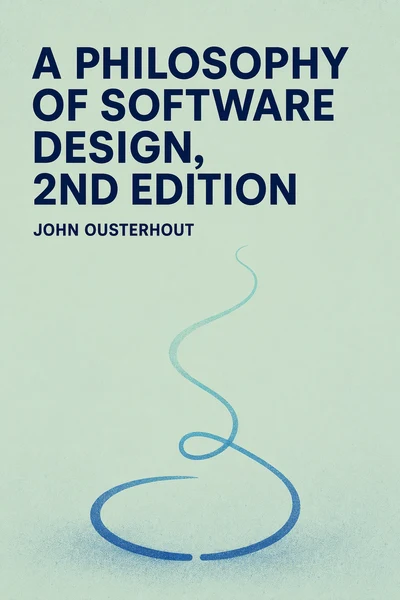
Software engineering is the design and development of software systems. Audio engineering may use software, but learning audio engineering at home is not the same as learning programming.
Audio engineering vs. electronics repair
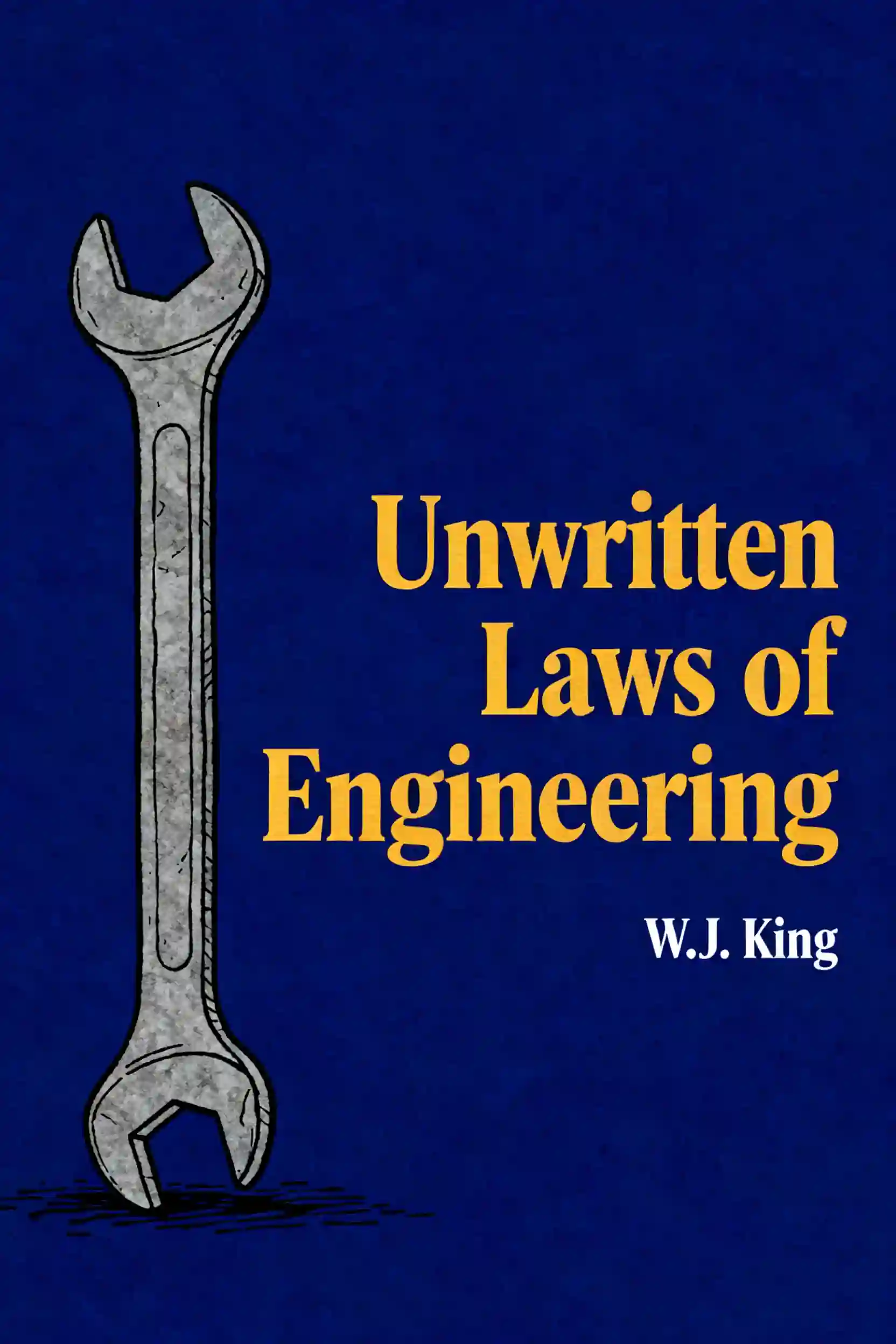
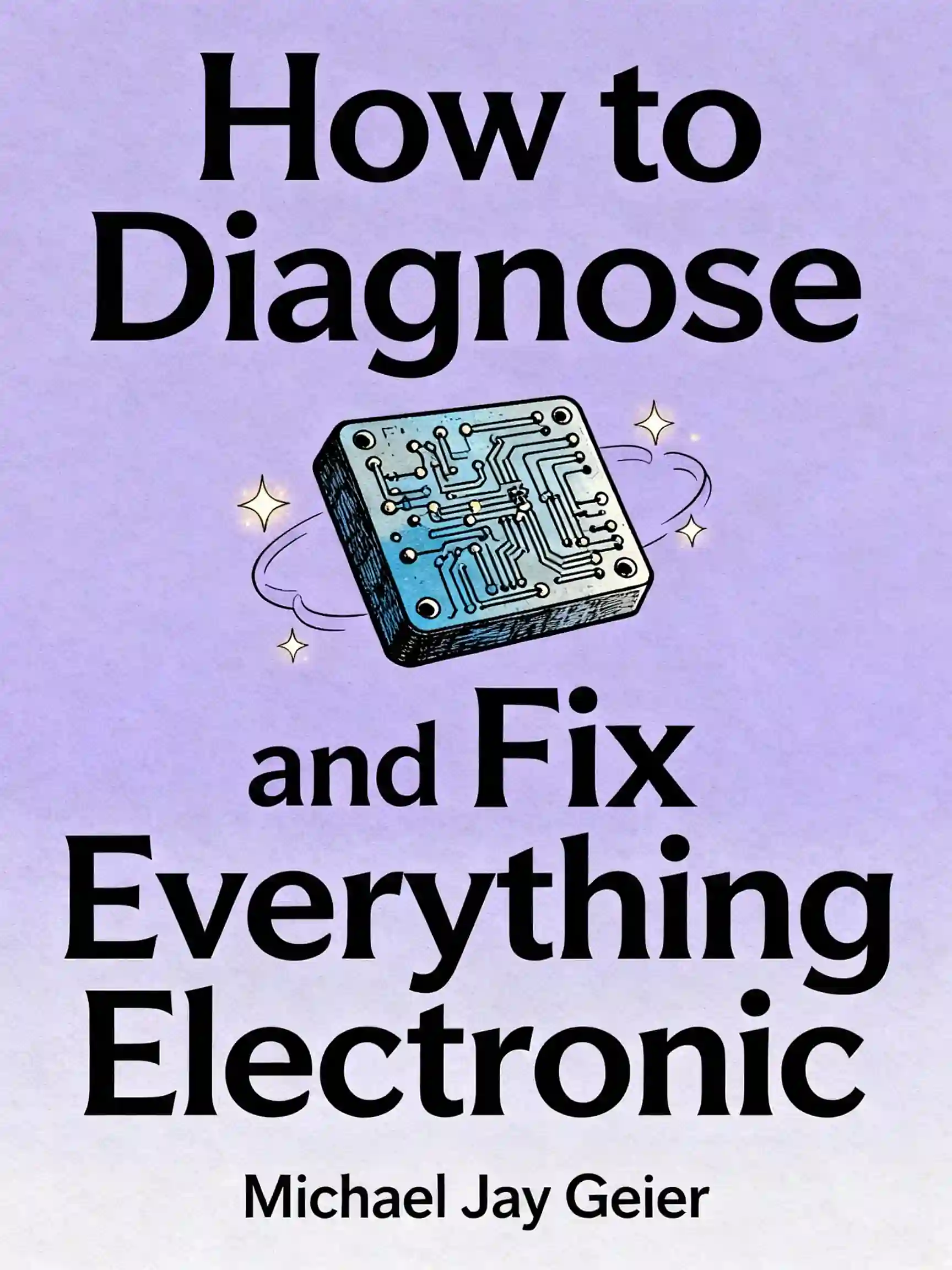
Audio engineers may use hardware, but beginner audio engineering does not require advanced electronics repair training. The focus is signal flow, recording practice, listening, editing, mixing, and mastering.
Continue learning in BeFreed
Listen to the guided lesson, save it to your learning library, and continue in the BeFreed app.
Best quote from Master Audio Engineering at Home
While the tools have become more accessible, the knowledge required is still just as complex. You need to understand everything from acoustics and microphone techniques to digital signal processing and psychoacoustics.
Knowledge sources






FAQ
Yes, you can learn many sound engineering skills on your own through structured study and repeated practice. A useful self-taught path includes learning sound basics, recording simple sources, understanding signal flow, editing cleanly, mixing with level and panning first, and comparing your work on different listening systems.
Start with sound fundamentals, then set up a simple recording path: source, microphone or instrument input, audio interface, DAW track, processing, and playback through headphones or monitors. Practice with small projects such as recording a voice, editing the take, balancing levels, adding basic EQ or compression carefully, and exporting a finished file.
Learn audio engineering by combining listening practice with hands-on projects. Study how sound behaves, how signals move through a setup, how to record cleanly, how to edit, how to mix, and how mastering prepares a final version. You do not need one universally best tool; consistent practice with a workable setup matters more.
From Columbia University alumni built in San Francisco
"Instead of endless scrolling, I just hit play on BeFreed. It saves me so much time."


"I never knew where to start with nonfiction—BeFreed’s book lists turned into podcasts gave me a clear path."


"Perfect balance between learning and entertainment. Finished ‘Thinking, Fast and Slow’ on my commute this week."
"Crazy how much I learned while walking the dog. BeFreed = small habits → big gains."
"Reading used to feel like a chore. Now it’s just part of my lifestyle."

"Feels effortless compared to reading. I’ve finished 6 books this month already."
"BeFreed turned my guilty doomscrolling into something that feels productive and inspiring."

"BeFreed turned my commute into learning time. 20-min podcasts are perfect for finishing books I never had time for."
"BeFreed replaced my podcast queue. Imagine Spotify for books — that’s it. 🙌"

"It is great for me to learn something from the book without reading it."
"The themed book list podcasts help me connect ideas across authors—like a guided audio journey."
"Makes me feel smarter every time before going to work"
From Columbia University alumni built in San Francisco
"Instead of endless scrolling, I just hit play on BeFreed. It saves me so much time."
"I never knew where to start with nonfiction—BeFreed’s book lists turned into podcasts gave me a clear path."
"Perfect balance between learning and entertainment. Finished ‘Thinking, Fast and Slow’ on my commute this week."
"Crazy how much I learned while walking the dog. BeFreed = small habits → big gains."
"Reading used to feel like a chore. Now it’s just part of my lifestyle."
"Feels effortless compared to reading. I’ve finished 6 books this month already."
"BeFreed turned my guilty doomscrolling into something that feels productive and inspiring."
"BeFreed turned my commute into learning time. 20-min podcasts are perfect for finishing books I never had time for."
"BeFreed replaced my podcast queue. Imagine Spotify for books — that’s it. 🙌"
"It is great for me to learn something from the book without reading it."
"The themed book list podcasts help me connect ideas across authors—like a guided audio journey."
"Makes me feel smarter every time before going to work"
"Instead of endless scrolling, I just hit play on BeFreed. It saves me so much time."
"I never knew where to start with nonfiction—BeFreed’s book lists turned into podcasts gave me a clear path."
"Perfect balance between learning and entertainment. Finished ‘Thinking, Fast and Slow’ on my commute this week."
"Crazy how much I learned while walking the dog. BeFreed = small habits → big gains."
"Reading used to feel like a chore. Now it’s just part of my lifestyle."
"Feels effortless compared to reading. I’ve finished 6 books this month already."
"BeFreed turned my guilty doomscrolling into something that feels productive and inspiring."
"BeFreed turned my commute into learning time. 20-min podcasts are perfect for finishing books I never had time for."
"BeFreed replaced my podcast queue. Imagine Spotify for books — that’s it. 🙌"
"It is great for me to learn something from the book without reading it."
"The themed book list podcasts help me connect ideas across authors—like a guided audio journey."
"Makes me feel smarter every time before going to work"
"Instead of endless scrolling, I just hit play on BeFreed. It saves me so much time."
"I never knew where to start with nonfiction—BeFreed’s book lists turned into podcasts gave me a clear path."
"Perfect balance between learning and entertainment. Finished ‘Thinking, Fast and Slow’ on my commute this week."
"Crazy how much I learned while walking the dog. BeFreed = small habits → big gains."
"Reading used to feel like a chore. Now it’s just part of my lifestyle."
"Feels effortless compared to reading. I’ve finished 6 books this month already."
"BeFreed turned my guilty doomscrolling into something that feels productive and inspiring."
"BeFreed turned my commute into learning time. 20-min podcasts are perfect for finishing books I never had time for."
"BeFreed replaced my podcast queue. Imagine Spotify for books — that’s it. 🙌"
"It is great for me to learn something from the book without reading it."
"The themed book list podcasts help me connect ideas across authors—like a guided audio journey."
"Makes me feel smarter every time before going to work"


![The Ultimate Guide to Computer Specs for Music Production PC [2026] | HSR](/_next/image?url=https%3A%2F%2Fd1y2du6z1jfm9e.cloudfront.net%2Fassets%2Fpodcast%2Fpurple.png&w=1024&q=50)