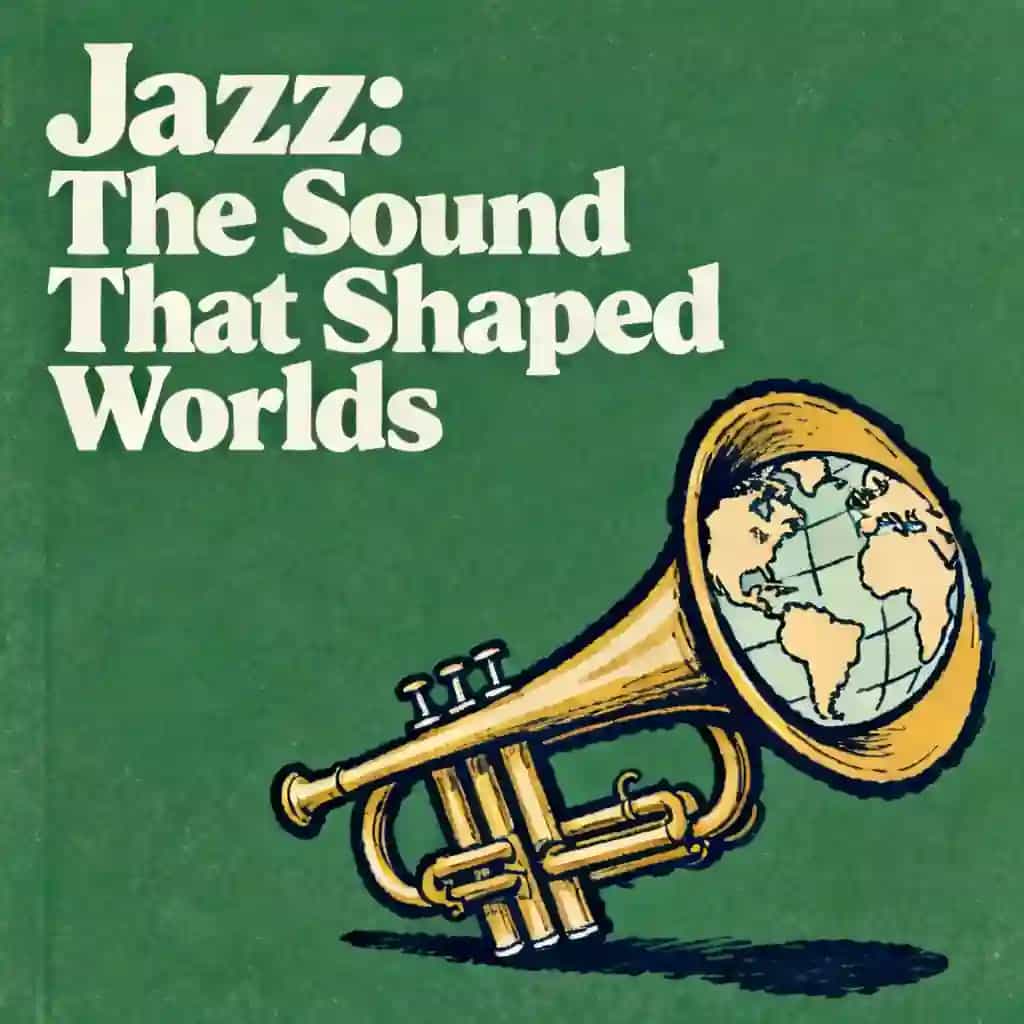
Louis Jordan's Musical Journey and Lasting Legacy
Explore Louis Jordan's musical journey from Jump Blues to the King of the Jukebox. Discover how his legacy shaped the history of R&B and early Rock and Roll.

Best quote from Louis Jordan's Musical Journey and Lasting Legacy
Louis Jordan is the bridge that connects it all; he liberated the music from the constraints of the swing era and gave it the raw, syncopated fervor that would eventually conquer the world.

This audio lesson was created by a BeFreed community member
Discuss the musical journey of Louis Jordan and whether he has left a lasting legacy


Frequently Asked Questions
Discover more

Learn jazz basics & history
Learn jazz basics & history
This learning plan is essential for anyone seeking to appreciate jazz beyond surface-level listening, whether you're a musician wanting to understand improvisational techniques or a music enthusiast eager to grasp the cultural forces that birthed this revolutionary genre. By combining historical context, theoretical foundations, and practical skills, you'll gain both intellectual understanding and the ability to engage with jazz as a living, breathing art form.

Blues guitar
Blues guitar
Blues guitar is the foundation of modern rock, jazz, and popular music, making it an essential skill for any guitarist seeking authentic expression and versatility. This learning plan is perfect for beginners looking to start their guitar journey with a rich musical tradition, as well as intermediate players wanting to deepen their improvisational skills and emotional connection to the music.
Jazz theory and harmony
Jazz theory and harmony
This plan bridges the gap between basic music theory and the sophisticated language of jazz, making it ideal for intermediate musicians. It provides a structured path from harmonic foundations to professional-level improvisation and artistic expression.
History of hip hop and its cultural influence
History of hip hop and its cultural influence
Hip hop has evolved from a localized cultural expression into one of the most influential global art forms of our time. This learning plan provides cultural context and historical perspective essential for anyone interested in music history, cultural studies, or understanding hip hop's profound impact on contemporary society.
Music
Music
This comprehensive music learning plan is designed for aspiring musicians, songwriters, and music enthusiasts who want to understand music holistically—from theory and history to creation and career building. Whether you're a beginner looking to start your musical journey or an intermediate musician wanting to professionalize your craft, this plan bridges the gap between artistic expression and practical industry knowledge in today's digital music landscape.

French Industrial Revolution
French Industrial Revolution
This learning plan is essential for anyone seeking to understand how modern economic and social systems emerged from the transformative forces of industrialization. It's particularly valuable for students of European history, economics, political science, and sociology who want to grasp why France's path to modernity differed from Anglo-American models. The content provides crucial context for understanding contemporary issues like labor rights, urbanization, and technological change through their historical origins.
Accordeon
Accordeon
The accordion is a versatile instrument with rich cultural heritage spanning multiple musical traditions worldwide. This learning path guides beginners through fundamental techniques to advanced performance skills, ideal for anyone seeking to master this expressive instrument.
Master Music: Theory, Production & Business
Master Music: Theory, Production & Business
This comprehensive plan bridges the gap between creative artistry and commercial success in the modern music industry. It is designed for aspiring musicians and producers who want to master both the technical craft of production and the strategic side of music business.
From Columbia University alumni built in San Francisco
"Instead of endless scrolling, I just hit play on BeFreed. It saves me so much time."


"I never knew where to start with nonfiction—BeFreed’s book lists turned into podcasts gave me a clear path."


"Perfect balance between learning and entertainment. Finished ‘Thinking, Fast and Slow’ on my commute this week."
"Crazy how much I learned while walking the dog. BeFreed = small habits → big gains."
"Reading used to feel like a chore. Now it’s just part of my lifestyle."

"Feels effortless compared to reading. I’ve finished 6 books this month already."
"BeFreed turned my guilty doomscrolling into something that feels productive and inspiring."

"BeFreed turned my commute into learning time. 20-min podcasts are perfect for finishing books I never had time for."
"BeFreed replaced my podcast queue. Imagine Spotify for books — that’s it. 🙌"

"It is great for me to learn something from the book without reading it."
"The themed book list podcasts help me connect ideas across authors—like a guided audio journey."
"Makes me feel smarter every time before going to work"
From Columbia University alumni built in San Francisco
"Instead of endless scrolling, I just hit play on BeFreed. It saves me so much time."
"I never knew where to start with nonfiction—BeFreed’s book lists turned into podcasts gave me a clear path."
"Perfect balance between learning and entertainment. Finished ‘Thinking, Fast and Slow’ on my commute this week."
"Crazy how much I learned while walking the dog. BeFreed = small habits → big gains."
"Reading used to feel like a chore. Now it’s just part of my lifestyle."
"Feels effortless compared to reading. I’ve finished 6 books this month already."
"BeFreed turned my guilty doomscrolling into something that feels productive and inspiring."
"BeFreed turned my commute into learning time. 20-min podcasts are perfect for finishing books I never had time for."
"BeFreed replaced my podcast queue. Imagine Spotify for books — that’s it. 🙌"
"It is great for me to learn something from the book without reading it."
"The themed book list podcasts help me connect ideas across authors—like a guided audio journey."
"Makes me feel smarter every time before going to work"
"Instead of endless scrolling, I just hit play on BeFreed. It saves me so much time."
"I never knew where to start with nonfiction—BeFreed’s book lists turned into podcasts gave me a clear path."
"Perfect balance between learning and entertainment. Finished ‘Thinking, Fast and Slow’ on my commute this week."
"Crazy how much I learned while walking the dog. BeFreed = small habits → big gains."
"Reading used to feel like a chore. Now it’s just part of my lifestyle."
"Feels effortless compared to reading. I’ve finished 6 books this month already."
"BeFreed turned my guilty doomscrolling into something that feels productive and inspiring."
"BeFreed turned my commute into learning time. 20-min podcasts are perfect for finishing books I never had time for."
"BeFreed replaced my podcast queue. Imagine Spotify for books — that’s it. 🙌"
"It is great for me to learn something from the book without reading it."
"The themed book list podcasts help me connect ideas across authors—like a guided audio journey."
"Makes me feel smarter every time before going to work"
"Instead of endless scrolling, I just hit play on BeFreed. It saves me so much time."
"I never knew where to start with nonfiction—BeFreed’s book lists turned into podcasts gave me a clear path."
"Perfect balance between learning and entertainment. Finished ‘Thinking, Fast and Slow’ on my commute this week."
"Crazy how much I learned while walking the dog. BeFreed = small habits → big gains."
"Reading used to feel like a chore. Now it’s just part of my lifestyle."
"Feels effortless compared to reading. I’ve finished 6 books this month already."
"BeFreed turned my guilty doomscrolling into something that feels productive and inspiring."
"BeFreed turned my commute into learning time. 20-min podcasts are perfect for finishing books I never had time for."
"BeFreed replaced my podcast queue. Imagine Spotify for books — that’s it. 🙌"
"It is great for me to learn something from the book without reading it."
"The themed book list podcasts help me connect ideas across authors—like a guided audio journey."
"Makes me feel smarter every time before going to work"