Literature as Resistance: Maps of Power and Purpose
Explore how literature serves as a laboratory for human nature and a tool for social change. Learn how writers like Homer and Margaret Atwood map resistance.
Best quote from Literature as Resistance: Maps of Power and Purpose
Literature isn’t just a collection of stories—it is a laboratory for human nature, a place where we can dissect the mechanics of power without being destroyed by them.
Generated by Kayla
Title: Literature, Power & Purpose: What Great Books Teach Us About Changing the World. Focus on literature as a lens for human nature, power, and resistance. Include: Homer’s The Odyssey (heroism, Penelope’s agency), Jane Austen (domestic rebellion, class), Sylvia Plath & Jane Eyre (identity, autonomy), 1984 & The Handmaid’s Tale (corruption, propaganda). Themes: The individual vs. the system, finding purpose, and literature as an engine for social change. Do NOT just summarize; analyze historical context, symbolism, character psychology, and philosophical questions. Teach how to read deeply and recognize manipulation/bias. Verbatim URLs: none provided.

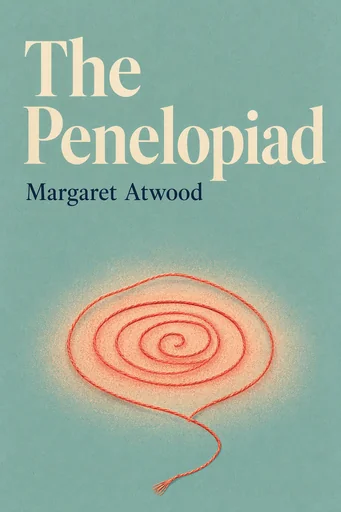
![[PDF] On the Agency of Penelope: Odyssey 18.158-163](https://d1y2du6z1jfm9e.cloudfront.net/assets/podcast/yellow.png)




Frequently Asked Questions
Literature serves as a laboratory for human nature where readers can dissect the mechanics of power without being destroyed by them. By mapping the ways individuals resist corruption and reclaim their purpose, stories become tactical manuals for those feeling overwhelmed by large systems. Whether through ancient epics or modern dystopias, these narratives provide the internal perception needed to recognize manipulation and find a voice in a scripted world.
The discussion covers a wide range of authors from Homer to Margaret Atwood to show how the struggle for autonomy is universal. Specific examples include Penelope using weaving to hold off suitors in ancient Ithaca and Jane Austen transforming domestic settings into battlefields for class rebellion. Additionally, the podcast examines how modern works like George Orwell's 1984 illustrate the ways propaganda attempts to hollow out the human soul.
Yes, classic books are viewed as engines for social change because they make the invisible structures of the world visible to the reader. By studying literature as resistance, individuals can identify subtle acts of defiance and recognize the mechanics of power in their daily lives, such as in the office or through news feeds. These stories offer a shift in perception that allows people to challenge the status quo and pursue their own purpose.
From Columbia University alumni built in San Francisco
"Instead of endless scrolling, I just hit play on BeFreed. It saves me so much time."


"I never knew where to start with nonfiction—BeFreed’s book lists turned into podcasts gave me a clear path."


"Perfect balance between learning and entertainment. Finished ‘Thinking, Fast and Slow’ on my commute this week."
"Crazy how much I learned while walking the dog. BeFreed = small habits → big gains."
"Reading used to feel like a chore. Now it’s just part of my lifestyle."

"Feels effortless compared to reading. I’ve finished 6 books this month already."
"BeFreed turned my guilty doomscrolling into something that feels productive and inspiring."

"BeFreed turned my commute into learning time. 20-min podcasts are perfect for finishing books I never had time for."
"BeFreed replaced my podcast queue. Imagine Spotify for books — that’s it. 🙌"

"It is great for me to learn something from the book without reading it."
"The themed book list podcasts help me connect ideas across authors—like a guided audio journey."
"Makes me feel smarter every time before going to work"
 Ask ChatGPT
 Ask Claude
From Columbia University alumni built in San Francisco
"Instead of endless scrolling, I just hit play on BeFreed. It saves me so much time."
"I never knew where to start with nonfiction—BeFreed’s book lists turned into podcasts gave me a clear path."
"Perfect balance between learning and entertainment. Finished ‘Thinking, Fast and Slow’ on my commute this week."
"Crazy how much I learned while walking the dog. BeFreed = small habits → big gains."
"Reading used to feel like a chore. Now it’s just part of my lifestyle."
"Feels effortless compared to reading. I’ve finished 6 books this month already."
"BeFreed turned my guilty doomscrolling into something that feels productive and inspiring."
"BeFreed turned my commute into learning time. 20-min podcasts are perfect for finishing books I never had time for."
"BeFreed replaced my podcast queue. Imagine Spotify for books — that’s it. 🙌"
"It is great for me to learn something from the book without reading it."
"The themed book list podcasts help me connect ideas across authors—like a guided audio journey."
"Makes me feel smarter every time before going to work"
"Instead of endless scrolling, I just hit play on BeFreed. It saves me so much time."
"I never knew where to start with nonfiction—BeFreed’s book lists turned into podcasts gave me a clear path."
"Perfect balance between learning and entertainment. Finished ‘Thinking, Fast and Slow’ on my commute this week."
"Crazy how much I learned while walking the dog. BeFreed = small habits → big gains."
"Reading used to feel like a chore. Now it’s just part of my lifestyle."
"Feels effortless compared to reading. I’ve finished 6 books this month already."
"BeFreed turned my guilty doomscrolling into something that feels productive and inspiring."
"BeFreed turned my commute into learning time. 20-min podcasts are perfect for finishing books I never had time for."
"BeFreed replaced my podcast queue. Imagine Spotify for books — that’s it. 🙌"
"It is great for me to learn something from the book without reading it."
"The themed book list podcasts help me connect ideas across authors—like a guided audio journey."
"Makes me feel smarter every time before going to work"
"Instead of endless scrolling, I just hit play on BeFreed. It saves me so much time."
"I never knew where to start with nonfiction—BeFreed’s book lists turned into podcasts gave me a clear path."
"Perfect balance between learning and entertainment. Finished ‘Thinking, Fast and Slow’ on my commute this week."
"Crazy how much I learned while walking the dog. BeFreed = small habits → big gains."
"Reading used to feel like a chore. Now it’s just part of my lifestyle."
"Feels effortless compared to reading. I’ve finished 6 books this month already."
"BeFreed turned my guilty doomscrolling into something that feels productive and inspiring."
"BeFreed turned my commute into learning time. 20-min podcasts are perfect for finishing books I never had time for."
"BeFreed replaced my podcast queue. Imagine Spotify for books — that’s it. 🙌"
"It is great for me to learn something from the book without reading it."
"The themed book list podcasts help me connect ideas across authors—like a guided audio journey."
"Makes me feel smarter every time before going to work"