Inside Dostoevsky's Psychological Masterpiece
Explore how 'Crime and Punishment' revolutionized literature by diving deep into Raskolnikov's tormented mind, examining guilt, moral philosophy, and redemption in this groundbreaking psychological thriller.

Best quote from Inside Dostoevsky's Psychological Masterpiece
The novel shows us that intellectual arrogance divorced from human feeling leads to spiritual death; when Raskolnikov commits his crime to prove he is extraordinary, his immediate psychological collapse proves he is utterly ordinary.

This audio lesson was created by a BeFreed community member
Crime snd punishment by dostoyevski

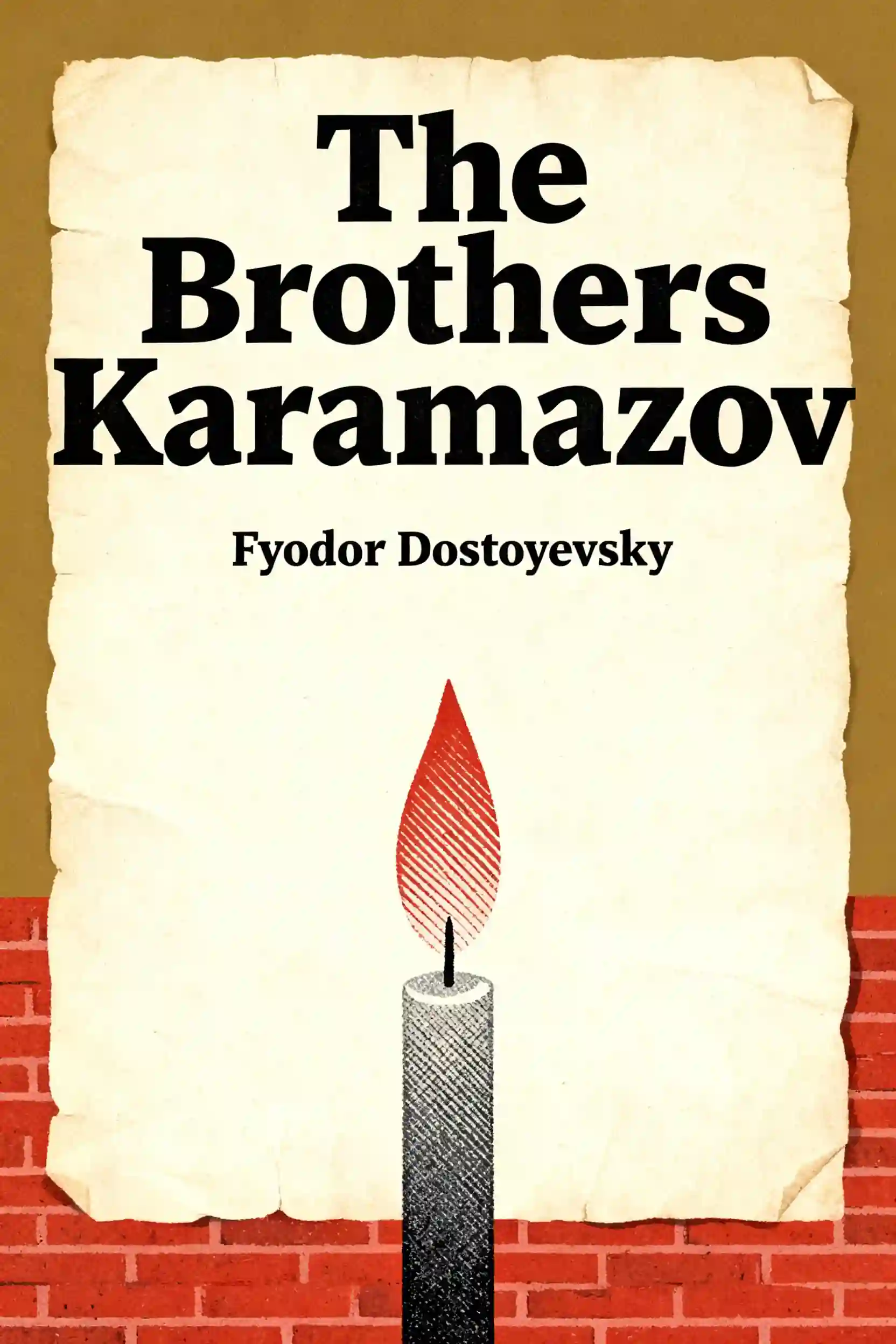
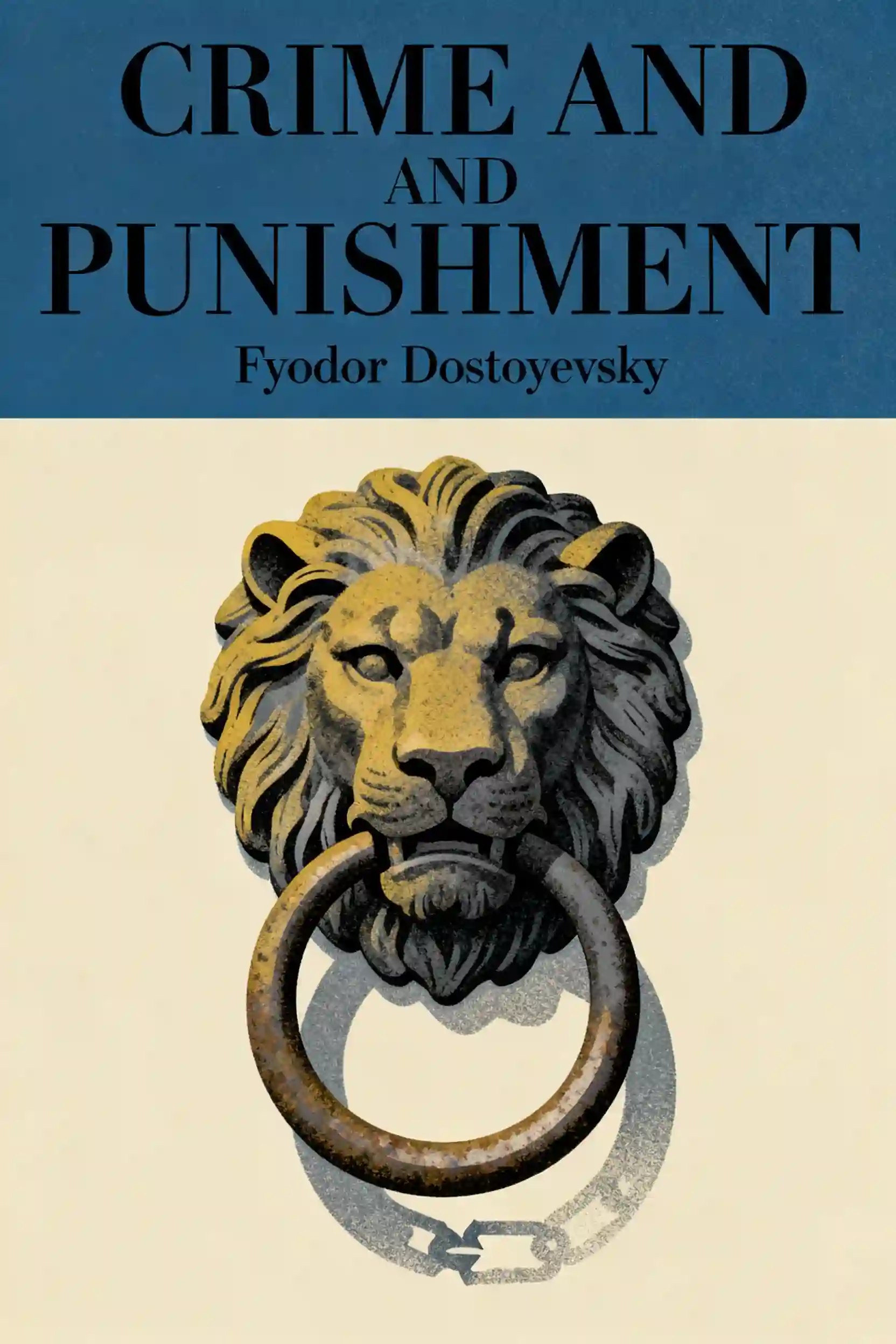
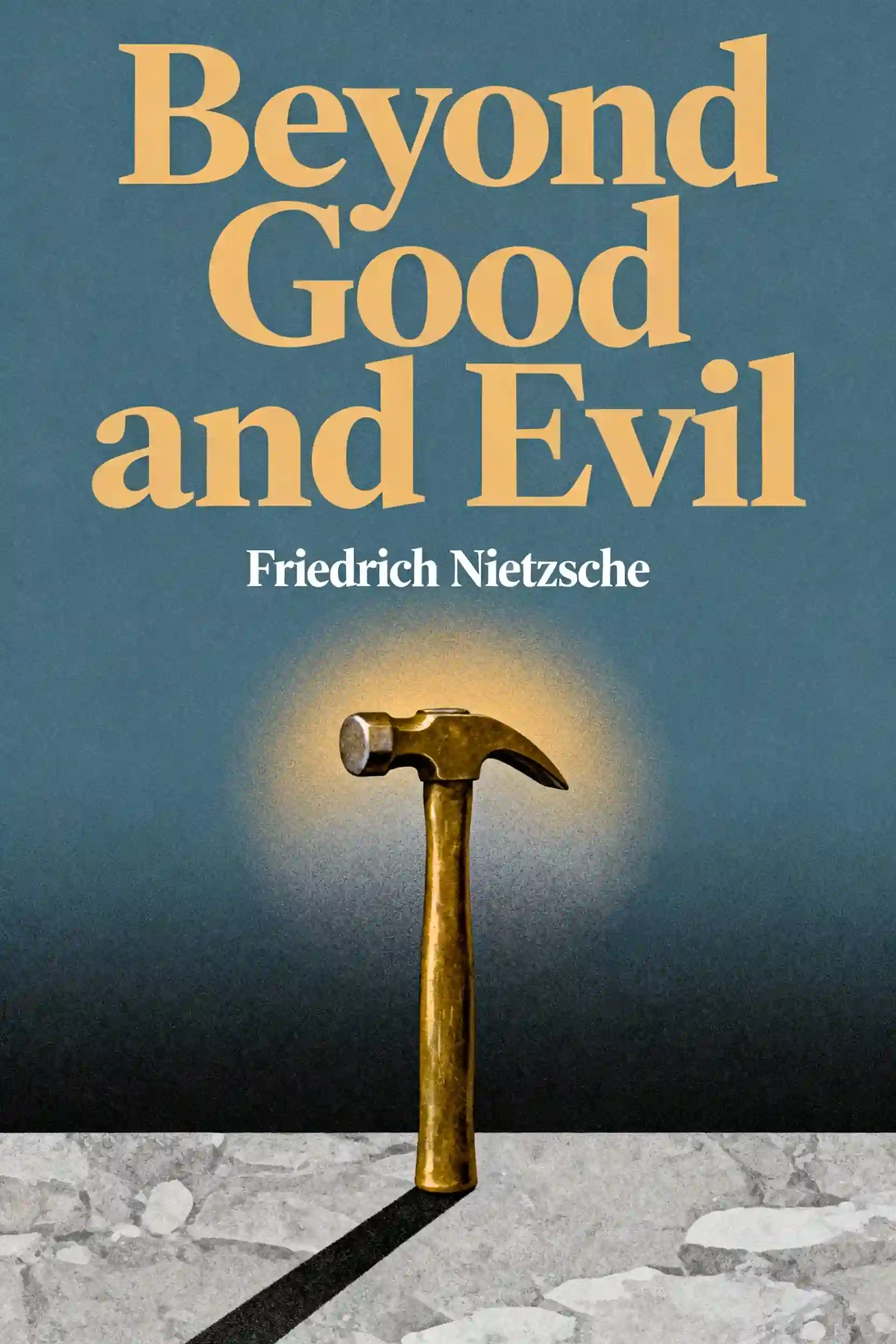
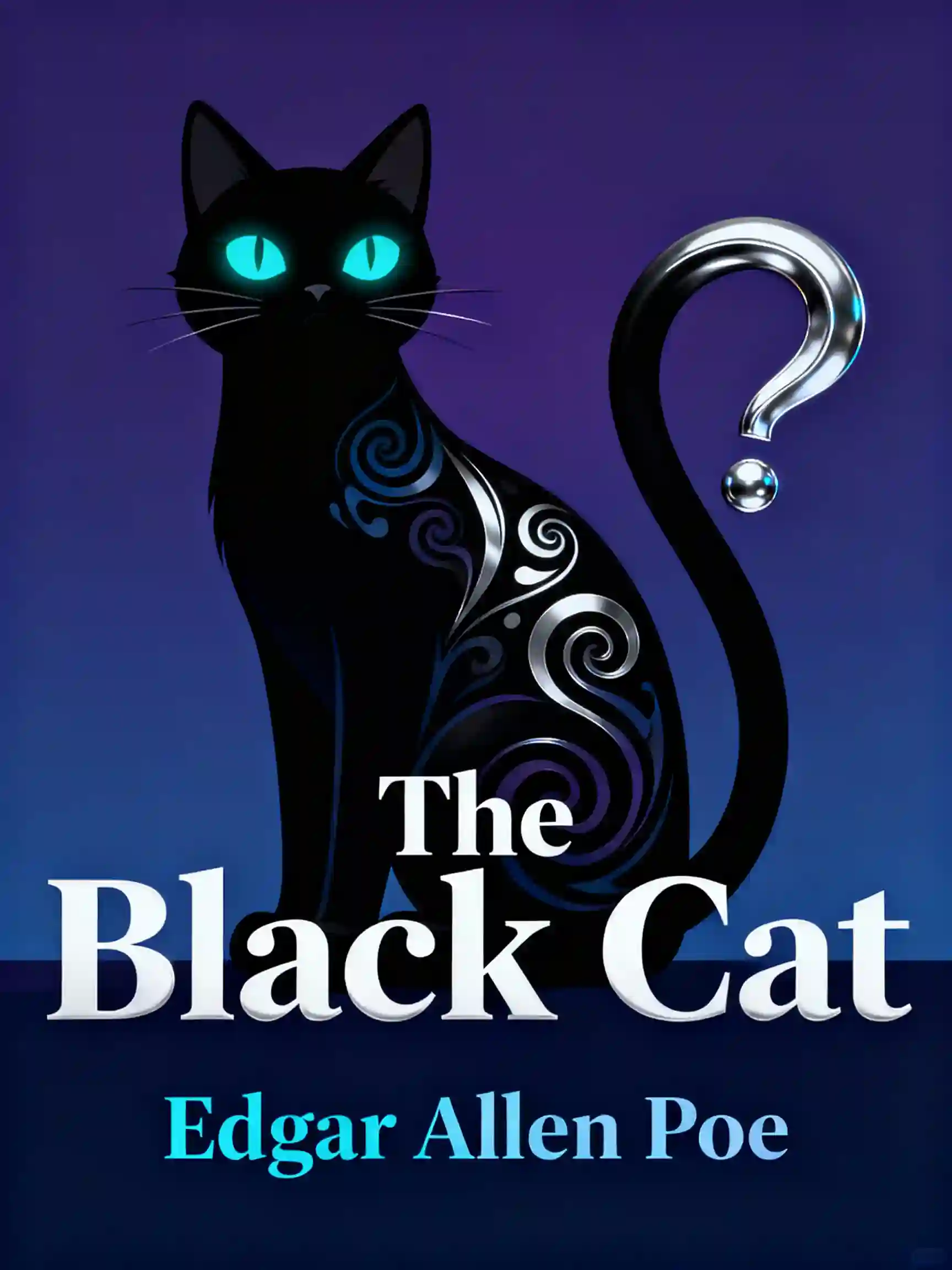
Discover more

The Anatomy of a Murderous Idea
This plan is essential for students of literature and philosophy seeking to understand the psychological depths of Crime and Punishment. It is ideal for anyone interested in the intersection of morality, criminal psychology, and the arduous path toward spiritual atonement.

The Raven: A Descent into Gothic Madness
This plan offers a deep dive into the psychological horror and literary craftsmanship of Edgar Allan Poe's most famous poem. It is ideal for literature students and fans of the Gothic genre seeking to understand the mechanics of madness and grief.

Freud, Jung & Fyodor readings
This learning plan bridges depth psychology and existential literature, offering profound insights into human consciousness and behavior. It's ideal for therapists, philosophers, literature enthusiasts, and anyone seeking deep self-understanding through the intersection of psychoanalytic theory and existential thought. The synthesis of Freud, Jung, and Dostoevsky provides a comprehensive foundation for exploring the hidden dimensions of the psyche and confronting life's fundamental questions.

Reading Dark Romance
Dark romance has emerged as a powerful literary genre that explores the shadows of human desire and complex relationship dynamics. This learning plan helps readers understand the psychological appeal of taboo themes, power imbalances, and morally ambiguous characters while developing critical analysis skills for this controversial but increasingly popular genre.

Proust : décoder Sodome et Gomorrhe
Ce parcours est essentiel pour quiconque souhaite percer les mystères de l'un des volumes les plus denses de la Recherche. Il s'adresse aux passionnés de littérature et aux étudiants désireux de comprendre comment Proust transmute sa biographie en une exploration universelle de la jalousie.

Raven's Revenge: The Complete Narrative Deconstruction
This learning plan is essential for writers and literary analysts seeking to master the mechanics of high-stakes conflict and redemption arcs. It provides a deep dive into narrative framing and the structural requirements of a compelling counterattack, making it ideal for storytellers focused on the thriller or drama genres.

Inside the Profiler's Mind
This plan provides a foundational look at the transition from traditional investigative methods to scientific behavioral analysis. It is ideal for true crime enthusiasts and aspiring criminologists seeking to understand the reality behind criminal psychology.

Gatsby's Tragic Pursuit of Meaning
This plan is essential for literature students and fans of the Great American Novel seeking to understand the psychological depths of Jay Gatsby. It provides a structured path to deconstructing how social barriers and symbolic obsessions lead to inevitable tragedy.
From Columbia University alumni built in San Francisco
"Instead of endless scrolling, I just hit play on BeFreed. It saves me so much time."


"I never knew where to start with nonfiction—BeFreed’s book lists turned into podcasts gave me a clear path."


"Perfect balance between learning and entertainment. Finished ‘Thinking, Fast and Slow’ on my commute this week."
"Crazy how much I learned while walking the dog. BeFreed = small habits → big gains."
"Reading used to feel like a chore. Now it’s just part of my lifestyle."

"Feels effortless compared to reading. I’ve finished 6 books this month already."
"BeFreed turned my guilty doomscrolling into something that feels productive and inspiring."

"BeFreed turned my commute into learning time. 20-min podcasts are perfect for finishing books I never had time for."
"BeFreed replaced my podcast queue. Imagine Spotify for books — that’s it. 🙌"

"It is great for me to learn something from the book without reading it."
"The themed book list podcasts help me connect ideas across authors—like a guided audio journey."
"Makes me feel smarter every time before going to work"
From Columbia University alumni built in San Francisco
"Instead of endless scrolling, I just hit play on BeFreed. It saves me so much time."
"I never knew where to start with nonfiction—BeFreed’s book lists turned into podcasts gave me a clear path."
"Perfect balance between learning and entertainment. Finished ‘Thinking, Fast and Slow’ on my commute this week."
"Crazy how much I learned while walking the dog. BeFreed = small habits → big gains."
"Reading used to feel like a chore. Now it’s just part of my lifestyle."
"Feels effortless compared to reading. I’ve finished 6 books this month already."
"BeFreed turned my guilty doomscrolling into something that feels productive and inspiring."
"BeFreed turned my commute into learning time. 20-min podcasts are perfect for finishing books I never had time for."
"BeFreed replaced my podcast queue. Imagine Spotify for books — that’s it. 🙌"
"It is great for me to learn something from the book without reading it."
"The themed book list podcasts help me connect ideas across authors—like a guided audio journey."
"Makes me feel smarter every time before going to work"
"Instead of endless scrolling, I just hit play on BeFreed. It saves me so much time."
"I never knew where to start with nonfiction—BeFreed’s book lists turned into podcasts gave me a clear path."
"Perfect balance between learning and entertainment. Finished ‘Thinking, Fast and Slow’ on my commute this week."
"Crazy how much I learned while walking the dog. BeFreed = small habits → big gains."
"Reading used to feel like a chore. Now it’s just part of my lifestyle."
"Feels effortless compared to reading. I’ve finished 6 books this month already."
"BeFreed turned my guilty doomscrolling into something that feels productive and inspiring."
"BeFreed turned my commute into learning time. 20-min podcasts are perfect for finishing books I never had time for."
"BeFreed replaced my podcast queue. Imagine Spotify for books — that’s it. 🙌"
"It is great for me to learn something from the book without reading it."
"The themed book list podcasts help me connect ideas across authors—like a guided audio journey."
"Makes me feel smarter every time before going to work"
"Instead of endless scrolling, I just hit play on BeFreed. It saves me so much time."
"I never knew where to start with nonfiction—BeFreed’s book lists turned into podcasts gave me a clear path."
"Perfect balance between learning and entertainment. Finished ‘Thinking, Fast and Slow’ on my commute this week."
"Crazy how much I learned while walking the dog. BeFreed = small habits → big gains."
"Reading used to feel like a chore. Now it’s just part of my lifestyle."
"Feels effortless compared to reading. I’ve finished 6 books this month already."
"BeFreed turned my guilty doomscrolling into something that feels productive and inspiring."
"BeFreed turned my commute into learning time. 20-min podcasts are perfect for finishing books I never had time for."
"BeFreed replaced my podcast queue. Imagine Spotify for books — that’s it. 🙌"
"It is great for me to learn something from the book without reading it."
"The themed book list podcasts help me connect ideas across authors—like a guided audio journey."
"Makes me feel smarter every time before going to work"