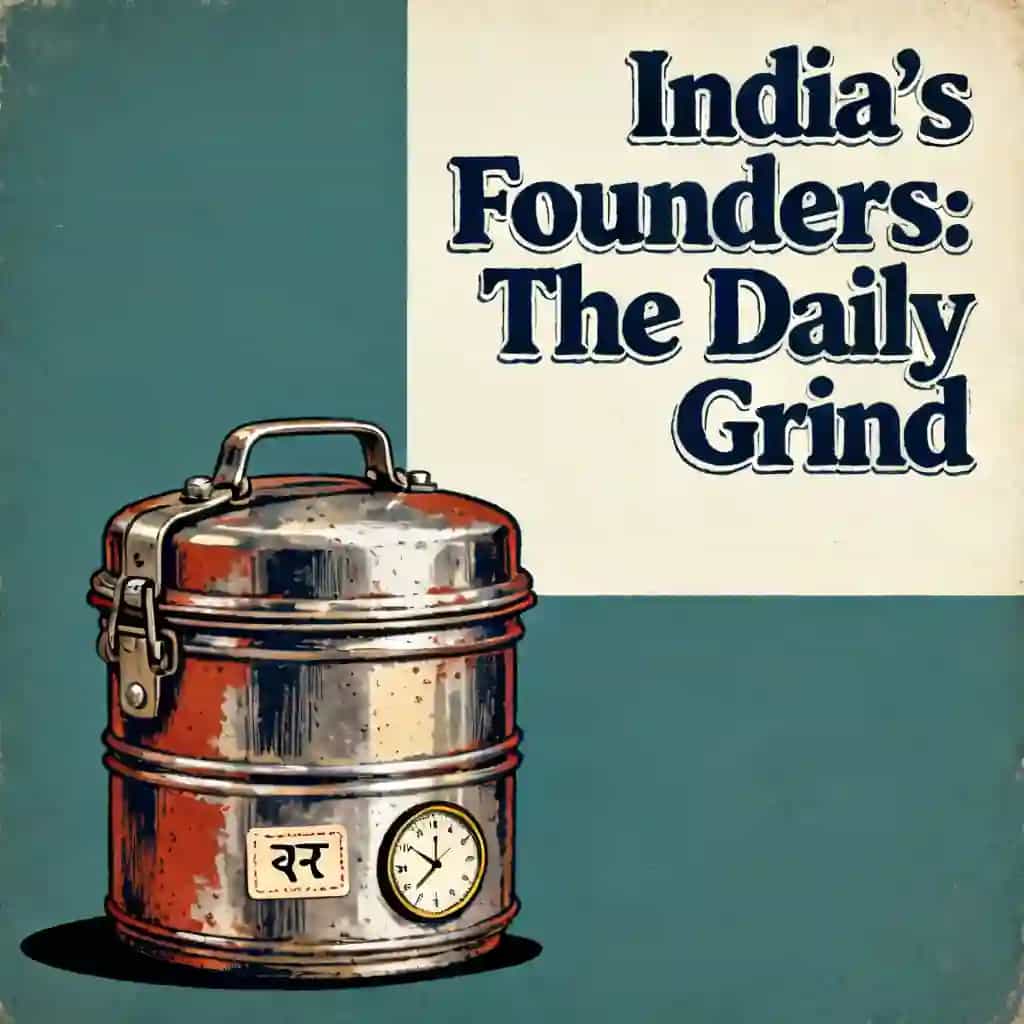
Mindset and Leadership Styles of Successful Indian Startup Founders
Explore the mindset, leadership styles, and core values of successful Indian startup founders. Learn what drives entrepreneurship and innovation in India today.

Best quote from Mindset and Leadership Styles of Successful Indian Startup Founders
The size of your company will eventually be limited by the size of your trust. If you can only trust people who share your last name, you’re capping your own potential.

This audio lesson was created by a BeFreed community member
Exploring the mindset and characteristics of successful Indian startup founders, including their values, beliefs, and leadership styles.




Frequently Asked Questions
The entrepreneurial mindset of successful Indian startup founders is characterized by a unique blend of resilience, adaptability, and a deep-rooted desire to solve local problems at scale. These founders often prioritize long-term impact over short-term gains, grounding their decisions in strong core values and beliefs. By understanding this mindset, aspiring entrepreneurs can better navigate the complexities of the Indian startup culture and build sustainable businesses that resonate with the local market.
Leadership styles among top Indian entrepreneurs range from visionary and transformational to highly collaborative and democratic. Many successful founders emphasize empathy and transparency to foster a high-performance startup culture in India. While some focus on aggressive growth and rapid execution, others prioritize building a strong organizational foundation based on shared values. This diversity in leadership allows them to manage diverse teams and navigate the evolving challenges of the Indian business landscape.
Values and beliefs serve as the compass for Indian startup founders, guiding everything from hiring practices to product development. Successful founders often instill a sense of purpose within their organizations, ensuring that the company's mission aligns with the personal values of their team. This cultural alignment is crucial for maintaining motivation and integrity during the volatile stages of a startup's growth, ultimately contributing to the long-term success of Indian entrepreneurship.
Discover more

Growth, Business, Mindset & Tech Mastery
Growth, Business, Mindset & Tech Mastery
In an era of rapid disruption, success requires a blend of entrepreneurial agility, technical fluency, and mental fortitude. This plan is designed for aspiring founders and tech leaders who need to bridge the gap between business strategy and digital execution.

entrepreneurship
entrepreneurship
This plan is essential for aspiring founders and early-stage entrepreneurs looking to minimize risk while maximizing growth. It provides a structured path from initial validation to scaling a leadership-driven organization.

Build & grow rapid-growth tech startups
Build & grow rapid-growth tech startups
This learning plan is essential for aspiring founders, product leaders, and innovation executives who want to build the next generation of high-growth tech companies. It combines proven frameworks from successful unicorns with practical methodologies for launching, validating, and scaling products from zero to market dominance. Perfect for those who want to master the complete journey from initial idea to category-defining company.

Run my small software company
Run my small software company
Running a software company requires a unique blend of technical leadership, product thinking, and business acumen that most founders learn through costly trial and error. This learning plan provides a structured path for aspiring or current software company founders to build the essential skills needed to launch, operate, and scale a successful business. Whether you're a technical founder taking your first steps into entrepreneurship or a small company owner looking to systematize your growth, this plan addresses the critical competencies that separate struggling startups from thriving software businesses.

Build and Scale a Billion-Dollar Tech Empire
Build and Scale a Billion-Dollar Tech Empire
This learning plan is designed for ambitious entrepreneurs and tech leaders aiming to transcend traditional startup success. It provides a strategic roadmap for navigating the journey from initial genesis to global market dominance through capital engineering and advanced platform strategies.

Launch & navigate a business
Launch & navigate a business
This learning plan is essential for aspiring entrepreneurs and early-stage founders who want to transform their business ideas into thriving, scalable companies. Whether you're launching your first venture or looking to take your existing business to the next level, this comprehensive path covers the critical skills needed at every stage—from initial validation through sustainable growth and leadership.
Startup Mindset & Leadership
Startup Mindset & Leadership
This learning plan is essential for aspiring entrepreneurs, early-stage founders, and professionals transitioning into startup leadership roles who want to increase their odds of success. It provides a comprehensive framework from initial idea validation through scaling, covering both the tactical skills and strategic mindset needed to build and lead successful startups in today's competitive landscape.
Boost Entrepreneurial Mindset & Productivity
Boost Entrepreneurial Mindset & Productivity
In today’s fast-paced economy, the ability to think like a founder while maintaining high-level output is a critical competitive advantage. This plan is designed for aspiring founders and professionals looking to transition from execution to strategic leadership and scalable growth.
From Columbia University alumni built in San Francisco
"Instead of endless scrolling, I just hit play on BeFreed. It saves me so much time."


"I never knew where to start with nonfiction—BeFreed’s book lists turned into podcasts gave me a clear path."


"Perfect balance between learning and entertainment. Finished ‘Thinking, Fast and Slow’ on my commute this week."
"Crazy how much I learned while walking the dog. BeFreed = small habits → big gains."
"Reading used to feel like a chore. Now it’s just part of my lifestyle."

"Feels effortless compared to reading. I’ve finished 6 books this month already."
"BeFreed turned my guilty doomscrolling into something that feels productive and inspiring."

"BeFreed turned my commute into learning time. 20-min podcasts are perfect for finishing books I never had time for."
"BeFreed replaced my podcast queue. Imagine Spotify for books — that’s it. 🙌"

"It is great for me to learn something from the book without reading it."
"The themed book list podcasts help me connect ideas across authors—like a guided audio journey."
"Makes me feel smarter every time before going to work"
From Columbia University alumni built in San Francisco
"Instead of endless scrolling, I just hit play on BeFreed. It saves me so much time."
"I never knew where to start with nonfiction—BeFreed’s book lists turned into podcasts gave me a clear path."
"Perfect balance between learning and entertainment. Finished ‘Thinking, Fast and Slow’ on my commute this week."
"Crazy how much I learned while walking the dog. BeFreed = small habits → big gains."
"Reading used to feel like a chore. Now it’s just part of my lifestyle."
"Feels effortless compared to reading. I’ve finished 6 books this month already."
"BeFreed turned my guilty doomscrolling into something that feels productive and inspiring."
"BeFreed turned my commute into learning time. 20-min podcasts are perfect for finishing books I never had time for."
"BeFreed replaced my podcast queue. Imagine Spotify for books — that’s it. 🙌"
"It is great for me to learn something from the book without reading it."
"The themed book list podcasts help me connect ideas across authors—like a guided audio journey."
"Makes me feel smarter every time before going to work"
"Instead of endless scrolling, I just hit play on BeFreed. It saves me so much time."
"I never knew where to start with nonfiction—BeFreed’s book lists turned into podcasts gave me a clear path."
"Perfect balance between learning and entertainment. Finished ‘Thinking, Fast and Slow’ on my commute this week."
"Crazy how much I learned while walking the dog. BeFreed = small habits → big gains."
"Reading used to feel like a chore. Now it’s just part of my lifestyle."
"Feels effortless compared to reading. I’ve finished 6 books this month already."
"BeFreed turned my guilty doomscrolling into something that feels productive and inspiring."
"BeFreed turned my commute into learning time. 20-min podcasts are perfect for finishing books I never had time for."
"BeFreed replaced my podcast queue. Imagine Spotify for books — that’s it. 🙌"
"It is great for me to learn something from the book without reading it."
"The themed book list podcasts help me connect ideas across authors—like a guided audio journey."
"Makes me feel smarter every time before going to work"
"Instead of endless scrolling, I just hit play on BeFreed. It saves me so much time."
"I never knew where to start with nonfiction—BeFreed’s book lists turned into podcasts gave me a clear path."
"Perfect balance between learning and entertainment. Finished ‘Thinking, Fast and Slow’ on my commute this week."
"Crazy how much I learned while walking the dog. BeFreed = small habits → big gains."
"Reading used to feel like a chore. Now it’s just part of my lifestyle."
"Feels effortless compared to reading. I’ve finished 6 books this month already."
"BeFreed turned my guilty doomscrolling into something that feels productive and inspiring."
"BeFreed turned my commute into learning time. 20-min podcasts are perfect for finishing books I never had time for."
"BeFreed replaced my podcast queue. Imagine Spotify for books — that’s it. 🙌"
"It is great for me to learn something from the book without reading it."
"The themed book list podcasts help me connect ideas across authors—like a guided audio journey."
"Makes me feel smarter every time before going to work"