How to Negotiate and Convince Someone to Buy: Sales Strategies
Master negotiation techniques and sales psychology to close more deals. Learn effective communication and persuasion skills to confidently convince buyers today.

Best quote from How to Negotiate and Convince Someone to Buy: Sales Strategies
The person who is most willing to leave the table always has the most power. If the deal doesn't exceed your BATNA, walk—it’s not a failure, it’s disciplined decision-making.

This audio lesson was created by a BeFreed community member
How to negotiate and convince someone to buy


Frequently Asked Questions
Effective negotiation techniques focus on finding a balance between the buyer's needs and your sales objectives. By utilizing active listening and strategic empathy, you can uncover the buyer's true pain points. This approach allows you to position your product as the ideal solution, making it easier to navigate objections and reach a mutually beneficial agreement that leads to a successful close.
Sales psychology involves understanding the underlying emotional and cognitive drivers that influence a person's purchasing decisions. By applying principles like social proof, scarcity, and reciprocity, you can build trust and create a sense of urgency. Understanding these psychological triggers helps you tailor your persuasion skills to align with how the buyer naturally processes information and perceives value.
Effective communication is the foundation of any successful sales negotiation because it ensures clarity and builds rapport between both parties. It involves not just speaking persuasively, but also asking the right questions and interpreting non-verbal cues. When you communicate clearly, you reduce misunderstandings and demonstrate professional credibility, which are essential components when you are trying to convince buyers to commit.
The best persuasion skills involve reframing objections as opportunities to provide more value. Instead of being defensive, use consultative selling techniques to address concerns directly while highlighting the long-term benefits of your offer. By mastering the art of persuasion, you can guide the prospect through their hesitation, reinforce the logic of the purchase, and move closer to closing the sale.
Discover more

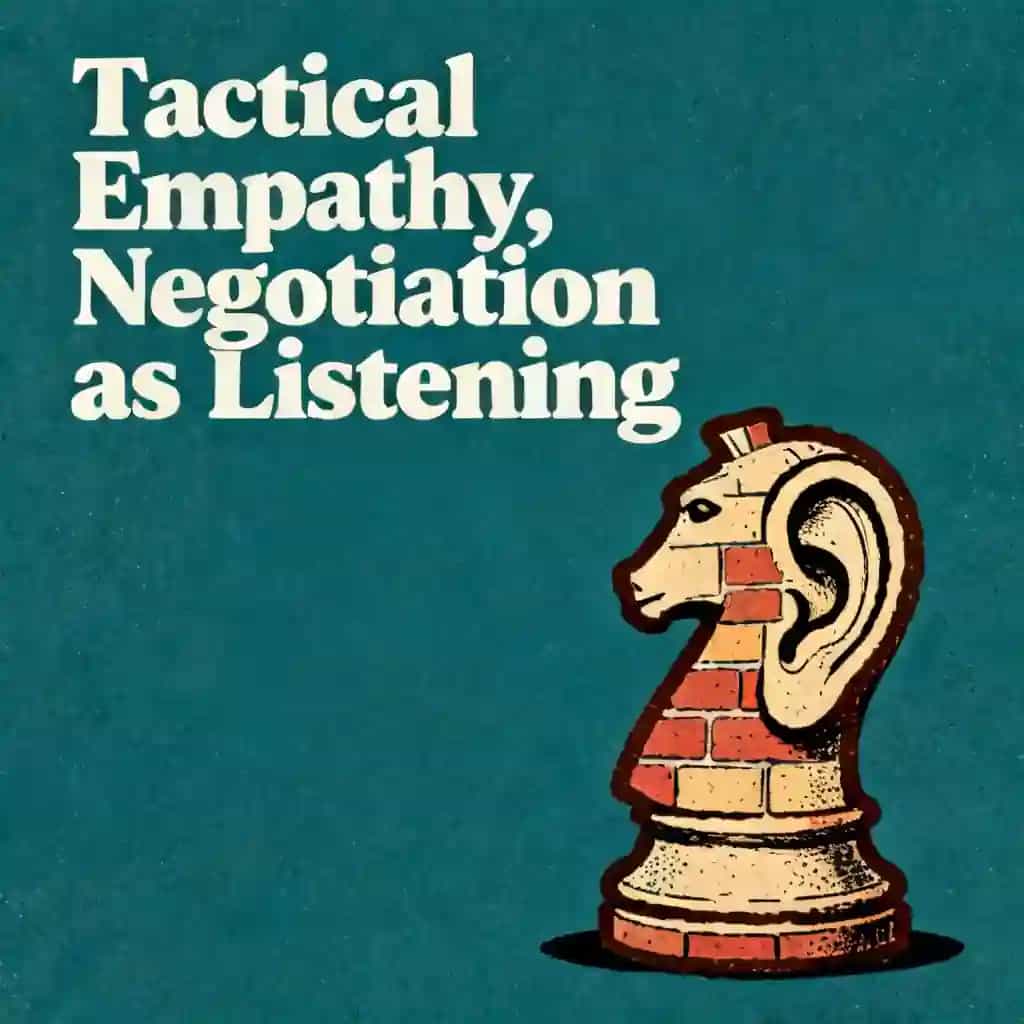
The Tactical Empathy Playbook
This playbook is essential for sales professionals who face constant resistance and repetitive objections in high-stakes environments. It provides a psychological framework to move past surface-level rejection and build genuine influence with skeptical prospects.

Sales & Negotiations Pro
This learning plan is essential for anyone looking to excel in sales, business development, or client-facing roles where influence and negotiation determine success. Whether you're a sales professional aiming to close more deals, an entrepreneur needing to sell your vision, or a manager seeking to enhance persuasion skills, this comprehensive program builds both foundational and advanced capabilities that directly impact your bottom line.

Negotiating
Effective negotiation is a critical skill for leaders and professionals looking to drive value and resolve conflict. This plan is ideal for anyone seeking to move beyond basic bargaining into advanced psychological mastery and strategic deal-making.

Commercial Scripts & Best Rebuttals
In today’s competitive market, the ability to navigate complex sales conversations and handle resistance is a critical differentiator for success. This learning plan is designed for sales professionals and entrepreneurs who want to move beyond basic pitching to master the psychology of persuasion and systematic closing.

Master sales and persuasion techniques
This comprehensive plan bridges the gap between basic selling and high-level influence by combining psychological theory with tactical execution. It is ideal for sales professionals, entrepreneurs, and leaders looking to master the art of persuasion and build predictable revenue systems.

Drive Away with a Deal
Purchasing a vehicle is often a high-pressure experience where buyers feel disadvantaged by complex sales tactics. This plan is designed for anyone looking to save thousands by mastering negotiation strategies and contract analysis.
Negotiate without freezing
High-pressure negotiations often trigger a physiological shutdown that hinders clear thinking and effective communication. This plan is designed for professionals who want to master emotional regulation and advanced behavioral decoding to maintain control and reach better agreements.

The Value-Based Negotiator
This program is designed for consultants, freelancers, and sales professionals who struggle with commoditization and fee pressure. It provides a strategic framework to move beyond hourly billing and anchor your price to the actual value delivered to the client.
From Columbia University alumni built in San Francisco
"Instead of endless scrolling, I just hit play on BeFreed. It saves me so much time."


"I never knew where to start with nonfiction—BeFreed’s book lists turned into podcasts gave me a clear path."


"Perfect balance between learning and entertainment. Finished ‘Thinking, Fast and Slow’ on my commute this week."
"Crazy how much I learned while walking the dog. BeFreed = small habits → big gains."
"Reading used to feel like a chore. Now it’s just part of my lifestyle."

"Feels effortless compared to reading. I’ve finished 6 books this month already."
"BeFreed turned my guilty doomscrolling into something that feels productive and inspiring."

"BeFreed turned my commute into learning time. 20-min podcasts are perfect for finishing books I never had time for."
"BeFreed replaced my podcast queue. Imagine Spotify for books — that’s it. 🙌"

"It is great for me to learn something from the book without reading it."
"The themed book list podcasts help me connect ideas across authors—like a guided audio journey."
"Makes me feel smarter every time before going to work"
From Columbia University alumni built in San Francisco
"Instead of endless scrolling, I just hit play on BeFreed. It saves me so much time."
"I never knew where to start with nonfiction—BeFreed’s book lists turned into podcasts gave me a clear path."
"Perfect balance between learning and entertainment. Finished ‘Thinking, Fast and Slow’ on my commute this week."
"Crazy how much I learned while walking the dog. BeFreed = small habits → big gains."
"Reading used to feel like a chore. Now it’s just part of my lifestyle."
"Feels effortless compared to reading. I’ve finished 6 books this month already."
"BeFreed turned my guilty doomscrolling into something that feels productive and inspiring."
"BeFreed turned my commute into learning time. 20-min podcasts are perfect for finishing books I never had time for."
"BeFreed replaced my podcast queue. Imagine Spotify for books — that’s it. 🙌"
"It is great for me to learn something from the book without reading it."
"The themed book list podcasts help me connect ideas across authors—like a guided audio journey."
"Makes me feel smarter every time before going to work"
"Instead of endless scrolling, I just hit play on BeFreed. It saves me so much time."
"I never knew where to start with nonfiction—BeFreed’s book lists turned into podcasts gave me a clear path."
"Perfect balance between learning and entertainment. Finished ‘Thinking, Fast and Slow’ on my commute this week."
"Crazy how much I learned while walking the dog. BeFreed = small habits → big gains."
"Reading used to feel like a chore. Now it’s just part of my lifestyle."
"Feels effortless compared to reading. I’ve finished 6 books this month already."
"BeFreed turned my guilty doomscrolling into something that feels productive and inspiring."
"BeFreed turned my commute into learning time. 20-min podcasts are perfect for finishing books I never had time for."
"BeFreed replaced my podcast queue. Imagine Spotify for books — that’s it. 🙌"
"It is great for me to learn something from the book without reading it."
"The themed book list podcasts help me connect ideas across authors—like a guided audio journey."
"Makes me feel smarter every time before going to work"
"Instead of endless scrolling, I just hit play on BeFreed. It saves me so much time."
"I never knew where to start with nonfiction—BeFreed’s book lists turned into podcasts gave me a clear path."
"Perfect balance between learning and entertainment. Finished ‘Thinking, Fast and Slow’ on my commute this week."
"Crazy how much I learned while walking the dog. BeFreed = small habits → big gains."
"Reading used to feel like a chore. Now it’s just part of my lifestyle."
"Feels effortless compared to reading. I’ve finished 6 books this month already."
"BeFreed turned my guilty doomscrolling into something that feels productive and inspiring."
"BeFreed turned my commute into learning time. 20-min podcasts are perfect for finishing books I never had time for."
"BeFreed replaced my podcast queue. Imagine Spotify for books — that’s it. 🙌"
"It is great for me to learn something from the book without reading it."
"The themed book list podcasts help me connect ideas across authors—like a guided audio journey."
"Makes me feel smarter every time before going to work"