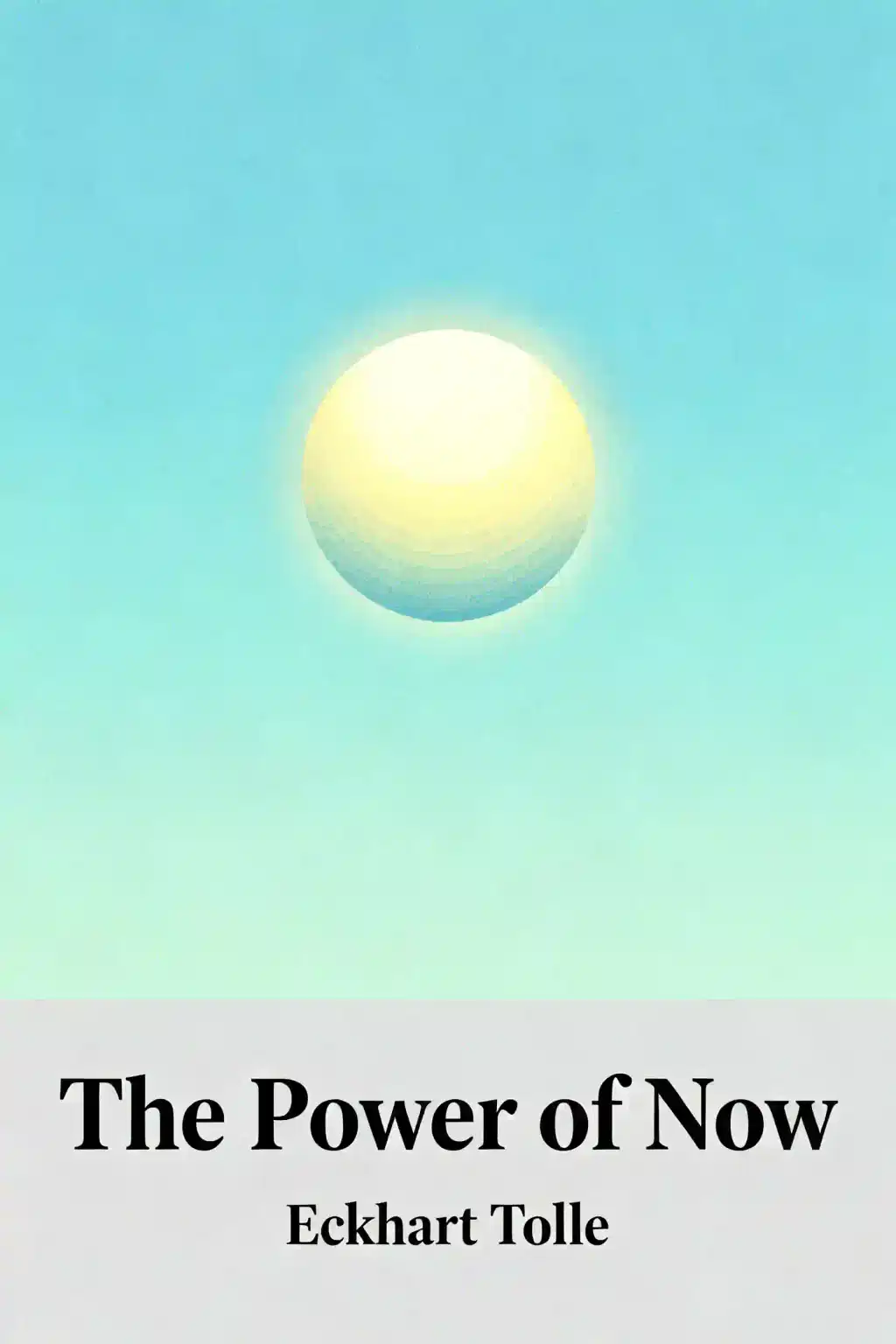
Discover ancient wisdom and modern science on cultivating presence. Transform ordinary moments into sacred experiences through mindful breathing, conscious awareness, and letting go of the illusion of seeking what you already have.

We can spend our whole lives preparing to live instead of actually living. We're always getting ready for the next thing, the next achievement, the next moment of happiness, but we're missing the miracle that's happening right now.
From Columbia University alumni built in San Francisco
"Instead of endless scrolling, I just hit play on BeFreed. It saves me so much time."
"I never knew where to start with nonfiction—BeFreed’s book lists turned into podcasts gave me a clear path."
"Perfect balance between learning and entertainment. Finished ‘Thinking, Fast and Slow’ on my commute this week."
"Crazy how much I learned while walking the dog. BeFreed = small habits → big gains."
"Reading used to feel like a chore. Now it’s just part of my lifestyle."
"Feels effortless compared to reading. I’ve finished 6 books this month already."
"BeFreed turned my guilty doomscrolling into something that feels productive and inspiring."
"BeFreed turned my commute into learning time. 20-min podcasts are perfect for finishing books I never had time for."
"BeFreed replaced my podcast queue. Imagine Spotify for books — that’s it. 🙌"
"It is great for me to learn something from the book without reading it."
"The themed book list podcasts help me connect ideas across authors—like a guided audio journey."
"Makes me feel smarter every time before going to work"
From Columbia University alumni built in San Francisco

Lena: Hey everyone, welcome back to BeFreed! I'm Lena, and I'm here with Miles, and we are absolutely thrilled to dive into something that I think touches every single one of us-how to actually be present and live in the moment.
Miles: Hey there! Yeah, Lena, I'm genuinely excited about this one. You know, it's fascinating how we can spend our entire lives physically here but mentally everywhere else, right? Today we're exploring this incredible wisdom from some truly transformative books about presence and mindfulness.
Lena: Exactly! And Miles, I have to say, this feels so timely. I mean, how many times do we find ourselves washing dishes while mentally planning tomorrow's meetings, or hugging someone while our minds are racing about that argument we had yesterday?
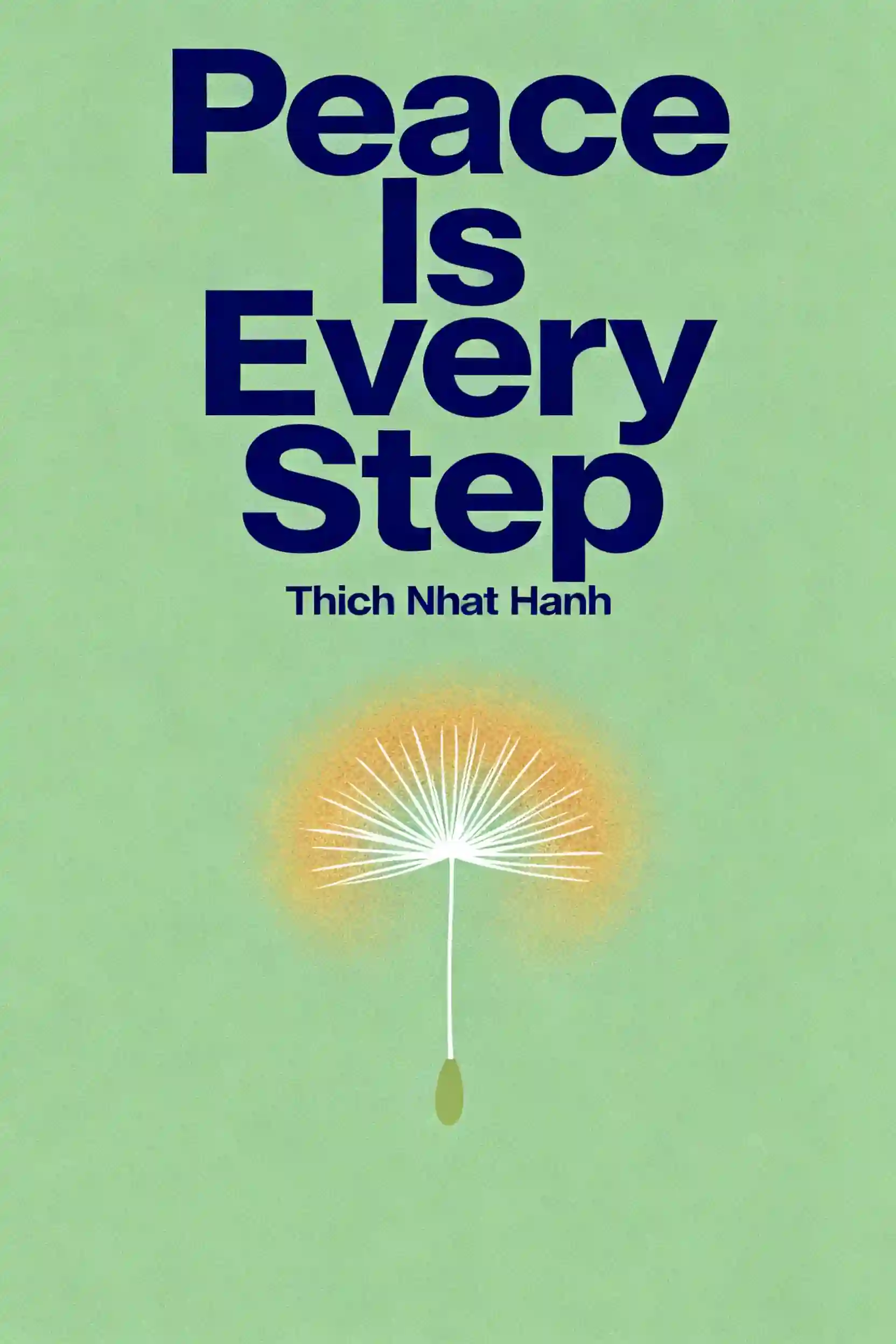
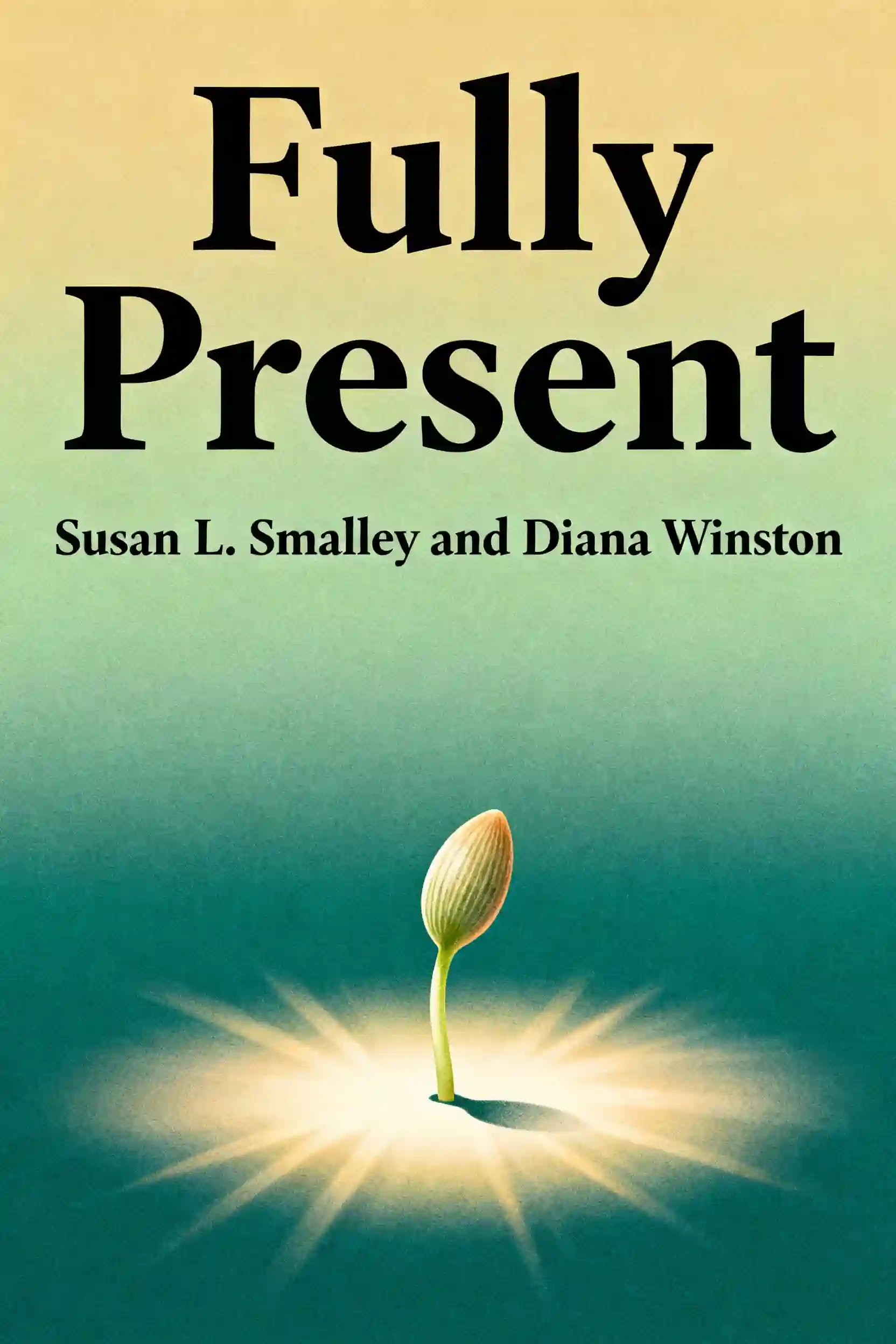
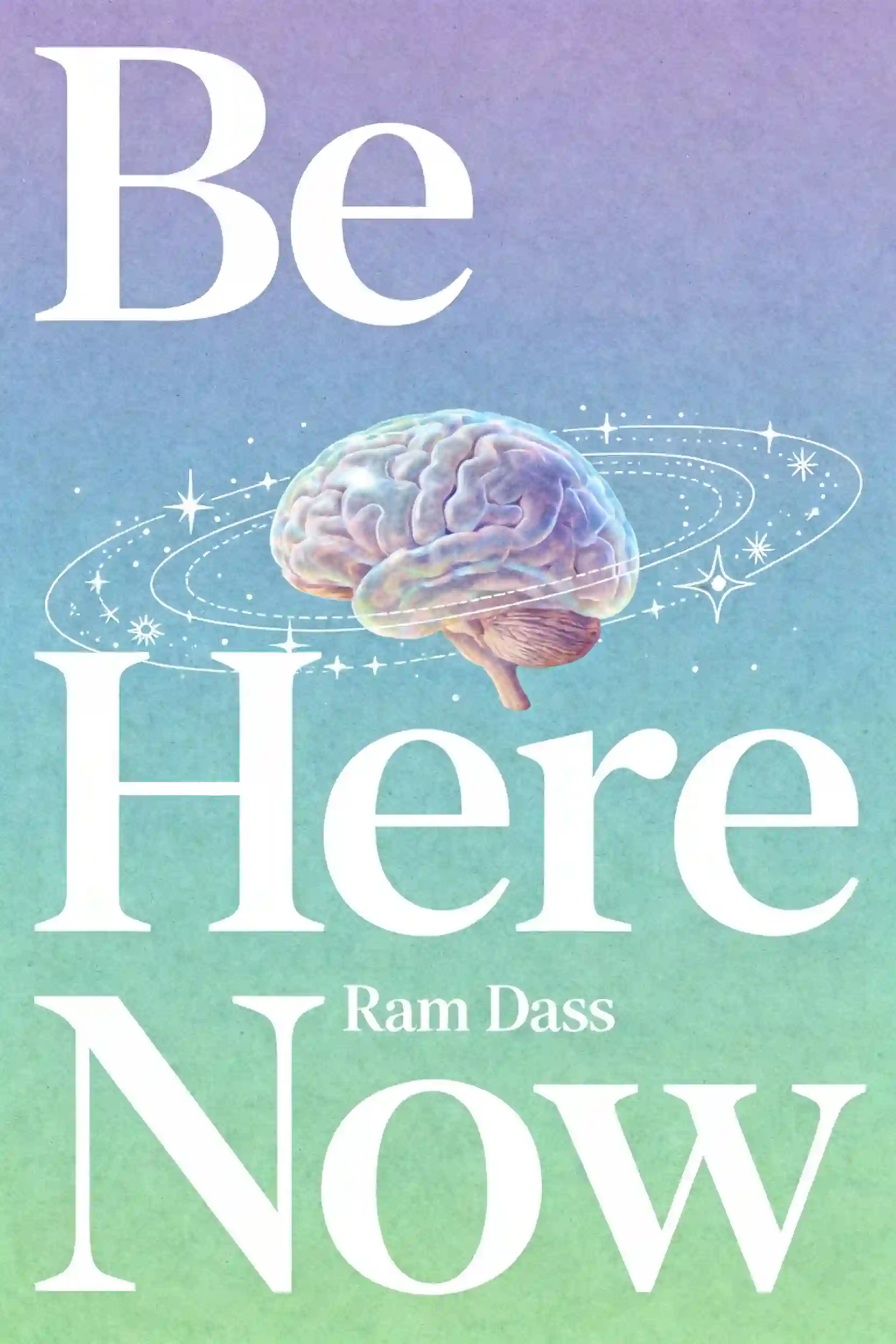
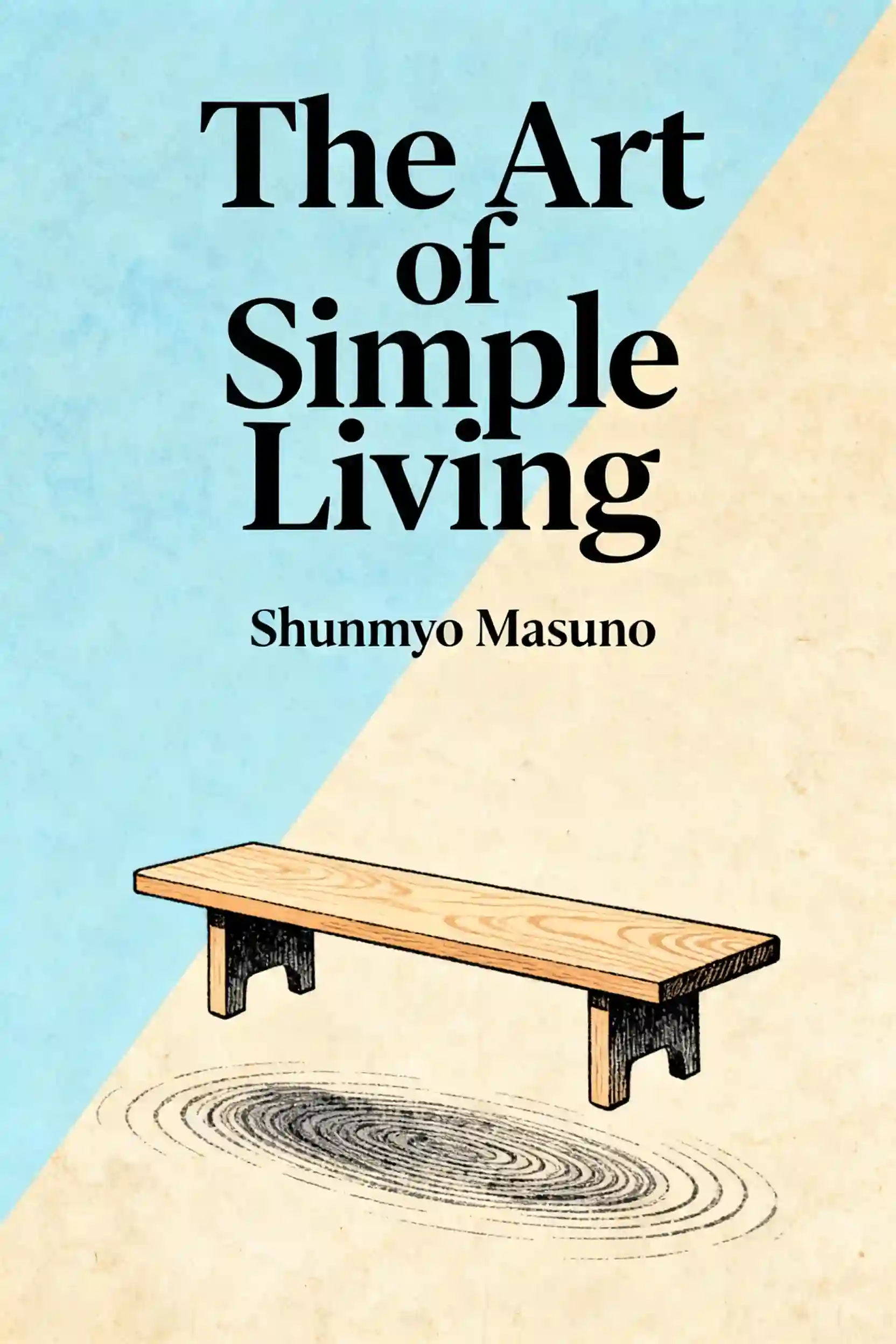
Miles: Oh man, you've hit the nail on the head there, Lena. It's like we're living these ghost lives-physically present but mentally absent. And that's exactly what drew me to this collection of wisdom we're exploring today. We've got insights from "Peace Is Every Step" by Thich Nhat Hanh, "Fully Present," "Be Here Now" by Ram Dass, "The Art of Simple Living," "The Art of Living," and "The Way of Zen."
Lena: Right, and what strikes me immediately is how these different traditions-whether it's Buddhist mindfulness, Zen philosophy, or even scientific approaches to presence-they all seem to be pointing toward the same fundamental truth. Miles, when you were reading through these, what jumped out at you first?
Miles: You know what's wild, Lena? I was just reading about this in "Peace Is Every Step," and Thich Nhat Hanh talks about how we can spend our whole lives preparing to live instead of actually living. Like, we're always getting ready for the next thing, the next achievement, the next moment of happiness, but we're missing the miracle that's happening right now.
Lena: That's so profound! And it reminds me of what Ram Dass discovered in "Be Here Now"-here was this Harvard professor with all the external markers of success, yet feeling completely empty inside. It wasn't until he had that transformative experience that he realized the present moment was where everything actually exists.
Miles: Exactly! And what's beautiful is that these aren't just philosophical concepts, right? The science backs this up too. In "Fully Present," they show how mindfulness literally changes our brain structure, how it affects our immune system, even our gene expression. So we're talking about something that's both ancient wisdom and cutting-edge neuroscience.
Lena: Miles, there's something that really intrigues me about this whole journey toward presence. It seems like the harder we try to be present, the more elusive it becomes. Is that just me, or is there something deeper going on here?
Miles: Oh, you've touched on one of the most beautiful paradoxes in all of this wisdom, Lena. Alan Watts talks about this brilliantly in "The Way of Zen"-it's like trying to see your own eyes or bite your own teeth. The very effort to grasp the present moment pushes it away.
Lena: That's fascinating! So you're saying that seeking presence is actually what prevents us from being present?
Miles: In a way, yeah! Think about it-when you're desperately trying to be mindful, you're creating this second layer of consciousness that's judging whether you're being mindful enough. You're not actually present; you're thinking about being present. It's like having a mind watching your mind, which takes you right out of the moment.
Lena: Wow, that's a total mind-bender! So how do we get out of this trap? I mean, if trying doesn't work, what does?
Miles: This is where the Zen approach gets really interesting, Lena. They talk about wu-wei, which is often translated as "non-action," but it's more like non-striving. It's the way you breathe without thinking about it, or how you walk without coordinating each muscle. Your mind already knows how to be present-it's when you stop interfering that it happens naturally.
Lena: That makes so much sense! It's like when you're completely absorbed in something you love-maybe playing music or having a deep conversation-and you're not thinking "Am I being present now?" You just are.
Miles: Exactly! And Thich Nhat Hanh gives us such practical ways to access this. He talks about how even your phone ringing can become a bell of mindfulness. Instead of lunging for it in panic, you pause, breathe three times, smile. Suddenly this interruption becomes a gift-a reminder to return to yourself.
Lena: Miles, I love how you mentioned breathing, because that seems to come up in every single one of these traditions. What is it about the breath that makes it such a powerful anchor to the present moment?
Miles: Oh, this is beautiful, Lena. Your breath is literally the only thing that exists purely in the present moment. You can't breathe yesterday's breath or tomorrow's breath-you can only breathe now. And what's incredible is that it bridges the gap between your conscious and unconscious mind.
Lena: How do you mean?
Miles: Well, think about it-breathing happens automatically, right? You don't have to remember to breathe. But you can also consciously control it. So when you bring attention to your breath, you're creating this perfect meeting point between your voluntary and involuntary awareness.
Lena: That's fascinating! And I remember reading in "Fully Present" how they show scientifically that different emotions actually create different breathing patterns. So by working with the breath, we're literally changing our emotional state?
Miles: Absolutely! They talk about how when you're anxious, your breathing becomes shallow and chest-focused. But when you're calm and centered, it naturally deepens and moves into your belly. In "The Art of Simple Living," they describe this as breathing from your tanden-that area just below your navel-and how just focusing there for a few minutes can completely shift your mental state.
Lena: So it's like the breath is this incredible tool that's always available to us. We don't need any special equipment or training-just the willingness to pay attention to what's already happening.
Miles: Exactly! And what I love about Thich Nhat Hanh's approach is how simple he makes it. "Breathing in, I know I am breathing in. Breathing out, I know I am breathing out." It's not about controlling the breath or making it perfect-just acknowledging what's already there.
Lena: Right! And that acknowledgment seems to be key. It's like we're saying "Hello" to our own aliveness, isn't it?
Miles: That's such a beautiful way to put it, Lena! And you know what's wild? In "Be Here Now," Ram Dass talks about how this simple awareness of breathing was part of what his guru taught him. After all his psychedelic experiences and searching, it came back to this most basic human function that connects us to life itself.
Lena: Miles, one thing that really strikes me about these teachings is how they transform the most mundane activities into something almost sacred. Can you talk about that?
Miles: Oh, this is one of my favorite aspects, Lena! Thich Nhat Hanh has this incredible way of showing how washing dishes can be more meaningful than eating dessert. When you're fully present with the warm water, the soap bubbles, the feeling of the plate in your hands-you're not rushing toward some future moment of satisfaction. The satisfaction is right there in the washing itself.
Lena: That's so different from how most of us approach daily tasks, isn't it? We're always trying to get through them as quickly as possible to get to the "good stuff."
Miles: Exactly! But what if the good stuff is already here? What if washing dishes, walking to work, even waiting in line at the grocery store-what if these moments are just as valuable as the ones we label as "special"?
Lena: I love that perspective! And it reminds me of what they talk about in "The Art of Simple Living" about samu-the idea that work itself can be spiritual practice. You're not just completing tasks; you're cultivating mindfulness through every action.
Miles: Right! And this is where Zen really shines, Lena. They don't separate spiritual practice from daily life. Whether you're sweeping the floor or preparing tea, each action becomes an opportunity for presence. There's this beautiful saying: "In walking, just walk. In sitting, just sit. Above all, don't wobble."
Lena: "Don't wobble"-I love that! It's like being fully committed to whatever you're doing in the moment, rather than having one foot in the present and one foot somewhere else.
Miles: Exactly! And you know what's interesting? In "Fully Present," they show how this kind of single-pointed attention actually changes our brain structure. When we practice focusing completely on one thing-whether it's washing dishes or eating a tangerine-we're literally strengthening our capacity for presence.
Lena: So it's like going to the gym, but for our attention?
Miles: That's a perfect analogy, Lena! Every time you bring your wandering mind back to the present moment, you're doing a rep. You're building what they call your "mindfulness muscle." And just like physical exercise, it gets easier with practice.
Lena: Miles, this all sounds wonderful when life is going smoothly, but what about when we're dealing with difficult emotions? How do we stay present with anger or fear or sadness?
Miles: Oh, this is such an important question, Lena, and it's where these teachings really show their depth. Thich Nhat Hanh has this beautiful metaphor about sitting on the riverbank of your consciousness and watching your emotions flow by like water.
Lena: What do you mean by that?
Miles: Well, instead of either suppressing difficult emotions or getting swept away by them, you learn to observe them with a kind of gentle curiosity. When anger arises, instead of immediately focusing on whoever triggered it, you first turn toward the anger itself. "Hello, anger. I see you there. How are you feeling today?"
Lena: That's such a different approach than what most of us do! We either try to push the feeling away or we get completely consumed by it.
Miles: Exactly! And what's beautiful is that when you approach emotions this way, they start to transform naturally. In "Peace Is Every Step," Thich Nhat Hanh talks about how mindfulness is like a caring parent holding a crying child. You're not dismissing the tears, but you're providing this steady, loving presence until the storm passes.
Lena: I love that image. And it sounds like the key is not trying to fix or change the emotion, but just being with it?
Miles: Right! And this connects to what they teach in "Fully Present" about the RAIN technique-Recognition, Acceptance, Investigation, and Non-identification. You recognize what you're feeling, accept that it's there, investigate how it shows up in your body, and then remember that you are not your emotions. They're just weather patterns passing through the sky of your awareness.
Lena: That's such a helpful framework! And I imagine it takes practice to remember this when you're in the middle of intense emotions.
Miles: Absolutely, Lena. And this is where walking meditation can be incredibly helpful. When you're overwhelmed, sometimes the best thing you can do is just put one foot in front of the other, feeling your connection to the earth, breathing consciously. The movement and the grounding naturally help intense emotions settle.
Lena: So it's like we're not trying to escape the difficult feelings, but we're creating space around them so they don't completely overwhelm us?
Miles: That's beautifully put! You're creating what they call "sacred pause"-that moment between stimulus and response where wisdom can emerge instead of just reacting from old patterns.
Lena: Miles, there's something that keeps coming up in these teachings that I find both fascinating and a little mind-bending-this idea that our sense of being a separate self is somehow an illusion. Can you help me understand what that means?
Miles: Oh wow, Lena, this is really the heart of it all, isn't it? And it's probably the most radical insight in all of these traditions. What they're pointing to is that when you really look closely-I mean really examine your direct experience-you can't actually find this solid, separate "self" that we assume is there.
Lena: What do you mean? I mean, I'm sitting here talking to you. I certainly feel like a separate person!
Miles: Right, and that feeling is totally real! But let's investigate it a little. Ram Dass talks about this beautifully in "Be Here Now." During his first psychedelic experience, he watched all his identities-the Harvard professor, the sophisticated cosmopolite, even his physical body-dissolve one by one. Yet something remained aware of all this dissolving. What was that?
Lena: That's a trip to think about! So you're saying there's this awareness that's watching all our thoughts and identities come and go?
Miles: Exactly! And Thich Nhat Hanh describes this through the concept of "interbeing." He says you can't exist without the sun, the rain, the farmers who grew your food, the air you breathe. Where do "you" begin and the rest of the universe end? Look at a sheet of paper and you can see the cloud that provided the rain for the tree, the sunshine that fed it, the logger who cut it down-the whole universe is in that one sheet.
Lena: Wow, that's such a different way of seeing things! So instead of being isolated individuals, we're more like... waves in an ocean?
Miles: That's a perfect metaphor, Lena! Each wave has its own shape and movement, but it's never separate from the ocean. And what's beautiful is that when you really get this-not just intellectually but in your bones-it completely transforms how you relate to everything. Your problems become less personal, your joys become more universal.
Lena: I can imagine that would be incredibly freeing. But also maybe a little scary? I mean, if there's no solid self, then who's making decisions? Who's living this life?
Miles: That's such a natural question! And this is where "The Way of Zen" offers such clarity. Alan Watts talks about how we feel victimized because we think we were involuntarily "given" a sensitive organism. But who is it that "has" this mind and body? There's no separate self apart from the mind-body that's having this experience.
Lena: So it's not that there's no one here, but that the "someone" here is much more fluid and interconnected than we usually imagine?
Miles: Beautifully said! It's like your breath-you can say "I breathe" but you can also say "it breathes me." Both are true. You're neither completely in control nor completely powerless. You're part of this incredible dance of existence.
Lena: Miles, I'm fascinated by how these ancient teachings are being validated by modern neuroscience. What does the research actually show about what happens in our brains when we practice presence?
Miles: Oh, this is so exciting, Lena! The research in "Fully Present" shows that mindfulness literally rewires our brains. They've found that regular practice increases gray matter in areas associated with learning, memory, and emotional regulation, while decreasing it in the amygdala-that's our fear center.
Lena: So we're not just changing our experience, we're actually changing the physical structure of our brains?
Miles: Exactly! And it happens faster than you might think. Some studies show changes beginning after just five days of 20-minute daily practice. But what's even more incredible is that they've found differences in gene expression between long-term meditators and non-meditators. We're literally influencing which genes get activated!
Lena: That's mind-blowing! So when we practice presence, we're affecting ourselves all the way down to the cellular level?
Miles: Right! And it makes sense when you think about it. Stress hormones like cortisol have been flooding our systems for years in response to our mental time-traveling-worrying about the future, ruminating about the past. When we anchor ourselves in the present moment, we're giving our nervous system a chance to reset.
Lena: And I imagine this has effects on our physical health too?
Miles: Absolutely, Lena! The research shows stronger immune function, lower blood pressure, reduced inflammation-all from simply learning to be where we are. It's like our bodies have been waiting for us to come home to the present moment.
Lena: That's such a beautiful way to put it-coming home to the present moment. And what I love is that this isn't just individual healing. In "Peace Is Every Step," Thich Nhat Hanh talks about how when we transform ourselves, we're contributing to transforming the world.
Miles: Exactly! Because we're all interconnected, right? When you develop inner peace and presence, that radiates out through all your relationships, your work, your community. You become what they call a "bell of mindfulness" for others-your very presence reminds people to come back to themselves.
Lena: Miles, this is all incredibly inspiring, but I know our listeners are probably wondering: "Okay, but how do I actually apply this in my crazy, busy life?" What are some concrete ways people can start cultivating presence right now?
Miles: Such a practical question, Lena! And the beautiful thing is that you don't need to completely overhaul your life. You can start with what Thich Nhat Hanh calls "bells of mindfulness"-using everyday occurrences as reminders to return to presence. Your phone ringing, red lights while driving, even the sound of a church bell in the distance.
Lena: I love that! So instead of seeing interruptions as annoyances, we can use them as opportunities?
Miles: Exactly! And from "The Art of Simple Living," there's this beautiful practice of starting your day just fifteen minutes earlier to sit quietly and breathe from your tanden. Not trying to achieve anything special, just creating a pocket of stillness before the day begins.
Lena: That sounds so doable. What about during the day when things get hectic?
Miles: The STOP practice from "Fully Present" is perfect for this, Lena. When you notice stress building, you literally STOP what you're doing, Take a breath, Observe what's happening in your body and mind, and then Proceed with awareness. It takes maybe thirty seconds, but it can completely shift your state.
Lena: And I imagine eating is another great opportunity for practice?
Miles: Oh, absolutely! Thich Nhat Hanh talks about eating a tangerine with complete attention-not planning or reminiscing, just experiencing the flavor, texture, and sweetness. One tangerine eaten mindfully satisfies more than a dozen eaten while distracted.
Lena: That's such a simple but profound practice. What about for people who are dealing with difficult relationships or workplace stress?
Miles: This is where mindful communication becomes so important, Lena. Before responding to someone who's triggered you, try taking three conscious breaths. This creates what they call "sacred pause"-that space between stimulus and response where wisdom can emerge instead of just reacting from old patterns.
Lena: And I imagine walking can be a practice too?
Miles: Yes! Walking meditation is incredible, especially when emotions are intense. Instead of rushing from point A to point B, you coordinate your breath with your steps, feel your feet connecting with the earth. Thich Nhat Hanh says to "walk as if you are kissing the Earth with your feet."
Lena: That's such a beautiful image! So really, any activity can become a doorway to presence if we bring the right quality of attention to it.
Miles: That's it exactly, Lena! Whether you're washing dishes, waiting in line, or even stuck in traffic-these aren't obstacles to your spiritual life, they are your spiritual life. Every moment is an invitation to wake up.
Lena: Miles, as we start to wrap up our exploration, I'm curious about something. All of these practices sound wonderful, but how do we integrate them so deeply that presence becomes our natural way of being rather than something we have to remember to do?
Miles: That's the million-dollar question, isn't it, Lena? And I think the key insight comes from "The Way of Zen"-you can't force naturalness. The more you try to be present, the more you create this second layer of consciousness that's judging your presence. True integration happens when you stop trying to be someone who's present and just... are.
Lena: So it's about letting go of the idea that there's a "better" version of ourselves we need to become?
Miles: Exactly! Ram Dass discovered this after years of seeking. All his psychedelic journeys, his time in India, his spiritual practices-they were all looking for something he already was. The guru who could see everything, who took massive doses of LSD without any effect, was pointing him back to his own true nature.
Lena: That's such a radical shift in perspective. Instead of trying to achieve presence, we're recognizing the presence that's already here?
Miles: Right! And this is where the different traditions converge beautifully. Whether it's Zen's "ordinary mind is the way," or Vipassana's recognition of our Buddha nature, or Thich Nhat Hanh's insight that "peace is every step"-they're all pointing to the same truth. You don't need to go anywhere or become anyone else.
Lena: But I imagine there's still value in the practices, even if we're not trying to achieve something?
Miles: Absolutely, Lena! The practices aren't about getting somewhere-they're expressions of where you already are. When you sit quietly in the morning, you're not trying to become peaceful; you're acknowledging the peace that's your true nature. When you breathe consciously, you're not creating awareness; you're recognizing the awareness that's always been here.
Lena: So the practices are more like... reminders? Ways of returning home to ourselves?
Miles: That's beautiful, Lena! And what's incredible is how this understanding transforms everything. Your work becomes an expression of presence. Your relationships become opportunities for deeper connection. Even challenges become invitations to discover the unshakeable awareness that remains steady through all of life's changes.
Lena: And I imagine this has ripple effects beyond our individual experience?
Miles: Oh, absolutely! This is what "The Art of Living" teaches so beautifully-when you stop creating suffering for yourself through resistance and reactivity, you naturally stop creating suffering for others. Your very presence becomes a gift. You become what Thich Nhat Hanh calls "a fresh, pleasant person" that others enjoy being around.
Lena: So personal transformation and social transformation aren't separate?
Miles: Not at all! As Thich Nhat Hanh says, "If we cannot smile, we cannot help others smile." The peace movement must embody peace. Environmental protection starts with cleaning up the pollution in our own consciousness. Every moment of presence contributes to the healing of our world.
Lena: Miles, as we bring this exploration to a close, I'm struck by how these ancient teachings offer such practical wisdom for our modern challenges. What would you say to someone who's inspired by these ideas but feels overwhelmed by where to start?
Miles: You know, Lena, I think the most important thing to remember is that you don't need to start anywhere other than right here, right now. This very moment-with all its imperfection, with whatever you're feeling, whatever thoughts are arising-this is already the perfect place to begin.
Lena: That's so reassuring! Because I think many of us get caught in this trap of thinking we need the perfect conditions or the right amount of time to start practicing presence.
Miles: Exactly! But as Ram Dass learned, and as all these teachings point to, the extraordinary is hidden within the ordinary. Your next breath is a doorway. The feeling of your feet on the ground is a teacher. The sound of traffic outside your window can be a bell of mindfulness calling you home to yourself.
Lena: And what I love is that this isn't about adding more to our already full lives-it's about bringing a different quality of attention to what we're already doing.
Miles: Right! You don't need to meditate for hours or retreat to a monastery. You can transform your morning coffee into a mindfulness practice. Your commute can become walking meditation. Even washing dishes-especially washing dishes-can be a profound spiritual practice when done with full presence.
Lena: Miles, if you had to distill all of this wisdom into one essential insight for our listeners, what would it be?
Miles: I think it would be this, Lena: You are already whole. You are already home. You are already living in the only moment that ever exists-this one. The peace you're seeking, the presence you're longing for, the connection you're craving-it's all right here, right now, waiting for you to simply... arrive.
Lena: That gives me chills, Miles. And you know what's beautiful? Even as we've been having this conversation, we've been practicing presence together. We've been here, now, exploring these ideas with curiosity and openness.
Miles: Absolutely! And that's available to everyone listening too. Whether you're driving, walking, doing dishes, or just sitting quietly-you can be fully present with whatever's arising. You can kiss the Earth with your feet. You can breathe consciously. You can smile not because everything is perfect, but because you're alive in this moment.
Lena: So to everyone listening, remember that every moment offers a fresh invitation to come home to yourself. You don't need to wait for better circumstances or more time or perfect conditions. The door to presence is always open, and you already have the key.
Miles: And on that note, we want to encourage you all to stay curious, keep those questions coming, and remember-peace truly is every step we take together. Until next time, keep exploring, keep awakening, and most importantly, keep being beautifully, imperfectly, perfectly human.
Lena: Thanks for joining us on this journey into presence, everyone. May you find the extraordinary in your ordinary moments, and may you discover that what you've been seeking has been here all along.