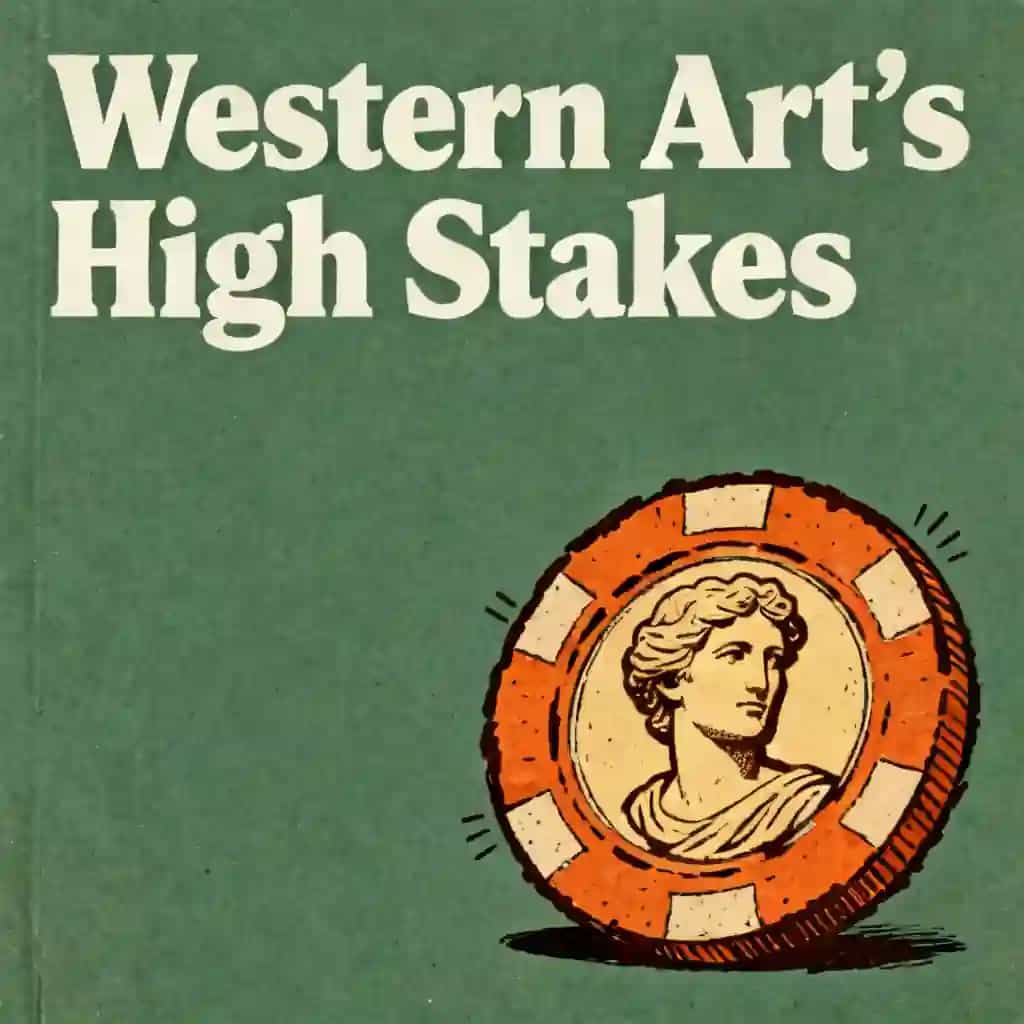
How the art trade hides billions in dirty money
The art market is worth billions, but its lack of oversight makes it a haven for money laundering. Learn how private sales turn illicit cash into assets.

Best quote from How the art trade hides billions in dirty money
The art market is the financial unconscious; it is where the money goes when it wants to forget where it came from, allowing wealth to hide in plain sight protected by the prestige of fine art.
Generated by Jacob
The hidden art trade industry

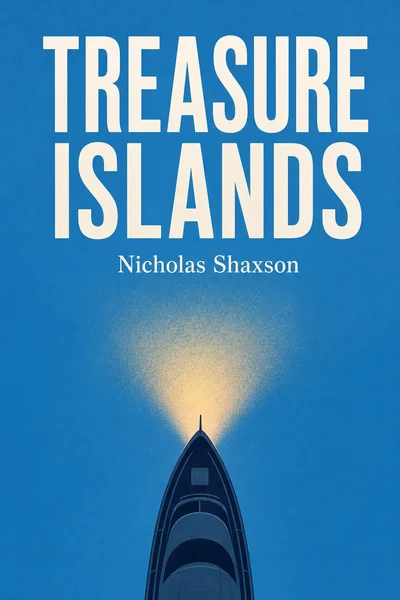
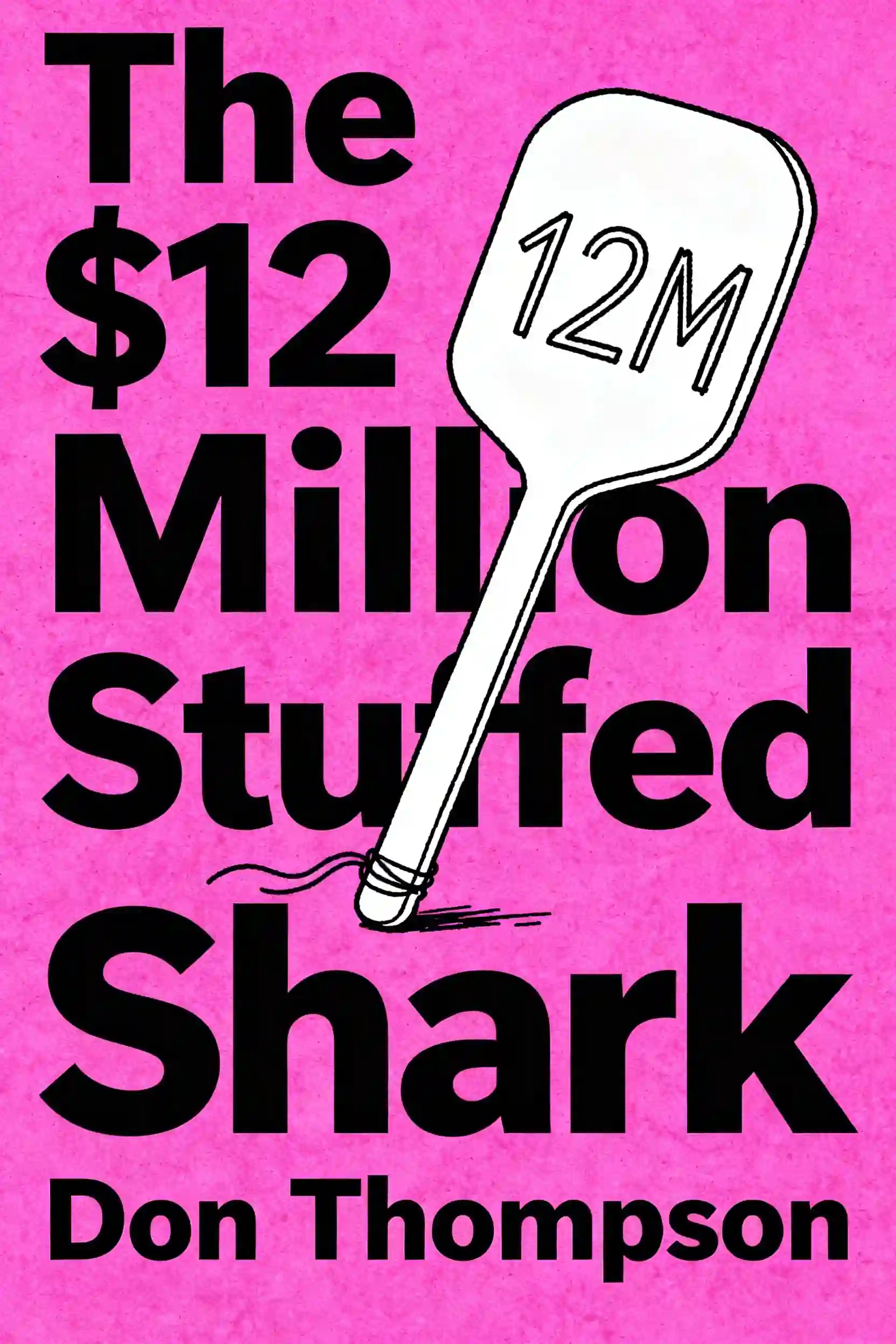
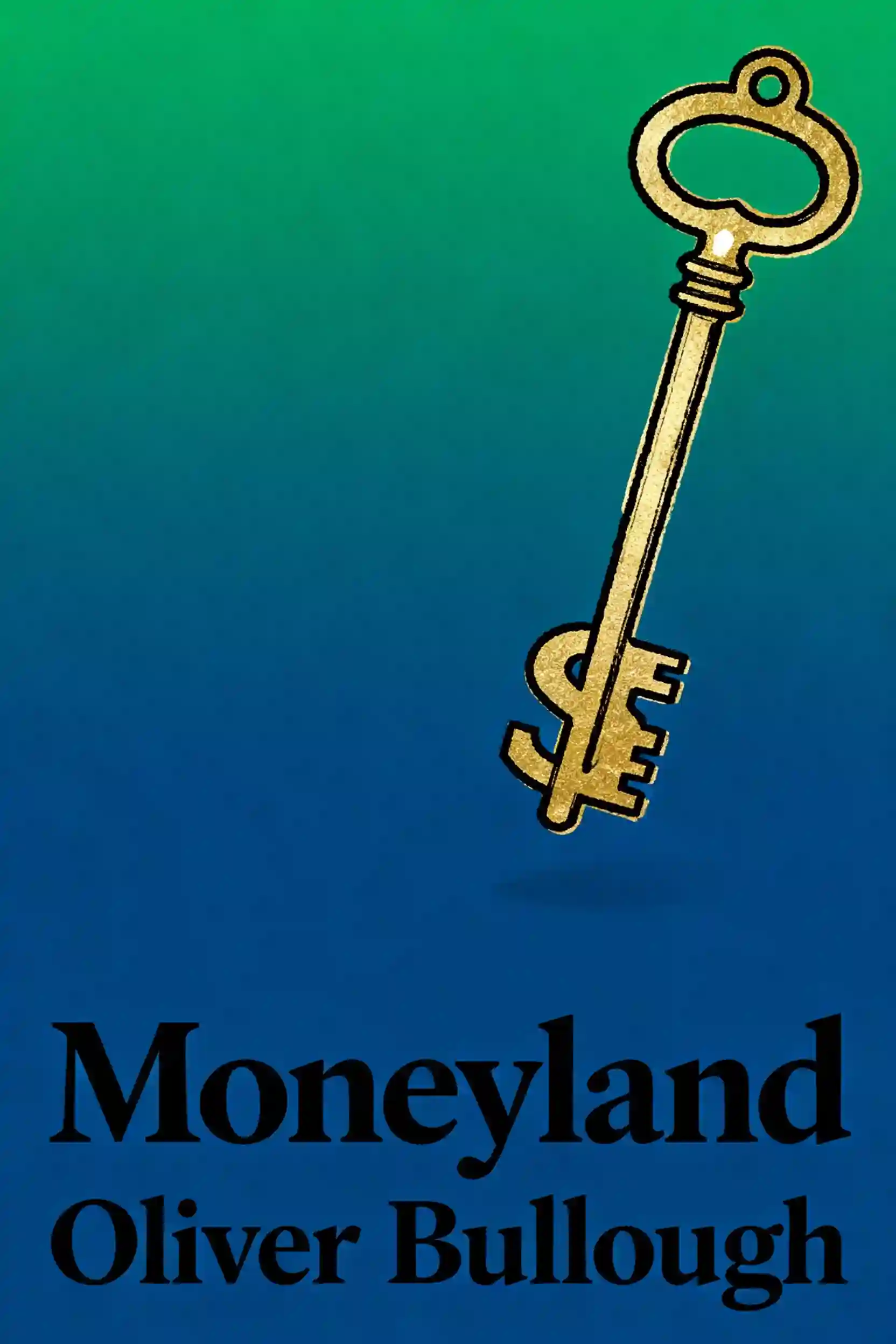
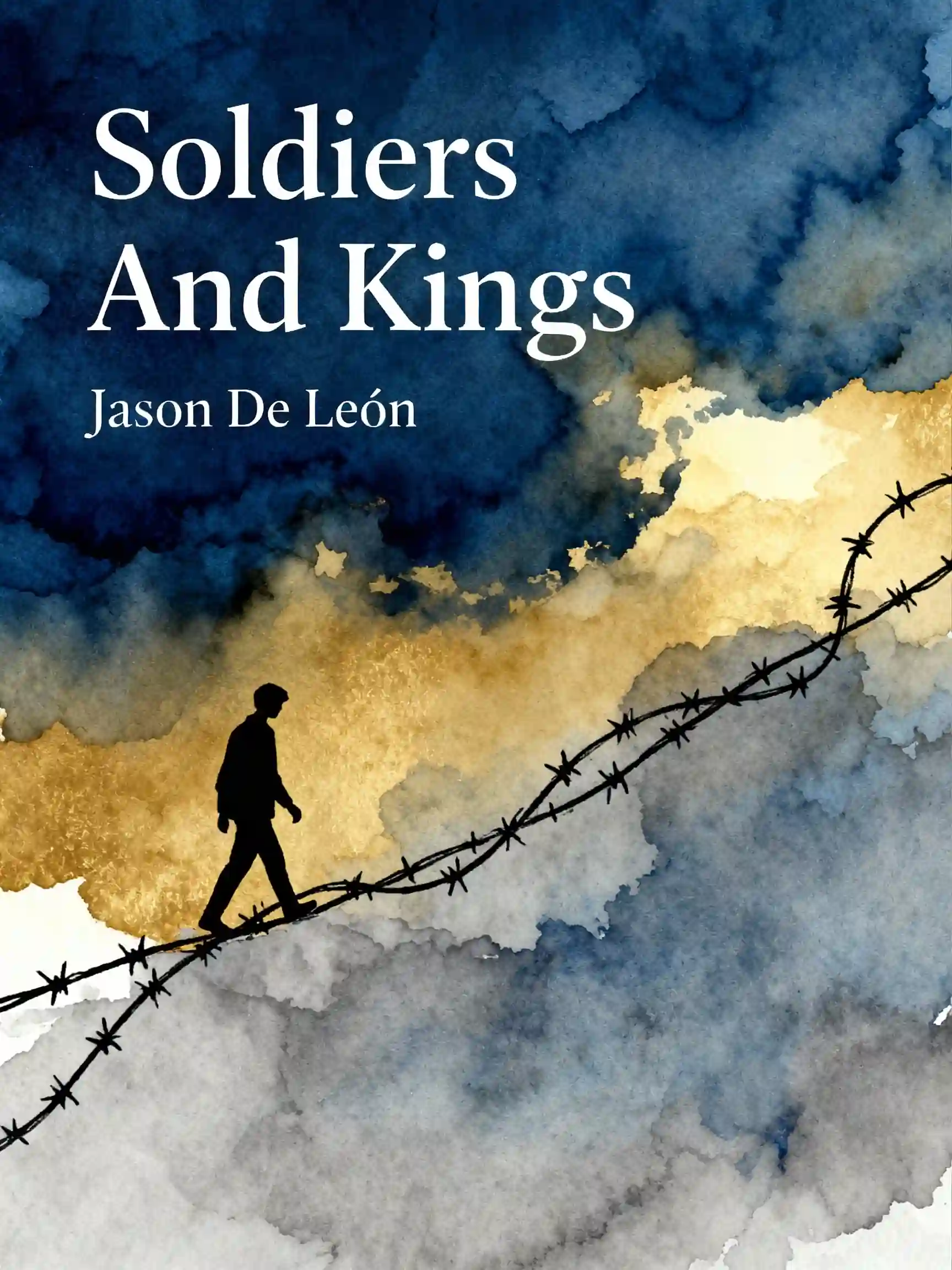
Frequently Asked Questions
The art market is often described as a "financial unconscious" because it lacks an objective pricing system, relying instead on social consensus and prestige. This subjectivity allows individuals to easily manipulate values to move large sums of money across borders. Furthermore, the industry has historically been a "shadowy landscape" where 70 to 80 percent of sales occur privately, away from public oversight and the strict anti-money laundering regulations that govern traditional banks.
Freeports are high-security, climate-controlled warehouses, such as the Geneva Freeport, which is estimated to hold $100 billion worth of art. Legally, art stored in these facilities is considered "in transit," meaning owners do not have to pay import duties or sales taxes. For money launderers, freeports offer "invisibility as architecture" because ownership of a painting can change hands multiple times through offshore accounts while the physical object never leaves its crate, leaving no paper trail for customs or tax authorities.
The process typically follows three stages: placement, layering, and integration. In the placement stage, "dirty" cash is converted into a physical asset, like a painting, to enter the financial system. During layering, the owner creates a complex maze of transactions—often using shell companies in different countries or using the art as collateral for loans—to sever the link to the original crime. Finally, in the integration stage, the art is sold to a legitimate collector or museum, and the proceeds appear as "clean," reputable wealth.
Authorities are closing the "regulatory gap" through new laws like the U.S. Anti-Money Laundering Act of 2020 and the EU’s Fifth and Sixth Anti-Money Laundering Directives, which require art dealers to perform "Know Your Customer" checks and identify beneficial owners. Additionally, blockchain technology is being explored as a tool for transparency. By creating a "digital fingerprint" or an immutable ledger of a painting’s provenance, blockchain makes it much harder to fabricate a history for a piece of art or hide its ownership transitions.
Compliance experts use a specific playbook to identify potential laundering, such as "vast sums of money" being exchanged for works from non-existent collections or "inflated and deflated prices" that do not match market value. Other warning signs include the use of anonymous shell companies from high-risk jurisdictions, frequent transactions involving the same artwork, and unusual shipping patterns where art moves between freeports without ever being displayed or sold to a public entity.
From Columbia University alumni built in San Francisco
"Instead of endless scrolling, I just hit play on BeFreed. It saves me so much time."


"I never knew where to start with nonfiction—BeFreed’s book lists turned into podcasts gave me a clear path."


"Perfect balance between learning and entertainment. Finished ‘Thinking, Fast and Slow’ on my commute this week."
"Crazy how much I learned while walking the dog. BeFreed = small habits → big gains."
"Reading used to feel like a chore. Now it’s just part of my lifestyle."

"Feels effortless compared to reading. I’ve finished 6 books this month already."
"BeFreed turned my guilty doomscrolling into something that feels productive and inspiring."

"BeFreed turned my commute into learning time. 20-min podcasts are perfect for finishing books I never had time for."
"BeFreed replaced my podcast queue. Imagine Spotify for books — that’s it. 🙌"

"It is great for me to learn something from the book without reading it."
"The themed book list podcasts help me connect ideas across authors—like a guided audio journey."
"Makes me feel smarter every time before going to work"
 Ask ChatGPT
 Ask Claude
From Columbia University alumni built in San Francisco
"Instead of endless scrolling, I just hit play on BeFreed. It saves me so much time."
"I never knew where to start with nonfiction—BeFreed’s book lists turned into podcasts gave me a clear path."
"Perfect balance between learning and entertainment. Finished ‘Thinking, Fast and Slow’ on my commute this week."
"Crazy how much I learned while walking the dog. BeFreed = small habits → big gains."
"Reading used to feel like a chore. Now it’s just part of my lifestyle."
"Feels effortless compared to reading. I’ve finished 6 books this month already."
"BeFreed turned my guilty doomscrolling into something that feels productive and inspiring."
"BeFreed turned my commute into learning time. 20-min podcasts are perfect for finishing books I never had time for."
"BeFreed replaced my podcast queue. Imagine Spotify for books — that’s it. 🙌"
"It is great for me to learn something from the book without reading it."
"The themed book list podcasts help me connect ideas across authors—like a guided audio journey."
"Makes me feel smarter every time before going to work"
"Instead of endless scrolling, I just hit play on BeFreed. It saves me so much time."
"I never knew where to start with nonfiction—BeFreed’s book lists turned into podcasts gave me a clear path."
"Perfect balance between learning and entertainment. Finished ‘Thinking, Fast and Slow’ on my commute this week."
"Crazy how much I learned while walking the dog. BeFreed = small habits → big gains."
"Reading used to feel like a chore. Now it’s just part of my lifestyle."
"Feels effortless compared to reading. I’ve finished 6 books this month already."
"BeFreed turned my guilty doomscrolling into something that feels productive and inspiring."
"BeFreed turned my commute into learning time. 20-min podcasts are perfect for finishing books I never had time for."
"BeFreed replaced my podcast queue. Imagine Spotify for books — that’s it. 🙌"
"It is great for me to learn something from the book without reading it."
"The themed book list podcasts help me connect ideas across authors—like a guided audio journey."
"Makes me feel smarter every time before going to work"
"Instead of endless scrolling, I just hit play on BeFreed. It saves me so much time."
"I never knew where to start with nonfiction—BeFreed’s book lists turned into podcasts gave me a clear path."
"Perfect balance between learning and entertainment. Finished ‘Thinking, Fast and Slow’ on my commute this week."
"Crazy how much I learned while walking the dog. BeFreed = small habits → big gains."
"Reading used to feel like a chore. Now it’s just part of my lifestyle."
"Feels effortless compared to reading. I’ve finished 6 books this month already."
"BeFreed turned my guilty doomscrolling into something that feels productive and inspiring."
"BeFreed turned my commute into learning time. 20-min podcasts are perfect for finishing books I never had time for."
"BeFreed replaced my podcast queue. Imagine Spotify for books — that’s it. 🙌"
"It is great for me to learn something from the book without reading it."
"The themed book list podcasts help me connect ideas across authors—like a guided audio journey."
"Makes me feel smarter every time before going to work"