Ontario Grade 6 Science: Flight Curriculum and Aerodynamics Guide
Explore the Ontario Grade 6 Science Flight curriculum. Learn about aerodynamics, airplane parts, the history of flight, and how aviation impacts our daily lives.

Best quote from Ontario Grade 6 Science: Flight Curriculum and Aerodynamics Guide
In aviation, as in life, if you want to move forward, you have to overcome resistance, and if you want to rise, you have to create more lift than the things pulling you down.
Generated by Freedee_5C4B5A14
The Ontario Grade 6 Science Flight Curriculum aerodynamics parts of a airplane history of flight and how flight impacts life


Frequently Asked Questions
The Ontario Grade 6 Science Flight curriculum focuses on the fundamental principles of aerodynamics and the properties of air that make flight possible. Students explore the four forces of flight—lift, weight, drag, and thrust—while examining the specific parts of an airplane and their functions. The curriculum also covers the historical evolution of aviation and encourages students to think critically about how flight technology impacts society and the environment.
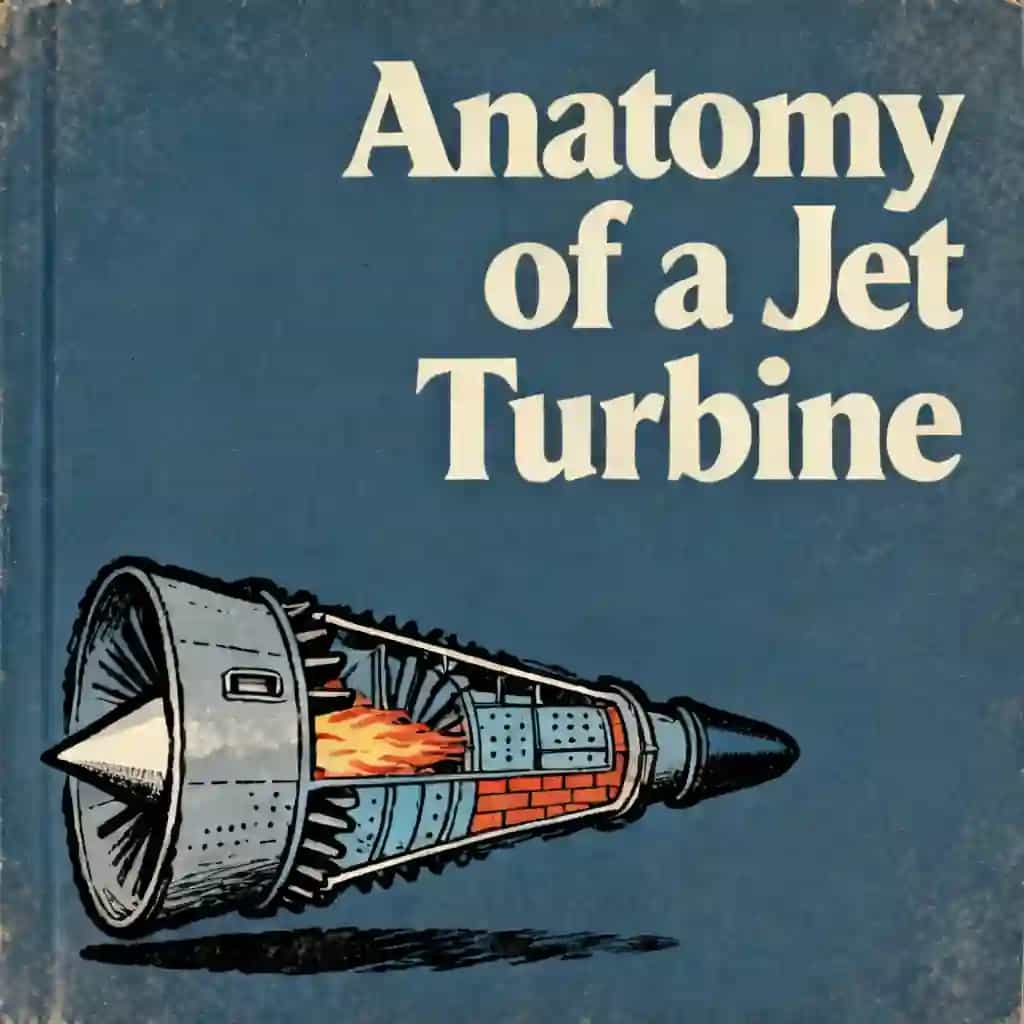
Aerodynamics is the study of how air moves around objects, which is essential for understanding how aircraft stay airborne. In the Grade 6 Science Flight unit, students learn how different parts of an airplane, such as the wings, engines, and control surfaces, interact with air pressure to create lift and stability. By studying these components, learners gain a practical understanding of how engineers design planes to overcome gravity and drag during flight.
Studying the history of flight provides students with a chronological perspective on how scientific understanding and technology have advanced over time. By looking at early aviation pioneers and the development of modern aircraft, students can see the iterative process of design and discovery. This historical context helps learners appreciate the complexity of modern aerodynamics and sets the stage for discussing the future of aviation and its ongoing impact on our global society.
The impact of flight on life is a significant part of the Ontario Grade 6 Science curriculum, as it encourages students to evaluate both the benefits and drawbacks of aviation. While flight has revolutionized global travel, trade, and emergency services, it also has environmental consequences, such as carbon emissions and noise pollution. Students are taught to analyze these factors to understand the social, economic, and ecological trade-offs associated with modern flight technology.
From Columbia University alumni built in San Francisco
"Instead of endless scrolling, I just hit play on BeFreed. It saves me so much time."


"I never knew where to start with nonfiction—BeFreed’s book lists turned into podcasts gave me a clear path."


"Perfect balance between learning and entertainment. Finished ‘Thinking, Fast and Slow’ on my commute this week."
"Crazy how much I learned while walking the dog. BeFreed = small habits → big gains."
"Reading used to feel like a chore. Now it’s just part of my lifestyle."

"Feels effortless compared to reading. I’ve finished 6 books this month already."
"BeFreed turned my guilty doomscrolling into something that feels productive and inspiring."

"BeFreed turned my commute into learning time. 20-min podcasts are perfect for finishing books I never had time for."
"BeFreed replaced my podcast queue. Imagine Spotify for books — that’s it. 🙌"

"It is great for me to learn something from the book without reading it."
"The themed book list podcasts help me connect ideas across authors—like a guided audio journey."
"Makes me feel smarter every time before going to work"
From Columbia University alumni built in San Francisco
"Instead of endless scrolling, I just hit play on BeFreed. It saves me so much time."
"I never knew where to start with nonfiction—BeFreed’s book lists turned into podcasts gave me a clear path."
"Perfect balance between learning and entertainment. Finished ‘Thinking, Fast and Slow’ on my commute this week."
"Crazy how much I learned while walking the dog. BeFreed = small habits → big gains."
"Reading used to feel like a chore. Now it’s just part of my lifestyle."
"Feels effortless compared to reading. I’ve finished 6 books this month already."
"BeFreed turned my guilty doomscrolling into something that feels productive and inspiring."
"BeFreed turned my commute into learning time. 20-min podcasts are perfect for finishing books I never had time for."
"BeFreed replaced my podcast queue. Imagine Spotify for books — that’s it. 🙌"
"It is great for me to learn something from the book without reading it."
"The themed book list podcasts help me connect ideas across authors—like a guided audio journey."
"Makes me feel smarter every time before going to work"
"Instead of endless scrolling, I just hit play on BeFreed. It saves me so much time."
"I never knew where to start with nonfiction—BeFreed’s book lists turned into podcasts gave me a clear path."
"Perfect balance between learning and entertainment. Finished ‘Thinking, Fast and Slow’ on my commute this week."
"Crazy how much I learned while walking the dog. BeFreed = small habits → big gains."
"Reading used to feel like a chore. Now it’s just part of my lifestyle."
"Feels effortless compared to reading. I’ve finished 6 books this month already."
"BeFreed turned my guilty doomscrolling into something that feels productive and inspiring."
"BeFreed turned my commute into learning time. 20-min podcasts are perfect for finishing books I never had time for."
"BeFreed replaced my podcast queue. Imagine Spotify for books — that’s it. 🙌"
"It is great for me to learn something from the book without reading it."
"The themed book list podcasts help me connect ideas across authors—like a guided audio journey."
"Makes me feel smarter every time before going to work"
"Instead of endless scrolling, I just hit play on BeFreed. It saves me so much time."
"I never knew where to start with nonfiction—BeFreed’s book lists turned into podcasts gave me a clear path."
"Perfect balance between learning and entertainment. Finished ‘Thinking, Fast and Slow’ on my commute this week."
"Crazy how much I learned while walking the dog. BeFreed = small habits → big gains."
"Reading used to feel like a chore. Now it’s just part of my lifestyle."
"Feels effortless compared to reading. I’ve finished 6 books this month already."
"BeFreed turned my guilty doomscrolling into something that feels productive and inspiring."
"BeFreed turned my commute into learning time. 20-min podcasts are perfect for finishing books I never had time for."
"BeFreed replaced my podcast queue. Imagine Spotify for books — that’s it. 🙌"
"It is great for me to learn something from the book without reading it."
"The themed book list podcasts help me connect ideas across authors—like a guided audio journey."
"Makes me feel smarter every time before going to work"




![[26557dc0-c678-40bc-9455-6ccb8311f136:c0000] Lecture 2 Airplane Aerodynamics.txt p1-1](/_next/image?url=https%3A%2F%2Fd1y2du6z1jfm9e.cloudfront.net%2Fassets%2Fpodcast%2Fyellow.png&w=1024&q=50)
![[26557dc0-c678-40bc-9455-6ccb8311f136:c0001] Lecture 2 Airplane Aerodynamics.txt p1-1](/_next/image?url=https%3A%2F%2Fd1y2du6z1jfm9e.cloudfront.net%2Fassets%2Fpodcast%2Fblue.png&w=1024&q=50)
![[26557dc0-c678-40bc-9455-6ccb8311f136:c0003] Lecture 2 Airplane Aerodynamics.txt p1-1](/_next/image?url=https%3A%2F%2Fd1y2du6z1jfm9e.cloudfront.net%2Fassets%2Fpodcast%2Fgreen.png&w=1024&q=50)