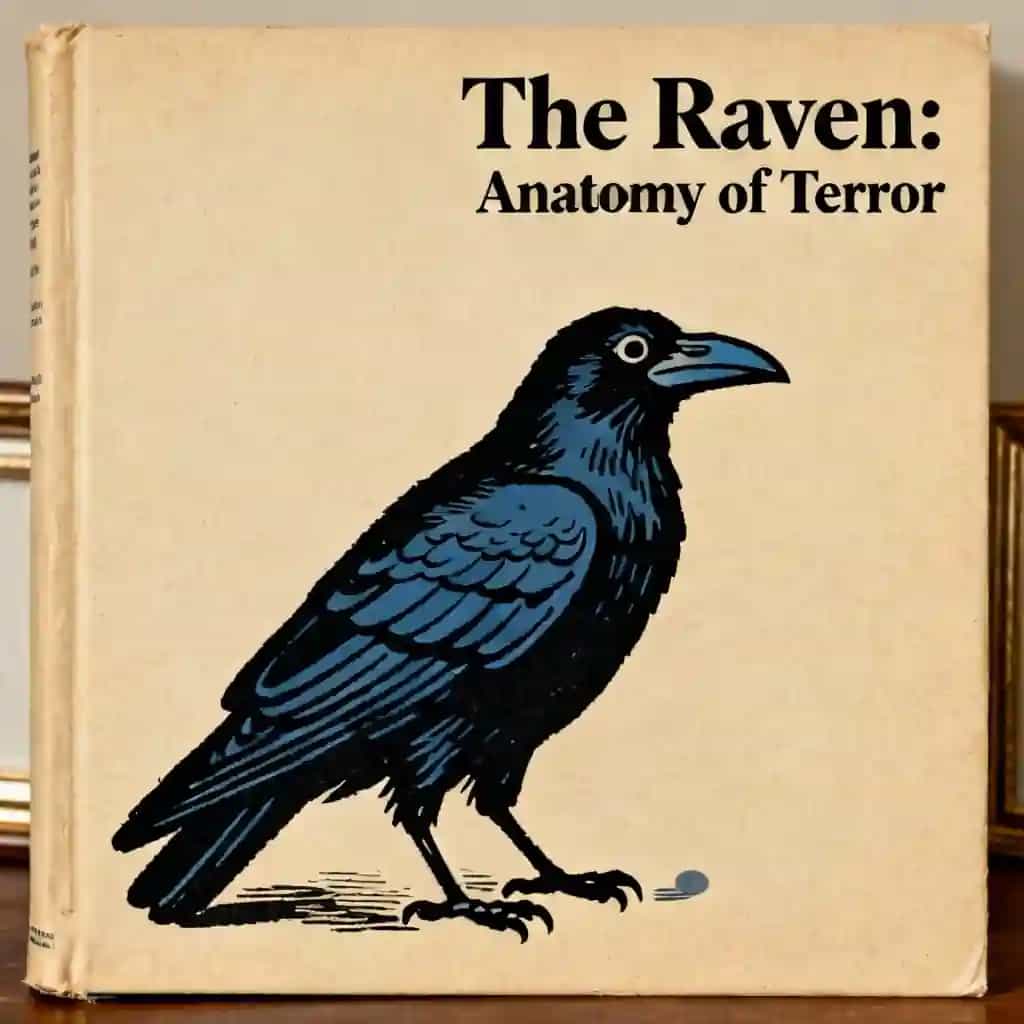
Horror and the Literary Divide: Is Horror High Art?
Explore the divide between horror and literary fiction. This episode challenges genre snobbery to reveal how horror serves as a profound study of the human condition.

Best quote from Horror and the Literary Divide: Is Horror High Art?
The divide between 'high' and 'low' art is often less about the content of the story and more about the packaging. We say a book has 'transcended' its genre when it’s actually just doing exactly what the genre was designed to do—only better.
Generated by Junaid
Create a 10‑min podcast on the blurry line between horror and "literary" fiction. Discuss three books praised for their prose (like Shirley Jackson's Haunting of Hill House) versus three dismissed as "just pulp." Ask whether the snobbery is valid, or if the genre's power lies in its grit.






Frequently Asked Questions
The perceived difference often stems from bookstore categorization and genre snobbery rather than the quality of storytelling. While literary fiction is frequently associated with minimalist covers and serious exploration of the human condition, horror is often dismissed as pulp or cheap thrills. However, this podcast argues that the line between them is blurry, as both genres can offer profound meditations on existence and the complexities of the human soul.
Horror is frequently labeled as pulp because of its vibrant, loud cover art and its primary goal of delivering visceral thrills. This categorization creates an invisible fence that separates it from 'serious' literature. The episode explores how this reputation is often a misunderstanding of the genre, suggesting that those who avoid horror based on these stereotypes may miss out on some of the most significant and deep reflections on life ever written.
Yes, the podcast suggests that horror can indeed be high art by tearing down the wall between storytelling categories. By examining the convergence of horror and literary fiction, the episode highlights that fear is a fundamental part of the human condition. When we look past the 'snobbery' of the literary world, we find that stories meant to make us shiver can be just as profound as those meant to make us weep.
The way we categorize stories often dictates what we allow ourselves to feel and which books we choose to pick up. If a reader views literary fiction as too dry or horror as too trashy, they limit their emotional and intellectual experiences. By breaking down these labels, readers can discover that horror provides a unique lens for exploring the human condition, offering insights that are just as valuable as those found in traditional literature.
From Columbia University alumni built in San Francisco
"Instead of endless scrolling, I just hit play on BeFreed. It saves me so much time."


"I never knew where to start with nonfiction—BeFreed’s book lists turned into podcasts gave me a clear path."


"Perfect balance between learning and entertainment. Finished ‘Thinking, Fast and Slow’ on my commute this week."
"Crazy how much I learned while walking the dog. BeFreed = small habits → big gains."
"Reading used to feel like a chore. Now it’s just part of my lifestyle."

"Feels effortless compared to reading. I’ve finished 6 books this month already."
"BeFreed turned my guilty doomscrolling into something that feels productive and inspiring."

"BeFreed turned my commute into learning time. 20-min podcasts are perfect for finishing books I never had time for."
"BeFreed replaced my podcast queue. Imagine Spotify for books — that’s it. 🙌"

"It is great for me to learn something from the book without reading it."
"The themed book list podcasts help me connect ideas across authors—like a guided audio journey."
"Makes me feel smarter every time before going to work"
From Columbia University alumni built in San Francisco
"Instead of endless scrolling, I just hit play on BeFreed. It saves me so much time."
"I never knew where to start with nonfiction—BeFreed’s book lists turned into podcasts gave me a clear path."
"Perfect balance between learning and entertainment. Finished ‘Thinking, Fast and Slow’ on my commute this week."
"Crazy how much I learned while walking the dog. BeFreed = small habits → big gains."
"Reading used to feel like a chore. Now it’s just part of my lifestyle."
"Feels effortless compared to reading. I’ve finished 6 books this month already."
"BeFreed turned my guilty doomscrolling into something that feels productive and inspiring."
"BeFreed turned my commute into learning time. 20-min podcasts are perfect for finishing books I never had time for."
"BeFreed replaced my podcast queue. Imagine Spotify for books — that’s it. 🙌"
"It is great for me to learn something from the book without reading it."
"The themed book list podcasts help me connect ideas across authors—like a guided audio journey."
"Makes me feel smarter every time before going to work"
"Instead of endless scrolling, I just hit play on BeFreed. It saves me so much time."
"I never knew where to start with nonfiction—BeFreed’s book lists turned into podcasts gave me a clear path."
"Perfect balance between learning and entertainment. Finished ‘Thinking, Fast and Slow’ on my commute this week."
"Crazy how much I learned while walking the dog. BeFreed = small habits → big gains."
"Reading used to feel like a chore. Now it’s just part of my lifestyle."
"Feels effortless compared to reading. I’ve finished 6 books this month already."
"BeFreed turned my guilty doomscrolling into something that feels productive and inspiring."
"BeFreed turned my commute into learning time. 20-min podcasts are perfect for finishing books I never had time for."
"BeFreed replaced my podcast queue. Imagine Spotify for books — that’s it. 🙌"
"It is great for me to learn something from the book without reading it."
"The themed book list podcasts help me connect ideas across authors—like a guided audio journey."
"Makes me feel smarter every time before going to work"
"Instead of endless scrolling, I just hit play on BeFreed. It saves me so much time."
"I never knew where to start with nonfiction—BeFreed’s book lists turned into podcasts gave me a clear path."
"Perfect balance between learning and entertainment. Finished ‘Thinking, Fast and Slow’ on my commute this week."
"Crazy how much I learned while walking the dog. BeFreed = small habits → big gains."
"Reading used to feel like a chore. Now it’s just part of my lifestyle."
"Feels effortless compared to reading. I’ve finished 6 books this month already."
"BeFreed turned my guilty doomscrolling into something that feels productive and inspiring."
"BeFreed turned my commute into learning time. 20-min podcasts are perfect for finishing books I never had time for."
"BeFreed replaced my podcast queue. Imagine Spotify for books — that’s it. 🙌"
"It is great for me to learn something from the book without reading it."
"The themed book list podcasts help me connect ideas across authors—like a guided audio journey."
"Makes me feel smarter every time before going to work"