The Ghost in the Strait
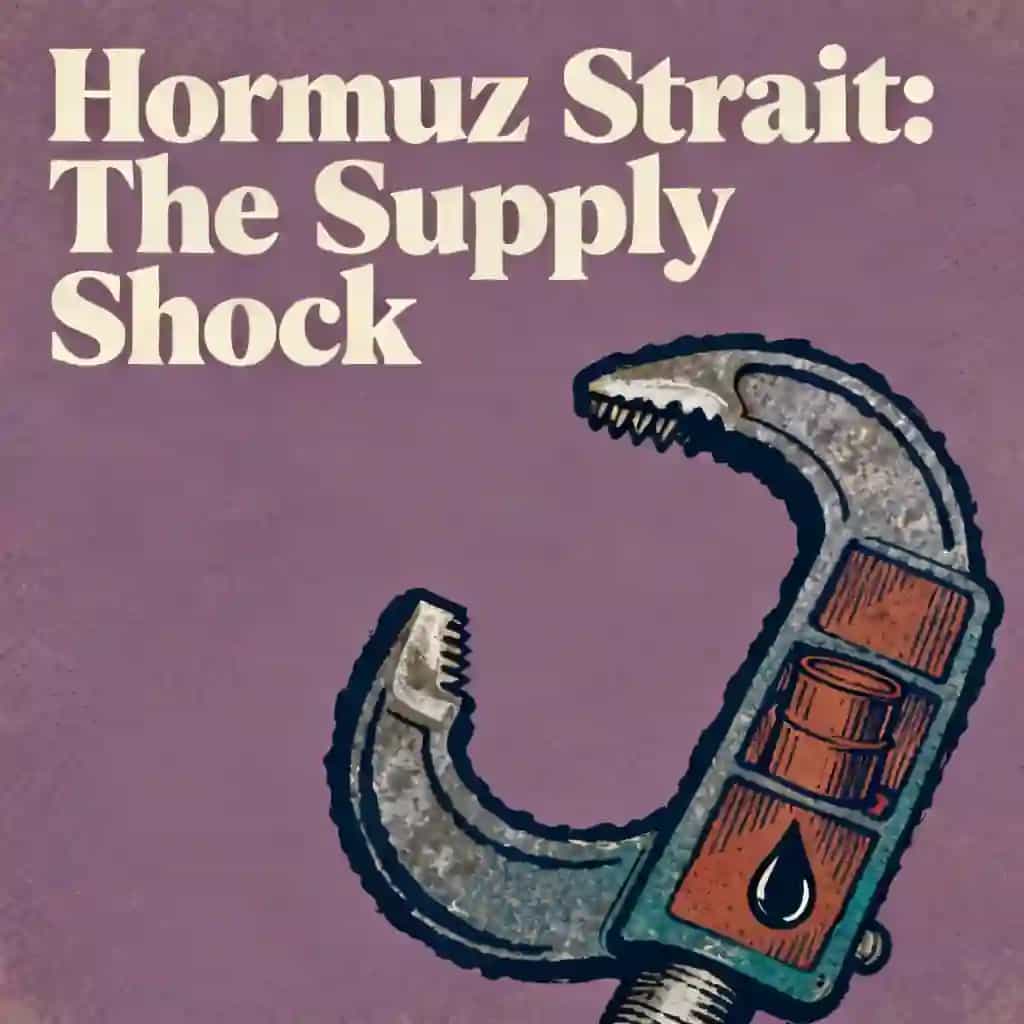
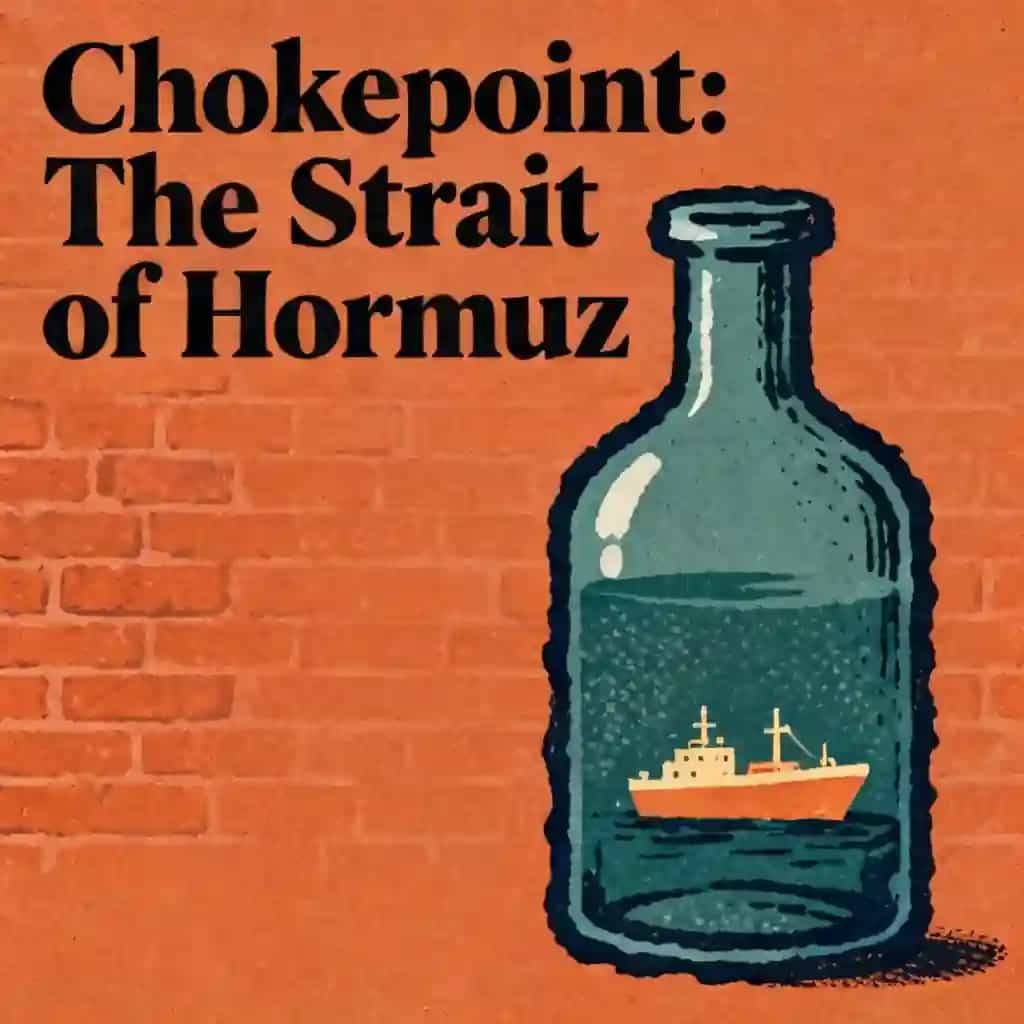
Nia: Have you ever looked at a map of the Middle East and noticed that tiny, hooked sliver of water between Iran and Oman? It’s the Strait of Hormuz—and right now, it’s the most expensive parking lot in the world. Imagine waking up to find that twenty percent of the world’s oil supply is suddenly behind a locked gate . That’s the reality we’re staring at as we move into 2027. You might think, "I don't own an oil tanker, why does this matter to me?" but the ripple effects are already hitting your bank account. We’re talking about a direct line from a naval standoff in the Gulf to the interest rate on your mortgage and the price of the gold in your retirement fund.
Cedric: It is a remarkable bottleneck, isn't it? Just yesterday, June 20th, 2026, reports surfaced that Iran has effectively closed the Strait citing ceasefire violations, though the U.S. is currently denying those reports . It creates this agonizing uncertainty. For you as an investor or even just someone trying to plan their financial future, this isn't just "geopolitics"—it’s a fundamental shift in how money moves globally. When that waterway gets choked, the cost of everything from gasoline to the silicon chips in your phone starts to climb because energy is the primary input for, well, everything.
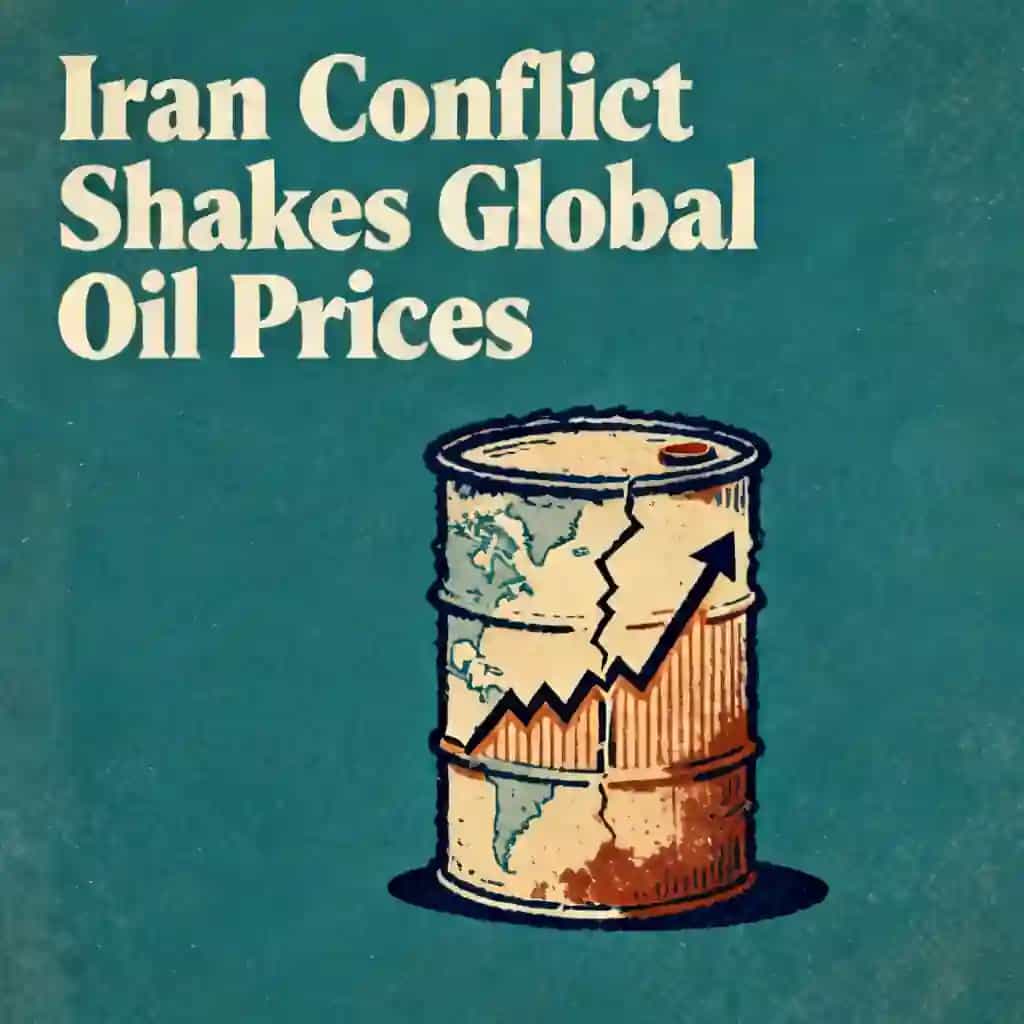
Nia: And that uncertainty is the real killer. Even if the ships start moving tomorrow, the "what if" is already baked into the markets. Analysts are now putting a sixty percent probability on renewed conflict involving Iran as we head into 2027 . That’s more than a coin flip that things are going to get messy again.
Cedric: Precisely. And that sixty percent chance is why we’re seeing such a strange tug-of-war in the markets. We have this tentative U.S.-Iran agreement that was supposed to lower the temperature, but nobody seems to believe it’s a lasting peace . It’s a "truce" in name only, and as we’ll explore today, that skepticism is exactly what’s driving the surge in gold and the hawkish stance of central banks.
Nia: So, if you're trying to figure out why your portfolio is acting weird or why the Fed isn't cutting rates as fast as you hoped, you need to understand the ghost in the Strait. Let’s break down how this one narrow passage is rewriting the economic playbook for 2027.