BeFreed
    Categories>Psychology>Hitos Cruciales del Desarrollo Infantil

    Hitos Cruciales del Desarrollo Infantil

    22 min
    |
    |
    Jan 17, 2026
    • Psychology
    • Education
    • Well-Being

    Un recorrido por las etapas fundamentales del desarrollo humano desde el nacimiento hasta la adolescencia, explorando los avances físicos, cognitivos, sociales y emocionales que marcan el crecimiento.

    Hitos Cruciales del Desarrollo Infantil
    0:00 / 0:00
    Choose how it's told

    One episode. Many ways to hear it.

    Same ideas from Hitos Cruciales del Desarrollo Infantil. Pick the voice, depth, and pace that fits you. Switch anytime.

    Transcript & chapters

    Chapter 1

    Building Blocks of Human Development

    Lena: ¡Hola a todos! Bienvenidos a nuestro episodio de hoy. Miles, estaba pensando en algo fascinante mientras venía hacia acá. ¿Sabías que un bebé de apenas 3 meses ya puede levantar la cabeza y el pecho cuando está boca abajo? Es increíble cómo los niños se desarrollan tan rápidamente en esos primeros años.

    Miles: ¡Es asombroso, Lena! Y lo que me parece más interesante es que cada etapa construye la base para la siguiente. Por ejemplo, ese control de la cabeza que mencionas es fundamental para que luego puedan sentarse, gatear y eventualmente caminar. El desarrollo infantil es como un edificio donde cada piso depende del anterior.

    Lena: Exactamente. Y muchos padres se preguntan si sus hijos están progresando adecuadamente, ¿verdad? Me imagino que debe ser estresante no saber si tu hijo está alcanzando los hitos esperados para su edad.

    Miles: Totalmente. Y aunque cada niño se desarrolla a su propio ritmo, hay ciertos patrones que los profesionales de la salud observan. Lo importante es entender que el desarrollo ocurre en múltiples áreas: física, cognitiva, social, emocional y del lenguaje. No es solo caminar o hablar.

    Lena: Eso me hace pensar... ¿Cuáles son realmente los hitos más importantes que los padres deberían observar? Porque hay tantos cambios sucediendo simultáneamente.

    Miles: Gran pregunta. Vamos a explorar los hitos fundamentales del desarrollo desde el nacimiento hasta la adolescencia, y lo que hace que cada etapa sea tan especial y crucial para el futuro de los niños.

    Chapter 2

    The Symphony of Early Growth

    Miles: You know, Lena, what really strikes me is how development in those first few years isn't just linear—it's like watching a symphony where different instruments join in at precisely the right moments. By 6 months, most babies can sit with support and start transferring objects from hand to hand. But here's the fascinating part: they're also beginning to show stranger anxiety, which means their social-emotional development is kicking into high gear.

    Lena: That's such a beautiful analogy! And it makes me think about how parents sometimes worry when their child seems to excel in one area but lag in another. Like, what if your 9-month-old is cruising along furniture but isn't babbling yet?

    Miles: Right, and that's where understanding the interconnectedness becomes so important. By 9 months, we typically see babies getting into a sitting position independently, using a pincer grasp to pick up small objects, and yes—making those "mamamama" and "babababa" sounds. But if one area seems delayed, it doesn't necessarily signal a problem. The brain is working on multiple fronts simultaneously.

    Lena: I love how you put that. It reminds me of something I read about how babies around this age start showing object permanence—you know, understanding that things still exist even when they can't see them. That peek-a-boo game suddenly becomes so much more meaningful!

    Miles: Absolutely! And by their first birthday, we're seeing this incredible convergence of skills. Most children can pull themselves to standing, walk while holding furniture, and here's what I find remarkable—they start using gestures intentionally. Waving bye-bye isn't just mimicking anymore; it's genuine communication.

    Lena: That transition from mimicking to intentional communication is huge, isn't it? It's like watching a little person emerge from a baby. And speaking of communication, what about language development during this period?

    Miles: Well, by 12 months, most children are saying "mama" or "dada" with meaning, and they understand simple commands like "no." But here's something that often surprises parents: the receptive language—what they understand—is developing much faster than expressive language—what they can say. A one-year-old might understand hundreds of words but only say a handful.

    Lena: That's fascinating! So parents shouldn't worry if their child seems to understand everything but isn't talking much yet?

    Miles: Exactly. The foundation is being built. And as we move into the toddler years, around 15 to 18 months, we see this explosion. Children start taking those first independent steps, which literally opens up their world. They can scribble with crayons, stack blocks, and most excitingly, they begin using words to request things and express their needs.

    Lena: I can imagine how empowering that must feel for a child—suddenly having the mobility and communication tools to explore and interact with their environment in completely new ways.

    Keep learning with this episode

    Take the ideas from this episode into a guided learning experience in BeFreed.

    Chapter 3

    The Toddler Revolution

    Miles: Lena, if the first year is about building foundations, then the toddler years are absolutely revolutionary. By 18 months, we're watching children walk independently, use spoons to feed themselves, and here's something that always amazes me—they start engaging in pretend play. You'll see them "talking" on toy phones or feeding dolls.

    Lena: Oh, I love watching toddlers at that stage! There's something magical about seeing them create these little scenarios. But I imagine this is also when parents start dealing with some challenging behaviors, right?

    Miles: You've hit the nail on the head! The terrible twos aren't called that for nothing. Around 24 months, children can run, kick balls, and climb stairs, but their emotional regulation is still developing. They have big feelings in little bodies, and they don't yet have the language skills to express complex emotions.

    Lena: So those tantrums are actually a sign of normal development in some ways?

    Miles: Absolutely. By age 2, most children can say at least 50 words and combine them into two-word phrases like "more milk" or "go outside." But imagine trying to communicate frustration, disappointment, or overstimulation with such limited vocabulary. The meltdowns make perfect sense from a developmental perspective.

    Lena: That's such a helpful way to frame it. What about the social aspects during this time? I know toddlers start playing alongside other children, but it's not really interactive play yet, is it?

    Miles: Right, we call that parallel play. They're interested in other children and will play near them, but they're not yet coordinating their play activities. However, they are developing empathy—you'll see a 2-year-old try to comfort another child who's crying, even if they don't fully understand what's wrong.

    Lena: And by 30 months, what kinds of leaps are we seeing?

    Miles: This is where things get really exciting. Children can jump with both feet, turn book pages one at a time, and use problem-solving skills—like getting a stool to reach something high. But perhaps most importantly, they're starting to follow simple routines and show early signs of self-regulation.

    Lena: It sounds like they're becoming little people with their own personalities and capabilities. What about language at this stage?

    Miles: By 30 months, most children have about 50 words in their vocabulary and can put together two-word sentences with action words—"doggie run" or "mama go." They're also starting to use pronouns like "I," "me," and "you," which shows they're developing a sense of self as separate from others.

    Lena: That sense of self must be so important for what comes next in their development.

    Chapter 4

    Preschool Mastery and Social Sophistication

    Miles: Absolutely, Lena! The preschool years, especially around age 3, are when we see children really coming into their own as social beings. They can put on some clothes by themselves, use forks, and most remarkably, they start noticing other children and actually joining them to play—not just playing nearby anymore.

    Lena: That shift from parallel to interactive play must open up so many learning opportunities. What else is happening cognitively at this stage?

    Miles: Well, by age 3, most children can draw circles when shown how, follow two-step instructions, and here's something fascinating—they start developing what we call "theory of mind." They begin to understand that other people have different thoughts and feelings than their own. You'll see this in their pretend play when they take on different roles.

    Lena: That's incredible! So when a 3-year-old is playing "house" or "doctor," they're actually practicing understanding different perspectives?

    Miles: Exactly! And their language development reflects this sophistication. They can have back-and-forth conversations, ask "who," "what," and "where" questions, and most of their speech is understandable to strangers. They're also starting to tell simple stories about their experiences.

    Lena: What about emotional development during the preschool years? Are we still seeing those big tantrums?

    Miles: The intensity typically decreases because their communication skills are so much better. By age 3, children can separate from caregivers more easily—like at daycare drop-off—and they're learning to share and take turns, though it's still a work in progress.

    Lena: And as we move toward age 4, what new capabilities emerge?

    Miles: Age 4 is fascinating because this is when we see children really mastering complex pretend play. They'll pretend to be teachers, superheroes, or animals, and they can sustain these scenarios for extended periods. They're also developing empathy—you'll see them comfort friends who are hurt or sad.

    Lena: That emotional intelligence seems so sophisticated for such young children.

    Miles: It really is! And physically, they're becoming much more coordinated. Four-year-olds can catch large balls, hop on one foot, and hold crayons with a proper grip between their fingers and thumb. They're also starting to understand and follow rules, which makes group activities much more possible.

    Lena: What about their cognitive abilities at this age?

    Miles: By age 4, children can name several colors, tell you what comes next in familiar stories, and draw people with at least three body parts. They're also asking wonderfully complex questions and can answer simple questions about the purpose of everyday objects—like "What is a coat for?"

    Lena: It sounds like they're really becoming little scientists, exploring and trying to understand how the world works.

    Miles: That's such a perfect way to put it! And as we approach age 5, we see the culmination of all these developing skills preparing children for the next major transition—school readiness.

    Keep learning with this episode

    Take the ideas from this episode into a guided learning experience in BeFreed.

    Chapter 5

    School Readiness and the Five-Year Milestone

    Lena: Miles, when we talk about school readiness, I imagine it's about so much more than just knowing letters and numbers, right?

    Miles: Absolutely, Lena! By age 5, children need a whole constellation of skills. Physically, they can hop on one foot, button buttons, and have the fine motor control to write some letters from their name. But the social-emotional skills are equally crucial—they need to follow rules, take turns, and manage their emotions in group settings.

    Lena: That makes sense. A child might know all their letters, but if they can't sit still for story time or share materials with classmates, they're going to struggle in a classroom environment.

    Miles: Exactly! And what's remarkable is how integrated all these skills become by age 5. Children can tell stories with multiple events, keep conversations going with several back-and-forth exchanges, and use time-related words like "yesterday" and "tomorrow." They're also developing what we call sustained attention—they can focus on activities like story time or art projects for 5 to 10 minutes.

    Lena: That attention span development seems crucial. What about their cognitive abilities at this stage?

    Miles: Five-year-olds can count to 10, name numbers when you point to them, and recognize some letters. They're also developing early literacy skills like recognizing rhymes and understanding that words are made up of sounds. These phonological awareness skills are fundamental for reading success.

    Lena: And socially, how are they functioning in groups?

    Miles: This is where we see real sophistication. Five-year-olds can do simple chores at home, like clearing the table or matching socks. They understand rules and fairness, and they can engage in elaborate fantasy play with multiple children. They're also much better at regulating their emotions and solving conflicts through words rather than physical actions.

    Lena: It's amazing how much growth happens in just those first five years. But what happens when children don't reach these milestones on schedule?

    Miles: That's such an important question. While every child develops at their own pace, significant delays or missing multiple milestones can indicate the need for additional support. The key is early identification and intervention. Research shows that children who receive appropriate support early have much better outcomes.

    Lena: So parents should trust their instincts if something seems off?

    Miles: Absolutely. Parents know their children best. If a child isn't meeting milestones, has lost skills they once had, or if parents have concerns, it's important to talk with healthcare providers and ask about developmental screening. The American Academy of Pediatrics recommends specific screening ages—9, 18, and 30 months for general development, and 18 and 24 months for autism screening.

    Lena: And there are resources available for families who need support?

    Miles: Yes, every state has early intervention programs for children from birth to age 3, and special education services for children 3 and older. The sooner children receive appropriate support, the better their outcomes. It's all about building on their strengths while addressing areas of need.

    Chapter 6

    The Adolescent Brain Revolution

    Lena: Now Miles, we've covered those crucial early years, but I think we need to talk about what might be the most dramatic developmental period of all—adolescence. The teenage brain is undergoing some pretty incredible changes, isn't it?

    Miles: Oh absolutely, Lena! If the early years are about building foundations, adolescence is about major renovation. What's happening in the teenage brain is actually quite remarkable. The prefrontal cortex—that's the area responsible for decision-making, impulse control, and planning—isn't fully mature until around age 25.

    Lena: Wait, so when teenagers make impulsive decisions or take risks, it's not just rebellion—there's actually a biological basis for this?

    Miles: Exactly! The limbic system, which processes emotions and rewards, develops much faster than the prefrontal cortex. So teenagers literally feel emotions more intensely and are more drawn to novel, exciting experiences, but they don't yet have the fully developed "brakes" to moderate those impulses.

    Lena: That explains so much about teenage behavior! What about the physical changes during this time?

    Miles: Puberty brings massive physical transformations, of course, but there are also significant changes in sleep patterns. Teenagers' circadian rhythms actually shift—they naturally want to stay up later and sleep in later. This isn't laziness; it's biology. Their brains are releasing melatonin later in the evening than children or adults.

    Lena: So when schools start at 7:30 AM and teenagers are struggling to wake up, we're actually fighting against their natural biology?

    Miles: That's right! And this sleep shift affects everything—mood, attention, academic performance, and even physical health. Some school districts that have shifted to later start times have seen improvements in attendance, grades, and even reduced car accidents among teen drivers.

    Lena: What about cognitive development during adolescence? Are teenagers actually capable of the complex thinking we expect from them?

    Miles: This is where it gets interesting. Teenagers are capable of incredibly sophisticated abstract thinking, hypothetical reasoning, and moral reasoning. In many ways, their cognitive abilities rival those of adults. The challenge is that their emotional and social brains are still developing, so they might make brilliant arguments about social justice but struggle with managing their own emotions or peer relationships.

    Lena: And speaking of peer relationships, how important are those during this developmental stage?

    Miles: Peer relationships become absolutely central during adolescence. This isn't just about social life—it's a crucial developmental task. Teenagers are figuring out their identity separate from their families, and peer groups provide a safe space to experiment with different aspects of themselves. The drive to fit in and be accepted by peers is incredibly strong because it serves an important developmental function.

    Lena: But this can also lead to risky behaviors when teens are trying to impress their friends, right?

    Miles: Unfortunately, yes. The combination of heightened reward sensitivity, still-developing impulse control, and intense peer influence can create a perfect storm for risk-taking. However, it's important to remember that this same neuroplasticity—the brain's ability to change and adapt—also makes adolescence a time of tremendous opportunity for positive growth and learning.

    Keep learning with this episode

    Take the ideas from this episode into a guided learning experience in BeFreed.

    Chapter 7

    Your Practical Development Playbook

    Lena: Alright Miles, so we've covered this incredible journey from those first months to the teenage years. But I know our listeners are thinking, "This is fascinating, but what do I actually do with this information?" Let's give them some practical strategies they can use right away.

    Miles: Great point, Lena! Let's start with the early years. For parents of infants and toddlers, the most important thing is responsive interaction. Talk to your baby constantly—narrate what you're doing, describe what you see, respond to their sounds and gestures. This back-and-forth interaction is literally building their brain architecture.

    Lena: And what about reading? I know that's always emphasized, but how early should parents start?

    Miles: You can start reading to babies from birth! It's not about them understanding the words initially—it's about the rhythm of language, the bonding experience, and building positive associations with books. By the time children are toddlers, make reading interactive. Ask questions, point to pictures, let them turn pages. You're building pre-literacy skills without them even realizing it.

    Lena: What about play? We talked about how important pretend play is for development.

    Miles: Play is a child's work, as they say! For toddlers and preschoolers, provide open-ended materials—blocks, art supplies, dress-up clothes, household items they can safely explore. The key is following their lead. If they want to pretend the blocks are food, go with it! You're supporting their creativity, language development, and problem-solving skills all at once.

    Lena: And for parents who are worried about screen time—what's the guidance there?

    Miles: The American Academy of Pediatrics recommends avoiding screens for children under 18 months, except for video chatting. For 18 to 24 months, if you choose to introduce screens, watch together and help them understand what they're seeing. For preschoolers, limit to one hour of high-quality programming per day, and again, co-viewing is key.

    Lena: What about when children aren't meeting milestones? How should parents approach that?

    Miles: Trust your instincts, but also remember that development happens in spurts and plateaus. If you're concerned, document what you're observing and talk to your child's healthcare provider. Don't wait and see—early intervention is most effective. Many states have free developmental screenings available, and early intervention services can make a tremendous difference.

    Lena: And for parents of teenagers—any specific strategies for navigating those challenging years?

    Miles: Remember that the teenage brain is still developing, so approach conflicts with empathy rather than frustration. Set clear, consistent boundaries, but also give them opportunities to practice decision-making in safe environments. Most importantly, maintain connection. Even when they seem to push you away, teenagers still need their parents—they just need them differently.

    Lena: What about supporting their sleep needs?

    Miles: This is huge! Help teenagers establish good sleep hygiene—consistent bedtime routines, limiting screens before bed, keeping bedrooms cool and dark. If possible, advocate for later school start times in your community. And be understanding when they struggle with early morning schedules—it's not defiance, it's biology.

    Lena: Any final practical tips for parents across all these developmental stages?

    Miles: Be present and engaged, but don't feel like you need to be constantly entertaining or teaching. Children learn through everyday interactions and experiences. Also, take care of yourself—your own emotional regulation affects your child's development. And remember, every child is unique. These milestones are guidelines, not rigid timelines.

    Chapter 8

    Celebrating the Journey of Growing Up

    Lena: Miles, as we bring this conversation to a close, I'm struck by how miraculous this whole process really is. From that tiny newborn who can barely hold their head up to a teenager capable of complex moral reasoning—it's truly extraordinary.

    Miles: It really is, Lena. And I think one of the most important things for our listeners to remember is that development isn't just about reaching milestones—it's about celebrating each child's unique journey. Every child brings their own temperament, interests, and pace to this process.

    Lena: Absolutely. And what I find so hopeful is that the brain's capacity for growth and change continues throughout life. Even when children face challenges or delays, there's always potential for growth and development with the right support.

    Miles: That's such a crucial point. The research on neuroplasticity shows us that brains can adapt and rewire themselves in response to experience. This means that with appropriate intervention, support, and enriching experiences, children can overcome many early challenges and reach their full potential.

    Lena: And for parents who might be feeling overwhelmed by all this information, what would you want them to take away?

    Miles: I'd want them to know that being a loving, responsive caregiver is the most important thing they can do. You don't need expensive toys or elaborate activities—children thrive on connection, consistency, and feeling safe and loved. Trust your instincts, enjoy the process, and don't hesitate to seek support when you need it.

    Lena: I love that message. It reminds us that development happens in the context of relationships. Children don't develop in isolation—they grow through their interactions with the people who care about them.

    Miles: Exactly. And whether we're talking about a 6-month-old learning to sit up or a 16-year-old learning to drive, the process is always supported by caring adults who provide guidance, encouragement, and safety nets when needed.

    Lena: So to everyone listening, whether you're a parent, grandparent, teacher, or anyone who cares about children—you're part of this incredible developmental journey. Every interaction matters, every moment of connection contributes to a child's growth and future potential.

    Miles: Well said, Lena. And remember, if you ever have concerns about a child's development, don't hesitate to reach out to healthcare providers or early intervention services. The earlier we can identify and address any challenges, the better the outcomes for children.

    Lena: Thank you so much for joining us today, everyone. We hope this conversation has given you new insights into the amazing process of human development. If you found this helpful, we'd love to hear from you—share your thoughts, questions, or your own experiences with child development.

    Miles: Until next time, keep celebrating those developmental milestones, big and small. Every step forward is worth acknowledging and cherishing.

    Lena: ¡Hasta la próxima!

    ★★★★★

    You made it to the end of Hitos Cruciales del Desarrollo Infantil

    “23 days in and I have used it every single day. It is part of my daily habit now.”

    jayallen

    Best quote from Hitos Cruciales del Desarrollo Infantil

    “

    The development of a child is like a building where each floor depends on the one before it; it's a symphony where different instruments join in at precisely the right moments across physical, cognitive, social, and emotional areas.

    ”
    A

    Generated by Alicia

    Input question

    Hola, necesito que me hables sobre los principales Hitos del desarrollo en la infancia y juventud. A nivel de lenguaje, cognitivo, motor, etc
    Host voices
    Lenaplay
    Milesplay
    Knowledge sources
    Wonder Weeks
    Blame My Brain Amazing Teenage Brain
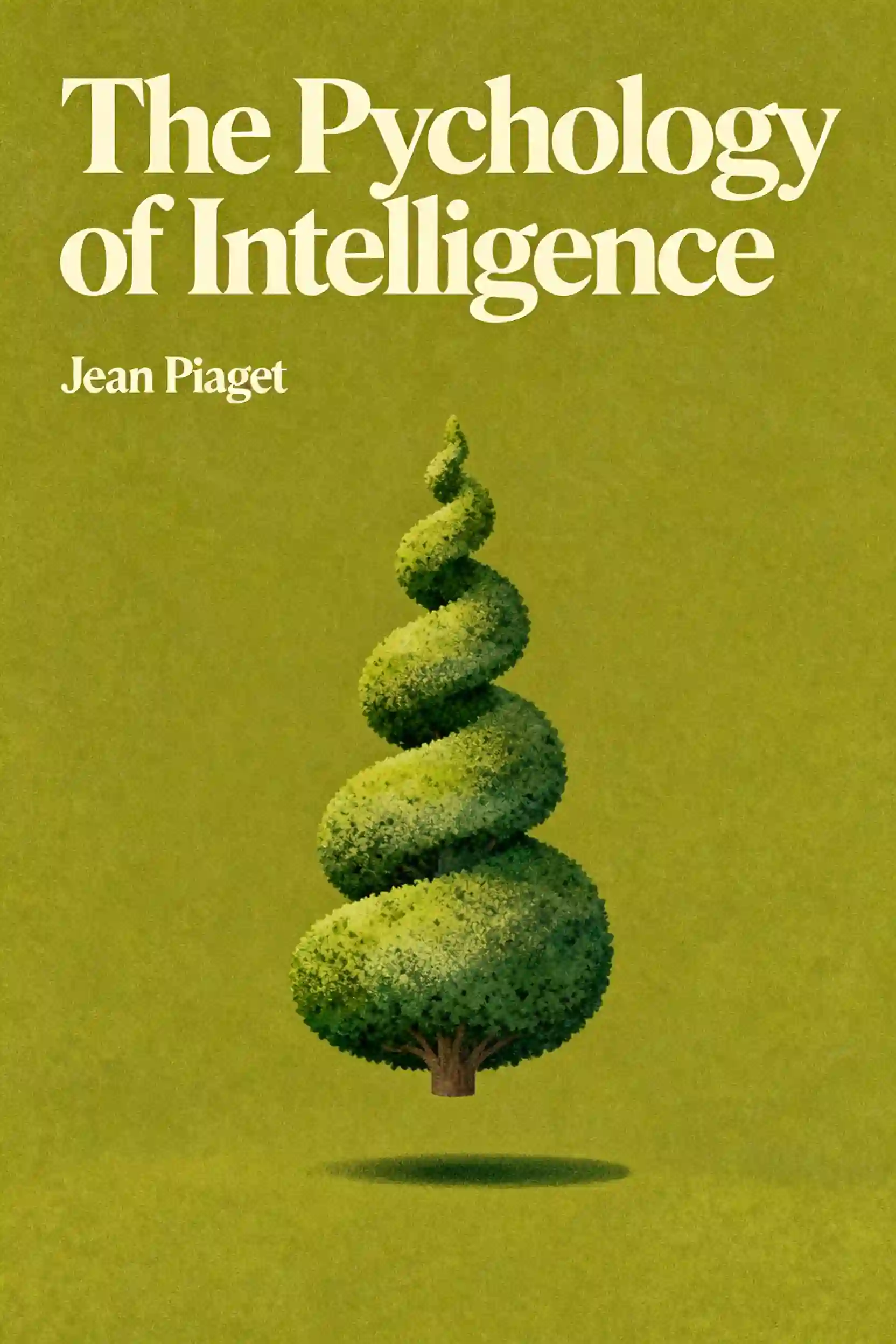
    The psychology of intelligence
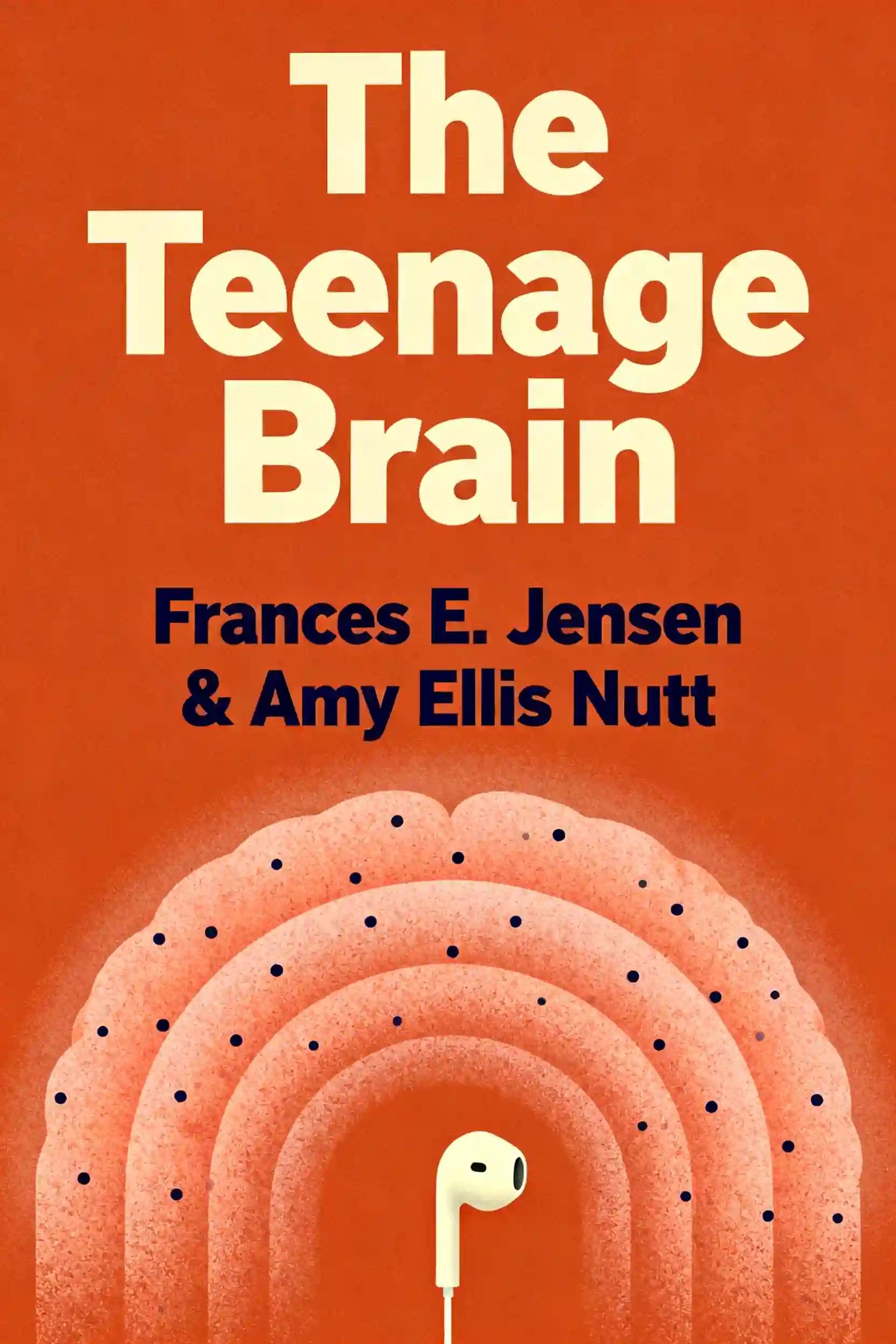
    The Teenage Brain
    Brainstorm
    The Wonder Weeks

    From Columbia University alumni | built in San Francisco

    BeFreed Brings Together A Global Community Of Curious Minds

    4.7

    avg rating

    7.84k+ App Rating

    BeFreed Community

    Seriously I haven’t even explored this app fully yet but from using it the last few days I am so impressed... BeFreed is on a different level from any other learning app I have used. This makes it ultra engaging and can actually improve your concentration which is great for all the doom scrollers!

    @ladyInfinity

    I bought BeFreed exactly 23 days ago, and I have used it every single day since. It has completely embedded itself into my daily workflow and learning habit.

    @jayallen

    The truth is, the app has exceeded all my expectations. I can ask it to generate audio on any topic, whatever it may be, and the result is impressive. My professional field is a specialization in psychotherapy and it is multidisciplinary; however, the answers are very accurate.

    @Raguipa

    What I appreciate most is how much it's reduced my scrolling – I'm spending less time searching and more time absorbing information. The combination of full audiobooks, podcasts, the learning plans are brilliant.

    @colonyofcreatorsNGO

    I have been a PhotoReading Accelerated Learning Instructor for the past 24 years... books and reading and learning are my thing, and BeFreed has done a great job in providing an innovative approach to disseminating and delivering information in an easy to consume way.

    @BeFreed user

    It is not just a book summary app, I have used the 'fun reading' option and it's a much better summary and way to grasp ideas the traditional way, that alone is worth this deal.

    @austinakon

    I love this app. Used it for several days and I cannot stop listening. Such a great way to start.

    @jcrules328

    I really like the program; I have already tested it for around one month, and I feel that it's an amazing gem. It works so well because I can use BeFreed to create my own topics, and the voice is so good with unlimited choice of narrations.

    @DanielCZ

    Seriously I haven’t even explored this app fully yet but from using it the last few days I am so impressed... BeFreed is on a different level from any other learning app I have used. This makes it ultra engaging and can actually improve your concentration which is great for all the doom scrollers!

    @ladyInfinity

    I bought BeFreed exactly 23 days ago, and I have used it every single day since. It has completely embedded itself into my daily workflow and learning habit.

    @jayallen

    The truth is, the app has exceeded all my expectations. I can ask it to generate audio on any topic, whatever it may be, and the result is impressive. My professional field is a specialization in psychotherapy and it is multidisciplinary; however, the answers are very accurate.

    @Raguipa

    What I appreciate most is how much it's reduced my scrolling – I'm spending less time searching and more time absorbing information. The combination of full audiobooks, podcasts, the learning plans are brilliant.

    @colonyofcreatorsNGO

    I have been a PhotoReading Accelerated Learning Instructor for the past 24 years... books and reading and learning are my thing, and BeFreed has done a great job in providing an innovative approach to disseminating and delivering information in an easy to consume way.

    @BeFreed user

    It is not just a book summary app, I have used the 'fun reading' option and it's a much better summary and way to grasp ideas the traditional way, that alone is worth this deal.

    @austinakon

    I love this app. Used it for several days and I cannot stop listening. Such a great way to start.

    @jcrules328

    I really like the program; I have already tested it for around one month, and I feel that it's an amazing gem. It works so well because I can use BeFreed to create my own topics, and the voice is so good with unlimited choice of narrations.

    @DanielCZ

    I love the fact that I can get useful, condensed, information and ideas in a 8 - 15 minute podcast style audio. I'm not a general fan of podcasts because of all the fluff, but this cuts through all that.

    @BeFreed user

    I am finishing up my doctorate, and have to read a lot of unfamiliar material... With BeFreed, you simply enter a prompt, and the app finds source material for you and generates an audio podcast. I find the process in BeFreed to be more streamlined than NotebookLM.

    @Brad

    I often search YouTube for something to listen to whilst making breakfast, when I'm out walking, commuting, etc, and BeFreed has provided an even more targeted approach, without the adverts and the fluff!

    @BeFreed user

    The absolute best part about this platform is its versatility. There is literally no subject that is off-topic. It handles whatever you throw at it... It is rare to find an learning tool with zero limitations that actually delivers on its promises.

    @jayallen

    BeFreed is fantastic. The user-friendly design means I spend less time navigating and more time learning. The mix of audiobooks, podcasts, and learning plans is a genius combo that has completely changed my daily routine.

    @BeFreed user

    At the start I needed a while to understand how to create podcasts in italian language and boom! It is so great! I can ask to explain every argument and it does so well and so smartly!

    @matteo77

    BeFreed has become my daily app for audio books tools... What I like the most is the way you put your text and come with an audio that you can listen on the go.

    @kotanzu1

    I love the fact that I can get useful, condensed, information and ideas in a 8 - 15 minute podcast style audio. I'm not a general fan of podcasts because of all the fluff, but this cuts through all that.

    @BeFreed user

    I am finishing up my doctorate, and have to read a lot of unfamiliar material... With BeFreed, you simply enter a prompt, and the app finds source material for you and generates an audio podcast. I find the process in BeFreed to be more streamlined than NotebookLM.

    @Brad

    I often search YouTube for something to listen to whilst making breakfast, when I'm out walking, commuting, etc, and BeFreed has provided an even more targeted approach, without the adverts and the fluff!

    @BeFreed user

    The absolute best part about this platform is its versatility. There is literally no subject that is off-topic. It handles whatever you throw at it... It is rare to find an learning tool with zero limitations that actually delivers on its promises.

    @jayallen

    BeFreed is fantastic. The user-friendly design means I spend less time navigating and more time learning. The mix of audiobooks, podcasts, and learning plans is a genius combo that has completely changed my daily routine.

    @BeFreed user

    At the start I needed a while to understand how to create podcasts in italian language and boom! It is so great! I can ask to explain every argument and it does so well and so smartly!

    @matteo77

    BeFreed has become my daily app for audio books tools... What I like the most is the way you put your text and come with an audio that you can listen on the go.

    @kotanzu1

    See more on how BeFreed is discussed
    129.7K19.5K
    55.2K19.2K
    154.2K10827355
    48.1K2.5K
    81.2K6.6K
    82.3K1.8K
    Start your learning journey, now
    BeFreed app
    BeFreed

    Learn Anything, Personalized

    DiscordLinkedIn
    Featured book summaries
    Crucial ConversationsThe Perfect MarriageInto the WildNever Split the DifferenceAttachedGood to GreatSay Nothing
    Trending categories
    Self HelpCommunication SkillRelationshipMindfulnessPhilosophyInspirationProductivity
    Celebrities' reading list
    Elon MuskCharlie KirkBill GatesSteve JobsAndrew HubermanJoe RoganJordan Peterson
    Award winning collection
    Pulitzer PrizeNational Book AwardGoodreads Choice AwardsNobel Prize in LiteratureNew York TimesCaldecott MedalNebula Award
    Featured Topics
    ManagementAmerican HistoryWarTradingStoicismAnxietySex
    Best books by Year
    2025 Best Non Fiction Books2024 Best Non Fiction Books2023 Best Non Fiction Books
    Featured authors
    Chimamanda Ngozi AdichieGeorge OrwellO. J. SimpsonBarbara O'NeillWinston ChurchillCharlie Kirk
    BeFreed vs other apps
    BeFreed vs. Other Book Summary AppsBeFreed vs. ElevenReaderBeFreed vs. ReadwiseBeFreed vs. Anki
    Learning tools
    Knowledge VisualizerAI Podcast Generator
    Information
    About Usarrow
    Pricingarrow
    FAQarrow
    Blogarrow
    Careerarrow
    Partnershipsarrow
    Ambassador Programarrow
    Directoryarrow
    BeFreed
    Try now
    © 2026 BeFreed
    Term of UsePrivacy Policy
    BeFreed

    Learn Anything, Personalized

    DiscordLinkedIn
    Featured book summaries
    Crucial ConversationsThe Perfect MarriageInto the WildNever Split the DifferenceAttachedGood to GreatSay Nothing
    Trending categories
    Self HelpCommunication SkillRelationshipMindfulnessPhilosophyInspirationProductivity
    Celebrities' reading list
    Elon MuskCharlie KirkBill GatesSteve JobsAndrew HubermanJoe RoganJordan Peterson
    Award winning collection
    Pulitzer PrizeNational Book AwardGoodreads Choice AwardsNobel Prize in LiteratureNew York TimesCaldecott MedalNebula Award
    Featured Topics
    ManagementAmerican HistoryWarTradingStoicismAnxietySex
    Best books by Year
    2025 Best Non Fiction Books2024 Best Non Fiction Books2023 Best Non Fiction Books
    Learning tools
    Knowledge VisualizerAI Podcast Generator
    Featured authors
    Chimamanda Ngozi AdichieGeorge OrwellO. J. SimpsonBarbara O'NeillWinston ChurchillCharlie Kirk
    BeFreed vs other apps
    BeFreed vs. Other Book Summary AppsBeFreed vs. ElevenReaderBeFreed vs. ReadwiseBeFreed vs. Anki
    Information
    About Usarrow
    Pricingarrow
    FAQarrow
    Blogarrow
    Careerarrow
    Partnershipsarrow
    Ambassador Programarrow
    Directoryarrow
    BeFreed
    Try now
    © 2026 BeFreed
    Term of UsePrivacy Policy

    More like this

    Navegando los Hitos del Desarrollo Infantil book cover
    The Wonder WeeksThe Psychology of IntelligencePreparing Children for Success in School and LifeThe Sears Baby Book, Revised Edition
    19 sources
    Navegando los Hitos del Desarrollo Infantil
    Exploramos las etapas clave del desarrollo desde la infancia hasta la adolescencia, cubriendo habilidades motoras, lenguaje, cognición y desarrollo socioemocional para ayudarte a entender el fascinante viaje de crecimiento.
    22 min
    Hitos Cognitivos y del Lenguaje: Guía Rigurosa book cover
    The Wonder WeeksThe Psychology of IntelligenceThe Wonder WeeksThe Sears Baby Book, Revised Edition
    15 sources
    Hitos Cognitivos y del Lenguaje: Guía Rigurosa
    Un análisis detallado de las fases del desarrollo infantil desde una perspectiva psicológica, enfocado en detectar variaciones normales versus señales de alerta que requieren intervención profesional.
    25 min
    Understanding Young Minds: Child Psychology Insights book cover
    The Psychology of IntelligenceThe Wonder WeeksBecoming AttachedTheories of Childhood
    21 sources
    Understanding Young Minds: Child Psychology Insights
    Explore the critical developmental window where most mental health issues emerge and discover evidence-based approaches to support children's psychological well-being during these formative years.
    42 min
    Unresolved: How Childhood Stages Shape Adult Patterns book cover
    Erikson's Stages of Psychosocial Development: A Comprehensive Overview * Psychology TownUnderstanding Erikson's Psychosocial Development Stages * Psychology TownErikson's Stages of Psychosocial Development: A Lifespan Perspective for Therapistssource 4
    6 sources
    Unresolved: How Childhood Stages Shape Adult Patterns
    Explore how Erik Erikson's developmental stages create lasting thought patterns and behaviors when unresolved. Discover the hidden connections between early experiences and adult struggles with trust, identity, and relationships.
    7 min
    Pediatrics: Protecting the Path of Growth book cover
    5 sources
    Pediatrics: Protecting the Path of Growth
    Children aren't just small adults; their health is a moving target. Learn to navigate pediatric disorders and the family-centered approach to care.
    22 min
    Childhood Wounds, Adult Struggles book cover
    Toxic ParentsComplex PTSDThe Boy Who Was Raised as a DogAdult Children of Emotionally Immature Parents
    14 sources
    Childhood Wounds, Adult Struggles
    Exploring how early trauma—from parental conflict to physical abuse—shapes adult psychology, including addiction and identity formation, while offering pathways toward healing and breaking inherited cycles of pain.
    12 min
    The Floortime Roadmap: Building Emotional Foundations book cover
    Home of DIRFloortime® (Floortime) - Child DevelopmentFEDC Resource - Single PageWhat Is Greenspan Floortime? A Complete Introduction to DIR/FloortimeThe D in the DIR® Model: Development | Affect Autism: We chose play
    8 sources
    The Floortime Roadmap: Building Emotional Foundations
    Beyond rigid milestones lies a deeper way to connect. Learn how following a child's lead builds the emotional fuel for lifelong growth and logic.
    1262 min
    The Making of You book cover
    The Making of You
    Katharina Vestre
    A captivating journey through human development, from conception to birth, blending science and storytelling to reveal our origins.
    29 min

    Recommended Learning Plans

    Ontogenia: Del Cigoto a la Niñez Temprana
    LEARNING PLAN

    Ontogenia: Del Cigoto a la Niñez Temprana

    Este plan de aprendizaje es fundamental para entender las bases biológicas y ambientales que moldean el desarrollo humano temprano. Es ideal para estudiantes de psicología, medicina y educación que buscan dominar la ontogenia desde una perspectiva clínica y evolutiva.

    1 h 36 m•4 Sections
    The Adolescent Transition: From Biology to Identity
    LEARNING PLAN

    The Adolescent Transition: From Biology to Identity

    This learning plan provides a comprehensive look at the fundamental shifts that define the teenage years. It is essential for educators, parents, and mentors seeking to bridge the gap between biological changes and the search for personal identity.

    1 h 30 m•3 Sections
    Maximize kids' growth, happiness & wellbeing
    LEARNING PLAN

    Maximize kids' growth, happiness & wellbeing

    This plan is essential for parents and caregivers seeking a science-backed approach to child-rearing. It bridges the gap between developmental psychology and practical daily parenting to ensure children thrive from infancy through adolescence.

    5 h 47 m•4 Sections
    Lifespan Development: The Academic Seminar
    LEARNING PLAN

    Lifespan Development: The Academic Seminar

    This seminar provides a comprehensive academic foundation for understanding the psychological and social evolution of humans from birth to old age. It is ideal for students, educators, or professionals in social sciences seeking to master the theoretical frameworks of life transitions.

    3 h•4 Sections
    Eneagrama infantil para educadores
    LEARNING PLAN

    Eneagrama infantil para educadores

    Este plan es esencial para educadores que buscan entender las raíces del comportamiento infantil desde una perspectiva profunda y humana. Permite transformar el aula mediante un acompañamiento emocional que respeta la esencia y el carácter de cada alumno.

    2 h 12 m•4 Sections
    Becoming a better parent
    LEARNING PLAN

    Becoming a better parent

    Parenting is one of life's most important roles, yet most of us receive no formal training for it. This learning plan provides evidence-based strategies grounded in child development research and psychology to help parents build stronger connections, handle challenges effectively, and raise emotionally healthy children. It's ideal for parents at any stage—from those with young children seeking a strong foundation to those navigating the turbulent teenage years.

    4 h 37 m•4 Sections
    Psicologia per la crescita personale
    LEARNING PLAN

    Psicologia per la crescita personale

    Questo percorso è essenziale per chiunque si senta bloccato da indecisione o dal timore del giudizio esterno. È ideale per professionisti e individui che desiderano applicare basi scientifiche alla propria evoluzione personale per agire con maggiore consapevolezza.

    2 h 18 m•3 Sections
    History
    LEARNING PLAN

    History

    This plan provides a comprehensive foundation for understanding how the past informs our present. It is ideal for students, researchers, or curious minds looking to develop critical thinking skills and a global perspective on human development.

    4 h 6 m•4 Sections