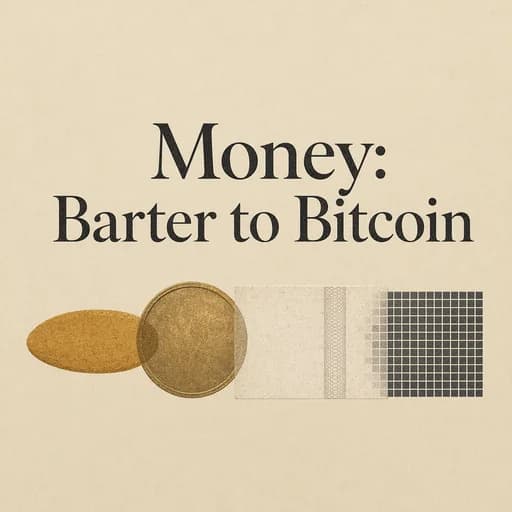
Explore the history of money and the evolution of trade, from the barter system and the double coincidence of wants to the development of value placeholders.
Best quote from The History of Money: From Barter to Bitcoin and Trade Evolution
“
Money is, at its heart, a tool that allows us to trade goods and services indirectly, helping us communicate the price of things and store our hard earned wealth for the future. It acts as a socially accepted standard—a unit of account that everyone agrees to honor.
”
F
Generated by Freeeee
Input question
Coin economy smoke test: the history of money in 3 minutes
The double coincidence of wants is a logistical nightmare and fundamental friction that existed before the invention of money. In a barter system, a trade can only occur if you find a specific person who possesses the item you need and simultaneously wants the item you have to offer. Money was eventually invented as a technology to solve this direct trade problem, allowing for more efficient exchange without the need for a perfect match between two trading partners.
The barter system was a direct trade system that dominated human history for thousands of years. It relied on the exchange of physical goods, such as trading a healthy sheep for a stone axe. Because this system required finding someone with a specific mutual need, it served as the primary method of commerce long before humans developed the concept of using metal discs, digital digits, or other placeholders for value to facilitate easier transactions.
The evolution of trade is an eleven-thousand-year journey that has fundamentally reshaped how humans interact with one another. As we built larger cities and began trading across vast distances, our methods of exchange grew and changed to meet new demands. From ancient village bartering to tapping a phone for a coffee today, the history of money represents a technology that took ten millennia to refine, moving from dusty coins to sophisticated digital systems.
Money is considered a technology because it was specifically invented to solve the friction of direct trade and the inefficiencies of the barter system. It acts as a placeholder for value that has been refined over ten thousand years to facilitate human cooperation. Understanding economic history involves seeing money not just as a modern convenience, but as a tool that has evolved alongside human civilization to enable complex trading across the globe.
From Columbia University alumni | built in San Francisco
BeFreed Brings Together A Global Community Of Curious Minds
4.7
avg rating
7.84k+ App Rating
BeFreed Community
Seriously I haven’t even explored this app fully yet but from using it the last few days I am so impressed... BeFreed is on a different level from any other learning app I have used. This makes it ultra engaging and can actually improve your concentration which is great for all the doom scrollers!
@ladyInfinity
I bought BeFreed exactly 23 days ago, and I have used it every single day since. It has completely embedded itself into my daily workflow and learning habit.
@jayallen
The truth is, the app has exceeded all my expectations. I can ask it to generate audio on any topic, whatever it may be, and the result is impressive. My professional field is a specialization in psychotherapy and it is multidisciplinary; however, the answers are very accurate.
@Raguipa
What I appreciate most is how much it's reduced my scrolling – I'm spending less time searching and more time absorbing information. The combination of full audiobooks, podcasts, the learning plans are brilliant.
@colonyofcreatorsNGO
I have been a PhotoReading Accelerated Learning Instructor for the past 24 years... books and reading and learning are my thing, and BeFreed has done a great job in providing an innovative approach to disseminating and delivering information in an easy to consume way.
@BeFreed user
It is not just a book summary app, I have used the 'fun reading' option and it's a much better summary and way to grasp ideas the traditional way, that alone is worth this deal.
@austinakon
I love this app. Used it for several days and I cannot stop listening. Such a great way to start.
@jcrules328
I really like the program; I have already tested it for around one month, and I feel that it's an amazing gem. It works so well because I can use BeFreed to create my own topics, and the voice is so good with unlimited choice of narrations.
@DanielCZ
Seriously I haven’t even explored this app fully yet but from using it the last few days I am so impressed... BeFreed is on a different level from any other learning app I have used. This makes it ultra engaging and can actually improve your concentration which is great for all the doom scrollers!
@ladyInfinity
I bought BeFreed exactly 23 days ago, and I have used it every single day since. It has completely embedded itself into my daily workflow and learning habit.
@jayallen
The truth is, the app has exceeded all my expectations. I can ask it to generate audio on any topic, whatever it may be, and the result is impressive. My professional field is a specialization in psychotherapy and it is multidisciplinary; however, the answers are very accurate.
@Raguipa
What I appreciate most is how much it's reduced my scrolling – I'm spending less time searching and more time absorbing information. The combination of full audiobooks, podcasts, the learning plans are brilliant.
@colonyofcreatorsNGO
I have been a PhotoReading Accelerated Learning Instructor for the past 24 years... books and reading and learning are my thing, and BeFreed has done a great job in providing an innovative approach to disseminating and delivering information in an easy to consume way.
@BeFreed user
It is not just a book summary app, I have used the 'fun reading' option and it's a much better summary and way to grasp ideas the traditional way, that alone is worth this deal.
@austinakon
I love this app. Used it for several days and I cannot stop listening. Such a great way to start.
@jcrules328
I really like the program; I have already tested it for around one month, and I feel that it's an amazing gem. It works so well because I can use BeFreed to create my own topics, and the voice is so good with unlimited choice of narrations.
@DanielCZ
I love the fact that I can get useful, condensed, information and ideas in a 8 - 15 minute podcast style audio. I'm not a general fan of podcasts because of all the fluff, but this cuts through all that.
@BeFreed user
I am finishing up my doctorate, and have to read a lot of unfamiliar material... With BeFreed, you simply enter a prompt, and the app finds source material for you and generates an audio podcast. I find the process in BeFreed to be more streamlined than NotebookLM.
@Brad
I often search YouTube for something to listen to whilst making breakfast, when I'm out walking, commuting, etc, and BeFreed has provided an even more targeted approach, without the adverts and the fluff!
@BeFreed user
The absolute best part about this platform is its versatility. There is literally no subject that is off-topic. It handles whatever you throw at it... It is rare to find an learning tool with zero limitations that actually delivers on its promises.
@jayallen
BeFreed is fantastic. The user-friendly design means I spend less time navigating and more time learning. The mix of audiobooks, podcasts, and learning plans is a genius combo that has completely changed my daily routine.
@BeFreed user
At the start I needed a while to understand how to create podcasts in italian language and boom! It is so great! I can ask to explain every argument and it does so well and so smartly!
@matteo77
BeFreed has become my daily app for audio books tools... What I like the most is the way you put your text and come with an audio that you can listen on the go.
@kotanzu1
I love the fact that I can get useful, condensed, information and ideas in a 8 - 15 minute podcast style audio. I'm not a general fan of podcasts because of all the fluff, but this cuts through all that.
@BeFreed user
I am finishing up my doctorate, and have to read a lot of unfamiliar material... With BeFreed, you simply enter a prompt, and the app finds source material for you and generates an audio podcast. I find the process in BeFreed to be more streamlined than NotebookLM.
@Brad
I often search YouTube for something to listen to whilst making breakfast, when I'm out walking, commuting, etc, and BeFreed has provided an even more targeted approach, without the adverts and the fluff!
@BeFreed user
The absolute best part about this platform is its versatility. There is literally no subject that is off-topic. It handles whatever you throw at it... It is rare to find an learning tool with zero limitations that actually delivers on its promises.
@jayallen
BeFreed is fantastic. The user-friendly design means I spend less time navigating and more time learning. The mix of audiobooks, podcasts, and learning plans is a genius combo that has completely changed my daily routine.
@BeFreed user
At the start I needed a while to understand how to create podcasts in italian language and boom! It is so great! I can ask to explain every argument and it does so well and so smartly!
@matteo77
BeFreed has become my daily app for audio books tools... What I like the most is the way you put your text and come with an audio that you can listen on the go.
We think of money as physical cash, but it began as a way to track social obligations. Discover how ancient ledgers and tokens shaped our modern economy.
We think of capitalism is a modern invention, but its roots go back to ancient trade. See how trust and credit transformed history into our global economy.
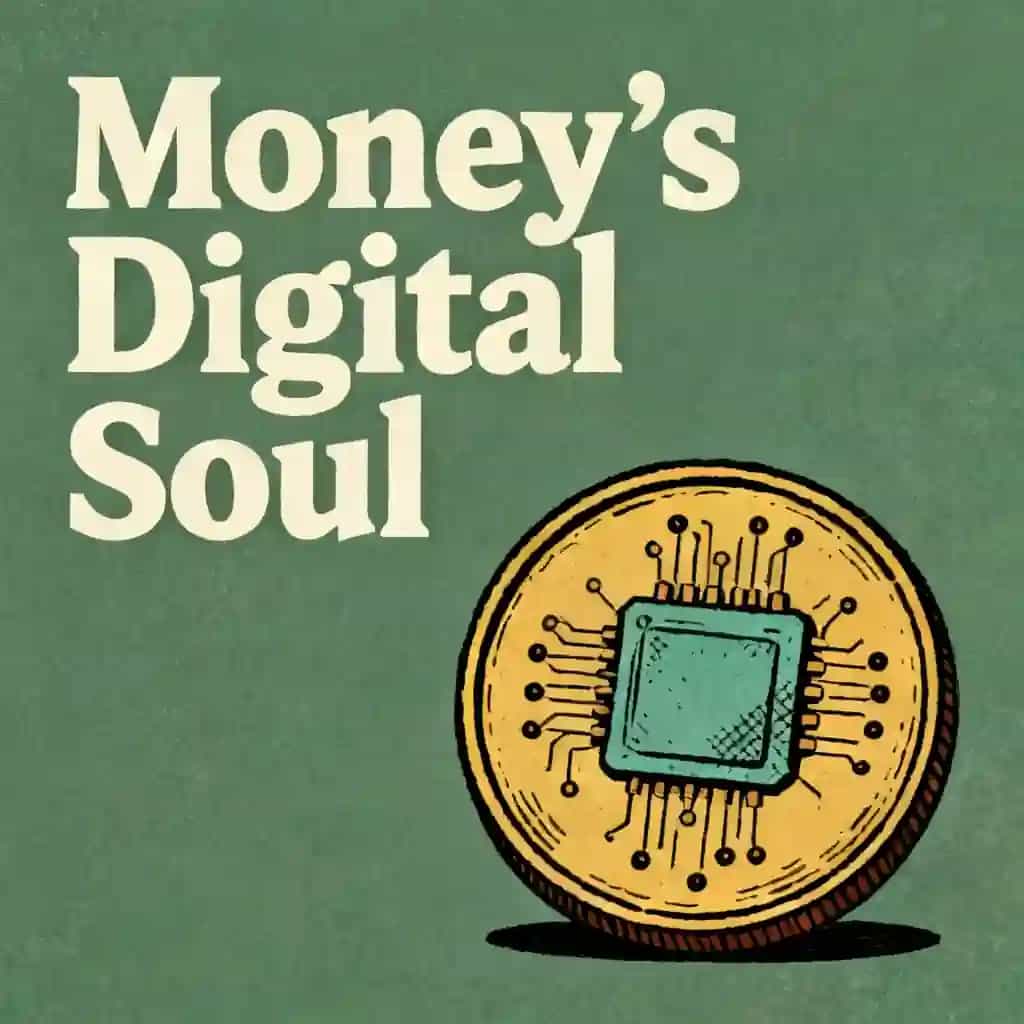
Explore how Bitcoin is fundamentally reshaping our understanding of money itself, from challenging traditional banking systems to offering financial sovereignty through decentralized, trustless digital currency.
Discover how Bitcoin works from the ground up - from solving the double-spending problem to mining, wallets, and real-world applications that are reshaping global finance.
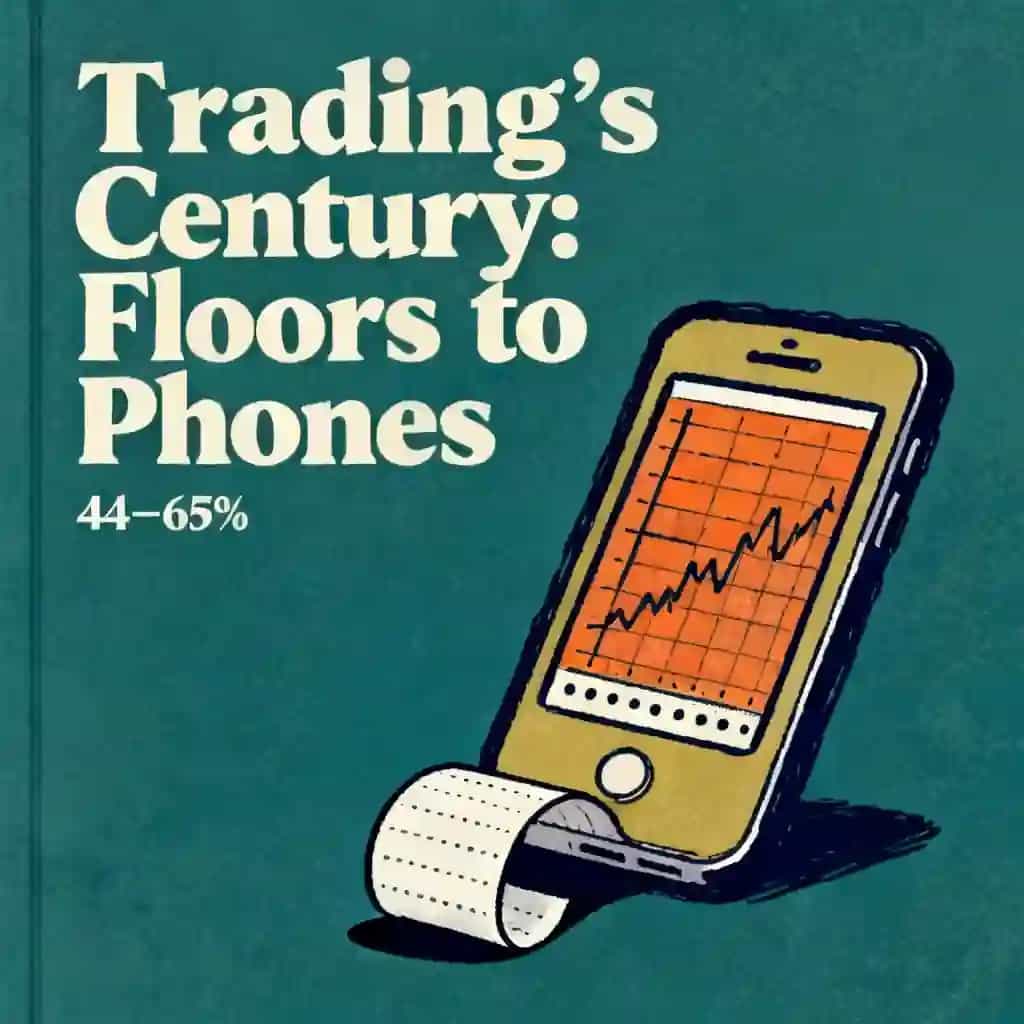
Explore the dramatic evolution of trading since the 1900s, from the chaotic trading floors and market crashes that shaped regulations to today's algorithm-driven, democratized global markets accessible from your smartphone.