The Hardware of Mood: Myelin, Childhood Trauma, and Mental Health
Explore how childhood trauma impacts brain insulation and mental health. Learn about the link between myelin levels in gray matter and depression biology.
Best quote from The Hardware of Mood: Myelin, Childhood Trauma, and Mental Health
It’s not a lack of willpower; it’s a high-gain system running on thin insulation. Understanding this isn’t about giving up—it’s about knowing what you’re actually working with so you can regulate your mood more effectively.
Generated by Nawsforahto
Teach me a framework for separating biological limits from the stories I tell myself when regulating mood. Use the new NeuroImage: Clinical study on lower myelin after childhood trauma as a case study, and give me 3 reflection questions and 3 stabilizing actions.






Frequently Asked Questions
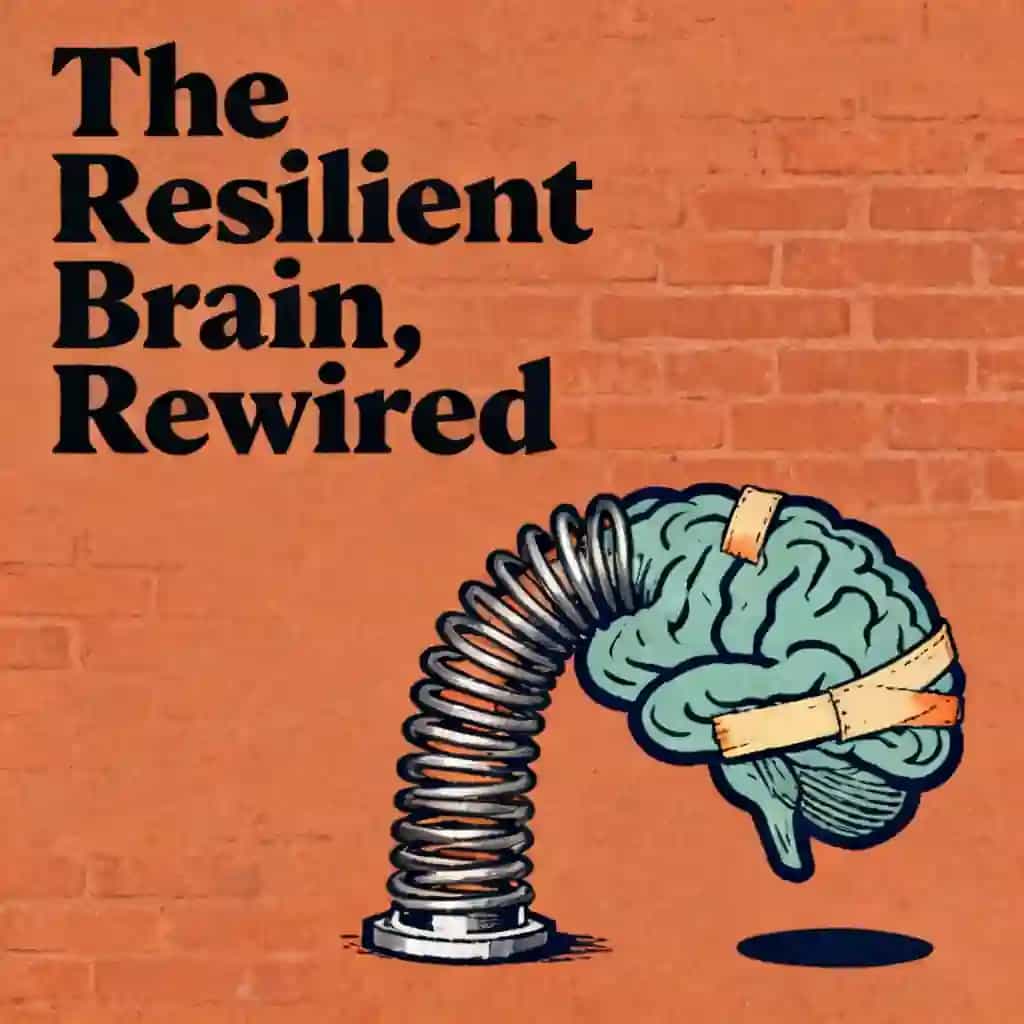
Myelin acts as the physical hardware of the brain, functioning like the fatty insulation on a copper wire to protect nerve cells. Recent neuroscience research indicates that mental health is not just a software issue of thoughts, but is tied to this physical brain insulation. When myelin levels are lower, it creates a biological limit on how brain signals travel, which can contribute to conditions like depression.
According to a study published in NeuroImage: Clinical, adults who experienced childhood trauma and later developed depression show significantly lower levels of myelin in their gray matter. These physical changes in the brain's hardware suggest that early life experiences can cause long-term biological shifts. This means that for many, the struggle with mental health is rooted in actual physical differences in the brain's structure rather than just a narrative or story.
When depression is linked to the brain's hardware, such as reduced myelin insulation, it becomes a biological issue that goes beyond simple thought reprogramming. Because the machinery used to process emotions is physically different, individuals cannot simply think their way out of the condition. Understanding that there is a physical component in the gray matter helps remove self-blame for those who find it difficult to change their mood through willpower alone.
From Columbia University alumni built in San Francisco
"Instead of endless scrolling, I just hit play on BeFreed. It saves me so much time."


"I never knew where to start with nonfiction—BeFreed’s book lists turned into podcasts gave me a clear path."


"Perfect balance between learning and entertainment. Finished ‘Thinking, Fast and Slow’ on my commute this week."
"Crazy how much I learned while walking the dog. BeFreed = small habits → big gains."
"Reading used to feel like a chore. Now it’s just part of my lifestyle."

"Feels effortless compared to reading. I’ve finished 6 books this month already."
"BeFreed turned my guilty doomscrolling into something that feels productive and inspiring."

"BeFreed turned my commute into learning time. 20-min podcasts are perfect for finishing books I never had time for."
"BeFreed replaced my podcast queue. Imagine Spotify for books — that’s it. 🙌"

"It is great for me to learn something from the book without reading it."
"The themed book list podcasts help me connect ideas across authors—like a guided audio journey."
"Makes me feel smarter every time before going to work"
 Ask ChatGPT
 Ask Claude
From Columbia University alumni built in San Francisco
"Instead of endless scrolling, I just hit play on BeFreed. It saves me so much time."
"I never knew where to start with nonfiction—BeFreed’s book lists turned into podcasts gave me a clear path."
"Perfect balance between learning and entertainment. Finished ‘Thinking, Fast and Slow’ on my commute this week."
"Crazy how much I learned while walking the dog. BeFreed = small habits → big gains."
"Reading used to feel like a chore. Now it’s just part of my lifestyle."
"Feels effortless compared to reading. I’ve finished 6 books this month already."
"BeFreed turned my guilty doomscrolling into something that feels productive and inspiring."
"BeFreed turned my commute into learning time. 20-min podcasts are perfect for finishing books I never had time for."
"BeFreed replaced my podcast queue. Imagine Spotify for books — that’s it. 🙌"
"It is great for me to learn something from the book without reading it."
"The themed book list podcasts help me connect ideas across authors—like a guided audio journey."
"Makes me feel smarter every time before going to work"
"Instead of endless scrolling, I just hit play on BeFreed. It saves me so much time."
"I never knew where to start with nonfiction—BeFreed’s book lists turned into podcasts gave me a clear path."
"Perfect balance between learning and entertainment. Finished ‘Thinking, Fast and Slow’ on my commute this week."
"Crazy how much I learned while walking the dog. BeFreed = small habits → big gains."
"Reading used to feel like a chore. Now it’s just part of my lifestyle."
"Feels effortless compared to reading. I’ve finished 6 books this month already."
"BeFreed turned my guilty doomscrolling into something that feels productive and inspiring."
"BeFreed turned my commute into learning time. 20-min podcasts are perfect for finishing books I never had time for."
"BeFreed replaced my podcast queue. Imagine Spotify for books — that’s it. 🙌"
"It is great for me to learn something from the book without reading it."
"The themed book list podcasts help me connect ideas across authors—like a guided audio journey."
"Makes me feel smarter every time before going to work"
"Instead of endless scrolling, I just hit play on BeFreed. It saves me so much time."
"I never knew where to start with nonfiction—BeFreed’s book lists turned into podcasts gave me a clear path."
"Perfect balance between learning and entertainment. Finished ‘Thinking, Fast and Slow’ on my commute this week."
"Crazy how much I learned while walking the dog. BeFreed = small habits → big gains."
"Reading used to feel like a chore. Now it’s just part of my lifestyle."
"Feels effortless compared to reading. I’ve finished 6 books this month already."
"BeFreed turned my guilty doomscrolling into something that feels productive and inspiring."
"BeFreed turned my commute into learning time. 20-min podcasts are perfect for finishing books I never had time for."
"BeFreed replaced my podcast queue. Imagine Spotify for books — that’s it. 🙌"
"It is great for me to learn something from the book without reading it."
"The themed book list podcasts help me connect ideas across authors—like a guided audio journey."
"Makes me feel smarter every time before going to work"