Give and Take: The Power of Generosity
Generosity can lead to burnout or the top of your industry. Discover the reciprocity styles that drive success and how to give without being exploited.
Best quote from Give and Take: The Power of Generosity
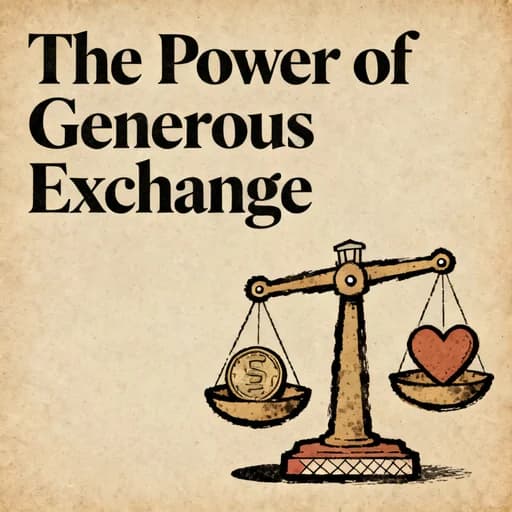
In a world that often tells you that nice guys finish last, it turns out that givers occupy both the basement and the penthouse of professional achievement. Your success is no longer a solo sport; it is an interpersonal one.
Generated with BeFreed
An audio lesson about the book Give and Take, covering its key ideas and takeaways.


Frequently Asked Questions
Takers are individuals with a "me-first" mentality who aim to get as much as possible from others while contributing very little. Matchers, where most people reside, operate on the principle of fairness and transactional balance, helping only those who help them. Givers are rare individuals who prefer to give more than they get, sharing their time, knowledge, and connections without keeping an immediate tally of debts.
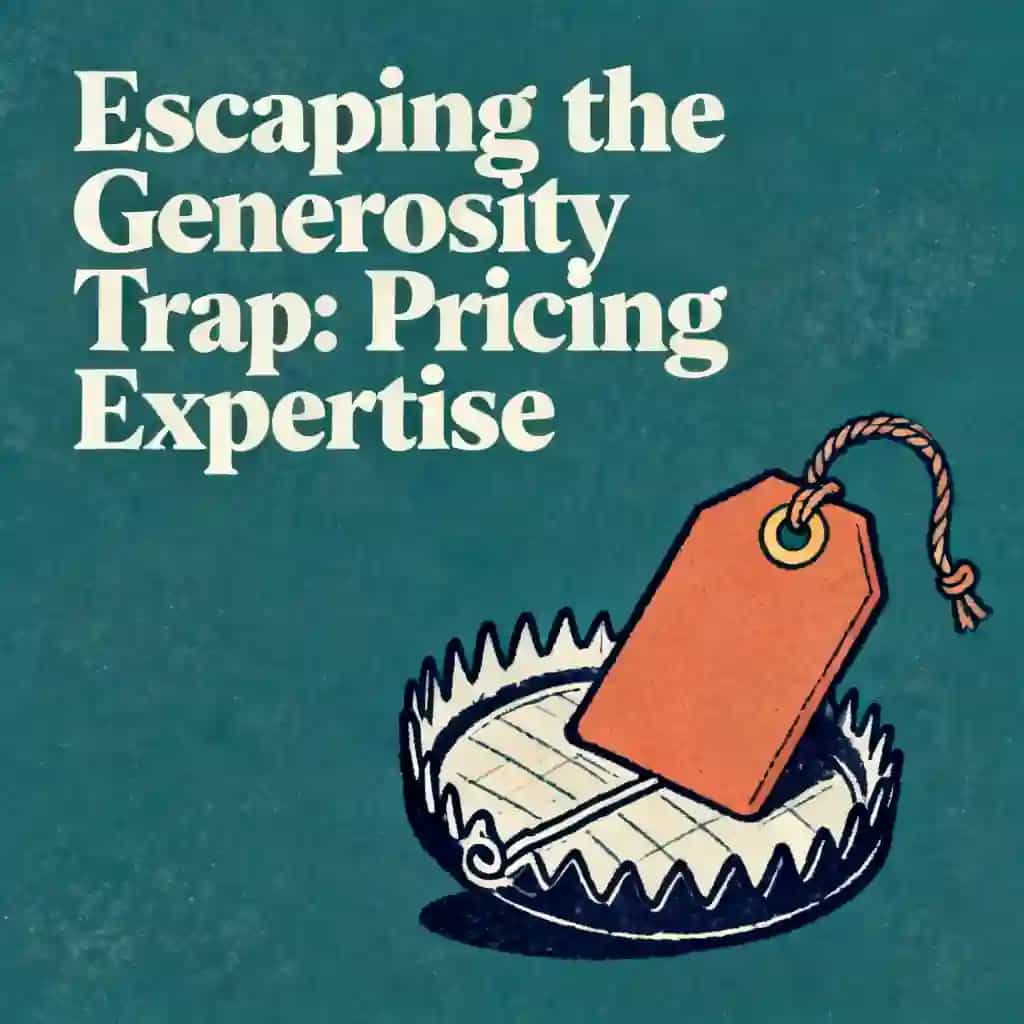
Givers at the bottom often fail because they are too trusting and lack a strategy, allowing themselves to become "doormats" for takers. However, givers at the top succeed because their generosity creates a massive ripple effect of goodwill and collective advancement. These successful givers learn to be "otherish," meaning they care for others while also protecting their own interests and distinguishing between genuine people and "fakers" who only pretend to be givers.
Powerless communication involves using tentative language, expressing doubt, and being willing to be vulnerable rather than trying to dominate a room with authority. This style is effective because it reduces resistance, builds trust, and creates openings for others to contribute. By asking questions and admitting what they don't know, givers foster a sense of collaboration that can be more persuasive than aggressive, "powerful" communication.
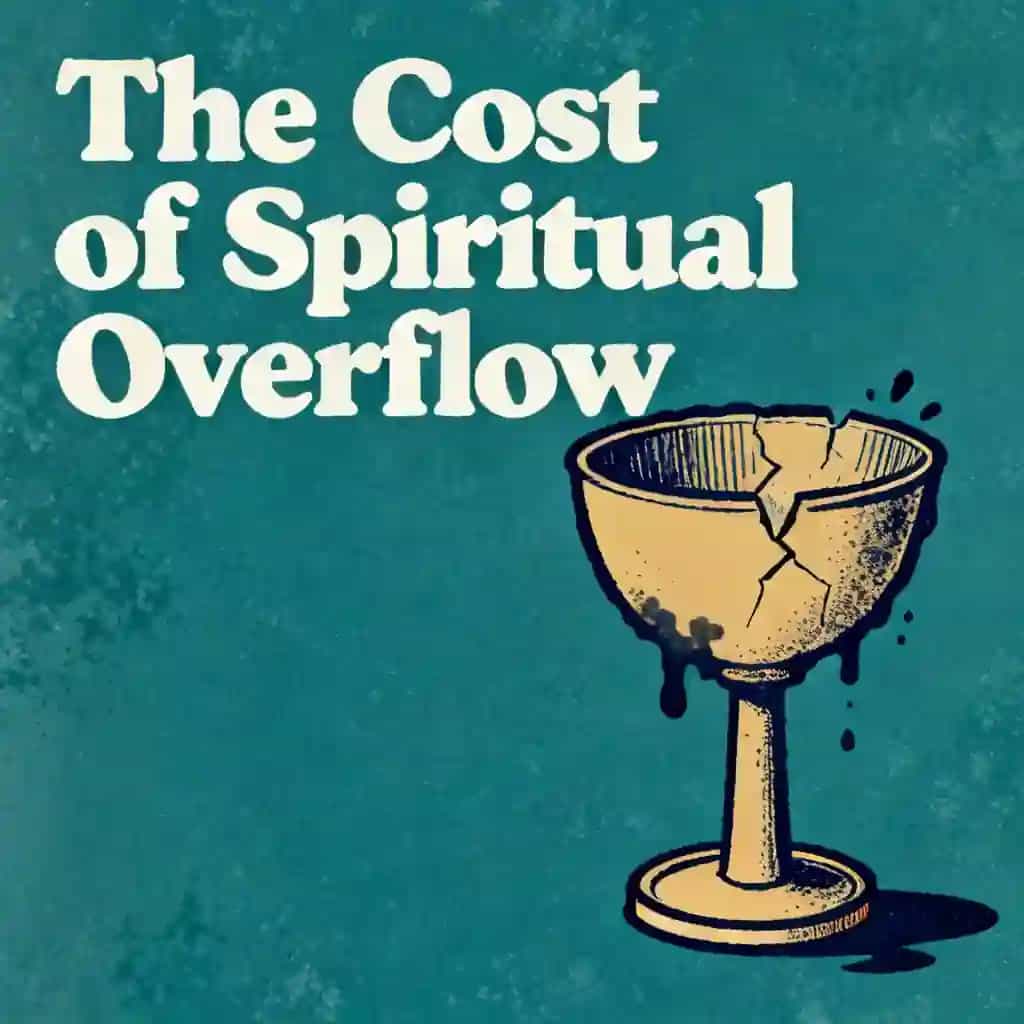
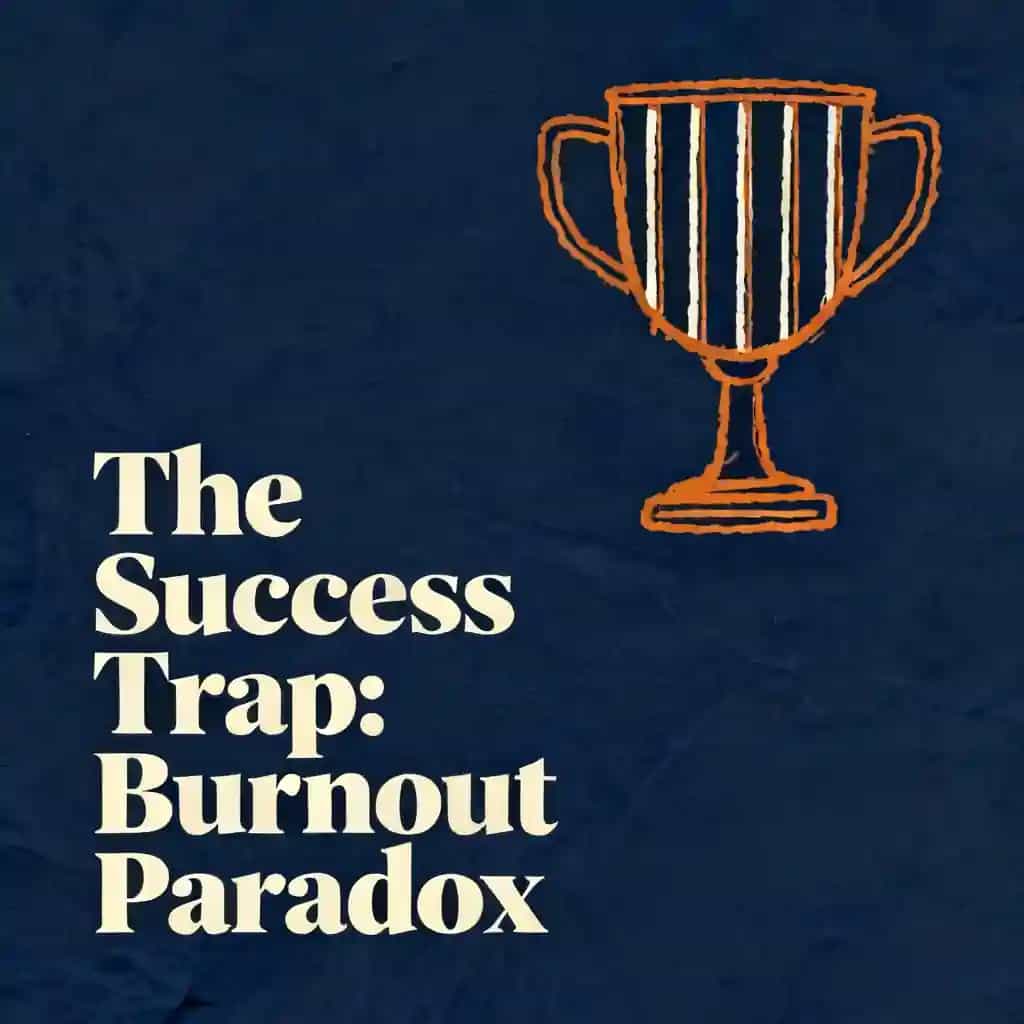
Burnout often results from a lack of "impact visibility," or not seeing the difference your effort makes. To stay motivated, givers should seek out the results of their help and follow the "100-hour rule," which suggests that giving about two hours a week is the ideal amount for personal satisfaction. Additionally, "chunking" acts of kindness into specific blocks of time rather than spreading them out can prevent the feeling of constant interruption and increase overall happiness.
One effective method is the "five-minute favor," where you agree to perform any small task for someone else if it takes less than five minutes of your time. Another approach is participating in a "Reciprocity Ring," a group exercise where individuals make requests and others use their networks to fulfill them, making giving feel safe and visible. Finally, finding "common ground" or a shared identity with others can significantly increase the likelihood of mutual help and cooperation.
From Columbia University alumni built in San Francisco
"Instead of endless scrolling, I just hit play on BeFreed. It saves me so much time."


"I never knew where to start with nonfiction—BeFreed’s book lists turned into podcasts gave me a clear path."


"Perfect balance between learning and entertainment. Finished ‘Thinking, Fast and Slow’ on my commute this week."
"Crazy how much I learned while walking the dog. BeFreed = small habits → big gains."
"Reading used to feel like a chore. Now it’s just part of my lifestyle."

"Feels effortless compared to reading. I’ve finished 6 books this month already."
"BeFreed turned my guilty doomscrolling into something that feels productive and inspiring."

"BeFreed turned my commute into learning time. 20-min podcasts are perfect for finishing books I never had time for."
"BeFreed replaced my podcast queue. Imagine Spotify for books — that’s it. 🙌"

"It is great for me to learn something from the book without reading it."
"The themed book list podcasts help me connect ideas across authors—like a guided audio journey."
"Makes me feel smarter every time before going to work"
From Columbia University alumni built in San Francisco
"Instead of endless scrolling, I just hit play on BeFreed. It saves me so much time."
"I never knew where to start with nonfiction—BeFreed’s book lists turned into podcasts gave me a clear path."
"Perfect balance between learning and entertainment. Finished ‘Thinking, Fast and Slow’ on my commute this week."
"Crazy how much I learned while walking the dog. BeFreed = small habits → big gains."
"Reading used to feel like a chore. Now it’s just part of my lifestyle."
"Feels effortless compared to reading. I’ve finished 6 books this month already."
"BeFreed turned my guilty doomscrolling into something that feels productive and inspiring."
"BeFreed turned my commute into learning time. 20-min podcasts are perfect for finishing books I never had time for."
"BeFreed replaced my podcast queue. Imagine Spotify for books — that’s it. 🙌"
"It is great for me to learn something from the book without reading it."
"The themed book list podcasts help me connect ideas across authors—like a guided audio journey."
"Makes me feel smarter every time before going to work"
"Instead of endless scrolling, I just hit play on BeFreed. It saves me so much time."
"I never knew where to start with nonfiction—BeFreed’s book lists turned into podcasts gave me a clear path."
"Perfect balance between learning and entertainment. Finished ‘Thinking, Fast and Slow’ on my commute this week."
"Crazy how much I learned while walking the dog. BeFreed = small habits → big gains."
"Reading used to feel like a chore. Now it’s just part of my lifestyle."
"Feels effortless compared to reading. I’ve finished 6 books this month already."
"BeFreed turned my guilty doomscrolling into something that feels productive and inspiring."
"BeFreed turned my commute into learning time. 20-min podcasts are perfect for finishing books I never had time for."
"BeFreed replaced my podcast queue. Imagine Spotify for books — that’s it. 🙌"
"It is great for me to learn something from the book without reading it."
"The themed book list podcasts help me connect ideas across authors—like a guided audio journey."
"Makes me feel smarter every time before going to work"
"Instead of endless scrolling, I just hit play on BeFreed. It saves me so much time."
"I never knew where to start with nonfiction—BeFreed’s book lists turned into podcasts gave me a clear path."
"Perfect balance between learning and entertainment. Finished ‘Thinking, Fast and Slow’ on my commute this week."
"Crazy how much I learned while walking the dog. BeFreed = small habits → big gains."
"Reading used to feel like a chore. Now it’s just part of my lifestyle."
"Feels effortless compared to reading. I’ve finished 6 books this month already."
"BeFreed turned my guilty doomscrolling into something that feels productive and inspiring."
"BeFreed turned my commute into learning time. 20-min podcasts are perfect for finishing books I never had time for."
"BeFreed replaced my podcast queue. Imagine Spotify for books — that’s it. 🙌"
"It is great for me to learn something from the book without reading it."
"The themed book list podcasts help me connect ideas across authors—like a guided audio journey."
"Makes me feel smarter every time before going to work"