Geopolitical Risk: The Strait of Hormuz Method & Global Markets
Learn how the Strait of Hormuz Method helps assess geopolitical risk and its impact on global insurance pricing, crude oil supply chains, and market volatility.

Best quote from Geopolitical Risk: The Strait of Hormuz Method & Global Markets
The goal here isn't to predict the future—nobody can do that—but to build a 'radar' for imminent disruptions and a 'sonar' for those slow-moving, deep shifts. That shift in mindset—from 'what will happen' to 'what if this happens'—is exactly where the real power lies.
Generated by Tonymiles
Teach a repeatable geopolitical risk method for making better investing and planning decisions. Use the reported cargo ship strike in the Strait of Hormuz as a case study, and give me 3 warning signals, scenario paths, and action rules.






Frequently Asked Questions
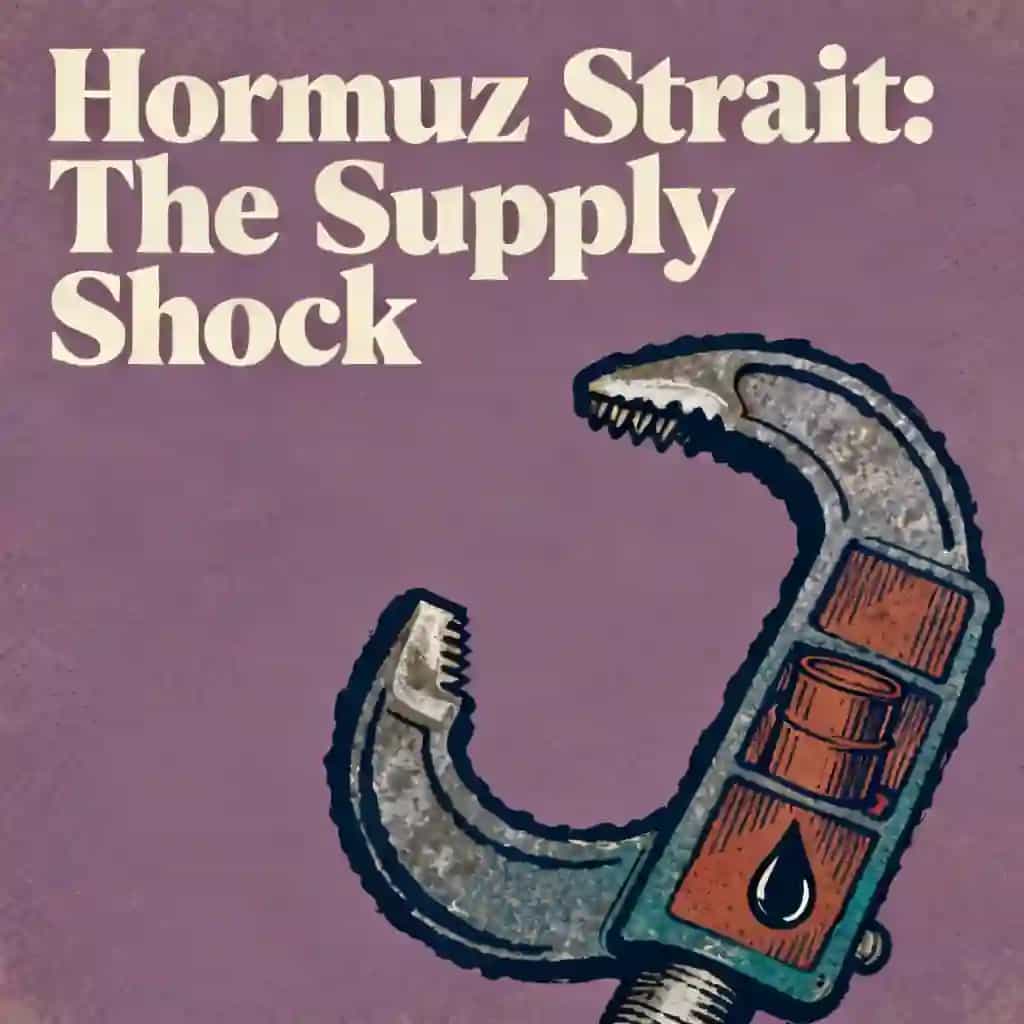
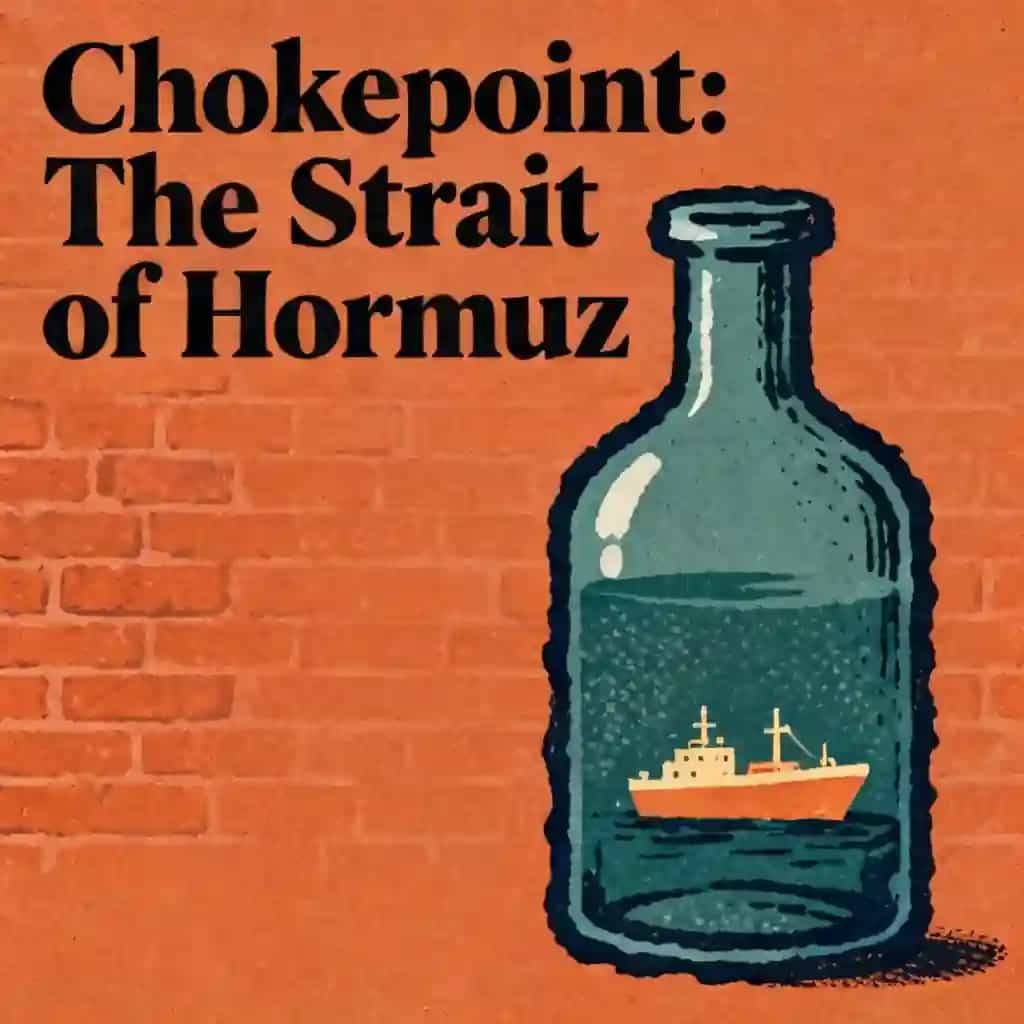
The Strait of Hormuz is a critical maritime chokepoint where twenty percent of the world's traded crude oil and liquefied natural gas passes through annually. Because such a massive volume of energy resources must squeeze through this narrow passage, any disruption there acts as an invisible hand that moves global money. Events in this region, such as threats to cargo ships, directly influence market volatility and the stability of international supply chains.
When a bulk carrier like the Minoan Pioneer is hit near the Musandam Peninsula, the financial repercussions are nearly instantaneous. Rather than taking weeks to adjust, global insurance pricing can reset within hours of such a geopolitical event. This rapid shift demonstrates why businesses must treat geopolitical risk as a structural part of their financial planning rather than just distant world news, as it immediately affects operational costs.
Despite high levels of concern regarding global instability, a 2025 survey revealed that almost no organizations have a formal methodology to assess geopolitical risk. Most people treat these events like a weather report—acknowledging them but failing to act. Implementing a structured approach, such as the Strait of Hormuz Method, is essential for businesses to avoid 'flying blind' and to properly account for risks that can reset markets and disrupt assets worldwide.
From Columbia University alumni built in San Francisco
"Instead of endless scrolling, I just hit play on BeFreed. It saves me so much time."


"I never knew where to start with nonfiction—BeFreed’s book lists turned into podcasts gave me a clear path."


"Perfect balance between learning and entertainment. Finished ‘Thinking, Fast and Slow’ on my commute this week."
"Crazy how much I learned while walking the dog. BeFreed = small habits → big gains."
"Reading used to feel like a chore. Now it’s just part of my lifestyle."

"Feels effortless compared to reading. I’ve finished 6 books this month already."
"BeFreed turned my guilty doomscrolling into something that feels productive and inspiring."

"BeFreed turned my commute into learning time. 20-min podcasts are perfect for finishing books I never had time for."
"BeFreed replaced my podcast queue. Imagine Spotify for books — that’s it. 🙌"

"It is great for me to learn something from the book without reading it."
"The themed book list podcasts help me connect ideas across authors—like a guided audio journey."
"Makes me feel smarter every time before going to work"
From Columbia University alumni built in San Francisco
"Instead of endless scrolling, I just hit play on BeFreed. It saves me so much time."
"I never knew where to start with nonfiction—BeFreed’s book lists turned into podcasts gave me a clear path."
"Perfect balance between learning and entertainment. Finished ‘Thinking, Fast and Slow’ on my commute this week."
"Crazy how much I learned while walking the dog. BeFreed = small habits → big gains."
"Reading used to feel like a chore. Now it’s just part of my lifestyle."
"Feels effortless compared to reading. I’ve finished 6 books this month already."
"BeFreed turned my guilty doomscrolling into something that feels productive and inspiring."
"BeFreed turned my commute into learning time. 20-min podcasts are perfect for finishing books I never had time for."
"BeFreed replaced my podcast queue. Imagine Spotify for books — that’s it. 🙌"
"It is great for me to learn something from the book without reading it."
"The themed book list podcasts help me connect ideas across authors—like a guided audio journey."
"Makes me feel smarter every time before going to work"
"Instead of endless scrolling, I just hit play on BeFreed. It saves me so much time."
"I never knew where to start with nonfiction—BeFreed’s book lists turned into podcasts gave me a clear path."
"Perfect balance between learning and entertainment. Finished ‘Thinking, Fast and Slow’ on my commute this week."
"Crazy how much I learned while walking the dog. BeFreed = small habits → big gains."
"Reading used to feel like a chore. Now it’s just part of my lifestyle."
"Feels effortless compared to reading. I’ve finished 6 books this month already."
"BeFreed turned my guilty doomscrolling into something that feels productive and inspiring."
"BeFreed turned my commute into learning time. 20-min podcasts are perfect for finishing books I never had time for."
"BeFreed replaced my podcast queue. Imagine Spotify for books — that’s it. 🙌"
"It is great for me to learn something from the book without reading it."
"The themed book list podcasts help me connect ideas across authors—like a guided audio journey."
"Makes me feel smarter every time before going to work"
"Instead of endless scrolling, I just hit play on BeFreed. It saves me so much time."
"I never knew where to start with nonfiction—BeFreed’s book lists turned into podcasts gave me a clear path."
"Perfect balance between learning and entertainment. Finished ‘Thinking, Fast and Slow’ on my commute this week."
"Crazy how much I learned while walking the dog. BeFreed = small habits → big gains."
"Reading used to feel like a chore. Now it’s just part of my lifestyle."
"Feels effortless compared to reading. I’ve finished 6 books this month already."
"BeFreed turned my guilty doomscrolling into something that feels productive and inspiring."
"BeFreed turned my commute into learning time. 20-min podcasts are perfect for finishing books I never had time for."
"BeFreed replaced my podcast queue. Imagine Spotify for books — that’s it. 🙌"
"It is great for me to learn something from the book without reading it."
"The themed book list podcasts help me connect ideas across authors—like a guided audio journey."
"Makes me feel smarter every time before going to work"