Best quote from Fighting CPS removals and the mistake most parents make
The move is to realize that the doorstep is a legal boundary. It’s not just a piece of wood—it’s your Fourth Amendment shield. You have to be the one to bridge the gap between what the state wants to do and what they’re actually allowed to do by asserting your rights.

This audio lesson was created by a BeFreed community member
Fighting CPS and the violations they make when removing a child



Frequently Asked Questions
No, you are not legally required to let an investigator across your threshold unless they possess a warrant signed by a judge or there is a clear-cut emergency, such as a child screaming for help inside. The doorstep serves as a Fourth Amendment legal boundary. To handle this professionally, you should step outside, close the door behind you to maintain privacy, and politely state that you do not consent to a search of your home without a warrant.
The 14-day hearing, formally known as the Adversary Hearing, is the first time a judge reviews the evidence in a removal case. Up until this point, CPS acts on its own authority, but at this hearing, the state must prove there was an "imminent danger" to the child and that they made "reasonable efforts" to avoid removal. This is the primary opportunity for a parent’s attorney to challenge the state’s narrative and potentially have the children ordered home immediately.
A Family Service Plan is a court-ordered roadmap or contract detailing the tasks a parent must complete to achieve reunification, such as counseling, drug testing, or parenting classes. These plans are often templates and may include requirements that conflict with a parent's work schedule. You can and should have your attorney negotiate the terms of the plan before the judge signs it to ensure the requirements are achievable and tailored to your specific situation.
Texas law follows a strict "dismissal docket," often called the rocket docket, which generally requires a final court decision within 12 months of the child being removed. If a parent does not complete their service plan within this timeframe, the court may move to terminate parental rights or grant permanent custody to the state. Because this timeline is so unforgiving, parents are encouraged to start their services immediately and document every milestone to prove compliance before the deadline.
This situation is known as a "Crossover Crisis" and requires a coordinated strategy between a CPS defense attorney and a criminal defense attorney. Because statements made in a CPS case can be used as evidence in a criminal trial, you must be careful with "admissions of fact." It is vital to continue fighting the CPS case and completing the service plan even while the criminal case is pending, as the family court operates on a much faster timeline and has a lower burden of proof than the criminal court.
Discover more

Navigate no-contact decision with parent
This guide provides a compassionate roadmap for individuals struggling with harmful parental relationships. It is designed for those seeking to protect their mental health by navigating the complex emotional and practical steps of going no-contact.

Stay Calm Under Family Pressure
This learning plan is essential for parents who feel overwhelmed by reactive patterns and desire a more peaceful home environment. It provides a roadmap for moving beyond survival mode by combining biological self-regulation with deep psychological insights.

Bedtime Peace and Tantrum De-escalation
This plan is essential for parents struggling with high-conflict evenings and emotional meltdowns. It provides practical tools to replace reactive yelling with proactive, connection-based strategies for a more peaceful home.

Set boundaries with critical parent at 19
This plan is designed for young adults navigating the transition to independence while dealing with emotionally immature parents. It provides the psychological tools and communication strategies needed to claim your autonomy and heal from critical household dynamics.

The Pause: Mastering Real-Time De-escalation
This plan is essential for parents and partners who feel trapped in cycles of reactive conflict. It provides practical, body-based tools to regain control during high-stress moments and rebuild trust after arguments.
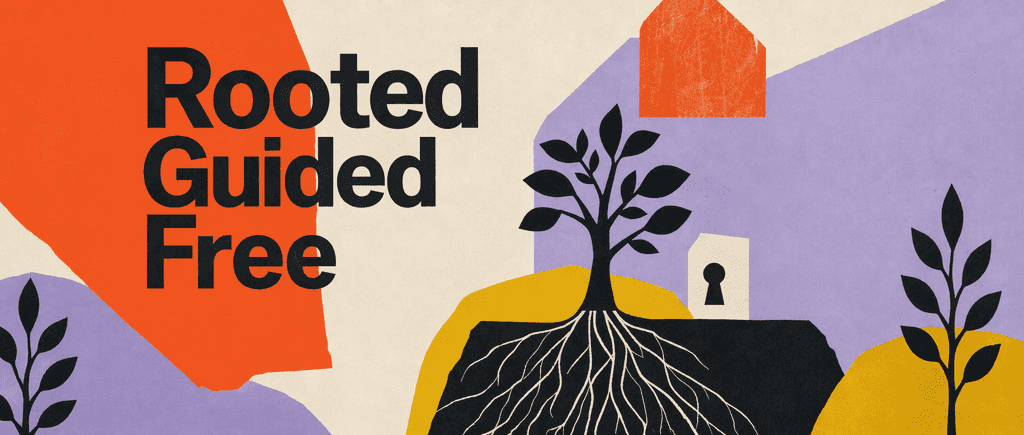
Identity, Cohesion, and Parental Control
This learning plan is essential for parents and caregivers seeking to balance structural authority with deep emotional connection. It provides a comprehensive roadmap for supporting a child's individual identity while maintaining a unified, respectful family unit.
Be a Better Parent
This learning plan is designed for parents who want to move beyond reactive parenting and build deeper, more effective relationships with their children. Whether you're a new parent seeking foundational knowledge or an experienced parent looking to refine your approach during challenging phases, this plan provides science-backed strategies and practical tools. It's especially valuable for parents who feel overwhelmed by behavioral challenges, struggle with communication, or want to raise emotionally healthy and independent children.

Tactical Peace for Volatile Homes
This plan is essential for individuals navigating high-conflict domestic situations or post-separation abuse. It provides a strategic framework for those who need to prioritize safety, legal protection, and child well-being while disengaging from a volatile partner.
From Columbia University alumni built in San Francisco
"Instead of endless scrolling, I just hit play on BeFreed. It saves me so much time."


"I never knew where to start with nonfiction—BeFreed’s book lists turned into podcasts gave me a clear path."


"Perfect balance between learning and entertainment. Finished ‘Thinking, Fast and Slow’ on my commute this week."
"Crazy how much I learned while walking the dog. BeFreed = small habits → big gains."
"Reading used to feel like a chore. Now it’s just part of my lifestyle."

"Feels effortless compared to reading. I’ve finished 6 books this month already."
"BeFreed turned my guilty doomscrolling into something that feels productive and inspiring."

"BeFreed turned my commute into learning time. 20-min podcasts are perfect for finishing books I never had time for."
"BeFreed replaced my podcast queue. Imagine Spotify for books — that’s it. 🙌"

"It is great for me to learn something from the book without reading it."
"The themed book list podcasts help me connect ideas across authors—like a guided audio journey."
"Makes me feel smarter every time before going to work"
From Columbia University alumni built in San Francisco
"Instead of endless scrolling, I just hit play on BeFreed. It saves me so much time."
"I never knew where to start with nonfiction—BeFreed’s book lists turned into podcasts gave me a clear path."
"Perfect balance between learning and entertainment. Finished ‘Thinking, Fast and Slow’ on my commute this week."
"Crazy how much I learned while walking the dog. BeFreed = small habits → big gains."
"Reading used to feel like a chore. Now it’s just part of my lifestyle."
"Feels effortless compared to reading. I’ve finished 6 books this month already."
"BeFreed turned my guilty doomscrolling into something that feels productive and inspiring."
"BeFreed turned my commute into learning time. 20-min podcasts are perfect for finishing books I never had time for."
"BeFreed replaced my podcast queue. Imagine Spotify for books — that’s it. 🙌"
"It is great for me to learn something from the book without reading it."
"The themed book list podcasts help me connect ideas across authors—like a guided audio journey."
"Makes me feel smarter every time before going to work"
"Instead of endless scrolling, I just hit play on BeFreed. It saves me so much time."
"I never knew where to start with nonfiction—BeFreed’s book lists turned into podcasts gave me a clear path."
"Perfect balance between learning and entertainment. Finished ‘Thinking, Fast and Slow’ on my commute this week."
"Crazy how much I learned while walking the dog. BeFreed = small habits → big gains."
"Reading used to feel like a chore. Now it’s just part of my lifestyle."
"Feels effortless compared to reading. I’ve finished 6 books this month already."
"BeFreed turned my guilty doomscrolling into something that feels productive and inspiring."
"BeFreed turned my commute into learning time. 20-min podcasts are perfect for finishing books I never had time for."
"BeFreed replaced my podcast queue. Imagine Spotify for books — that’s it. 🙌"
"It is great for me to learn something from the book without reading it."
"The themed book list podcasts help me connect ideas across authors—like a guided audio journey."
"Makes me feel smarter every time before going to work"
"Instead of endless scrolling, I just hit play on BeFreed. It saves me so much time."
"I never knew where to start with nonfiction—BeFreed’s book lists turned into podcasts gave me a clear path."
"Perfect balance between learning and entertainment. Finished ‘Thinking, Fast and Slow’ on my commute this week."
"Crazy how much I learned while walking the dog. BeFreed = small habits → big gains."
"Reading used to feel like a chore. Now it’s just part of my lifestyle."
"Feels effortless compared to reading. I’ve finished 6 books this month already."
"BeFreed turned my guilty doomscrolling into something that feels productive and inspiring."
"BeFreed turned my commute into learning time. 20-min podcasts are perfect for finishing books I never had time for."
"BeFreed replaced my podcast queue. Imagine Spotify for books — that’s it. 🙌"
"It is great for me to learn something from the book without reading it."
"The themed book list podcasts help me connect ideas across authors—like a guided audio journey."
"Makes me feel smarter every time before going to work"