Feminism Decoded: A Systematic Journey
Explore feminism's evolution from foundation to intersectionality, understanding how different waves and perspectives have shaped the movement. Perfect for those seeking a structured approach to feminist theory.

Best quote from Feminism Decoded: A Systematic Journey
Feminist theory is like a house built over centuries, where the core work is questioning what society calls 'natural' versus what is actually constructed. By moving from the margins to the center, we shift from asking 'how do we fit into this system' to 'how does this system function and who does it leave behind?'

This audio lesson was created by a BeFreed community member
I want to learn feminism systemically

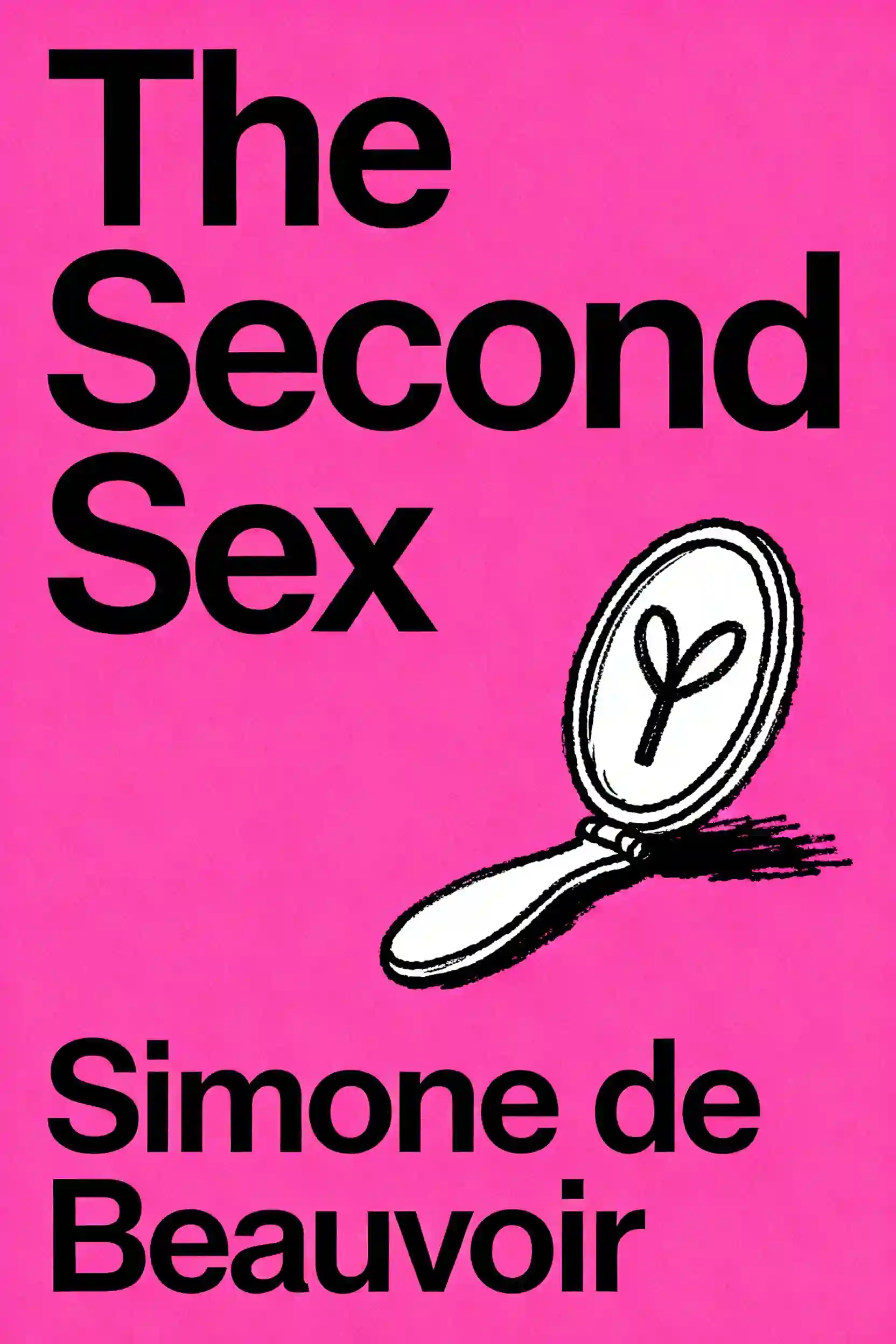
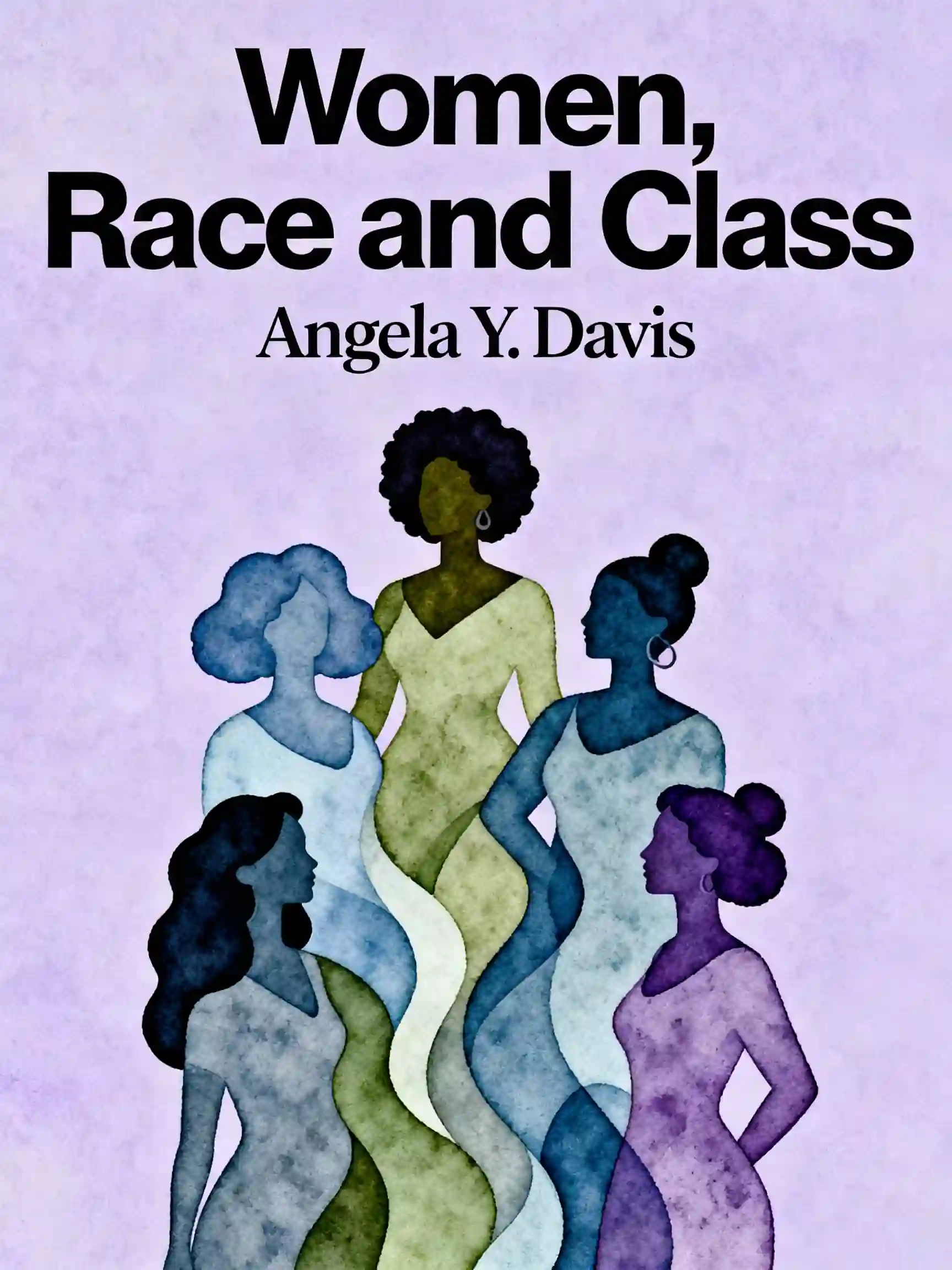
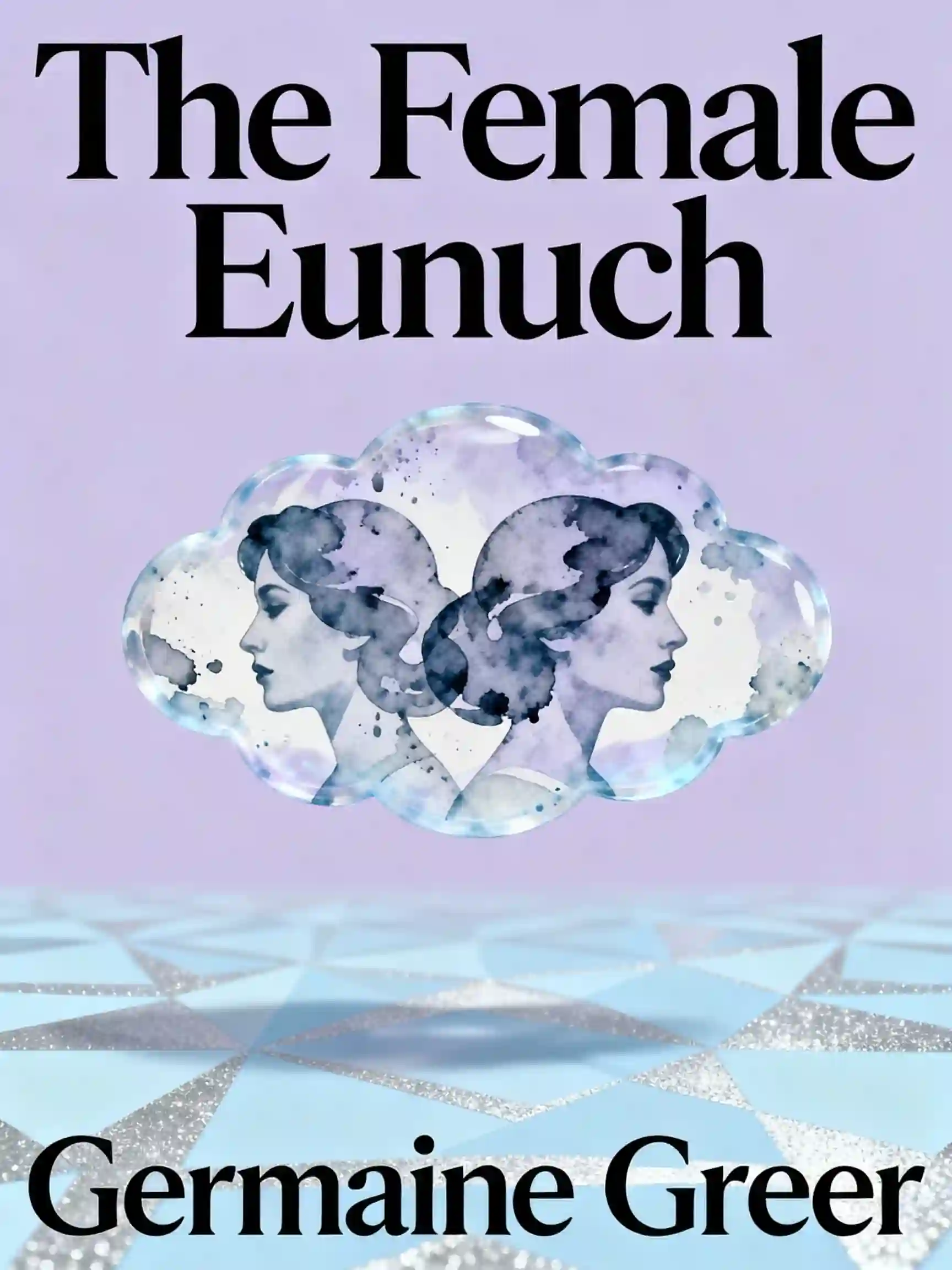
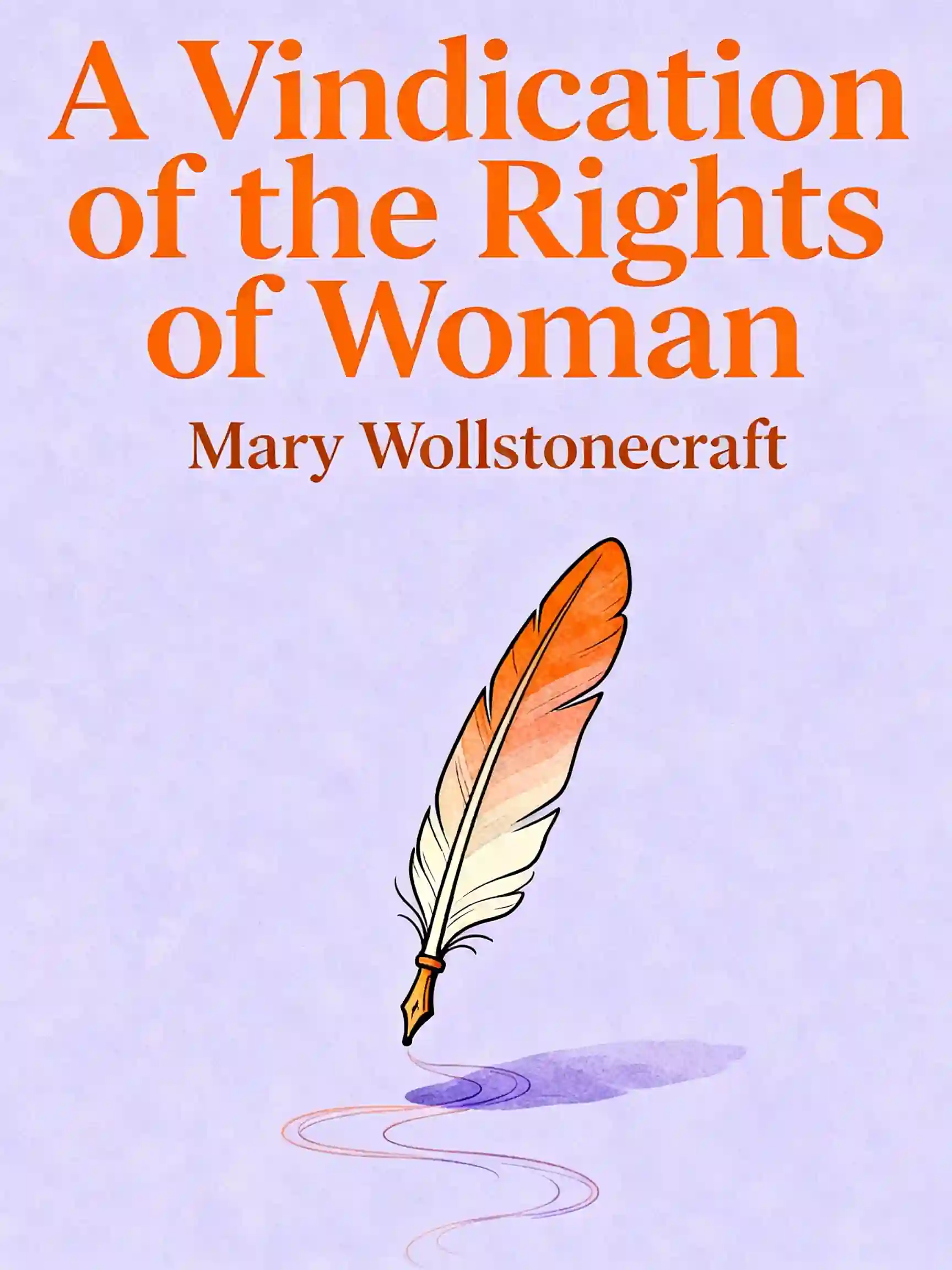
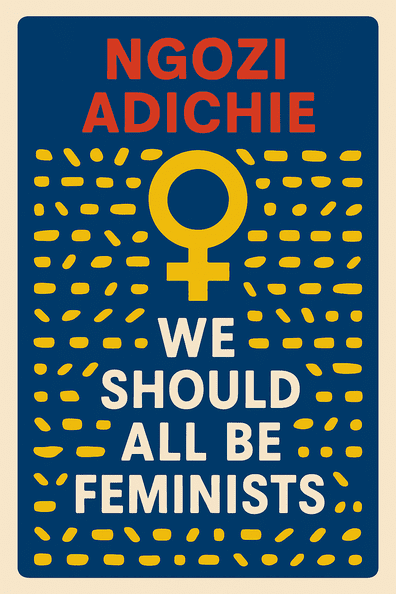
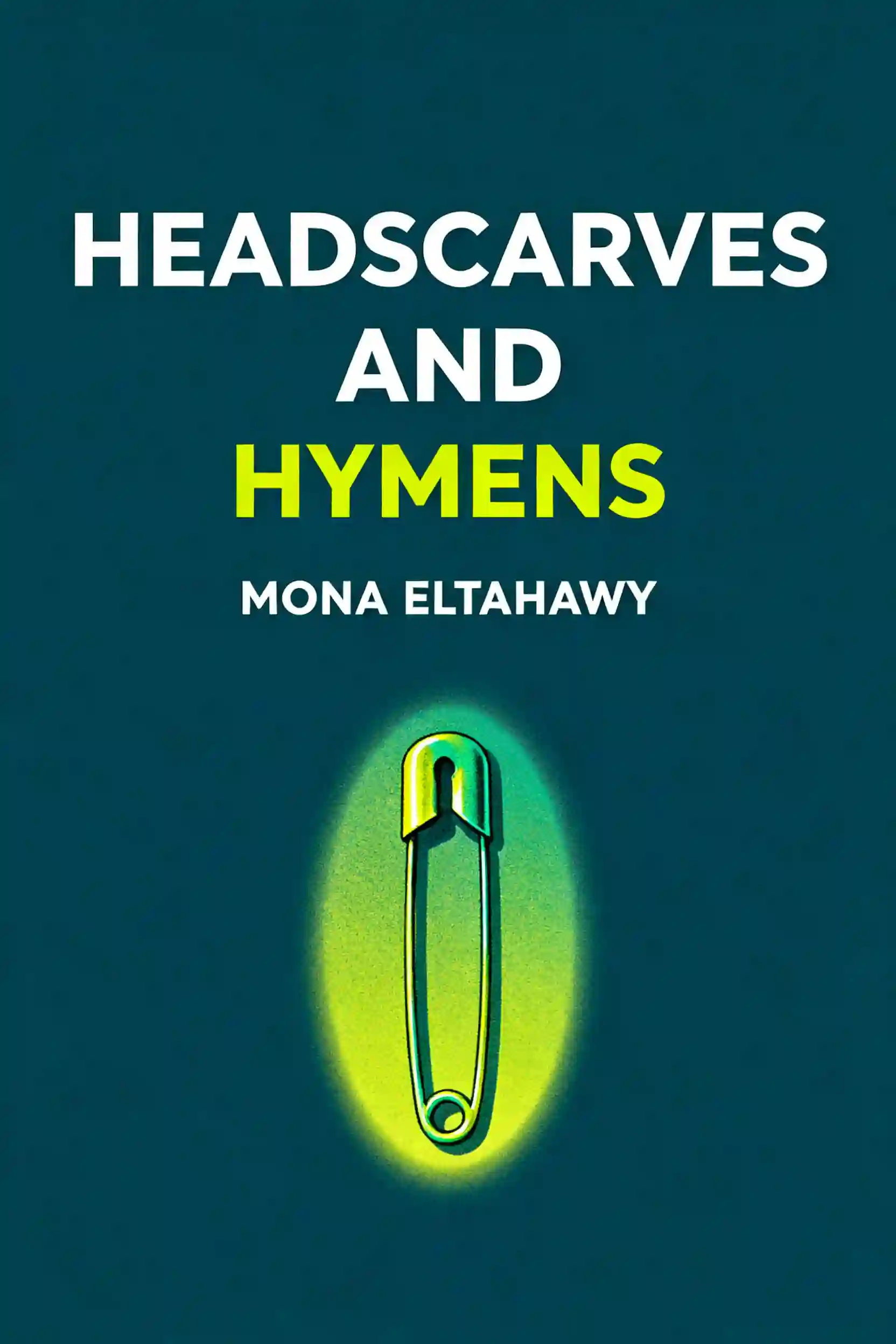
Discover more

feminism
This plan provides a vital framework for understanding the social and political evolution of gender equality. It is ideal for students, activists, and professionals seeking to foster more inclusive and equitable environments in their personal and professional lives.

Intersectionality
Intersectionality is essential for anyone committed to meaningful social justice work, as single-issue approaches often overlook the complex realities of those experiencing multiple forms of marginalization. This learning path is invaluable for activists, DEI professionals, organizational leaders, educators, and anyone seeking to understand how systems of oppression interconnect and how to create truly inclusive solutions that don't leave the most vulnerable behind.

Female authors
This learning plan provides essential knowledge for anyone seeking to understand the vital contributions of women to world literature and feminist thought. It's particularly valuable for students of literature, gender studies, and cultural history, as well as readers who want to broaden their literary perspectives beyond traditionally male-dominated canons. By exploring both historical pioneers and contemporary voices, learners gain insight into how women writers have shaped—and continue to shape—our cultural conversations about identity, equality, and human experience.

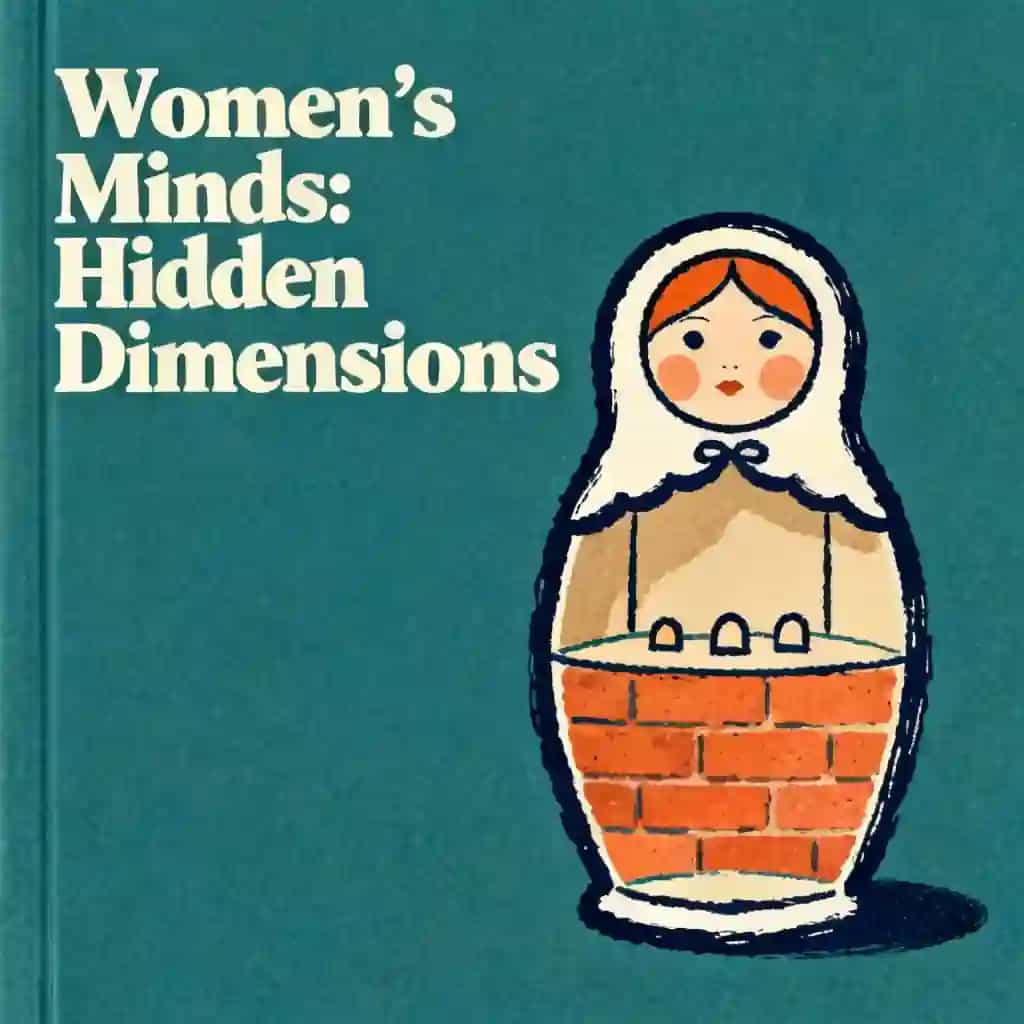
Understand women
This plan is essential for anyone seeking to bridge the communication gap and build stronger, more empathetic relationships with women. It is particularly beneficial for individuals looking to move beyond surface-level interactions toward a deep, science-based understanding of female psychology and social dynamics.

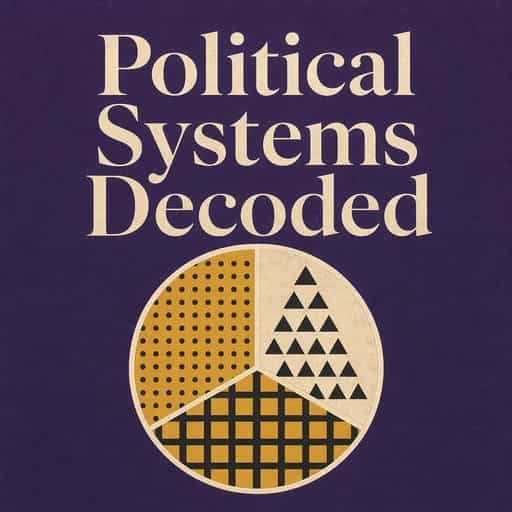
Power, Inequality, and Resistance
This learning plan is essential for activists, community organizers, and social scientists seeking to dismantle systemic inequality. It bridges the gap between high-level political theory and the practical mechanics of building collective power to challenge status quo interests.

Explore global societal evolution over time
This comprehensive history curriculum is essential for anyone seeking to understand the forces that shaped our modern world and continue to influence contemporary society. It's perfect for curious learners who want context for current events, students building foundational knowledge, professionals in fields like policy or journalism, or anyone interested in humanity's remarkable journey. By examining patterns across millennia, you'll gain invaluable perspective on where we've been and insight into where we might be heading.

Feminine Embodiment Without Medical Intervention
This plan is designed for individuals seeking to enhance their feminine expression through natural, holistic methods. It provides a comprehensive roadmap for those who want to align their physical presence, voice, and energy with their internal identity.

Read on feminism, gender rights & psychology
This learning plan bridges the gap between theoretical sociology and practical leadership, offering a comprehensive look at how gender shapes our world. It is ideal for activists, HR professionals, and curious learners who want to understand the psychological and structural drivers of inequality.
From Columbia University alumni built in San Francisco
"Instead of endless scrolling, I just hit play on BeFreed. It saves me so much time."


"I never knew where to start with nonfiction—BeFreed’s book lists turned into podcasts gave me a clear path."


"Perfect balance between learning and entertainment. Finished ‘Thinking, Fast and Slow’ on my commute this week."
"Crazy how much I learned while walking the dog. BeFreed = small habits → big gains."
"Reading used to feel like a chore. Now it’s just part of my lifestyle."

"Feels effortless compared to reading. I’ve finished 6 books this month already."
"BeFreed turned my guilty doomscrolling into something that feels productive and inspiring."

"BeFreed turned my commute into learning time. 20-min podcasts are perfect for finishing books I never had time for."
"BeFreed replaced my podcast queue. Imagine Spotify for books — that’s it. 🙌"

"It is great for me to learn something from the book without reading it."
"The themed book list podcasts help me connect ideas across authors—like a guided audio journey."
"Makes me feel smarter every time before going to work"
From Columbia University alumni built in San Francisco
"Instead of endless scrolling, I just hit play on BeFreed. It saves me so much time."
"I never knew where to start with nonfiction—BeFreed’s book lists turned into podcasts gave me a clear path."
"Perfect balance between learning and entertainment. Finished ‘Thinking, Fast and Slow’ on my commute this week."
"Crazy how much I learned while walking the dog. BeFreed = small habits → big gains."
"Reading used to feel like a chore. Now it’s just part of my lifestyle."
"Feels effortless compared to reading. I’ve finished 6 books this month already."
"BeFreed turned my guilty doomscrolling into something that feels productive and inspiring."
"BeFreed turned my commute into learning time. 20-min podcasts are perfect for finishing books I never had time for."
"BeFreed replaced my podcast queue. Imagine Spotify for books — that’s it. 🙌"
"It is great for me to learn something from the book without reading it."
"The themed book list podcasts help me connect ideas across authors—like a guided audio journey."
"Makes me feel smarter every time before going to work"
"Instead of endless scrolling, I just hit play on BeFreed. It saves me so much time."
"I never knew where to start with nonfiction—BeFreed’s book lists turned into podcasts gave me a clear path."
"Perfect balance between learning and entertainment. Finished ‘Thinking, Fast and Slow’ on my commute this week."
"Crazy how much I learned while walking the dog. BeFreed = small habits → big gains."
"Reading used to feel like a chore. Now it’s just part of my lifestyle."
"Feels effortless compared to reading. I’ve finished 6 books this month already."
"BeFreed turned my guilty doomscrolling into something that feels productive and inspiring."
"BeFreed turned my commute into learning time. 20-min podcasts are perfect for finishing books I never had time for."
"BeFreed replaced my podcast queue. Imagine Spotify for books — that’s it. 🙌"
"It is great for me to learn something from the book without reading it."
"The themed book list podcasts help me connect ideas across authors—like a guided audio journey."
"Makes me feel smarter every time before going to work"
"Instead of endless scrolling, I just hit play on BeFreed. It saves me so much time."
"I never knew where to start with nonfiction—BeFreed’s book lists turned into podcasts gave me a clear path."
"Perfect balance between learning and entertainment. Finished ‘Thinking, Fast and Slow’ on my commute this week."
"Crazy how much I learned while walking the dog. BeFreed = small habits → big gains."
"Reading used to feel like a chore. Now it’s just part of my lifestyle."
"Feels effortless compared to reading. I’ve finished 6 books this month already."
"BeFreed turned my guilty doomscrolling into something that feels productive and inspiring."
"BeFreed turned my commute into learning time. 20-min podcasts are perfect for finishing books I never had time for."
"BeFreed replaced my podcast queue. Imagine Spotify for books — that’s it. 🙌"
"It is great for me to learn something from the book without reading it."
"The themed book list podcasts help me connect ideas across authors—like a guided audio journey."
"Makes me feel smarter every time before going to work"










![[PDF] Comparing Political Systems - Higher Education | Pearson](/_next/image?url=https%3A%2F%2Fd1y2du6z1jfm9e.cloudfront.net%2Fassets%2Fpodcast%2Fyellow.png&w=1024&q=50)