
Feeling Good: Rewriting Your Emotional Script
Struggling with heavy moods? Discover how to identify the thoughts that trigger stress and use CBT techniques to reclaim control of your happiness.
Best quote from Feeling Good: Rewriting Your Emotional Script
The most high-value insight you can probably ever wrap your head around is that your feelings don’t actually come from what happens to you. They come from your thoughts about what happened.
Generated with BeFreed
An audio lesson about the book Feeling Good, covering its key ideas and takeaways.





Frequently Asked Questions
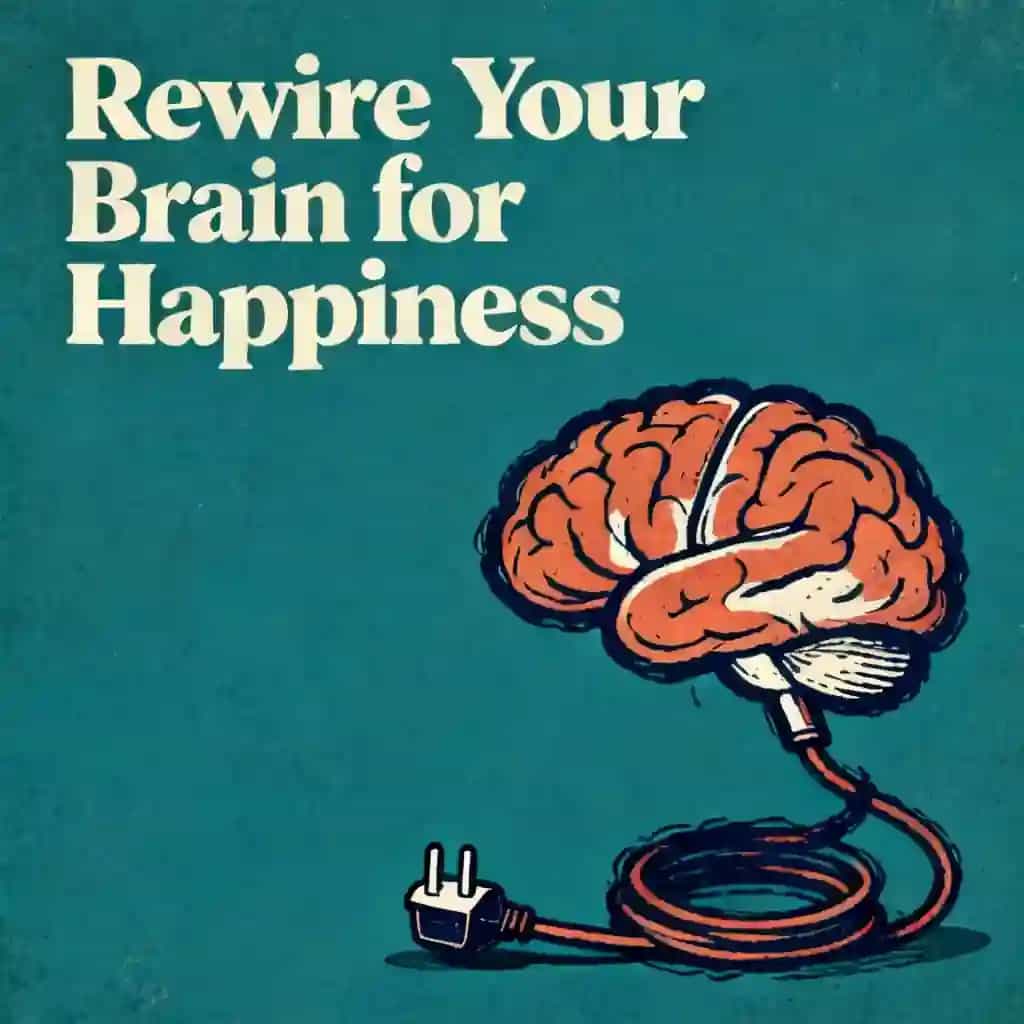
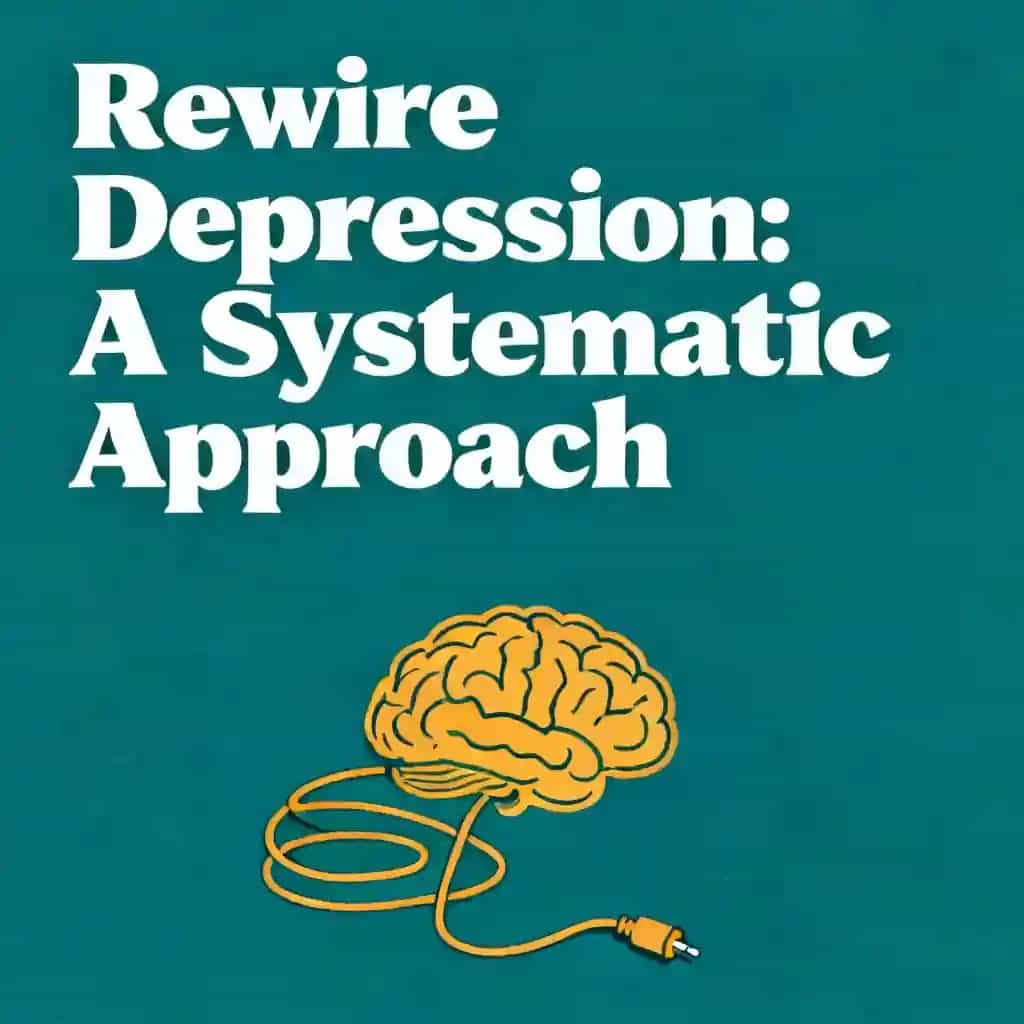
The fundamental insight of CBT is that your emotions are not directly caused by external events, but rather by your thoughts and interpretations of those events. Between every life event and the resulting emotion, there is a split-second thought that acts as a "remote control" for your mood. By identifying and changing these internal messages, you can effectively change your emotional state and even trigger different chemical reactions in your brain.
Cognitive distortions are twisted thinking patterns that act like a warped lens on your mind, causing you to see the world inaccurately. Common examples include "all-or-nothing thinking," where you view yourself as a total failure if you aren't perfect, and "overgeneralization," where you treat a single negative event as a never-ending pattern of defeat. These distortions often lead to unnecessary suffering because they rely on illogical "lies" rather than objective facts.
The Daily Mood Log is a tool used to put your thoughts "on trial" by documenting specific events, the resulting emotions, and the automatic negative thoughts that followed. By writing these thoughts down, you can more easily identify specific distortions like "mind reading" or "fortune telling." You then use a "double-column technique" to write rational, evidence-based responses to those thoughts, which helps rewire neural pathways and reduce the intensity of the negative emotion.
When people feel depressed or unmotivated, they often wait for a "spark" of motivation before starting a task, which leads to a cycle of procrastination and guilt. CBT suggests that taking even a tiny step—such as committing to just five minutes of work—proves to your brain that the task is less difficult and more satisfying than predicted. This small action creates the momentum and satisfaction that eventually leads to genuine motivation.
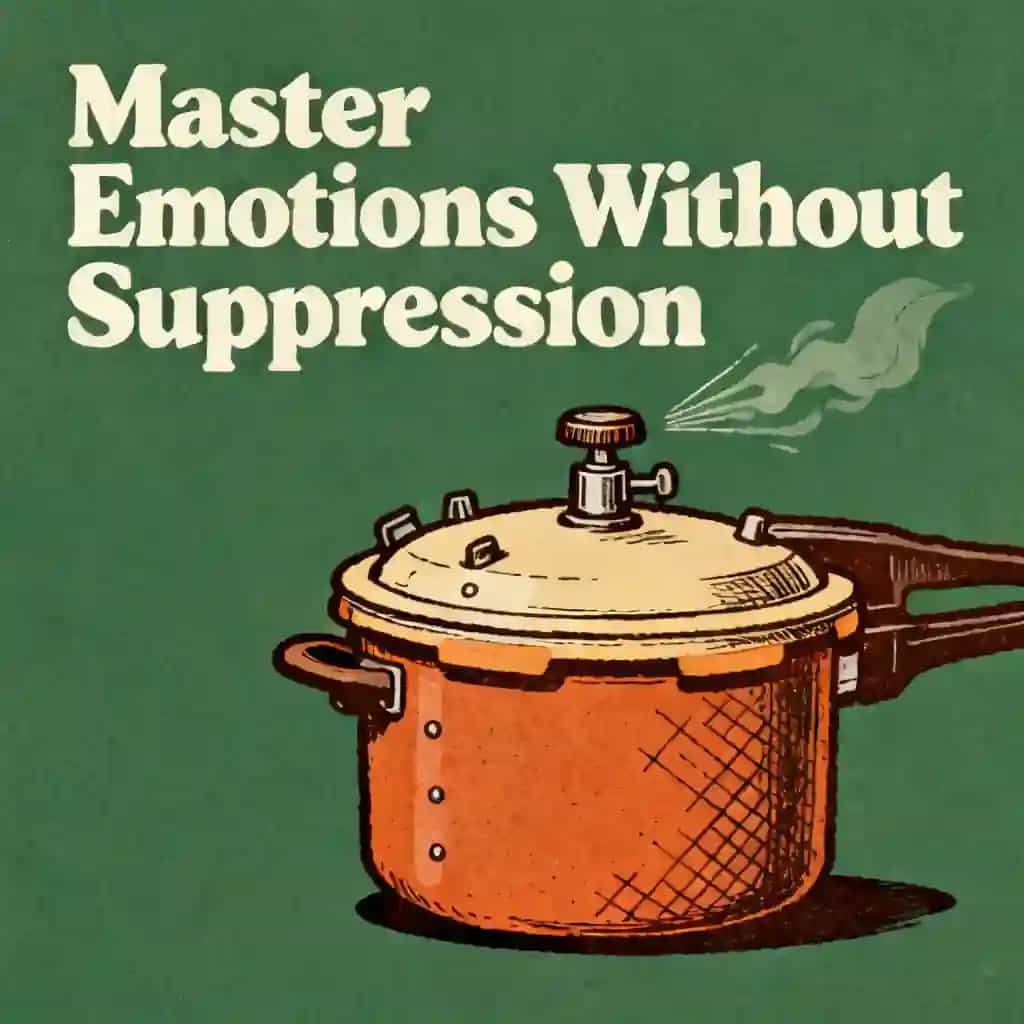
Anger is described as a secondary emotion that usually masks hurt or fear, following the equation: Anger equals Hurt plus Blame. To manage anger, the script suggests removing the "blame" component by practicing empathy and looking at the facts of the situation from the other person's perspective. By conducting a cost-benefit analysis, most people find that holding onto anger costs more in terms of personal peace and health than any perceived benefit of being "right."
From Columbia University alumni built in San Francisco
"Instead of endless scrolling, I just hit play on BeFreed. It saves me so much time."


"I never knew where to start with nonfiction—BeFreed’s book lists turned into podcasts gave me a clear path."


"Perfect balance between learning and entertainment. Finished ‘Thinking, Fast and Slow’ on my commute this week."
"Crazy how much I learned while walking the dog. BeFreed = small habits → big gains."
"Reading used to feel like a chore. Now it’s just part of my lifestyle."

"Feels effortless compared to reading. I’ve finished 6 books this month already."
"BeFreed turned my guilty doomscrolling into something that feels productive and inspiring."

"BeFreed turned my commute into learning time. 20-min podcasts are perfect for finishing books I never had time for."
"BeFreed replaced my podcast queue. Imagine Spotify for books — that’s it. 🙌"

"It is great for me to learn something from the book without reading it."
"The themed book list podcasts help me connect ideas across authors—like a guided audio journey."
"Makes me feel smarter every time before going to work"
From Columbia University alumni built in San Francisco
"Instead of endless scrolling, I just hit play on BeFreed. It saves me so much time."
"I never knew where to start with nonfiction—BeFreed’s book lists turned into podcasts gave me a clear path."
"Perfect balance between learning and entertainment. Finished ‘Thinking, Fast and Slow’ on my commute this week."
"Crazy how much I learned while walking the dog. BeFreed = small habits → big gains."
"Reading used to feel like a chore. Now it’s just part of my lifestyle."
"Feels effortless compared to reading. I’ve finished 6 books this month already."
"BeFreed turned my guilty doomscrolling into something that feels productive and inspiring."
"BeFreed turned my commute into learning time. 20-min podcasts are perfect for finishing books I never had time for."
"BeFreed replaced my podcast queue. Imagine Spotify for books — that’s it. 🙌"
"It is great for me to learn something from the book without reading it."
"The themed book list podcasts help me connect ideas across authors—like a guided audio journey."
"Makes me feel smarter every time before going to work"
"Instead of endless scrolling, I just hit play on BeFreed. It saves me so much time."
"I never knew where to start with nonfiction—BeFreed’s book lists turned into podcasts gave me a clear path."
"Perfect balance between learning and entertainment. Finished ‘Thinking, Fast and Slow’ on my commute this week."
"Crazy how much I learned while walking the dog. BeFreed = small habits → big gains."
"Reading used to feel like a chore. Now it’s just part of my lifestyle."
"Feels effortless compared to reading. I’ve finished 6 books this month already."
"BeFreed turned my guilty doomscrolling into something that feels productive and inspiring."
"BeFreed turned my commute into learning time. 20-min podcasts are perfect for finishing books I never had time for."
"BeFreed replaced my podcast queue. Imagine Spotify for books — that’s it. 🙌"
"It is great for me to learn something from the book without reading it."
"The themed book list podcasts help me connect ideas across authors—like a guided audio journey."
"Makes me feel smarter every time before going to work"
"Instead of endless scrolling, I just hit play on BeFreed. It saves me so much time."
"I never knew where to start with nonfiction—BeFreed’s book lists turned into podcasts gave me a clear path."
"Perfect balance between learning and entertainment. Finished ‘Thinking, Fast and Slow’ on my commute this week."
"Crazy how much I learned while walking the dog. BeFreed = small habits → big gains."
"Reading used to feel like a chore. Now it’s just part of my lifestyle."
"Feels effortless compared to reading. I’ve finished 6 books this month already."
"BeFreed turned my guilty doomscrolling into something that feels productive and inspiring."
"BeFreed turned my commute into learning time. 20-min podcasts are perfect for finishing books I never had time for."
"BeFreed replaced my podcast queue. Imagine Spotify for books — that’s it. 🙌"
"It is great for me to learn something from the book without reading it."
"The themed book list podcasts help me connect ideas across authors—like a guided audio journey."
"Makes me feel smarter every time before going to work"












![[10f6c3f6-a98a-4bcf-9d6f-3de7347bf8fa:c0001] In brief: Cognitive behavioral therapy (CBT) - InformedHealth.org - NCBI Bookshelf p1-1](/_next/image?url=https%3A%2F%2Fd1y2du6z1jfm9e.cloudfront.net%2Fassets%2Fpodcast%2Fgreen.png&w=1024&q=50)


