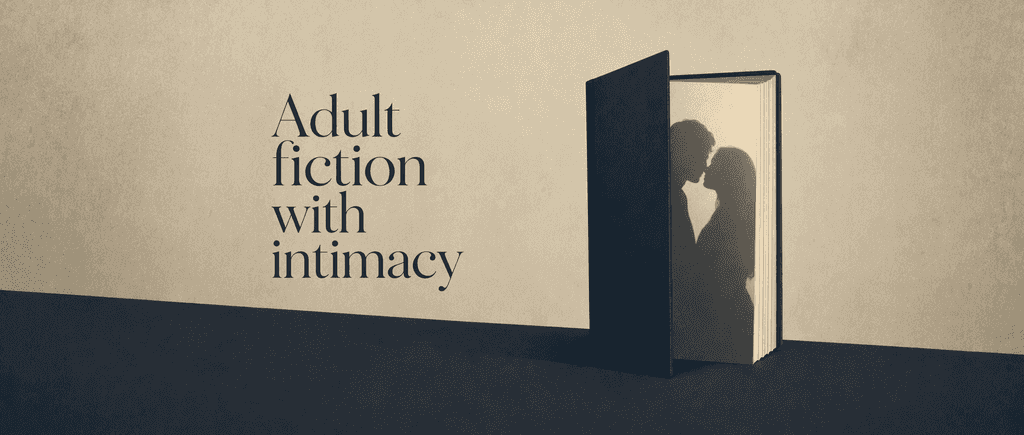
Erotica and the female perspective in fiction
Why does great erotica focus on the mind? Explore how emotional tension and psychological depth transform stories into immersive sensory experiences.

Best quote from Erotica and the female perspective in fiction
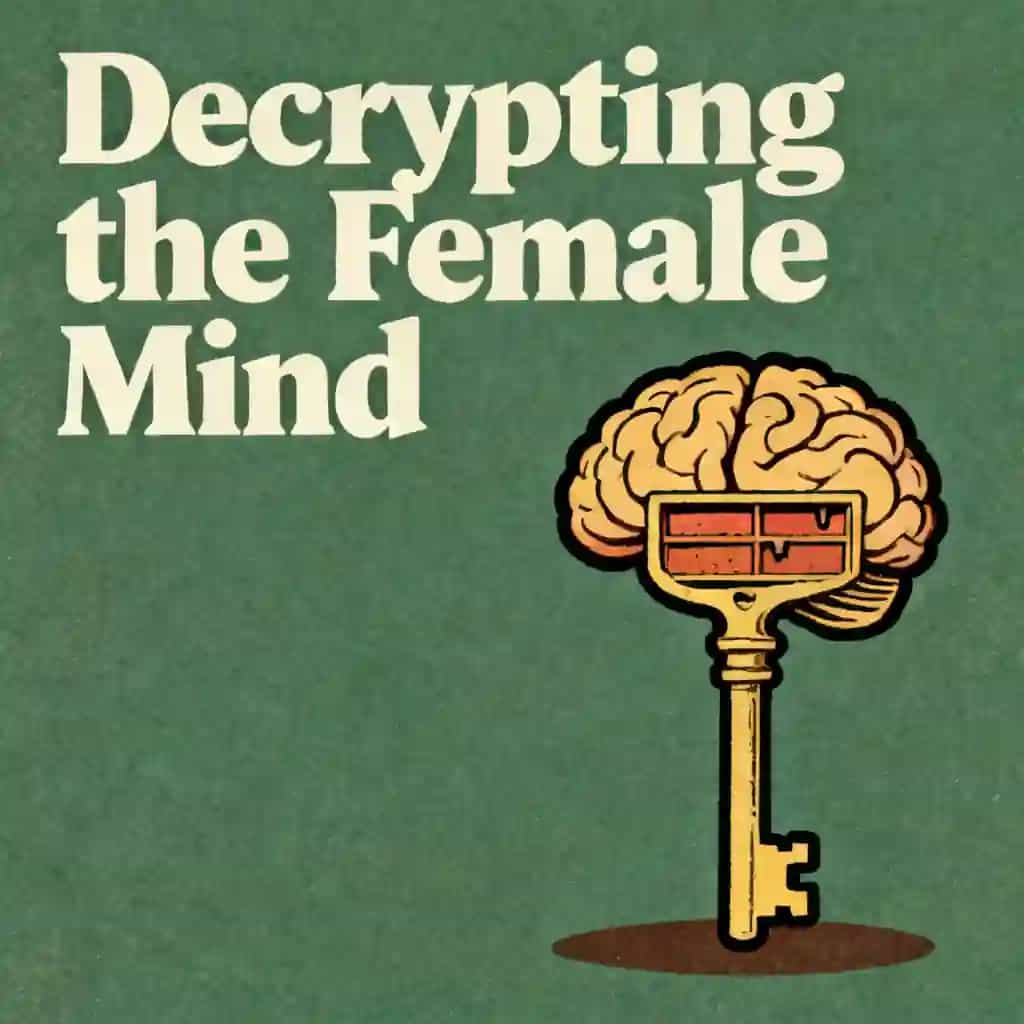
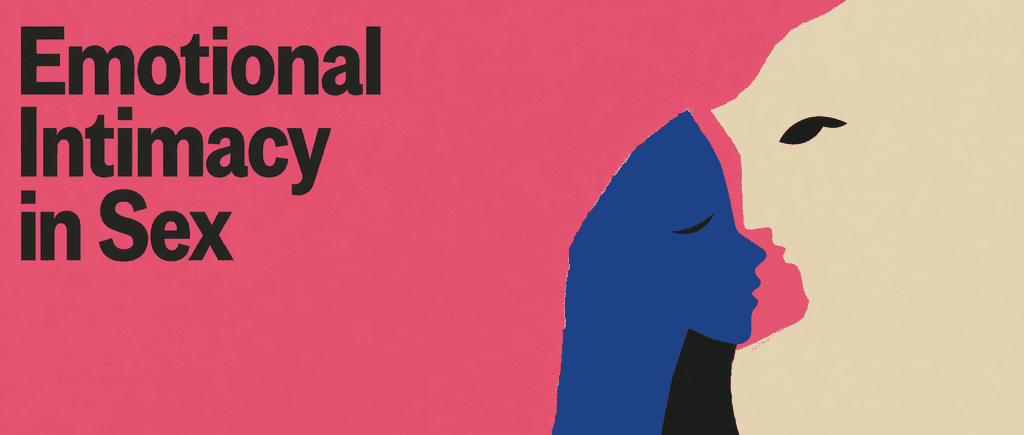
For many women, the brain is actually the most important erogenous zone. If the mental engagement is the goal, then the structure has to be about more than just a sequence of events.
Generated by Wy8earp
Erotica




Frequently Asked Questions
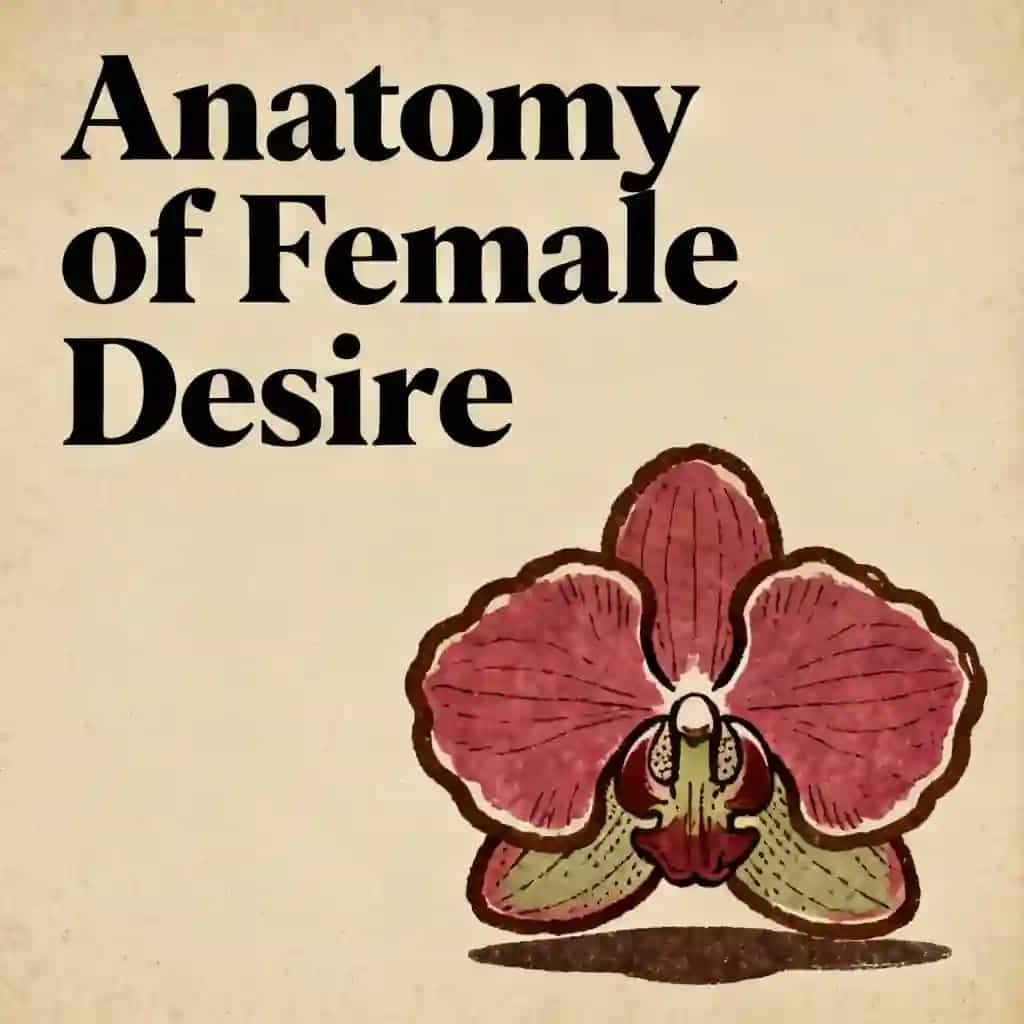
The script suggests that for many people, especially women, mental engagement is the primary driver of sexual experience. This perspective shifts the focus of erotica from simple physical acts to emotional depth, psychological tension, and the "slow burn" of anticipation. When the brain is engaged through narrative conflict and internal character growth, the fictional experience can feel as real to the listener as a physical one, making the mental landscape the true site of intimacy.
Moral incongruence occurs when a person’s consumption of erotic content does not align with their personal values or beliefs. According to recent psychological studies mentioned in the script, individuals with high moral incongruence often experience a "shame spike" or "brain fog" after consuming such content. This creates a negative "opponent process" where the initial dopamine high is followed by a punishing emotional slump, potentially leading to a downward shift in baseline mood over time.
In the modern publishing landscape, tropes like "enemies-to-lovers" or "forced proximity" have evolved from clichés into a sophisticated form of metadata or "trope literacy." Readers use these specific tags to filter for their preferred emotional intensity and "safety" levels. This shorthand allows for community-centric discovery, where readers can curate specific emotional experiences—such as "quiet intimacy" or "high-intensity romantasy"—with high precision.
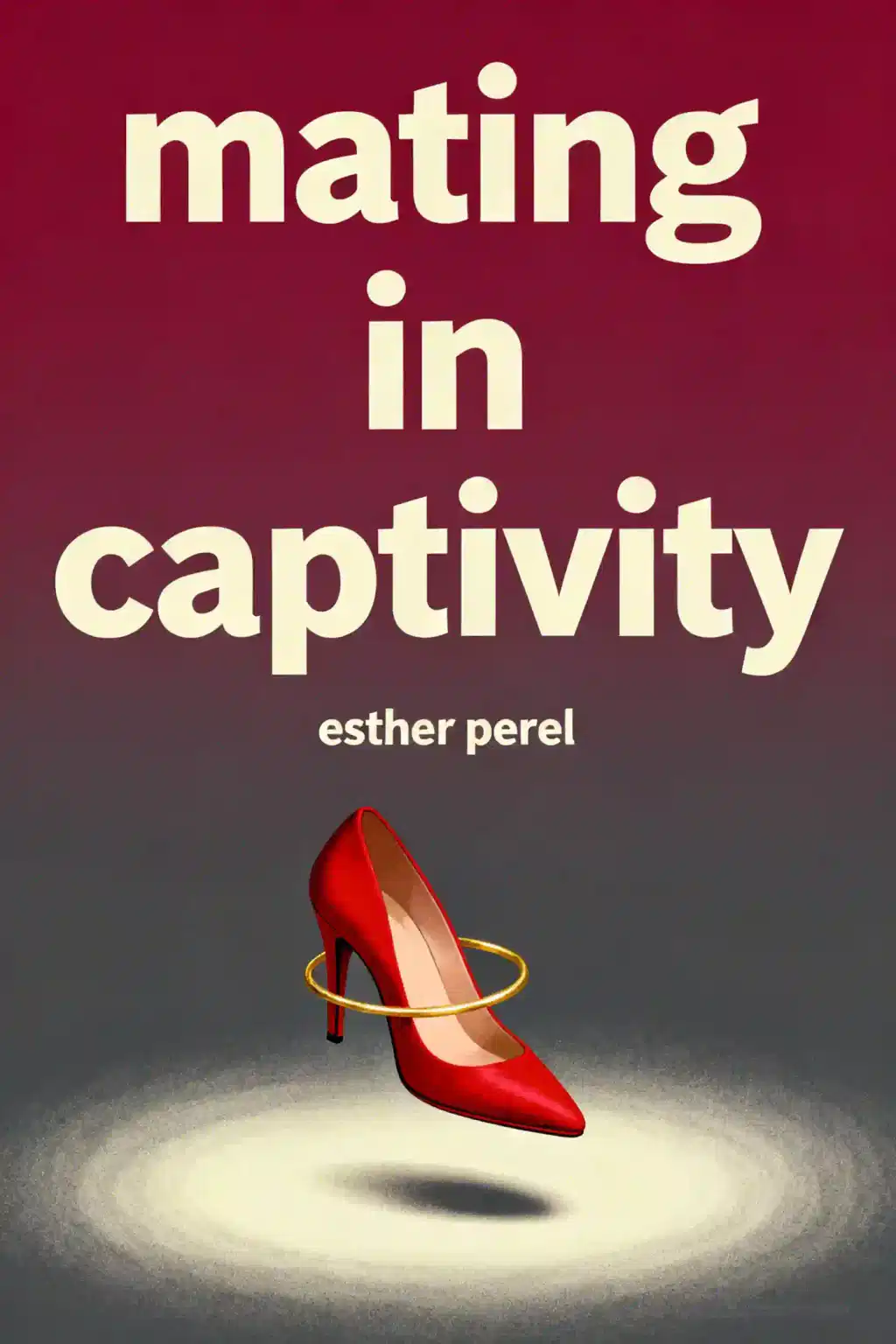
The script highlights a significant gap between "efficient" fictional portrayals and human reality. In romance novels, female characters often reach orgasm quickly and almost exclusively through penetration, whereas real-world health data shows that a large percentage of women require clitoral stimulation and significantly more time. While these stories provide valuable escapism and can boost sexual confidence, experts warn that they often omit the "mundane" or "awkward" aspects of real-life sex, such as communication and physical hurdles.
From Columbia University alumni built in San Francisco
"Instead of endless scrolling, I just hit play on BeFreed. It saves me so much time."


"I never knew where to start with nonfiction—BeFreed’s book lists turned into podcasts gave me a clear path."


"Perfect balance between learning and entertainment. Finished ‘Thinking, Fast and Slow’ on my commute this week."
"Crazy how much I learned while walking the dog. BeFreed = small habits → big gains."
"Reading used to feel like a chore. Now it’s just part of my lifestyle."

"Feels effortless compared to reading. I’ve finished 6 books this month already."
"BeFreed turned my guilty doomscrolling into something that feels productive and inspiring."

"BeFreed turned my commute into learning time. 20-min podcasts are perfect for finishing books I never had time for."
"BeFreed replaced my podcast queue. Imagine Spotify for books — that’s it. 🙌"

"It is great for me to learn something from the book without reading it."
"The themed book list podcasts help me connect ideas across authors—like a guided audio journey."
"Makes me feel smarter every time before going to work"
From Columbia University alumni built in San Francisco
"Instead of endless scrolling, I just hit play on BeFreed. It saves me so much time."
"I never knew where to start with nonfiction—BeFreed’s book lists turned into podcasts gave me a clear path."
"Perfect balance between learning and entertainment. Finished ‘Thinking, Fast and Slow’ on my commute this week."
"Crazy how much I learned while walking the dog. BeFreed = small habits → big gains."
"Reading used to feel like a chore. Now it’s just part of my lifestyle."
"Feels effortless compared to reading. I’ve finished 6 books this month already."
"BeFreed turned my guilty doomscrolling into something that feels productive and inspiring."
"BeFreed turned my commute into learning time. 20-min podcasts are perfect for finishing books I never had time for."
"BeFreed replaced my podcast queue. Imagine Spotify for books — that’s it. 🙌"
"It is great for me to learn something from the book without reading it."
"The themed book list podcasts help me connect ideas across authors—like a guided audio journey."
"Makes me feel smarter every time before going to work"
"Instead of endless scrolling, I just hit play on BeFreed. It saves me so much time."
"I never knew where to start with nonfiction—BeFreed’s book lists turned into podcasts gave me a clear path."
"Perfect balance between learning and entertainment. Finished ‘Thinking, Fast and Slow’ on my commute this week."
"Crazy how much I learned while walking the dog. BeFreed = small habits → big gains."
"Reading used to feel like a chore. Now it’s just part of my lifestyle."
"Feels effortless compared to reading. I’ve finished 6 books this month already."
"BeFreed turned my guilty doomscrolling into something that feels productive and inspiring."
"BeFreed turned my commute into learning time. 20-min podcasts are perfect for finishing books I never had time for."
"BeFreed replaced my podcast queue. Imagine Spotify for books — that’s it. 🙌"
"It is great for me to learn something from the book without reading it."
"The themed book list podcasts help me connect ideas across authors—like a guided audio journey."
"Makes me feel smarter every time before going to work"
"Instead of endless scrolling, I just hit play on BeFreed. It saves me so much time."
"I never knew where to start with nonfiction—BeFreed’s book lists turned into podcasts gave me a clear path."
"Perfect balance between learning and entertainment. Finished ‘Thinking, Fast and Slow’ on my commute this week."
"Crazy how much I learned while walking the dog. BeFreed = small habits → big gains."
"Reading used to feel like a chore. Now it’s just part of my lifestyle."
"Feels effortless compared to reading. I’ve finished 6 books this month already."
"BeFreed turned my guilty doomscrolling into something that feels productive and inspiring."
"BeFreed turned my commute into learning time. 20-min podcasts are perfect for finishing books I never had time for."
"BeFreed replaced my podcast queue. Imagine Spotify for books — that’s it. 🙌"
"It is great for me to learn something from the book without reading it."
"The themed book list podcasts help me connect ideas across authors—like a guided audio journey."
"Makes me feel smarter every time before going to work"