Elon Musk: First Principles, Physics-Based Thinking & Idiot Index
Learn Elon Musk’s first principles thinking and the Idiot Index to challenge industry standards, reduce costs, and apply a rigorous physics-based operating system.

Best quote from Elon Musk: First Principles, Physics-Based Thinking & Idiot Index
One of the most powerful shifts you can make is realizing that physics is the only law, and everything else is just a recommendation.
Generated by matt
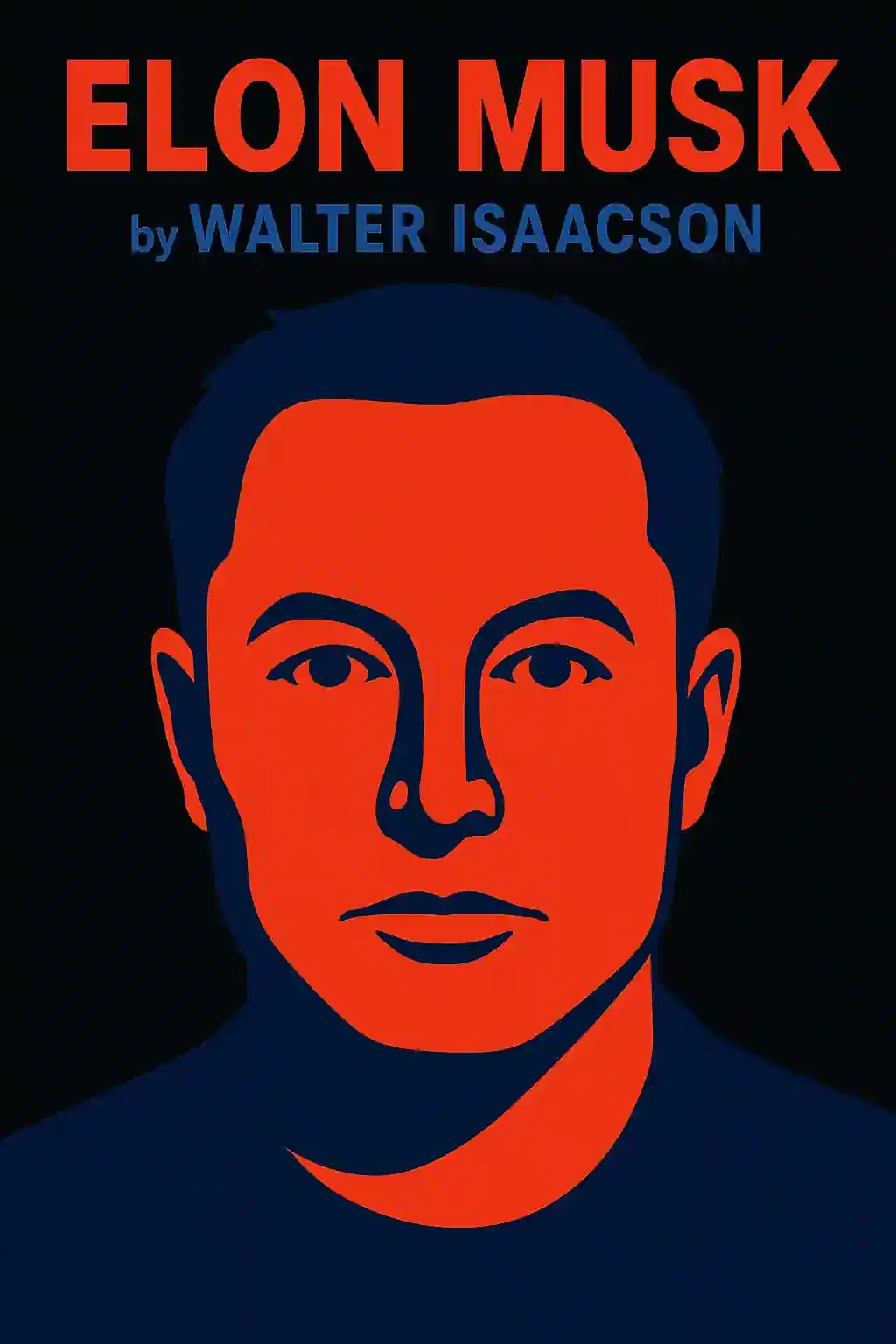
An audio lesson based on Eric Jorgenson's 'The Anthology of Elon Musk' (The Book of Elon), specifically focusing on Musk's mental models and ways of thinking.






Frequently Asked Questions
First principles thinking is a physics-based operating system that involves breaking problems down into fundamental truths rather than reasoning by analogy. Instead of following industry standards or budgets, this approach focuses on what is physically possible. By looking at the raw materials and basic laws of physics, you can identify massive gaps between current costs and actual potential, allowing for radical innovation and significant cost reduction in complex projects.
The Idiot Index is a calculation used to determine the efficiency of a product's manufacturing or development. It compares the total cost of a finished product to the cost of its basic raw materials. For example, if a rocket costs sixty-five million dollars but the raw materials only account for 2% of that price, the high Idiot Index suggests there is significant room for optimization and process improvement by questioning unnecessary markups.
The five-step engineering algorithm is a rigorous process designed to streamline production and eliminate waste. A key takeaway from this method is that the most dangerous mistake is optimizing a process that should not even exist. By applying this physics-based thinking, you learn to question every requirement, delete unnecessary parts, and ensure you are not wasting effort on tasks that do not contribute to the final goal of the project.
Physics-based thinking treats industry standards and schedules as mere recommendations, viewing physics as the only true law. This mindset allowed a startup to reduce the cost per kilogram of space transport by over 95%. By analyzing the fundamental costs of raw materials rather than accepting traditional pricing, leaders can tear down mental habits that keep thinking small and find ways to build things that others claim are technically impossible or too expensive.
From Columbia University alumni built in San Francisco
BeFreed Brings Together A Global Community Of Curious Minds


"Instead of endless scrolling, I just hit play on BeFreed. It saves me so much time."


"I never knew where to start with nonfiction—BeFreed’s book lists turned into podcasts gave me a clear path."


"Perfect balance between learning and entertainment. Finished ‘Thinking, Fast and Slow’ on my commute this week."
"Crazy how much I learned while walking the dog. BeFreed = small habits → big gains."
"Reading used to feel like a chore. Now it’s just part of my lifestyle."

"Feels effortless compared to reading. I’ve finished 6 books this month already."
"BeFreed turned my guilty doomscrolling into something that feels productive and inspiring."

"BeFreed turned my commute into learning time. 20-min podcasts are perfect for finishing books I never had time for."
"BeFreed replaced my podcast queue. Imagine Spotify for books — that’s it. 🙌"

"It is great for me to learn something from the book without reading it."
"The themed book list podcasts help me connect ideas across authors—like a guided audio journey."
"Makes me feel smarter every time before going to work"
From Columbia University alumni built in San Francisco
BeFreed Brings Together A Global Community Of Curious Minds
"Instead of endless scrolling, I just hit play on BeFreed. It saves me so much time."
"I never knew where to start with nonfiction—BeFreed’s book lists turned into podcasts gave me a clear path."
"Perfect balance between learning and entertainment. Finished ‘Thinking, Fast and Slow’ on my commute this week."
"Crazy how much I learned while walking the dog. BeFreed = small habits → big gains."
"Reading used to feel like a chore. Now it’s just part of my lifestyle."
"Feels effortless compared to reading. I’ve finished 6 books this month already."
"BeFreed turned my guilty doomscrolling into something that feels productive and inspiring."
"BeFreed turned my commute into learning time. 20-min podcasts are perfect for finishing books I never had time for."
"BeFreed replaced my podcast queue. Imagine Spotify for books — that’s it. 🙌"
"It is great for me to learn something from the book without reading it."
"The themed book list podcasts help me connect ideas across authors—like a guided audio journey."
"Makes me feel smarter every time before going to work"
"Instead of endless scrolling, I just hit play on BeFreed. It saves me so much time."
"I never knew where to start with nonfiction—BeFreed’s book lists turned into podcasts gave me a clear path."
"Perfect balance between learning and entertainment. Finished ‘Thinking, Fast and Slow’ on my commute this week."
"Crazy how much I learned while walking the dog. BeFreed = small habits → big gains."
"Reading used to feel like a chore. Now it’s just part of my lifestyle."
"Feels effortless compared to reading. I’ve finished 6 books this month already."
"BeFreed turned my guilty doomscrolling into something that feels productive and inspiring."
"BeFreed turned my commute into learning time. 20-min podcasts are perfect for finishing books I never had time for."
"BeFreed replaced my podcast queue. Imagine Spotify for books — that’s it. 🙌"
"It is great for me to learn something from the book without reading it."
"The themed book list podcasts help me connect ideas across authors—like a guided audio journey."
"Makes me feel smarter every time before going to work"
"Instead of endless scrolling, I just hit play on BeFreed. It saves me so much time."
"I never knew where to start with nonfiction—BeFreed’s book lists turned into podcasts gave me a clear path."
"Perfect balance between learning and entertainment. Finished ‘Thinking, Fast and Slow’ on my commute this week."
"Crazy how much I learned while walking the dog. BeFreed = small habits → big gains."
"Reading used to feel like a chore. Now it’s just part of my lifestyle."
"Feels effortless compared to reading. I’ve finished 6 books this month already."
"BeFreed turned my guilty doomscrolling into something that feels productive and inspiring."
"BeFreed turned my commute into learning time. 20-min podcasts are perfect for finishing books I never had time for."
"BeFreed replaced my podcast queue. Imagine Spotify for books — that’s it. 🙌"
"It is great for me to learn something from the book without reading it."
"The themed book list podcasts help me connect ideas across authors—like a guided audio journey."
"Makes me feel smarter every time before going to work"