Distributions: Revolutionizing PDEs
Explore how distribution theory transformed our approach to partial differential equations, allowing mathematicians to work with 'functions' that aren't functions and define derivatives where classical calculus fails.

Best quote from Distributions: Revolutionizing PDEs
Distributions work by flipping the whole problem around: instead of trying to differentiate nasty functions directly, we define them by how they act on smooth test functions. It's like understanding a person not by looking at them directly, but by observing how they interact with everyone around them.

This audio lesson was created by a BeFreed community member
Le rôle des distributions dans les équations aux dérivées partielles

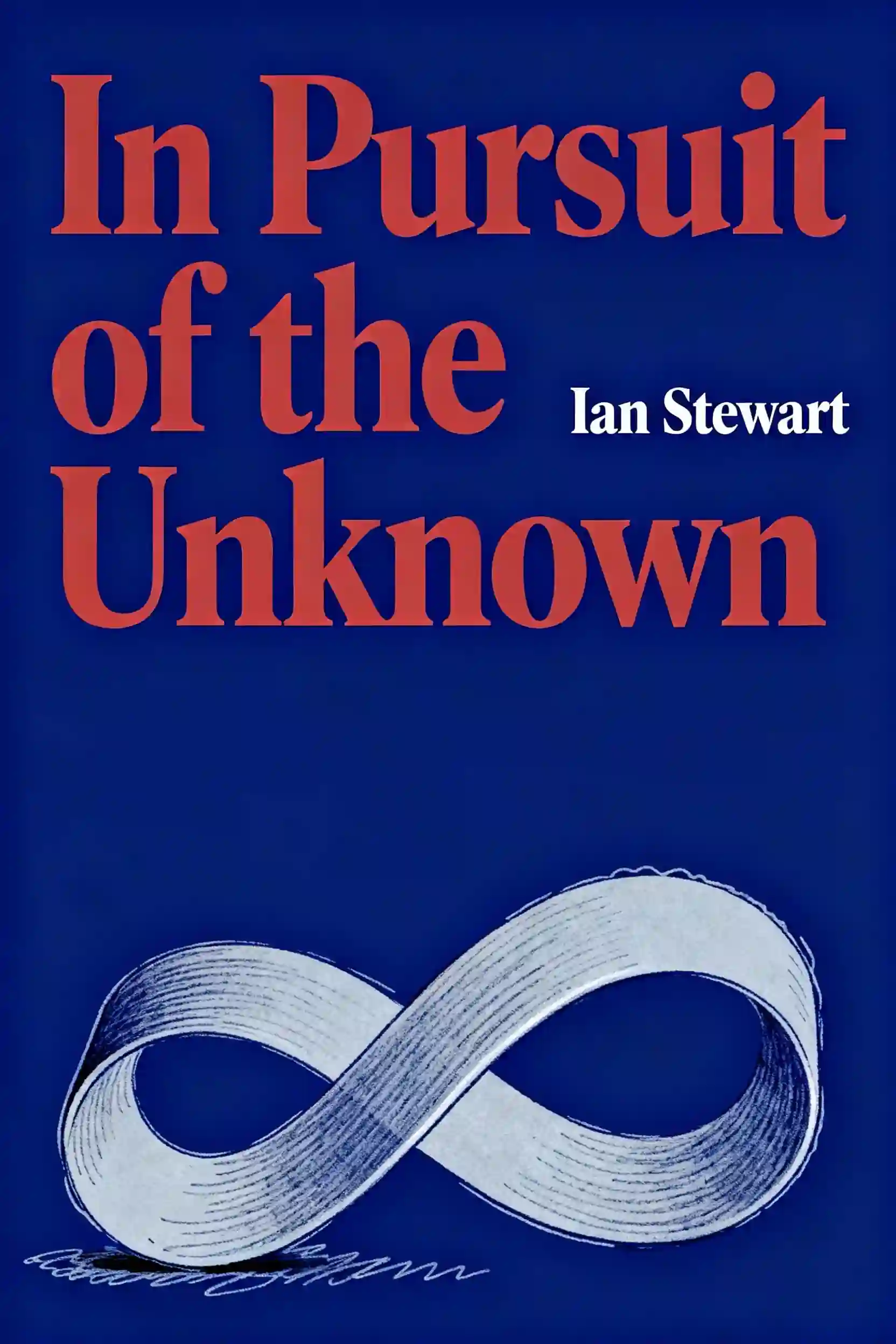
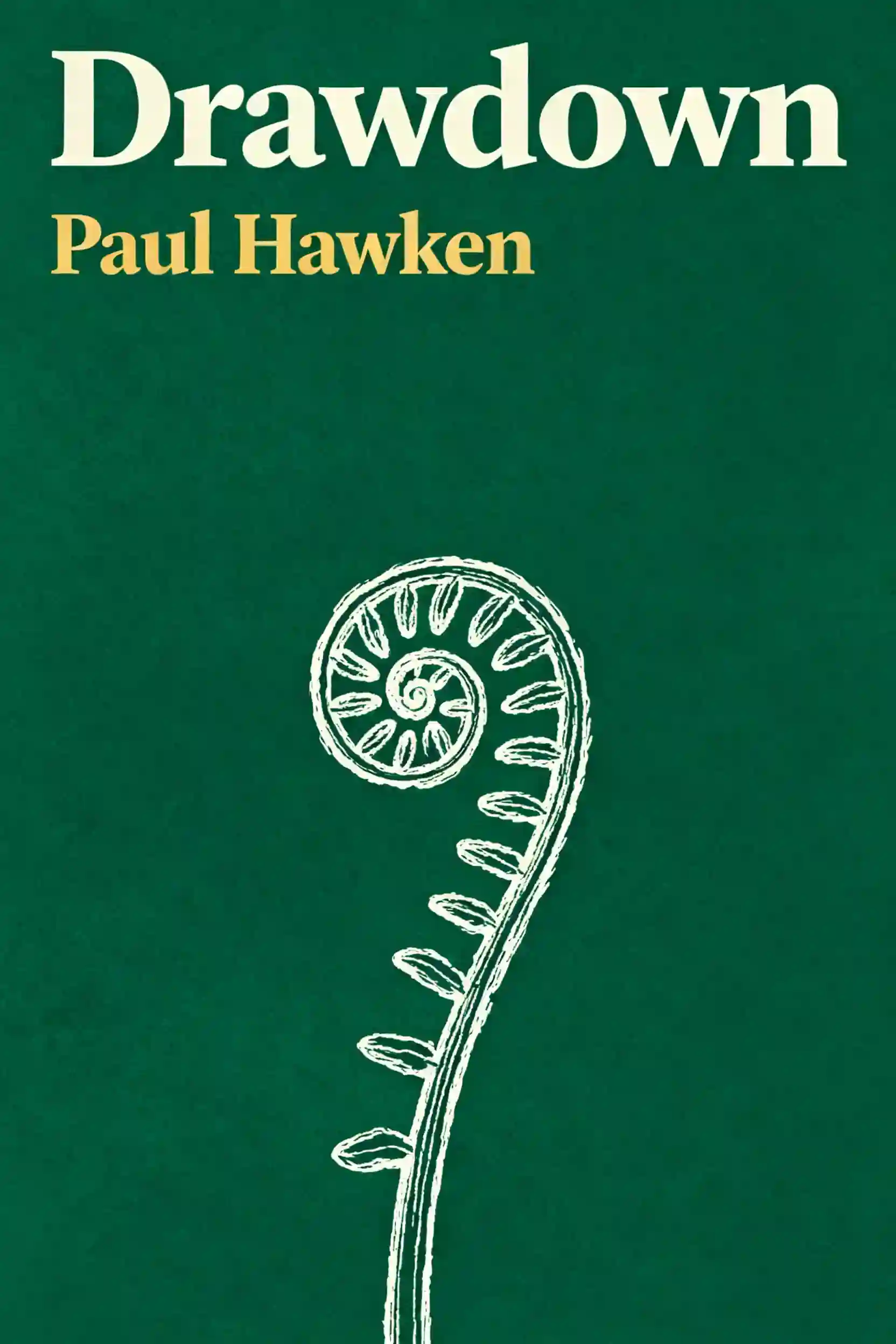
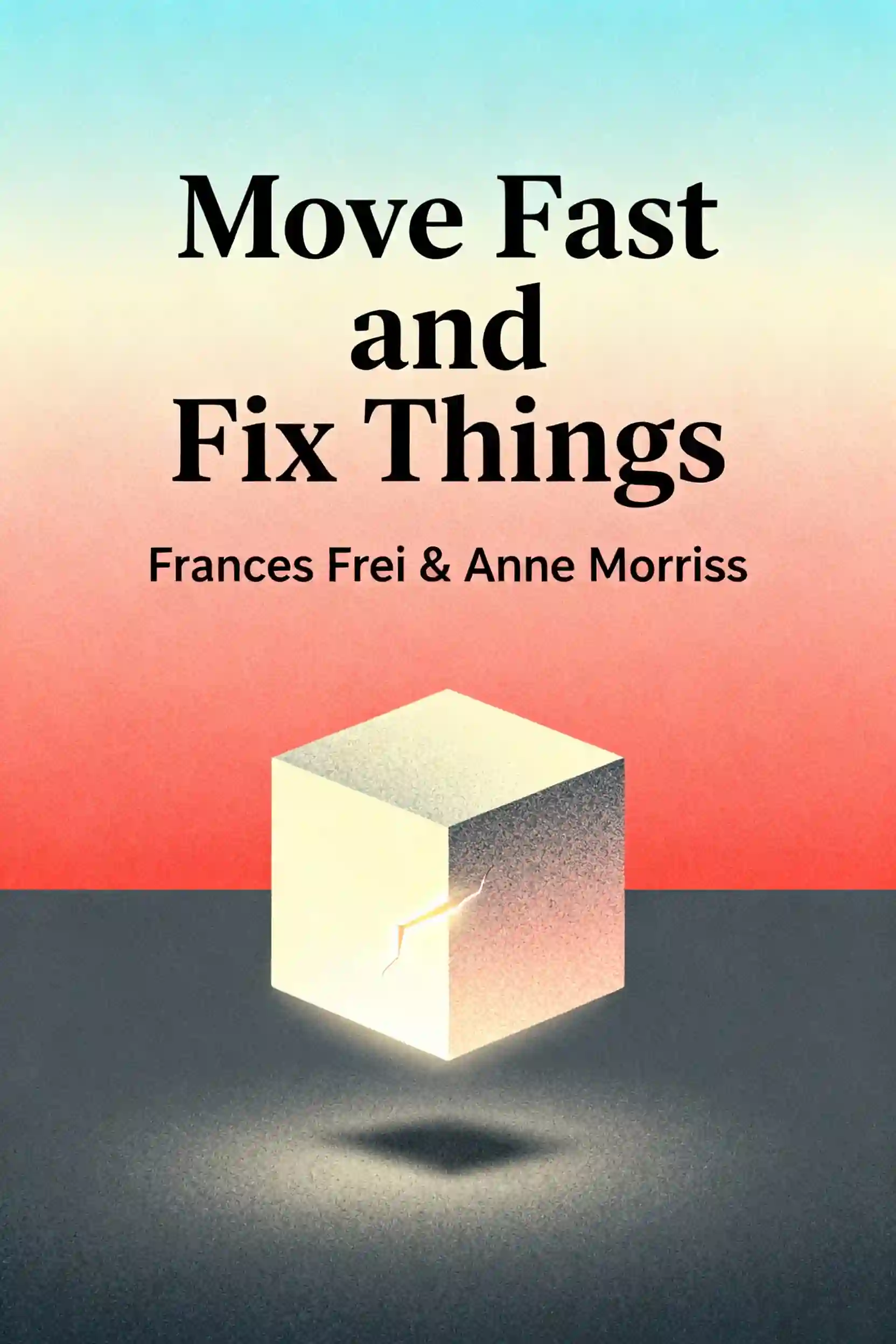
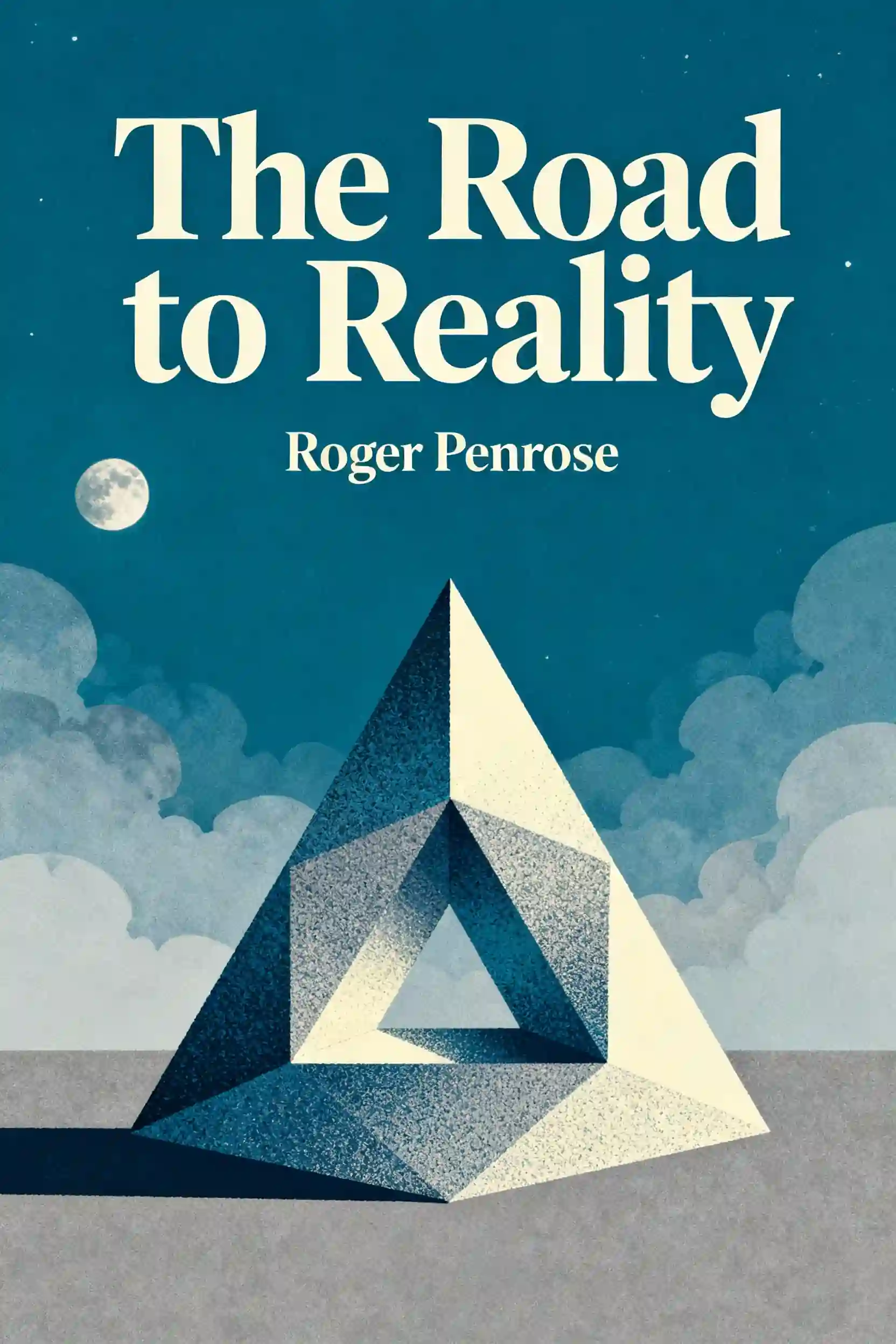
Discover more
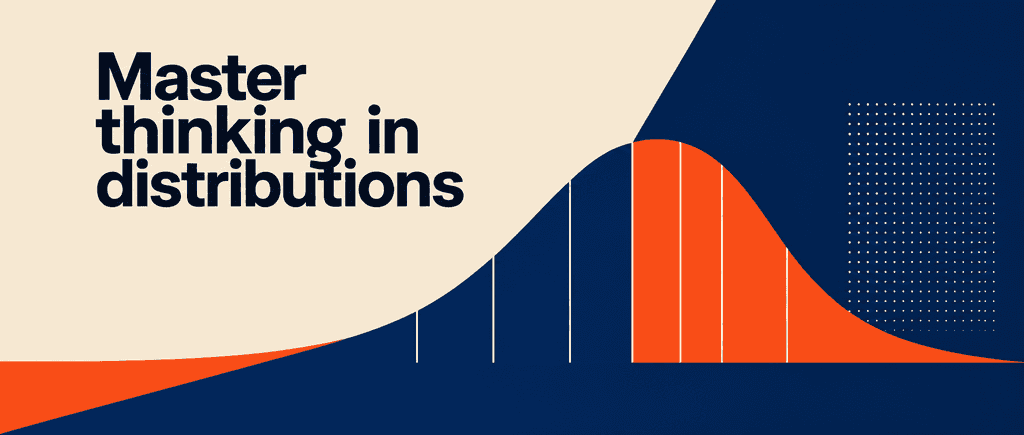
Master thinking in distributions
In an increasingly complex world, the ability to quantify uncertainty is a superpower for leaders and analysts. This plan bridges the gap between raw statistics and practical decision-making for anyone looking to master risk.

The Great Mathematical Debate
This learning plan bridges the gap between abstract philosophy and rigorous mathematics, offering deep insights into how we perceive universal truths. It is ideal for students, educators, and thinkers who want to understand whether math is discovered or invented.

Physics theories
This learning plan provides a comprehensive journey through the evolution of physics, from classical mechanics to the frontiers of modern theoretical research. It's ideal for curious minds seeking to understand how our view of reality has transformed over centuries, science enthusiasts wanting a solid conceptual foundation in physics without heavy mathematics, and anyone fascinated by questions about the nature of space, time, and the universe itself.

Mathematics
This comprehensive path bridges the gap between basic arithmetic and the advanced theories that define our physical reality. It is ideal for students, professionals, or lifelong learners seeking to sharpen their analytical intuition and master the universal language of logic.

Dominio de Pre-Cálculo: de Álgebra a Axiomas
Este plan es fundamental para estudiantes que buscan cerrar la brecha entre el álgebra escolar y el cálculo universitario. Es ideal para futuros ingenieros o matemáticos que necesitan tanto destreza operativa como una comprensión profunda de la lógica formal.

Master Classical Physics with Equations
This curriculum provides a rigorous foundation in the mathematical framework of the physical world, bridging the gap between basic concepts and advanced theory. It is ideal for aspiring physicists, engineers, and students who want to move beyond conceptual understanding to achieve true quantitative mastery.

From Clockwork to Quanta
This learning plan provides a vital bridge between the intuitive laws of Newton and the complex, counter-intuitive reality of modern physics. It is ideal for science enthusiasts and students seeking to understand how the collapse of classical certainty birthed the quantum revolution.

Quantum Physics through Matrix Mechanics
This plan bridges the gap between abstract physics and linear algebra, making it essential for aspiring quantum computing engineers and physics students. It provides a rigorous mathematical foundation for understanding how information is processed and measured in the quantum realm.
From Columbia University alumni built in San Francisco
"Instead of endless scrolling, I just hit play on BeFreed. It saves me so much time."


"I never knew where to start with nonfiction—BeFreed’s book lists turned into podcasts gave me a clear path."


"Perfect balance between learning and entertainment. Finished ‘Thinking, Fast and Slow’ on my commute this week."
"Crazy how much I learned while walking the dog. BeFreed = small habits → big gains."
"Reading used to feel like a chore. Now it’s just part of my lifestyle."

"Feels effortless compared to reading. I’ve finished 6 books this month already."
"BeFreed turned my guilty doomscrolling into something that feels productive and inspiring."

"BeFreed turned my commute into learning time. 20-min podcasts are perfect for finishing books I never had time for."
"BeFreed replaced my podcast queue. Imagine Spotify for books — that’s it. 🙌"

"It is great for me to learn something from the book without reading it."
"The themed book list podcasts help me connect ideas across authors—like a guided audio journey."
"Makes me feel smarter every time before going to work"
From Columbia University alumni built in San Francisco
"Instead of endless scrolling, I just hit play on BeFreed. It saves me so much time."
"I never knew where to start with nonfiction—BeFreed’s book lists turned into podcasts gave me a clear path."
"Perfect balance between learning and entertainment. Finished ‘Thinking, Fast and Slow’ on my commute this week."
"Crazy how much I learned while walking the dog. BeFreed = small habits → big gains."
"Reading used to feel like a chore. Now it’s just part of my lifestyle."
"Feels effortless compared to reading. I’ve finished 6 books this month already."
"BeFreed turned my guilty doomscrolling into something that feels productive and inspiring."
"BeFreed turned my commute into learning time. 20-min podcasts are perfect for finishing books I never had time for."
"BeFreed replaced my podcast queue. Imagine Spotify for books — that’s it. 🙌"
"It is great for me to learn something from the book without reading it."
"The themed book list podcasts help me connect ideas across authors—like a guided audio journey."
"Makes me feel smarter every time before going to work"
"Instead of endless scrolling, I just hit play on BeFreed. It saves me so much time."
"I never knew where to start with nonfiction—BeFreed’s book lists turned into podcasts gave me a clear path."
"Perfect balance between learning and entertainment. Finished ‘Thinking, Fast and Slow’ on my commute this week."
"Crazy how much I learned while walking the dog. BeFreed = small habits → big gains."
"Reading used to feel like a chore. Now it’s just part of my lifestyle."
"Feels effortless compared to reading. I’ve finished 6 books this month already."
"BeFreed turned my guilty doomscrolling into something that feels productive and inspiring."
"BeFreed turned my commute into learning time. 20-min podcasts are perfect for finishing books I never had time for."
"BeFreed replaced my podcast queue. Imagine Spotify for books — that’s it. 🙌"
"It is great for me to learn something from the book without reading it."
"The themed book list podcasts help me connect ideas across authors—like a guided audio journey."
"Makes me feel smarter every time before going to work"
"Instead of endless scrolling, I just hit play on BeFreed. It saves me so much time."
"I never knew where to start with nonfiction—BeFreed’s book lists turned into podcasts gave me a clear path."
"Perfect balance between learning and entertainment. Finished ‘Thinking, Fast and Slow’ on my commute this week."
"Crazy how much I learned while walking the dog. BeFreed = small habits → big gains."
"Reading used to feel like a chore. Now it’s just part of my lifestyle."
"Feels effortless compared to reading. I’ve finished 6 books this month already."
"BeFreed turned my guilty doomscrolling into something that feels productive and inspiring."
"BeFreed turned my commute into learning time. 20-min podcasts are perfect for finishing books I never had time for."
"BeFreed replaced my podcast queue. Imagine Spotify for books — that’s it. 🙌"
"It is great for me to learn something from the book without reading it."
"The themed book list podcasts help me connect ideas across authors—like a guided audio journey."
"Makes me feel smarter every time before going to work"