Little Known Dinosaur Facts: Fun and Interesting Prehistoric Trivia
Explore little known dinosaur facts and prehistoric life in this fun podcast. Discover amazing fossil discoveries and the secrets of ancient reptiles today.
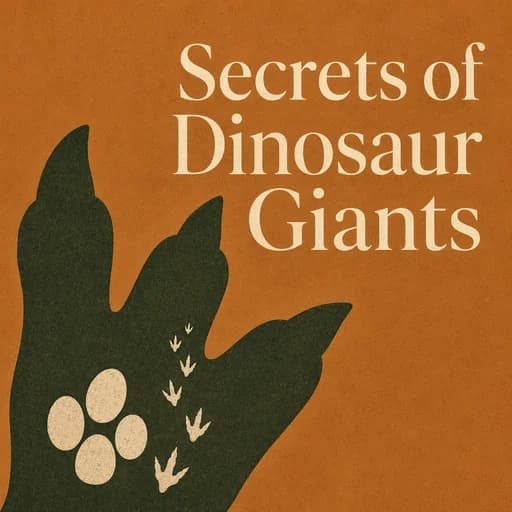
Best quote from Little Known Dinosaur Facts: Fun and Interesting Prehistoric Trivia
The Mesozoic was not a silent, dusty museum hall—it was a high-speed, sensory-overloaded reality. It was a 165-million-year-long experiment in radical biology where dinosaurs were getting weirder, smarter, and more specialized.
Generated by Cara Murphy
Create a fun and interesting podcast about dinosaurs and little known dinosaur facts

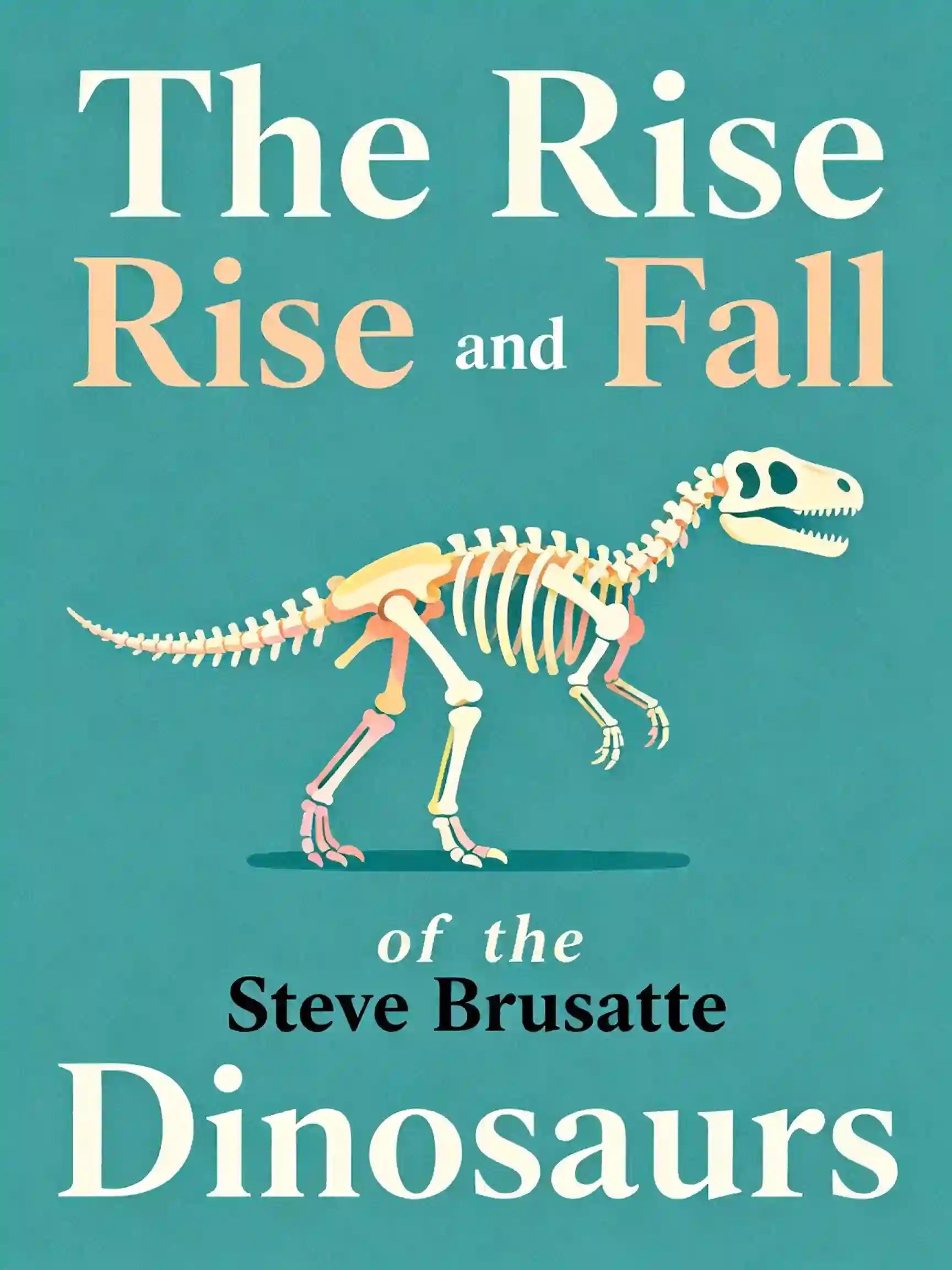
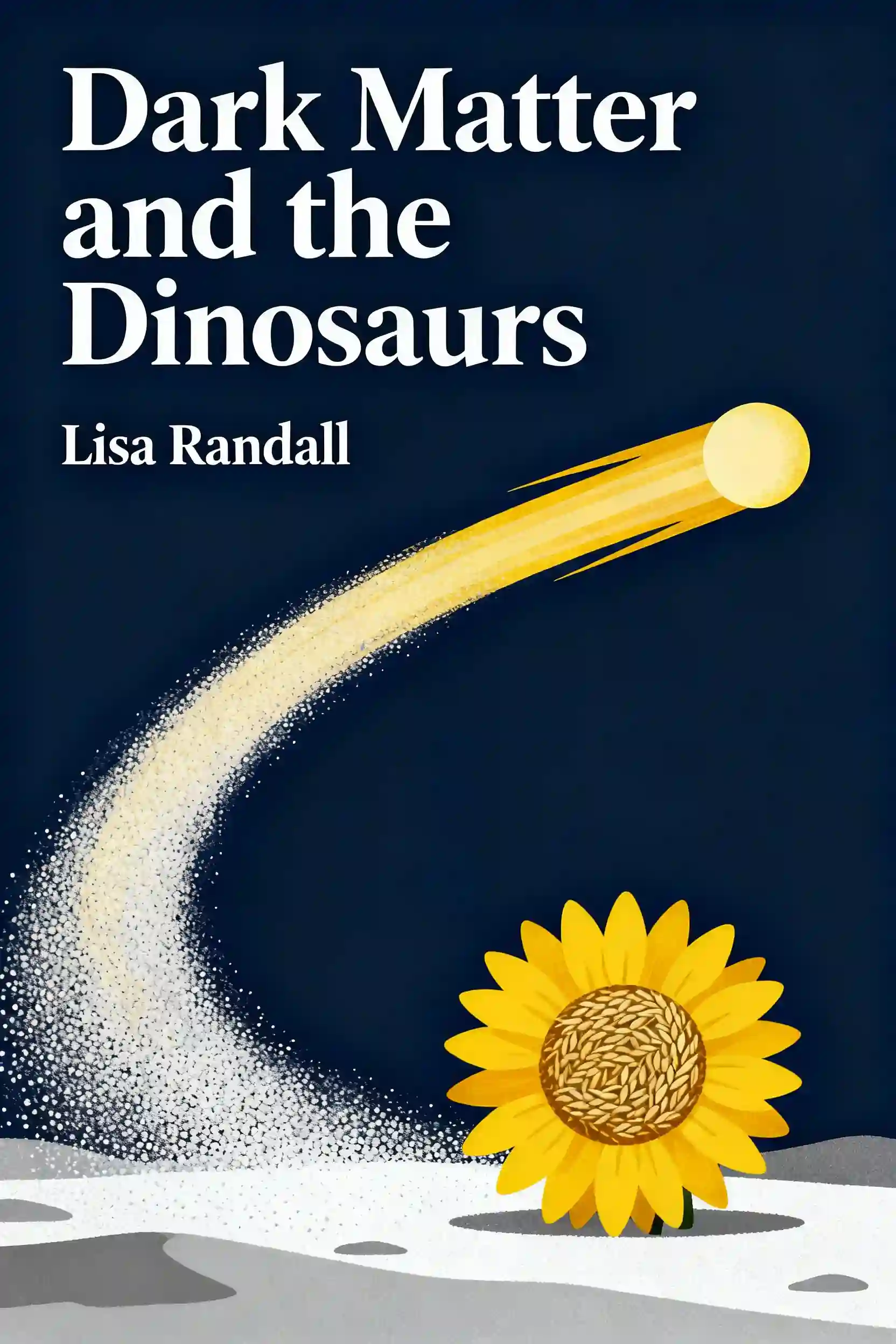
Frequently Asked Questions
This podcast focuses on little known dinosaur facts that go beyond the typical textbook information. Listeners can expect to learn about unique prehistoric life, recent fossil discoveries, and surprising behaviors of ancient reptiles. Each episode is designed to be both fun and interesting, making complex paleontology accessible to everyone from casual fans to dedicated dinosaur enthusiasts who want to expand their knowledge of the Mesozoic era.
Absolutely, the show is deeply rooted in the field of paleontology while maintaining an entertaining tone. We dive into the science of how fossil discoveries are made and what they reveal about the evolution of prehistoric life. By highlighting little known dinosaur facts, we provide fresh perspectives that even seasoned experts will find engaging, ensuring that every episode offers a new look at the world of ancient reptiles.
Listening to a dinosaur podcast is a fantastic way to stay updated on the ever-evolving world of prehistoric life. Our show brings ancient reptiles to life through storytelling and interesting trivia that you won't find in mainstream media. By focusing on little known dinosaur facts, we help you understand the diversity of these creatures and the incredible environments they inhabited millions of years ago, all in a fun and conversational format.
From Columbia University alumni built in San Francisco
"Instead of endless scrolling, I just hit play on BeFreed. It saves me so much time."


"I never knew where to start with nonfiction—BeFreed’s book lists turned into podcasts gave me a clear path."


"Perfect balance between learning and entertainment. Finished ‘Thinking, Fast and Slow’ on my commute this week."
"Crazy how much I learned while walking the dog. BeFreed = small habits → big gains."
"Reading used to feel like a chore. Now it’s just part of my lifestyle."

"Feels effortless compared to reading. I’ve finished 6 books this month already."
"BeFreed turned my guilty doomscrolling into something that feels productive and inspiring."

"BeFreed turned my commute into learning time. 20-min podcasts are perfect for finishing books I never had time for."
"BeFreed replaced my podcast queue. Imagine Spotify for books — that’s it. 🙌"

"It is great for me to learn something from the book without reading it."
"The themed book list podcasts help me connect ideas across authors—like a guided audio journey."
"Makes me feel smarter every time before going to work"
From Columbia University alumni built in San Francisco
"Instead of endless scrolling, I just hit play on BeFreed. It saves me so much time."
"I never knew where to start with nonfiction—BeFreed’s book lists turned into podcasts gave me a clear path."
"Perfect balance between learning and entertainment. Finished ‘Thinking, Fast and Slow’ on my commute this week."
"Crazy how much I learned while walking the dog. BeFreed = small habits → big gains."
"Reading used to feel like a chore. Now it’s just part of my lifestyle."
"Feels effortless compared to reading. I’ve finished 6 books this month already."
"BeFreed turned my guilty doomscrolling into something that feels productive and inspiring."
"BeFreed turned my commute into learning time. 20-min podcasts are perfect for finishing books I never had time for."
"BeFreed replaced my podcast queue. Imagine Spotify for books — that’s it. 🙌"
"It is great for me to learn something from the book without reading it."
"The themed book list podcasts help me connect ideas across authors—like a guided audio journey."
"Makes me feel smarter every time before going to work"
"Instead of endless scrolling, I just hit play on BeFreed. It saves me so much time."
"I never knew where to start with nonfiction—BeFreed’s book lists turned into podcasts gave me a clear path."
"Perfect balance between learning and entertainment. Finished ‘Thinking, Fast and Slow’ on my commute this week."
"Crazy how much I learned while walking the dog. BeFreed = small habits → big gains."
"Reading used to feel like a chore. Now it’s just part of my lifestyle."
"Feels effortless compared to reading. I’ve finished 6 books this month already."
"BeFreed turned my guilty doomscrolling into something that feels productive and inspiring."
"BeFreed turned my commute into learning time. 20-min podcasts are perfect for finishing books I never had time for."
"BeFreed replaced my podcast queue. Imagine Spotify for books — that’s it. 🙌"
"It is great for me to learn something from the book without reading it."
"The themed book list podcasts help me connect ideas across authors—like a guided audio journey."
"Makes me feel smarter every time before going to work"
"Instead of endless scrolling, I just hit play on BeFreed. It saves me so much time."
"I never knew where to start with nonfiction—BeFreed’s book lists turned into podcasts gave me a clear path."
"Perfect balance between learning and entertainment. Finished ‘Thinking, Fast and Slow’ on my commute this week."
"Crazy how much I learned while walking the dog. BeFreed = small habits → big gains."
"Reading used to feel like a chore. Now it’s just part of my lifestyle."
"Feels effortless compared to reading. I’ve finished 6 books this month already."
"BeFreed turned my guilty doomscrolling into something that feels productive and inspiring."
"BeFreed turned my commute into learning time. 20-min podcasts are perfect for finishing books I never had time for."
"BeFreed replaced my podcast queue. Imagine Spotify for books — that’s it. 🙌"
"It is great for me to learn something from the book without reading it."
"The themed book list podcasts help me connect ideas across authors—like a guided audio journey."
"Makes me feel smarter every time before going to work"