What Death Teaches Us About Living
Avoiding mortality limits us, but facing it clarifies our priorities. Learn how to use finitude as a compass for a more meaningful life.

Best quote from What Death Teaches Us About Living
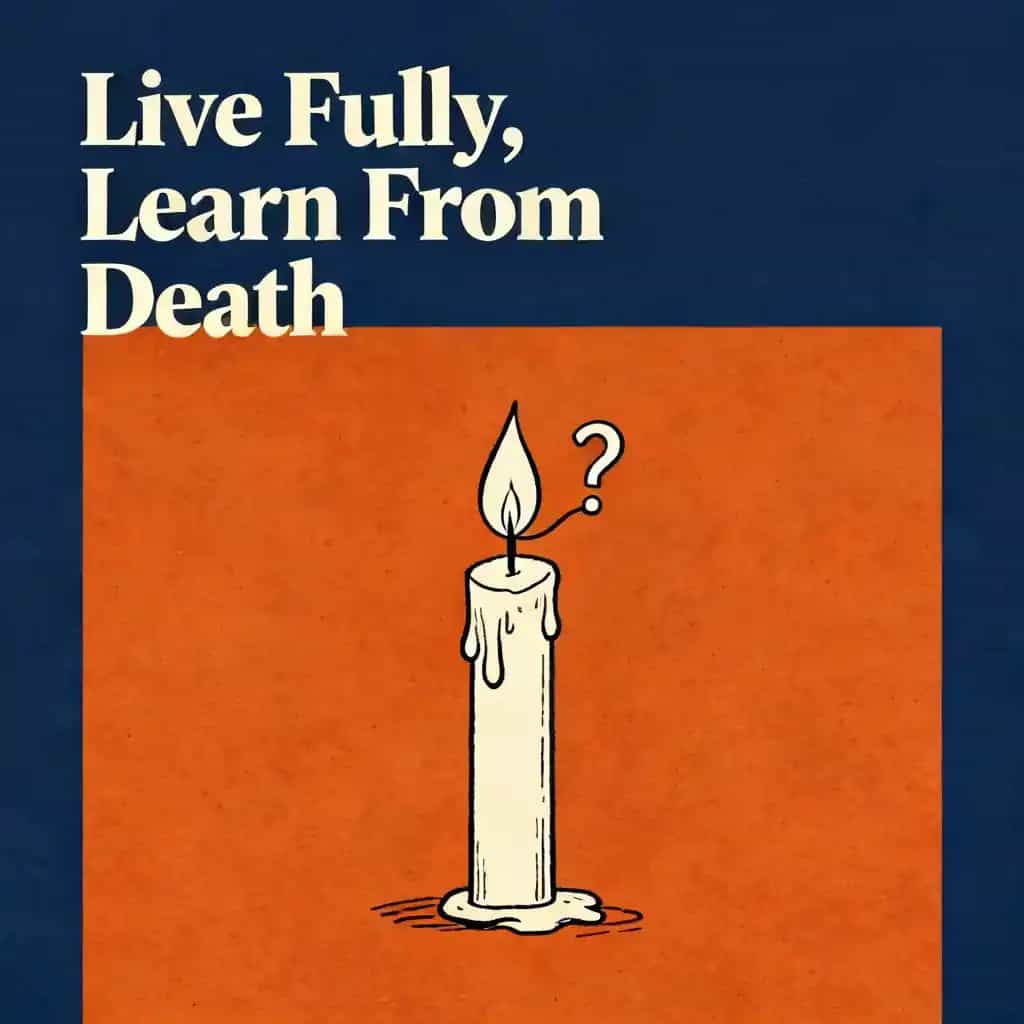
Death is like the sun: you cannot stare at it directly for long, but it illuminates everything. When you stop squinting and allow that light to touch the corners of your daily existence, the trivialities start to evaporate.
Generated with BeFreed
What Death Teaches Us About Living






Frequently Asked Questions
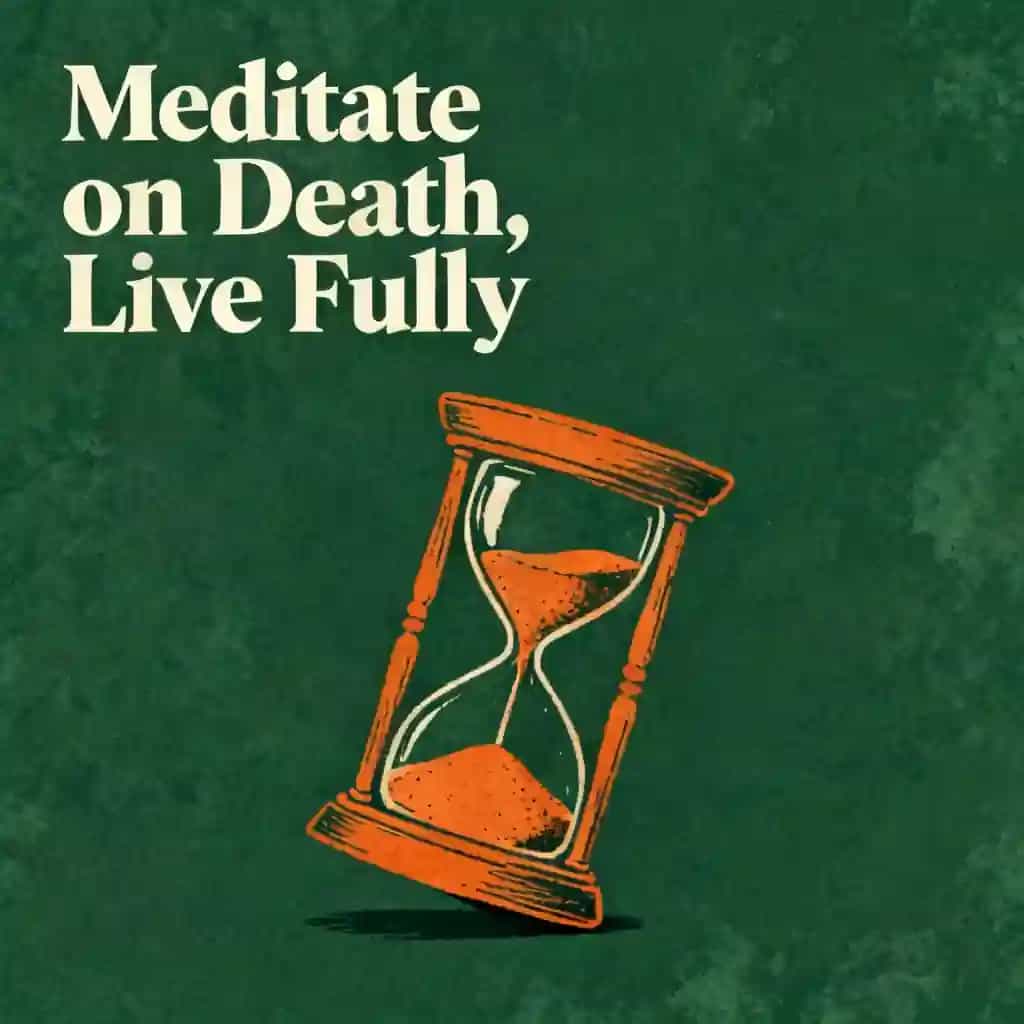
Memento mori is a Latin phrase meaning "remember you must die." While it may seem morbid, the script explains it as a tool for clarity rather than sadness. By acknowledging that our time is finite, we can perform "ruthless editing" on our lives, stripping away trivialities like petty arguments and social anxieties. This awareness acts as a compass, helping individuals prioritize what truly matters and make big life choices with more courage.
According to palliative care nurse Bronnie Ware, there are five consistent regrets shared by the dying. The most common is wishing for the courage to live a life true to oneself rather than meeting the expectations of others. Other frequent regrets include working too hard and missing family milestones, failing to express one's true feelings, losing touch with friends, and not allowing oneself to be happier.
Research indicates that when we perceive our future as expansive and infinite, we tend to focus on novelty and broad social networks. However, when we realize our time is limited—a shift known as "Being-toward-death"—we instinctively orient toward emotional meaning, deeper relationships, and significant experiences. This shift in perspective moves us from focusing on what is "new" to focusing on what is "true."
The script suggests several "awakening experiences" that don't require a near-death event. One method is the "obituary exercise," where you write your life story from the perspective of having lived your dream life to identify gaps in your current path. Another is the "arithmetic of finitude," which involves calculating roughly how many weeks or weekends you have left to create a sense of healthy urgency. Finally, a daily "regret check" involves asking if you would regret your current choices if you died today, prompting immediate positive changes.
Psychiatrist Viktor Frankl argued that if humans were immortal, there would be no reason to act, love, or create today because everything could be deferred forever. It is the very fact that our time is finite that gives our choices value and weight. Mortality provides the boundary that makes our actions significant, turning life from a series of endless possibilities into a precious, limited resource that demands our full attention.
From Columbia University alumni built in San Francisco
"Instead of endless scrolling, I just hit play on BeFreed. It saves me so much time."


"I never knew where to start with nonfiction—BeFreed’s book lists turned into podcasts gave me a clear path."


"Perfect balance between learning and entertainment. Finished ‘Thinking, Fast and Slow’ on my commute this week."
"Crazy how much I learned while walking the dog. BeFreed = small habits → big gains."
"Reading used to feel like a chore. Now it’s just part of my lifestyle."

"Feels effortless compared to reading. I’ve finished 6 books this month already."
"BeFreed turned my guilty doomscrolling into something that feels productive and inspiring."

"BeFreed turned my commute into learning time. 20-min podcasts are perfect for finishing books I never had time for."
"BeFreed replaced my podcast queue. Imagine Spotify for books — that’s it. 🙌"

"It is great for me to learn something from the book without reading it."
"The themed book list podcasts help me connect ideas across authors—like a guided audio journey."
"Makes me feel smarter every time before going to work"
From Columbia University alumni built in San Francisco
"Instead of endless scrolling, I just hit play on BeFreed. It saves me so much time."
"I never knew where to start with nonfiction—BeFreed’s book lists turned into podcasts gave me a clear path."
"Perfect balance between learning and entertainment. Finished ‘Thinking, Fast and Slow’ on my commute this week."
"Crazy how much I learned while walking the dog. BeFreed = small habits → big gains."
"Reading used to feel like a chore. Now it’s just part of my lifestyle."
"Feels effortless compared to reading. I’ve finished 6 books this month already."
"BeFreed turned my guilty doomscrolling into something that feels productive and inspiring."
"BeFreed turned my commute into learning time. 20-min podcasts are perfect for finishing books I never had time for."
"BeFreed replaced my podcast queue. Imagine Spotify for books — that’s it. 🙌"
"It is great for me to learn something from the book without reading it."
"The themed book list podcasts help me connect ideas across authors—like a guided audio journey."
"Makes me feel smarter every time before going to work"
"Instead of endless scrolling, I just hit play on BeFreed. It saves me so much time."
"I never knew where to start with nonfiction—BeFreed’s book lists turned into podcasts gave me a clear path."
"Perfect balance between learning and entertainment. Finished ‘Thinking, Fast and Slow’ on my commute this week."
"Crazy how much I learned while walking the dog. BeFreed = small habits → big gains."
"Reading used to feel like a chore. Now it’s just part of my lifestyle."
"Feels effortless compared to reading. I’ve finished 6 books this month already."
"BeFreed turned my guilty doomscrolling into something that feels productive and inspiring."
"BeFreed turned my commute into learning time. 20-min podcasts are perfect for finishing books I never had time for."
"BeFreed replaced my podcast queue. Imagine Spotify for books — that’s it. 🙌"
"It is great for me to learn something from the book without reading it."
"The themed book list podcasts help me connect ideas across authors—like a guided audio journey."
"Makes me feel smarter every time before going to work"
"Instead of endless scrolling, I just hit play on BeFreed. It saves me so much time."
"I never knew where to start with nonfiction—BeFreed’s book lists turned into podcasts gave me a clear path."
"Perfect balance between learning and entertainment. Finished ‘Thinking, Fast and Slow’ on my commute this week."
"Crazy how much I learned while walking the dog. BeFreed = small habits → big gains."
"Reading used to feel like a chore. Now it’s just part of my lifestyle."
"Feels effortless compared to reading. I’ve finished 6 books this month already."
"BeFreed turned my guilty doomscrolling into something that feels productive and inspiring."
"BeFreed turned my commute into learning time. 20-min podcasts are perfect for finishing books I never had time for."
"BeFreed replaced my podcast queue. Imagine Spotify for books — that’s it. 🙌"
"It is great for me to learn something from the book without reading it."
"The themed book list podcasts help me connect ideas across authors—like a guided audio journey."
"Makes me feel smarter every time before going to work"