Dark Psychology: When Minds Become Weapons
Explore the hidden world of psychological manipulation tactics like negging and gaslighting. Learn to recognize and defend against the dark triad's subtle mind games that exploit our deepest human needs.

Best quote from Dark Psychology: When Minds Become Weapons
The person trying to gaslight you loses their grip when you understand what gaslighting actually means. Awareness is your best defense; when you recognize these tactics, their power diminishes dramatically.

This audio lesson was created by a BeFreed community member
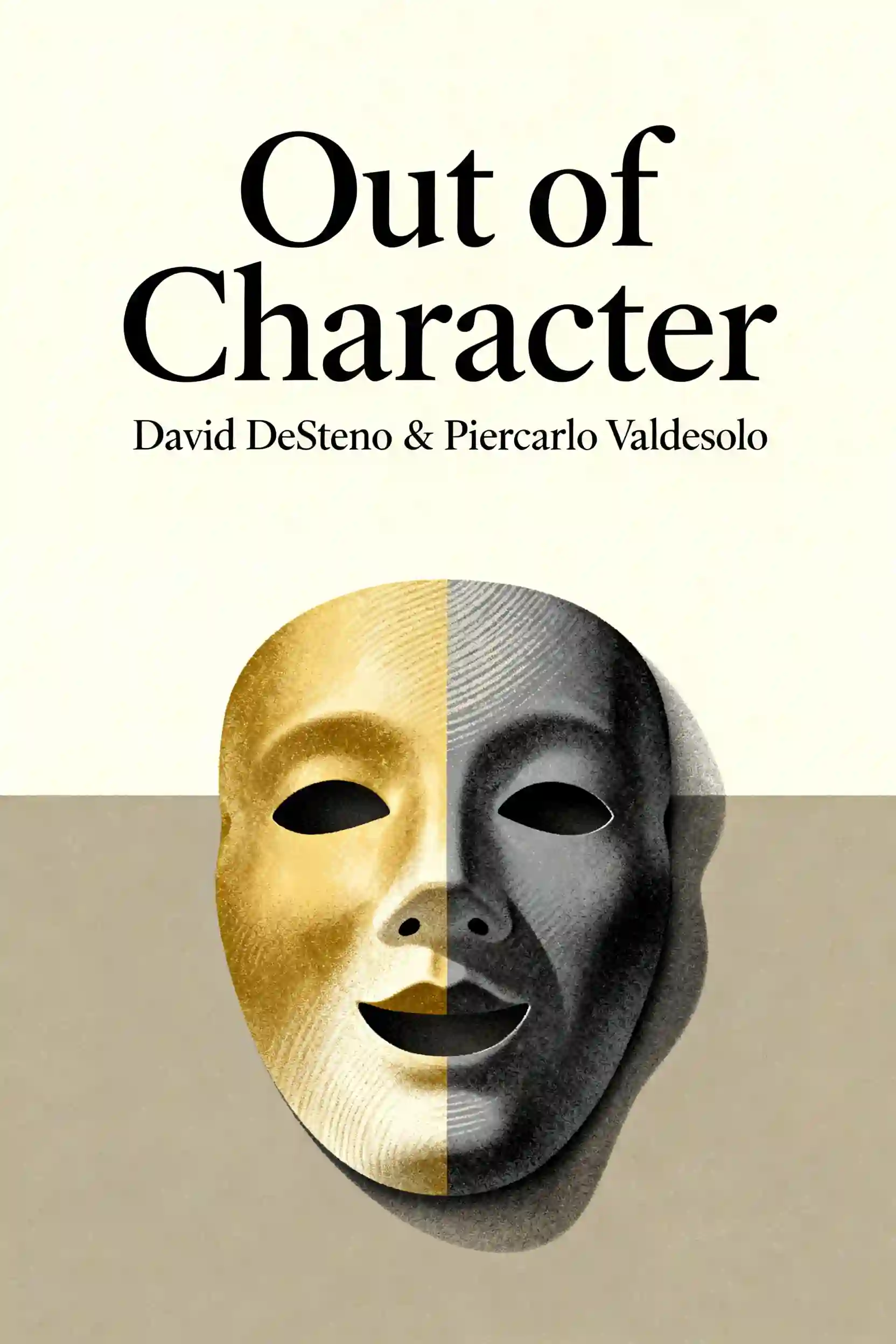
Dark Psychology

Discover more
Dark psychology
In an era of complex social dynamics, understanding the mechanics of manipulation is essential for self-protection. This plan is ideal for anyone looking to identify toxic behaviors and build strong psychological defenses against predatory personalities.

Dark Psychology Podcast: 500 Books Condensed
Dark psychology affects every aspect of our lives, from personal relationships to professional environments. This learning plan equips individuals with the knowledge to identify manipulation tactics, understand dark personality traits, and develop protective strategies against psychological influence.

Explore dark psychology & transgression
Dark psychology impacts our daily interactions, relationships, and decision-making processes, often without our awareness. This learning plan benefits those seeking to understand manipulative tactics, protect themselves from psychological exploitation, and gain insight into the forbidden aspects of human psychology.

Learn dark physcology tricks
This plan is essential for professionals and individuals seeking to safeguard themselves against predatory behavior while mastering advanced persuasion. It benefits anyone looking to improve their social intelligence and recognize manipulation in high-stakes environments.

Dark psychologist: skills and explanation
Understanding the mechanics of manipulation is essential for navigating complex social and professional landscapes safely. This plan is designed for leaders, professionals, and individuals who want to master psychological influence while building strong defenses against predatory personalities.

Mastering dark manipulation,
This curriculum is essential for high-stakes negotiators and leaders who need to navigate and dominate complex social landscapes. It provides a deep dive into the darker aspects of human psychology to ensure you can recognize and utilize the mechanics of power.

Psychologie noir
This learning plan provides critical insights into the darker aspects of human behavior and the mechanics of manipulation. It is essential for professionals in law enforcement, psychology, or anyone seeking to protect themselves from predatory personalities.

Podcast: 500 Dark Psychology Books Audio
In an era of information overload and subtle coercion, understanding the mechanics of influence is a vital survival skill. This plan is designed for individuals seeking to safeguard their mental autonomy and recognize predatory behaviors in any social context.
From Columbia University alumni built in San Francisco
"Instead of endless scrolling, I just hit play on BeFreed. It saves me so much time."


"I never knew where to start with nonfiction—BeFreed’s book lists turned into podcasts gave me a clear path."


"Perfect balance between learning and entertainment. Finished ‘Thinking, Fast and Slow’ on my commute this week."
"Crazy how much I learned while walking the dog. BeFreed = small habits → big gains."
"Reading used to feel like a chore. Now it’s just part of my lifestyle."

"Feels effortless compared to reading. I’ve finished 6 books this month already."
"BeFreed turned my guilty doomscrolling into something that feels productive and inspiring."

"BeFreed turned my commute into learning time. 20-min podcasts are perfect for finishing books I never had time for."
"BeFreed replaced my podcast queue. Imagine Spotify for books — that’s it. 🙌"

"It is great for me to learn something from the book without reading it."
"The themed book list podcasts help me connect ideas across authors—like a guided audio journey."
"Makes me feel smarter every time before going to work"
From Columbia University alumni built in San Francisco
"Instead of endless scrolling, I just hit play on BeFreed. It saves me so much time."
"I never knew where to start with nonfiction—BeFreed’s book lists turned into podcasts gave me a clear path."
"Perfect balance between learning and entertainment. Finished ‘Thinking, Fast and Slow’ on my commute this week."
"Crazy how much I learned while walking the dog. BeFreed = small habits → big gains."
"Reading used to feel like a chore. Now it’s just part of my lifestyle."
"Feels effortless compared to reading. I’ve finished 6 books this month already."
"BeFreed turned my guilty doomscrolling into something that feels productive and inspiring."
"BeFreed turned my commute into learning time. 20-min podcasts are perfect for finishing books I never had time for."
"BeFreed replaced my podcast queue. Imagine Spotify for books — that’s it. 🙌"
"It is great for me to learn something from the book without reading it."
"The themed book list podcasts help me connect ideas across authors—like a guided audio journey."
"Makes me feel smarter every time before going to work"
"Instead of endless scrolling, I just hit play on BeFreed. It saves me so much time."
"I never knew where to start with nonfiction—BeFreed’s book lists turned into podcasts gave me a clear path."
"Perfect balance between learning and entertainment. Finished ‘Thinking, Fast and Slow’ on my commute this week."
"Crazy how much I learned while walking the dog. BeFreed = small habits → big gains."
"Reading used to feel like a chore. Now it’s just part of my lifestyle."
"Feels effortless compared to reading. I’ve finished 6 books this month already."
"BeFreed turned my guilty doomscrolling into something that feels productive and inspiring."
"BeFreed turned my commute into learning time. 20-min podcasts are perfect for finishing books I never had time for."
"BeFreed replaced my podcast queue. Imagine Spotify for books — that’s it. 🙌"
"It is great for me to learn something from the book without reading it."
"The themed book list podcasts help me connect ideas across authors—like a guided audio journey."
"Makes me feel smarter every time before going to work"
"Instead of endless scrolling, I just hit play on BeFreed. It saves me so much time."
"I never knew where to start with nonfiction—BeFreed’s book lists turned into podcasts gave me a clear path."
"Perfect balance between learning and entertainment. Finished ‘Thinking, Fast and Slow’ on my commute this week."
"Crazy how much I learned while walking the dog. BeFreed = small habits → big gains."
"Reading used to feel like a chore. Now it’s just part of my lifestyle."
"Feels effortless compared to reading. I’ve finished 6 books this month already."
"BeFreed turned my guilty doomscrolling into something that feels productive and inspiring."
"BeFreed turned my commute into learning time. 20-min podcasts are perfect for finishing books I never had time for."
"BeFreed replaced my podcast queue. Imagine Spotify for books — that’s it. 🙌"
"It is great for me to learn something from the book without reading it."
"The themed book list podcasts help me connect ideas across authors—like a guided audio journey."
"Makes me feel smarter every time before going to work"