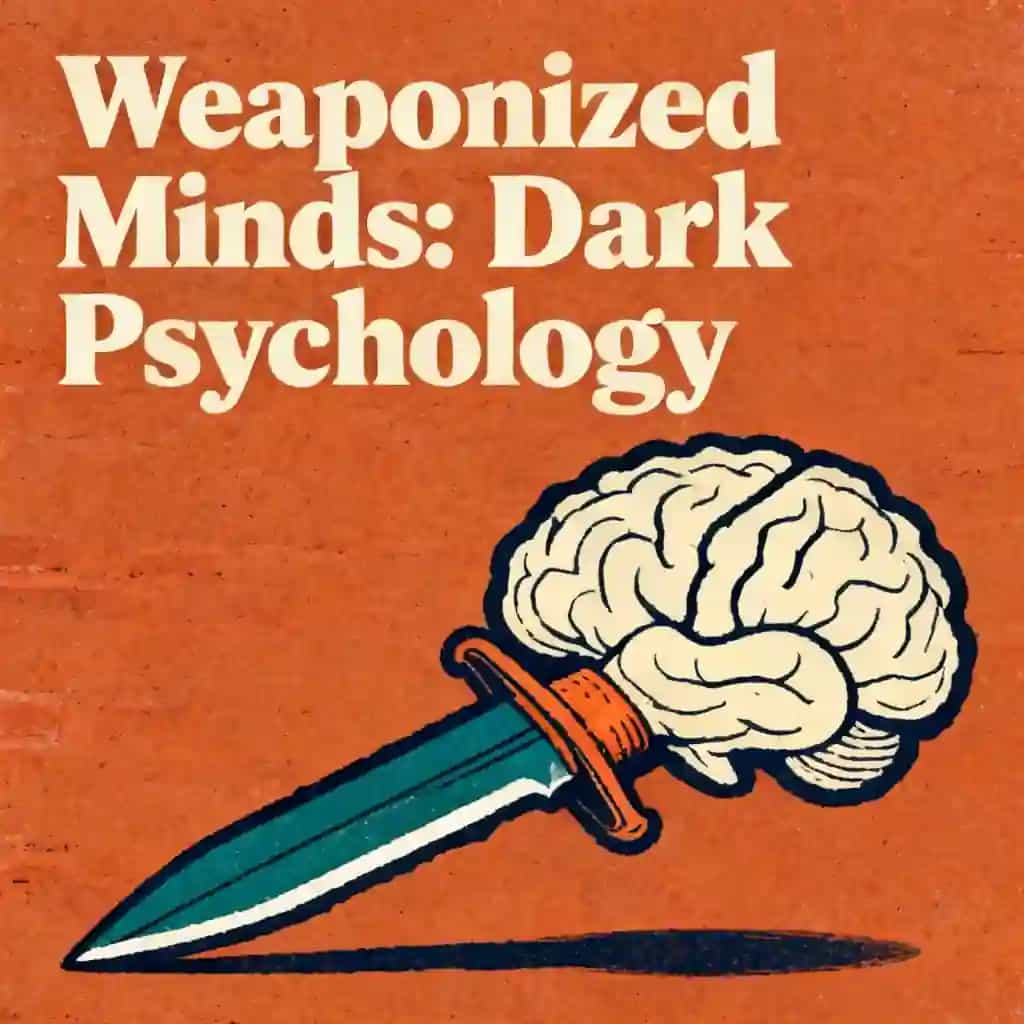
Understanding Dark Psychology: Tactics, Ethics, and Human Behavior
Explore the complexities of dark psychology, from manipulation tactics to the dark triad. Learn how social influence and human behavior shape our interactions.

Best quote from Understanding Dark Psychology: Tactics, Ethics, and Human Behavior
Awareness isn't just interesting; it's a necessary survival tool for our mental well-being. Once you see the 'Manipulation Formula,' you can’t unsee it.
Generated by Yamlak
Can you teach me about dark phycology

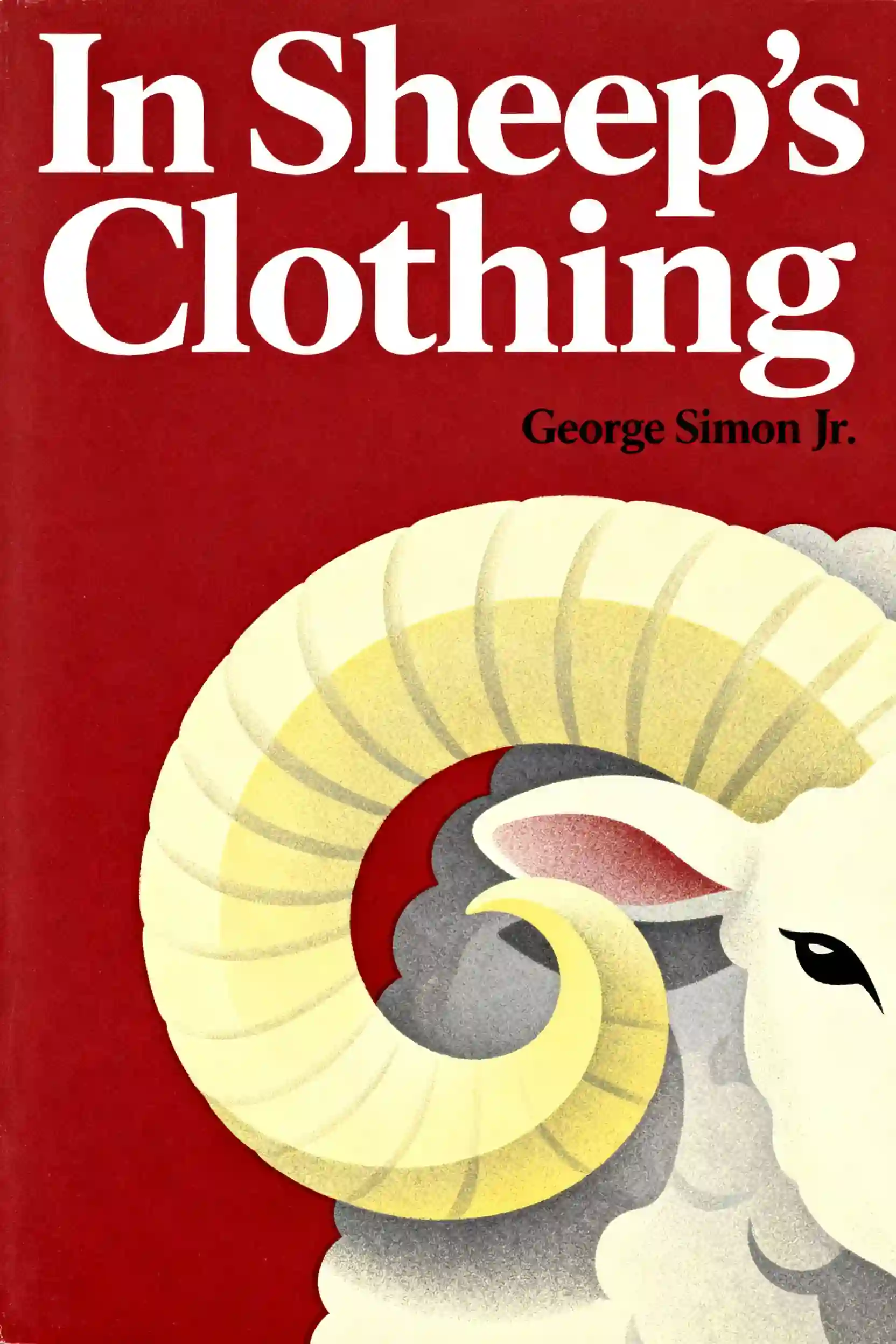
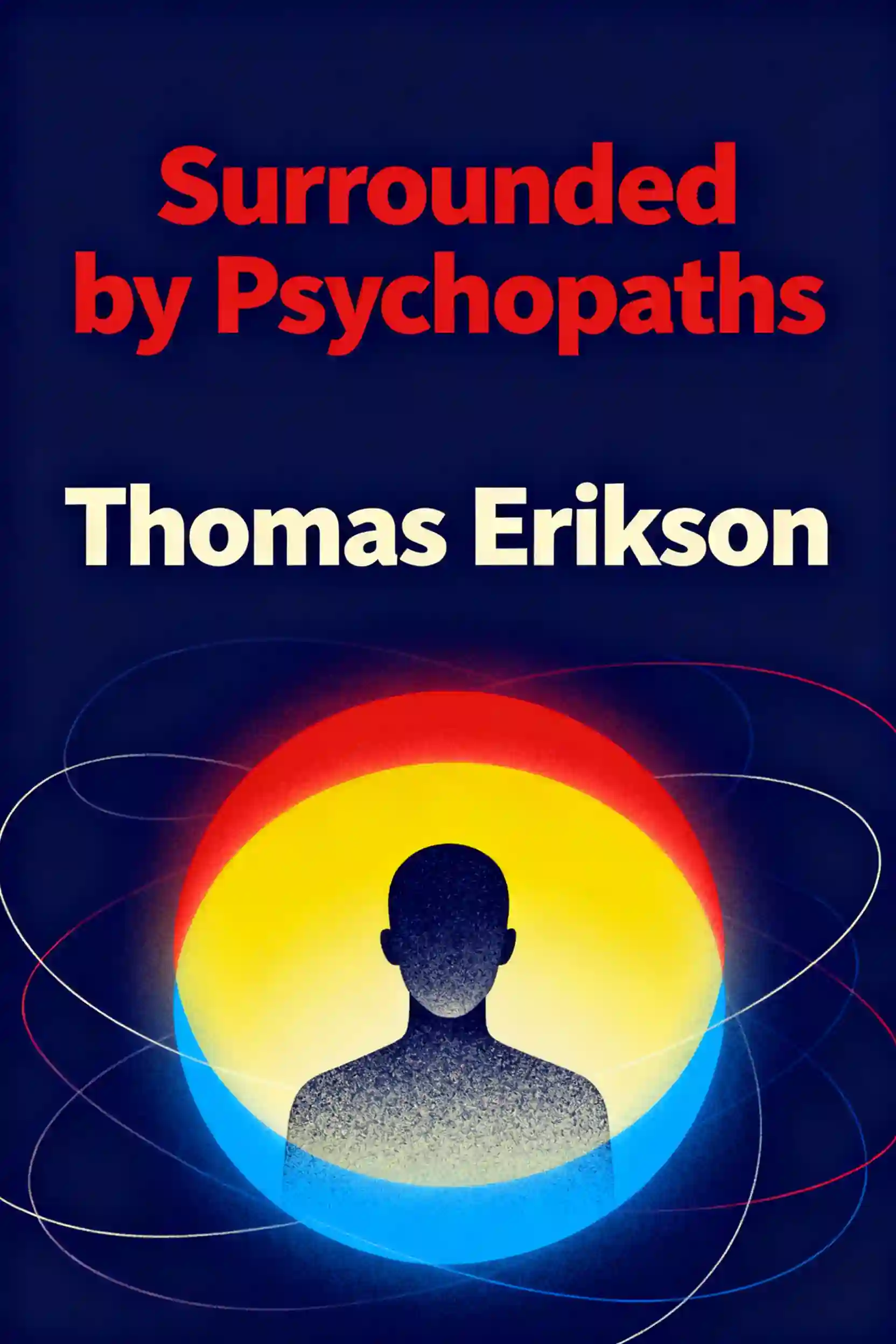
Frequently Asked Questions
Dark psychology refers to the study of the human condition as it relates to the psychological nature of people to prey upon others. It examines how individuals use specific tactics to influence, manipulate, or persuade others for personal gain. By understanding these behavioral psychology principles, you can better recognize the underlying motives behind complex social interactions and protect yourself from unwanted psychological manipulation in various personal and professional settings.
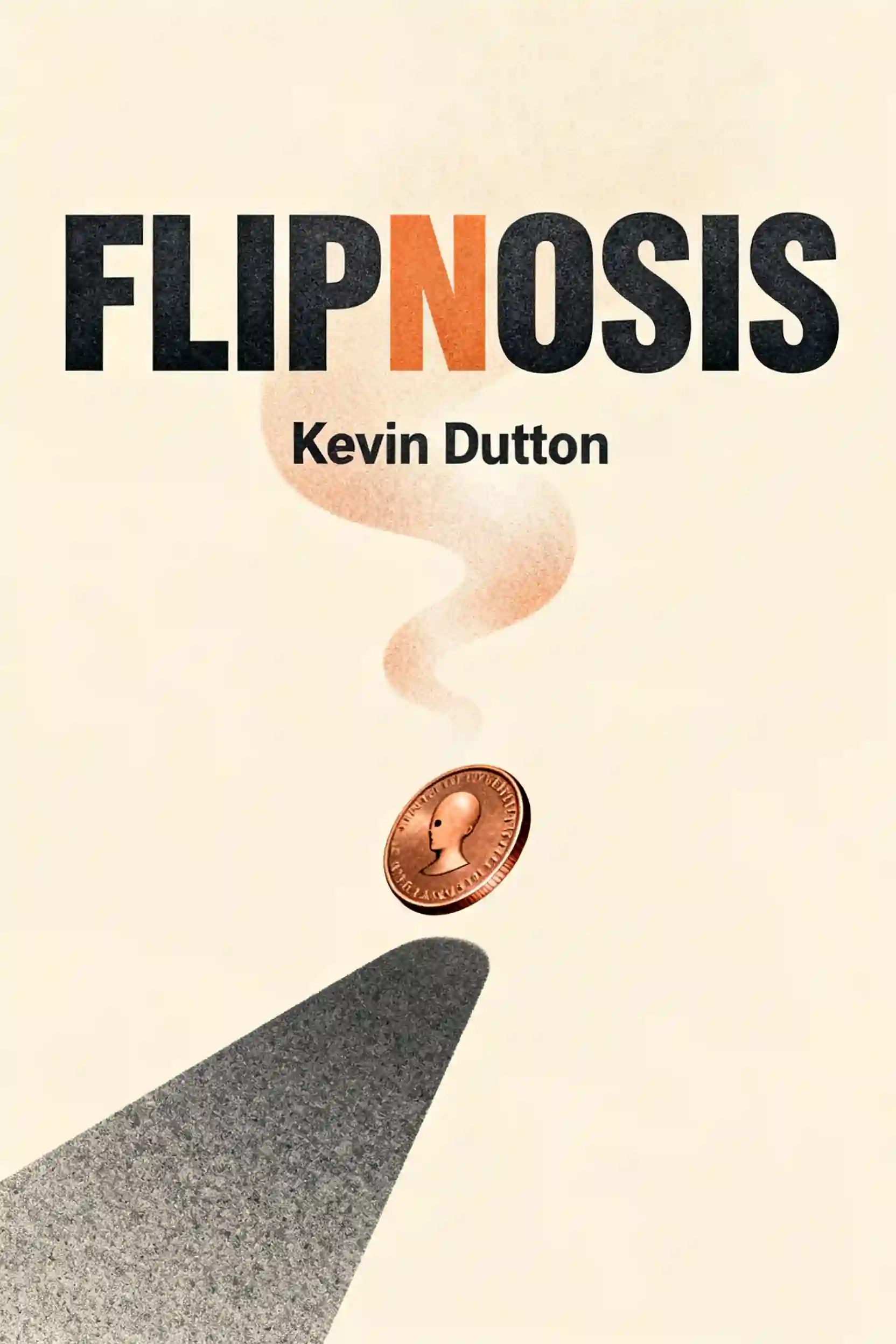
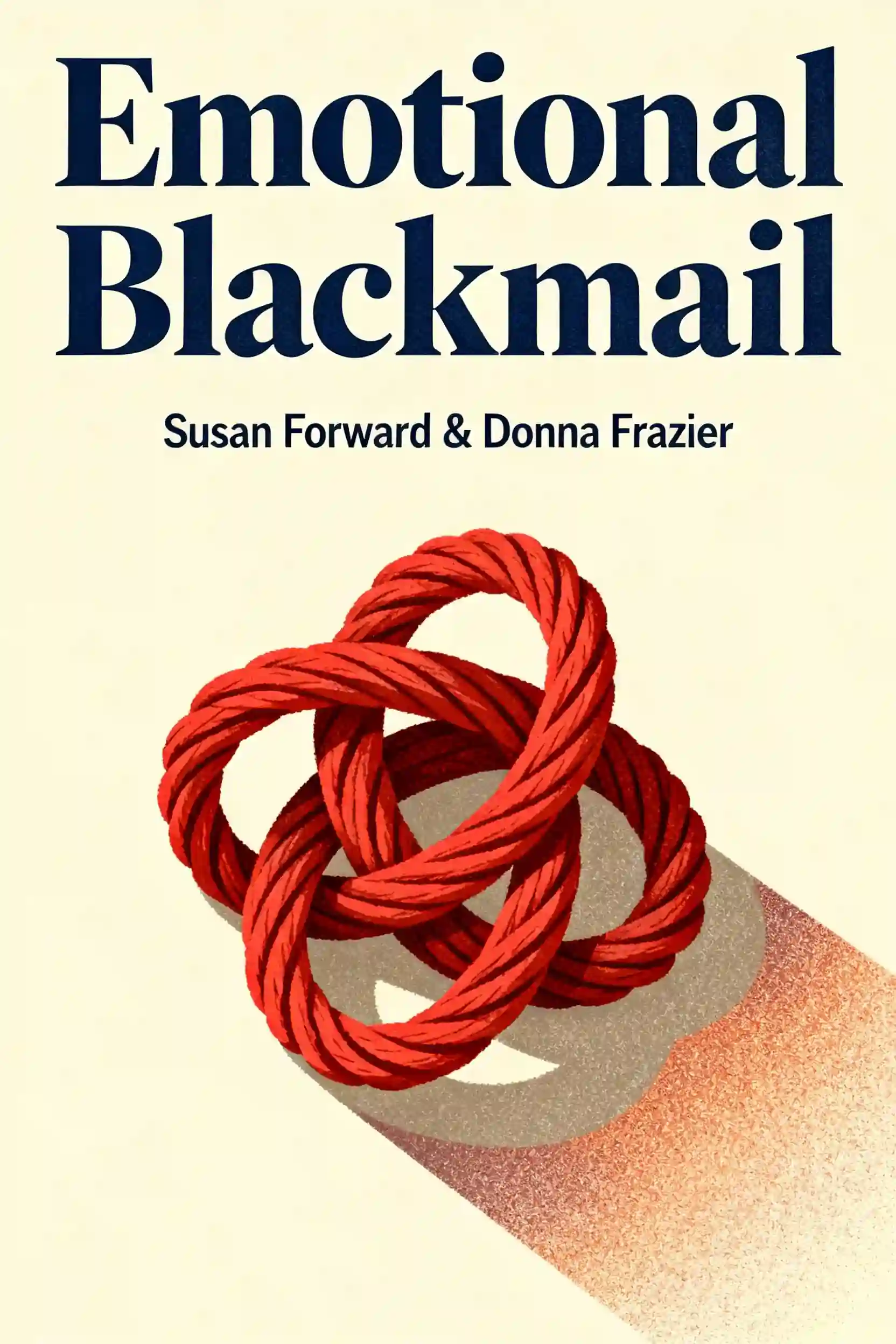
Psychological manipulation involves a variety of persuasion techniques designed to change the perception or behavior of others through underhanded, deceptive, or even abusive methods. Common tactics include gaslighting, emotional blackmail, and social influence strategies that exploit human vulnerabilities. Understanding these methods is a core part of dark psychology, as it highlights how certain individuals leverage behavioral patterns to exert control or gain an unfair advantage over others.
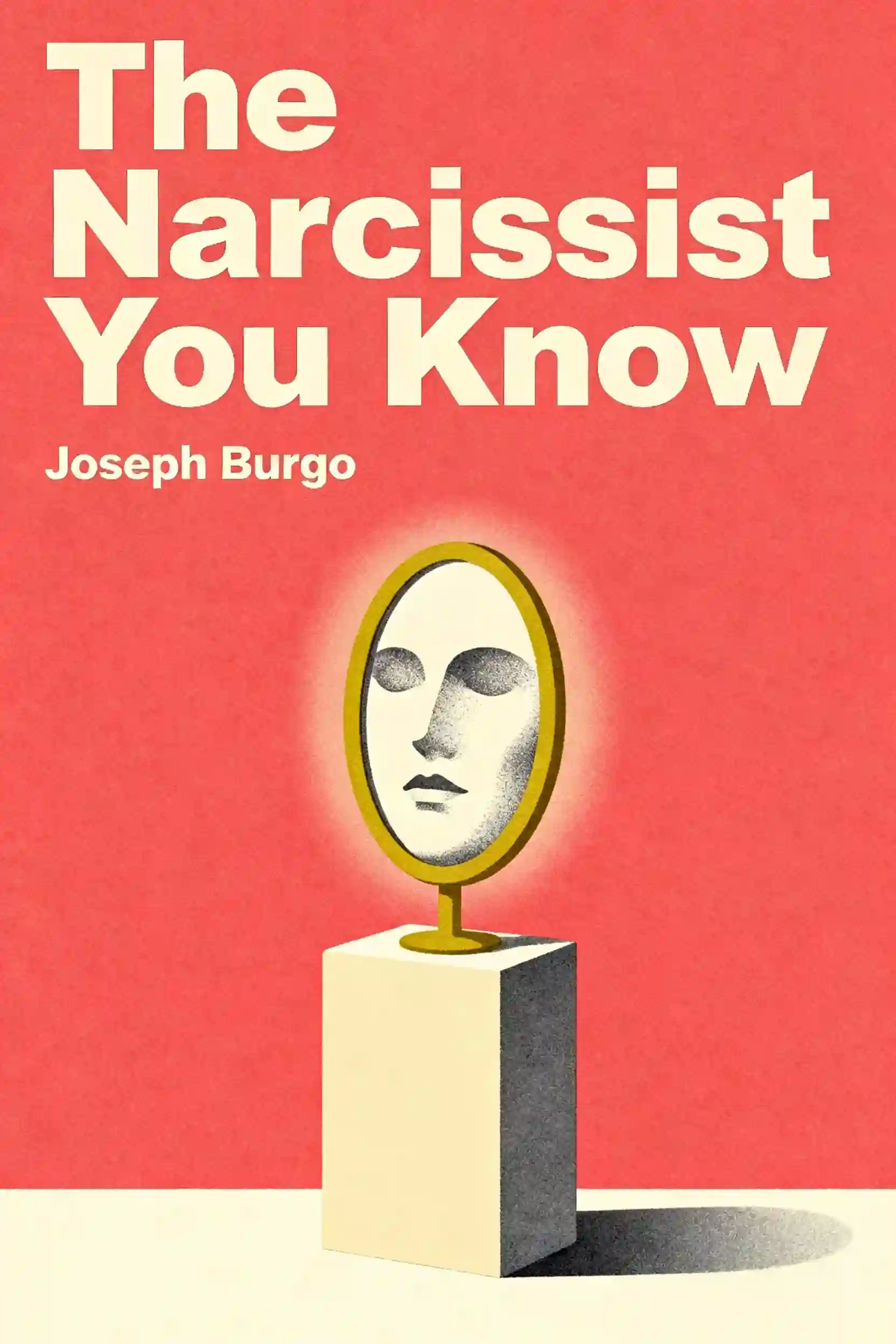
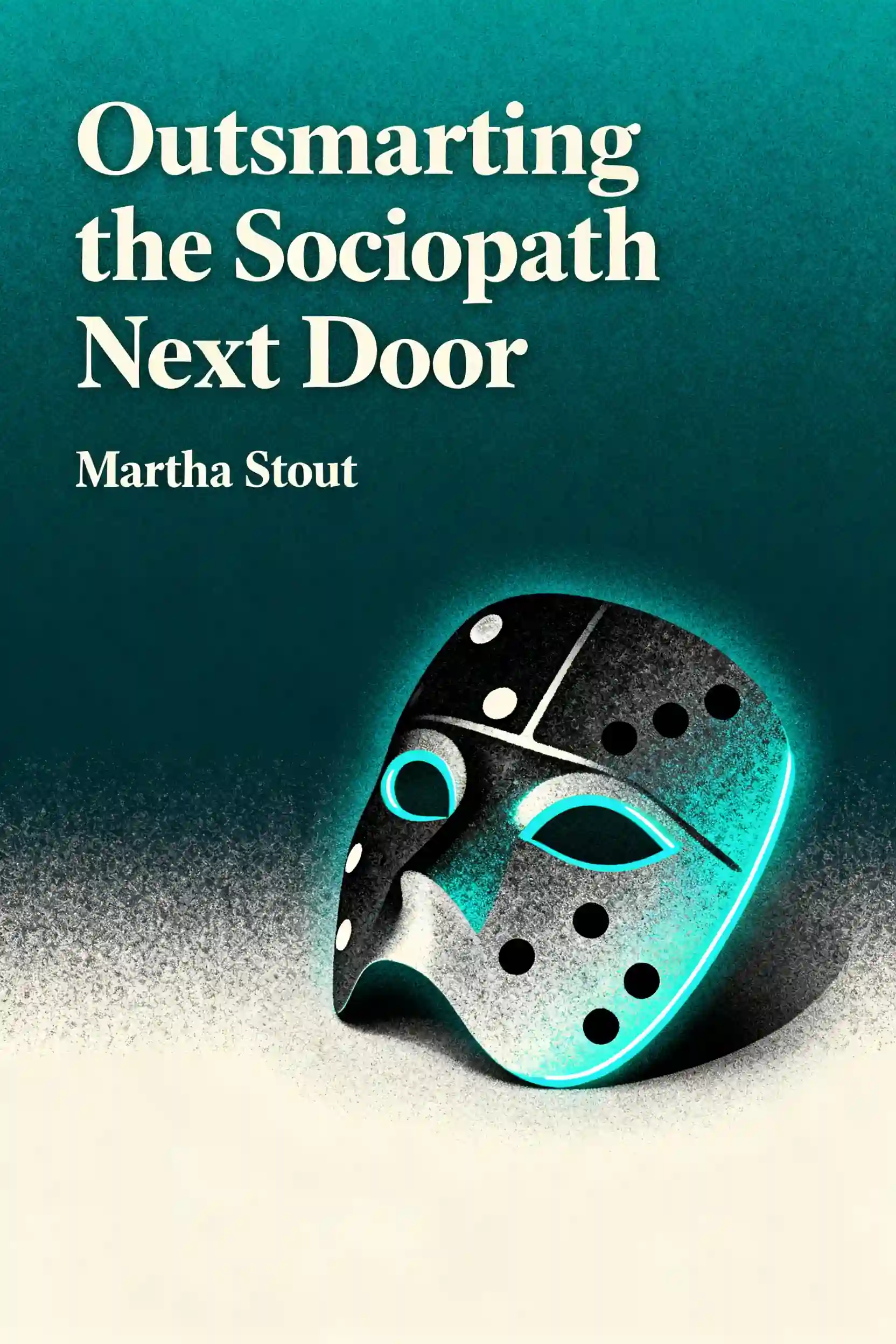
The Dark Triad is a psychological framework that identifies three distinct but interrelated personality traits: narcissism, Machiavellianism, and psychopathy. In the study of dark psychology, these traits are often used to explain why certain individuals are more prone to using manipulative tactics and exploitative social influence. Learning about the Dark Triad helps in identifying high-risk behaviors and understanding the darker aspects of human personality and social interaction.
Studying dark psychology provides a deeper look into the ethics and mechanics of social influence and persuasion. While these techniques can be used for harm, understanding them allows you to develop a more critical eye toward the behavioral psychology used in marketing, leadership, and daily communication. By recognizing the tactics of dark psychology, you become more resilient to manipulation and gain a more comprehensive perspective on the complexities of human behavior.
From Columbia University alumni built in San Francisco
"Instead of endless scrolling, I just hit play on BeFreed. It saves me so much time."


"I never knew where to start with nonfiction—BeFreed’s book lists turned into podcasts gave me a clear path."


"Perfect balance between learning and entertainment. Finished ‘Thinking, Fast and Slow’ on my commute this week."
"Crazy how much I learned while walking the dog. BeFreed = small habits → big gains."
"Reading used to feel like a chore. Now it’s just part of my lifestyle."

"Feels effortless compared to reading. I’ve finished 6 books this month already."
"BeFreed turned my guilty doomscrolling into something that feels productive and inspiring."

"BeFreed turned my commute into learning time. 20-min podcasts are perfect for finishing books I never had time for."
"BeFreed replaced my podcast queue. Imagine Spotify for books — that’s it. 🙌"

"It is great for me to learn something from the book without reading it."
"The themed book list podcasts help me connect ideas across authors—like a guided audio journey."
"Makes me feel smarter every time before going to work"
From Columbia University alumni built in San Francisco
"Instead of endless scrolling, I just hit play on BeFreed. It saves me so much time."
"I never knew where to start with nonfiction—BeFreed’s book lists turned into podcasts gave me a clear path."
"Perfect balance between learning and entertainment. Finished ‘Thinking, Fast and Slow’ on my commute this week."
"Crazy how much I learned while walking the dog. BeFreed = small habits → big gains."
"Reading used to feel like a chore. Now it’s just part of my lifestyle."
"Feels effortless compared to reading. I’ve finished 6 books this month already."
"BeFreed turned my guilty doomscrolling into something that feels productive and inspiring."
"BeFreed turned my commute into learning time. 20-min podcasts are perfect for finishing books I never had time for."
"BeFreed replaced my podcast queue. Imagine Spotify for books — that’s it. 🙌"
"It is great for me to learn something from the book without reading it."
"The themed book list podcasts help me connect ideas across authors—like a guided audio journey."
"Makes me feel smarter every time before going to work"
"Instead of endless scrolling, I just hit play on BeFreed. It saves me so much time."
"I never knew where to start with nonfiction—BeFreed’s book lists turned into podcasts gave me a clear path."
"Perfect balance between learning and entertainment. Finished ‘Thinking, Fast and Slow’ on my commute this week."
"Crazy how much I learned while walking the dog. BeFreed = small habits → big gains."
"Reading used to feel like a chore. Now it’s just part of my lifestyle."
"Feels effortless compared to reading. I’ve finished 6 books this month already."
"BeFreed turned my guilty doomscrolling into something that feels productive and inspiring."
"BeFreed turned my commute into learning time. 20-min podcasts are perfect for finishing books I never had time for."
"BeFreed replaced my podcast queue. Imagine Spotify for books — that’s it. 🙌"
"It is great for me to learn something from the book without reading it."
"The themed book list podcasts help me connect ideas across authors—like a guided audio journey."
"Makes me feel smarter every time before going to work"
"Instead of endless scrolling, I just hit play on BeFreed. It saves me so much time."
"I never knew where to start with nonfiction—BeFreed’s book lists turned into podcasts gave me a clear path."
"Perfect balance between learning and entertainment. Finished ‘Thinking, Fast and Slow’ on my commute this week."
"Crazy how much I learned while walking the dog. BeFreed = small habits → big gains."
"Reading used to feel like a chore. Now it’s just part of my lifestyle."
"Feels effortless compared to reading. I’ve finished 6 books this month already."
"BeFreed turned my guilty doomscrolling into something that feels productive and inspiring."
"BeFreed turned my commute into learning time. 20-min podcasts are perfect for finishing books I never had time for."
"BeFreed replaced my podcast queue. Imagine Spotify for books — that’s it. 🙌"
"It is great for me to learn something from the book without reading it."
"The themed book list podcasts help me connect ideas across authors—like a guided audio journey."
"Makes me feel smarter every time before going to work"